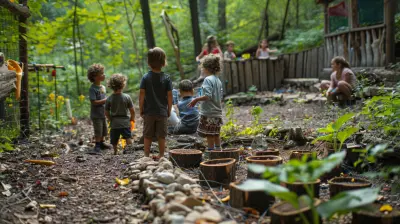
Positive Parenting: Fostering Responsibility Through Natural Consequences
14 January 2026
Parenting is a wild ride, isn’t it? One minute, your toddler is adorably babbling about their latest masterpiece (a crayon mural on the living room wall), and the next, your teenager is rolling their eyes when you ask them to clean their room. Teaching responsibility can sometimes feel like an uphill battle—but what if I told you there’s a way to guide kids without constant nagging or punishment?
Enter natural consequences. It’s like the universe’s way of parenting for us. Instead of us constantly enforcing rules, kids learn through their own experiences—real-life cause and effect. It’s simple, effective, and (best of all) stress-free.
Let’s dive into how positive parenting and natural consequences go hand in hand in raising responsible little humans.

What Are Natural Consequences?
Natural consequences are the direct result of a child’s actions—without any interference from parents. Unlike punishments, which are imposed by an authority figure, natural consequences just happen as a result of a choice.For example:
- If your child refuses to wear a jacket, they’ll feel cold.
- If they forget their lunch, they’ll be hungry.
- If they leave their bike out in the rain, it might rust.
These experiences teach valuable life lessons—not because you lectured them, but because they experienced the outcome firsthand.
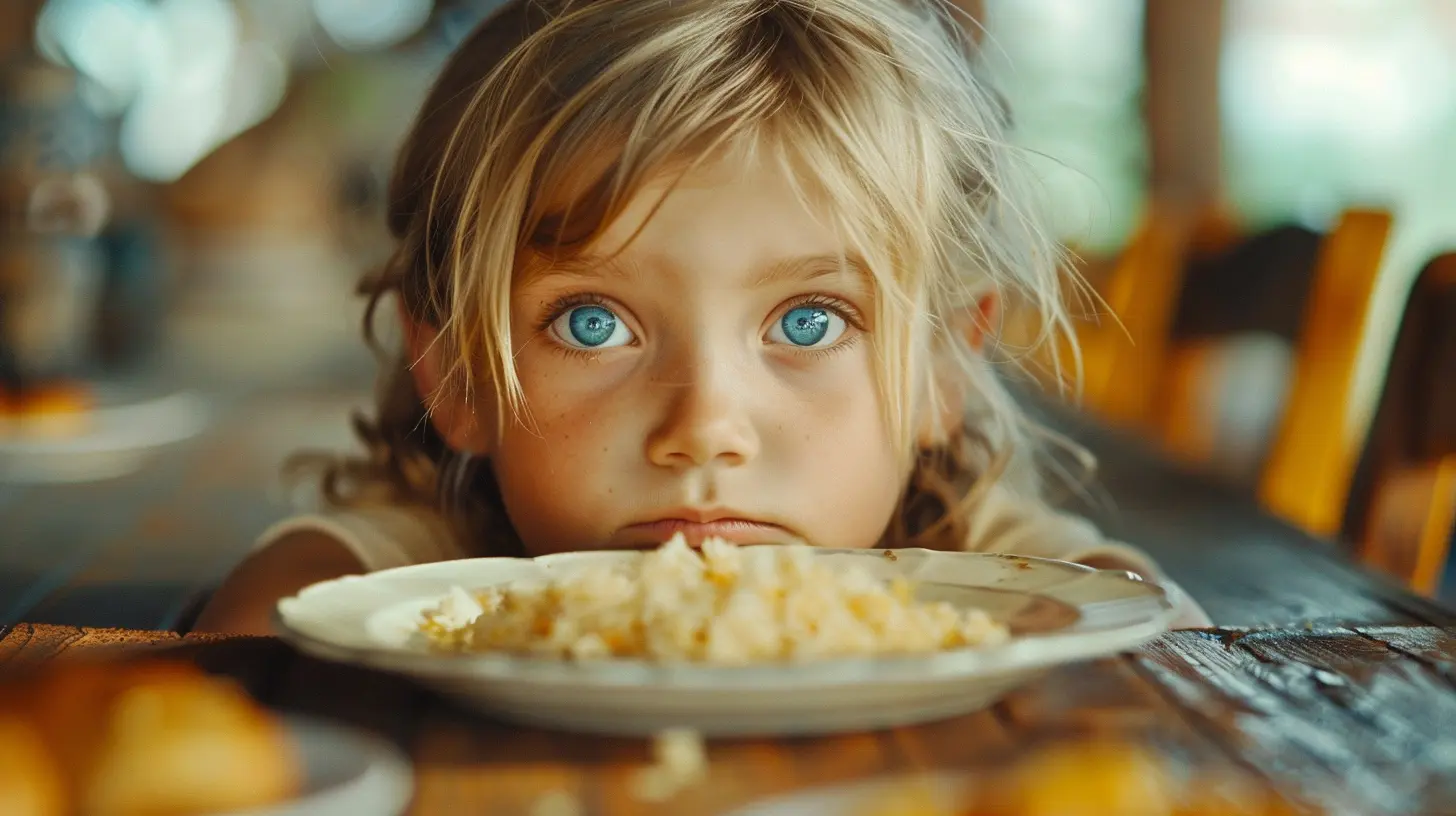
The Power of Natural Consequences in Parenting
So, why are natural consequences so effective?- They build problem-solving skills. Kids learn the direct impact of their choices, encouraging them to think ahead.
- They develop independence. Instead of relying on parents to make every decision, they learn to take ownership of their actions.
- They reduce power struggles. No more arguments over putting on a coat—nature will take care of that lesson for you!
- They create lasting lessons. A child who forgets their homework once is far less likely to forget it again than one who gets a verbal scolding.

When to Let Natural Consequences Play Out
Now, before you start letting every consequence unfold naturally, there are a few key guidelines to follow:1. Ensure Safety First
If the natural consequence involves danger—like running into the street or playing with fire—step in immediately. Safety is non-negotiable.2. Keep Consequences Age-Appropriate
Younger kids might not grasp certain consequences right away. A toddler who refuses to wear mittens won’t connect their cold fingers to their choice—so some gentle guidance may still be needed.3. Let It Happen Without “I Told You So”
Resist the urge to rub it in when your child experiences a natural consequence. If they forget their homework, saying, “See? I told you this would happen!” only creates resentment. Let the lesson speak for itself.4. Step In If It Affects Others
If your child’s actions negatively impact someone else (like refusing to share, which leads to hurt feelings), a conversation about empathy and kindness might be more effective than just letting the situation play out.
Practical Examples of Natural Consequences
Let’s look at some real-life scenarios where natural consequences can foster responsibility:1. Refusing to Wear a Coat
- What Happens: They get cold.- What They Learn: Next time, they’ll make a smarter choice about dressing appropriately.
2. Forgetting Their Homework
- What Happens: They deal with the consequences at school.- What They Learn: Taking responsibility for their work is important.
3. Leaving Toys Outside
- What Happens: Toys might get ruined or lost.- What They Learn: Taking care of their belongings matters.
4. Spending All Their Allowance at Once
- What Happens: They run out of money and can’t buy what they want later.- What They Learn: Budgeting and delayed gratification are important skills.
5. Skipping Chores
- What Happens: They don’t have clean clothes or a tidy space.- What They Learn: Keeping up with responsibilities benefits them.
How to Support Kids Without Rescuing Them
As parents, it’s so tempting to swoop in and save the day. No one wants to see their child struggle. But by always fixing things for them, we rob them of valuable learning experiences.Instead of rescuing, try:
- Empathy Over Fixing: “I know it’s hard to go without your lunch today. I bet you’ll remember next time.”
- Guiding, Not Lecturing: “What do you think you can do differently next time?”
- Encouraging Ownership: “I see your toy was left outside and got damaged. What can you do to take better care of your things?”
By offering support without stepping in to fix everything, kids develop resilience and critical thinking skills.
The Balance Between Natural and Logical Consequences
Sometimes, a natural consequence isn’t enough—or doesn’t fit the situation. That’s where logical consequences come into play.Unlike natural consequences (which happen on their own), logical consequences are parent-guided but still related to the action.
For example:
- If a child refuses to turn off their video game, the logical consequence might be losing screen time the next day.
- If a child makes a mess and refuses to clean up, the logical consequence is that they don’t get to play with those toys until they tidy up.
Logical consequences should always be fair, related to the behavior, and respectful—not punitive.
Overcoming Common Parenting Challenges
Even with the best intentions, applying natural consequences can be tricky.1. What If My Child Doesn’t Seem to Care?
Some kids will test boundaries—even if it means experiencing discomfort. Instead of forcing a reaction, stay consistent. They’ll eventually understand the connection between their choices and the outcome.2. What If It’s Hard for Me to Let Them Fail?
It’s okay! Letting kids face consequences doesn’t mean we stop caring. It means we care so much that we’re teaching them important life skills.3. What If They Get Angry?
That’s natural! No one likes facing the negative effects of their choices. Acknowledge their feelings while holding firm: “I know it’s frustrating to forget your lunch, but I believe you’ll figure out a way to remind yourself next time.”
Final Thoughts
Positive parenting isn’t about controlling our kids—it’s about guiding them toward responsibility and independence. Letting natural consequences play out can feel uncomfortable at times, but the life lessons they teach are invaluable.So, the next time your child forgets their homework, refuses their coat, or spends all their allowance in one go—take a deep breath and let the lesson unfold. They’re not just learning responsibility; they’re learning resilience, problem-solving, and the life skills they’ll carry into adulthood.
And that’s a win for both of you.
all images in this post were generated using AI tools
Category:
Positive ParentingAuthor:

Zelda Gill
Discussion
rate this article
2 comments
Kismet Nguyen
Teaching kids about responsibility through natural consequences? It's like letting them bake cookies—sometimes they burn, but they learn to bake better!
February 17, 2026 at 4:21 AM
Zelda Gill
That's a perfect analogy! Letting kids experience the results of their actions really helps them grow and improve.
Sablethorn Potter
Embracing natural consequences empowers children to learn and grow. By guiding them with love and patience, we nurture responsible, resilient individuals ready to face life's challenges with confidence!
January 16, 2026 at 5:32 AM
Zelda Gill
Thank you for your insightful comment! Embracing natural consequences truly nurtures growth and resilience in children, fostering their ability to navigate life's challenges with confidence.