How to Help Your Child Rebuild Friendships After Bullying
15 December 2025
Bullying is heartbreaking—not just for kids, but for parents too. If your child has been bullied, chances are they’ve lost trust in their peers, withdrawn socially, or lost confidence in making new friends. The good news? Healing is absolutely possible. Rebuilding friendships after bullying might take time, but with your support, patience, and encouragement, your child can form positive relationships again.
So, how can you help? Let’s dig deep into the steps you can take to help your child regain their social confidence and reconnect with friends.
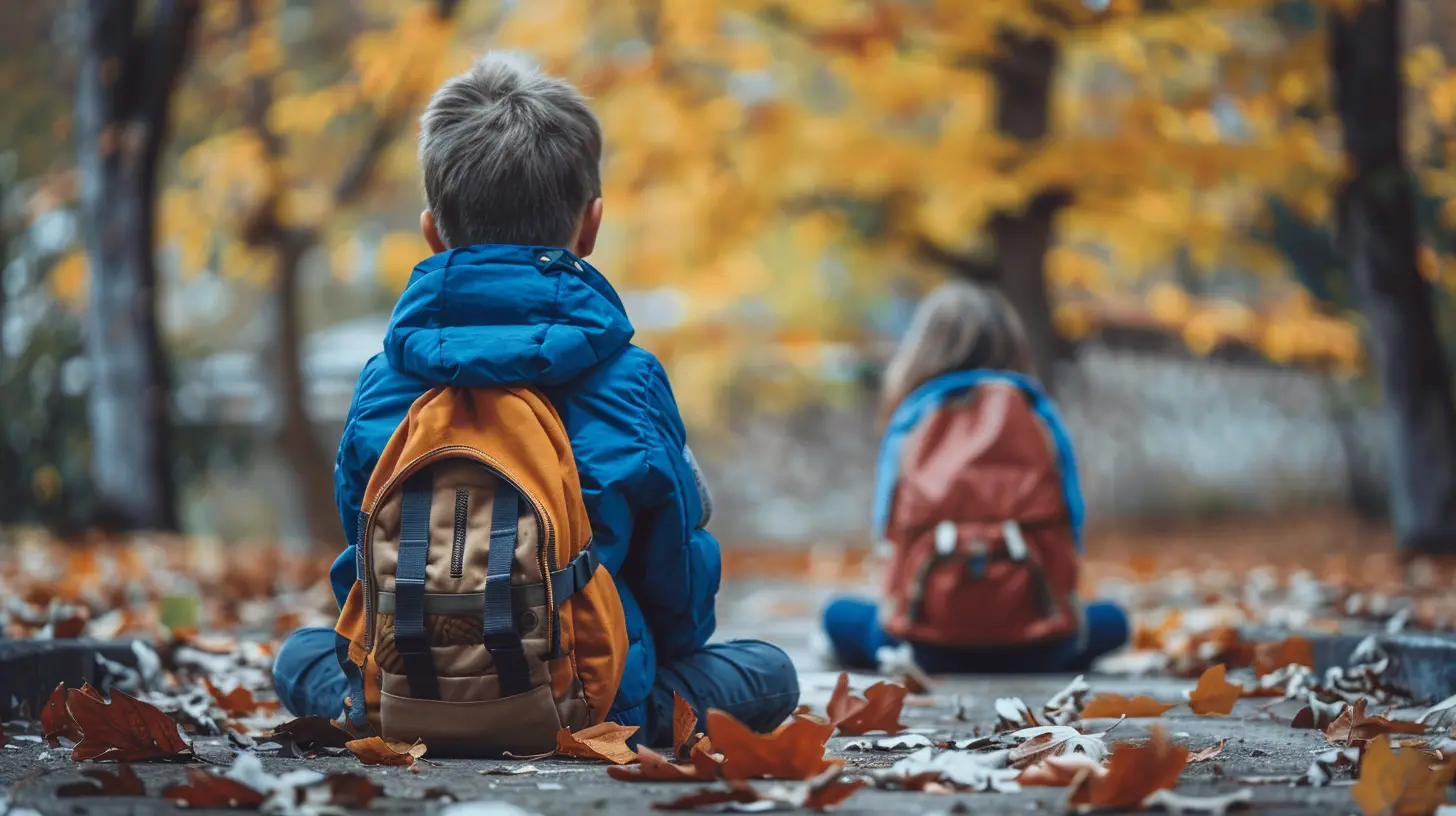
Understanding the Impact of Bullying on Friendships
Before we jump into solutions, it’s important to understand why bullying affects friendships so deeply.- Loss of Trust – Kids who experience bullying feel betrayed, making it hard to trust peers again.
- Lowered Confidence – They may doubt their worth, feeling like no one will want to be their friend.
- Social Anxiety – After being bullied, some children avoid social settings altogether.
- Fear of Rejection – Even if they want to make new friends, fear of being bullied again holds them back.
Recognizing these struggles helps you approach their healing process with empathy and patience.
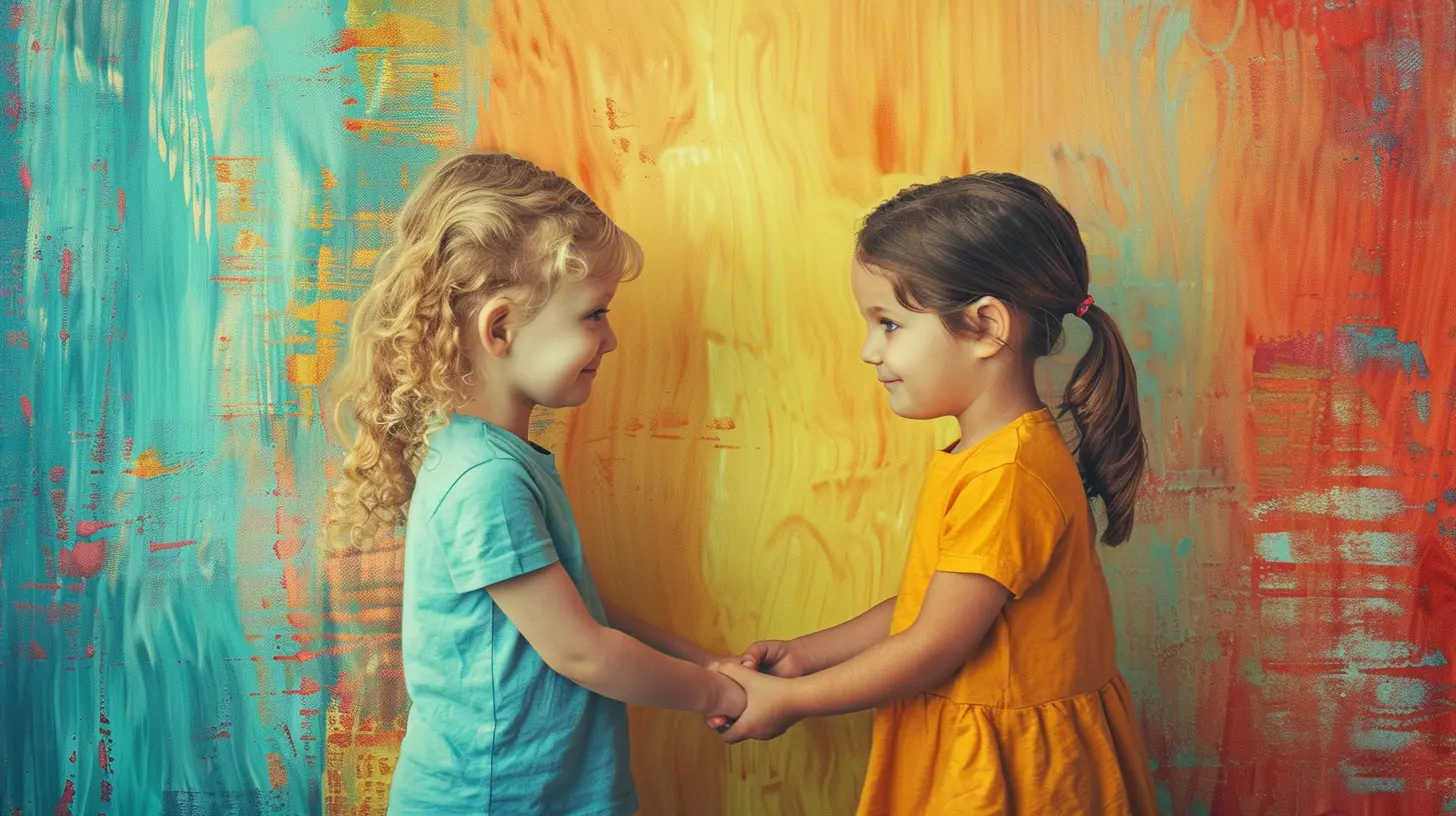
Step 1: Acknowledge Their Feelings
First things first—let your child express how they feel. Ask open-ended questions like:- “How did the bullying make you feel about friendships?”
- “Are you afraid of trusting people again?”
- “What can I do to support you?”
Avoid brushing off their feelings with phrases like “Just move on” or “You’ll make new friends soon.” Instead, validate their emotions by saying, “I hear you, and I know this is hard.”
Sometimes, all they need is a safe space to talk without judgment.
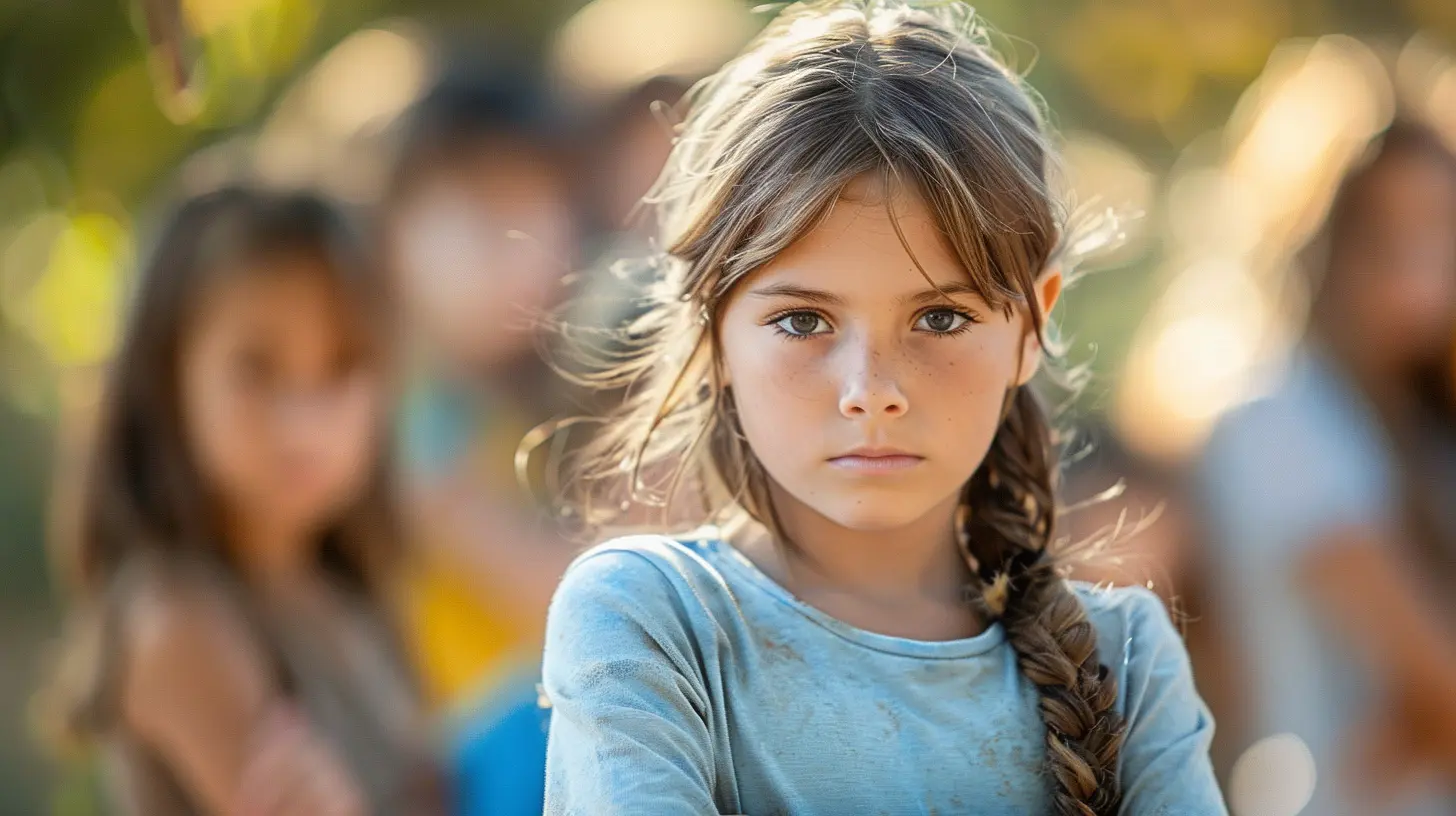
Step 2: Rebuild Their Self-Confidence
Friendships are easier to form when a child feels good about themselves. If bullying has knocked their confidence down, work on rebuilding it.Ways to Boost Confidence:
- Encourage Their Strengths – Help them engage in activities where they shine (art, sports, music, coding—whatever excites them!).- Positive Affirmations – Remind them daily of their worth: “You are kind,” “You are strong,” “You are loved.”
- Give Them Responsibilities – Small tasks like helping cook dinner or organizing their room can make them feel capable.
- Expose Them to Safe Social Situations – Start with small, controlled gatherings like playdates with close friends or family.
When a child believes in themselves, they’ll naturally attract better relationships.

Step 3: Help Them Identify Safe and Supportive Friends
Not everyone will be a good friend—and your child should know how to spot the difference. Teach them the qualities of a healthy friendship:👍 Good Friends:
- Make them feel included and valued
- Respect their boundaries
- Stand up for them when needed
- Bring out their best qualities
👎 Toxic Friends:
- Put them down or make fun of them
- Only reach out when they need something
- Make them feel small or unimportant
- Gossip or spread rumors about them
Encourage your child to find friends who lift them up, not ones who bring them down.
Step 4: Teach Them How to Initiate Friendships
Making friends can feel overwhelming after being bullied. Help your child practice simple steps for initiating friendships:Friendship-Building Strategies:
- Start Small – Teach them to say “Hi” or give compliments to classmates.- Join Group Activities – Clubs, sports teams, or hobby groups provide easy ways to meet like-minded peers.
- Use Open Body Language – Smiling and making eye contact can make them seem more approachable.
- Practice Conversation Starters – Help them ask simple questions like, “What’s your favorite movie?” or “Do you like playing soccer?”
Rehearsing these steps at home can make real-life interactions feel less intimidating.
Step 5: Encourage Positive Social Activities
If your child is hesitant about making new friends, ease them into social activities that foster interaction naturally.Great Social Settings to Try:
- Community Events – Local festivals, library events, or kids' workshops.- Team Sports or Clubs – Soccer, basketball, chess club, dance class—whatever interests them.
- Volunteering – Helping out at shelters or community projects builds connections with kind-hearted people.
- Online Groups (Safe & Supervised) – Some kids thrive in digital communities with shared interests (just ensure it’s a safe space).
The key is to focus on fun rather than pressure—friendships will blossom naturally.
Step 6: Help Set Boundaries & Respond to Future Conflicts
Once your child starts forming friendships again, they must know how to set healthy boundaries and handle conflicts without fear.Teach Them to:
- Speak Up – If a friend is treating them unfairly, they should express how they feel.- Walk Away from Toxicity – If someone constantly puts them down, they don’t have to tolerate it.
- Choose Quality Over Quantity – A few solid friendships are better than many shallow ones.
Role-playing different scenarios at home can help them feel prepared when real situations arise.
Step 7: Be Patient and Celebrate Small Wins
Rebuilding friendships won’t happen overnight. There will be setbacks, shy moments, and days when they feel discouraged. But that’s okay.Your role? Celebrate every win, no matter how small.
- Did they smile at a classmate today? Awesome! 🎉
- Did they join a school club? High five!
- Did they make a new friend? That’s huge!
Every step forward is a victory worth cheering for.
Step 8: Seek Professional Support if Needed
If your child is struggling deeply—repeatedly isolating themselves, feeling anxious in social situations, or refusing to interact—you may want to consider professional guidance.A therapist or school counselor can provide strategies tailored to their emotional needs, helping them regain social confidence in a safe, structured way.
Final Thoughts
Helping your child rebuild friendships after bullying is a journey, not a race. There will be ups and downs, but with your support, encouragement, and patience, they’ll find their way back to meaningful connections.The most important thing? Remind them they are worthy of good friendships—because they are!
With time, love, and the right tools, they’ll be surrounded by kind, supportive friends once again. And when that day comes? It’ll be one of the best moments for both of you.
all images in this post were generated using AI tools
Category:
Dealing With BullyingAuthor:

Zelda Gill
Discussion
rate this article
2 comments
Aelith Acevedo
Rebuilding friendships after bullying is crucial for your child's emotional health. Encourage open communication, foster resilience, and guide them in choosing supportive peers. Remember, strong connections will empower them to thrive and regain their confidence.
December 21, 2025 at 3:50 AM
Zelda Gill
Absolutely! Rebuilding friendships post-bullying is vital for emotional healing. Open dialogue, resilience-building, and supportive peer choices play key roles in helping your child regain confidence and thrive.
Juno Torres
Rebuilding friendships after bullying is like knitting a sweater with spaghetti—messy, a little confusing, and probably not what you expected! Just remember, a good conversation is the best glue. Sprinkle in some humor, and soon your kid will be knitting friendship afghans in no time!
December 17, 2025 at 5:19 AM
Zelda Gill
Thanks for your clever analogy! It perfectly captures the challenges of rebuilding friendships, and your advice on using conversation and humor is spot-on.