How to Make an Outdoor Learning Space in Your Backyard
4 February 2026
Do your kids seem stuck to screens more than sunshine? You're not alone. In today’s fast-paced, tech-heavy world, many parents are looking for creative ways to get their kids outdoors — and what better way than by turning your backyard into a magical learning space?
Creating an outdoor learning area doesn't mean you need a big budget or tons of land. Nope! All you need is a bit of creativity, some simple ideas, and a desire to spark your child's natural curiosity. A backyard learning space can be a cozy nook under a tree, a DIY mud kitchen, a nature scavenger hunt zone, or even just a corner with chalk and imagination.
Ready to shake things up a bit? Let’s dig into how you can create a backyard learning oasis that will have your kids asking, “Can we do school outside today?”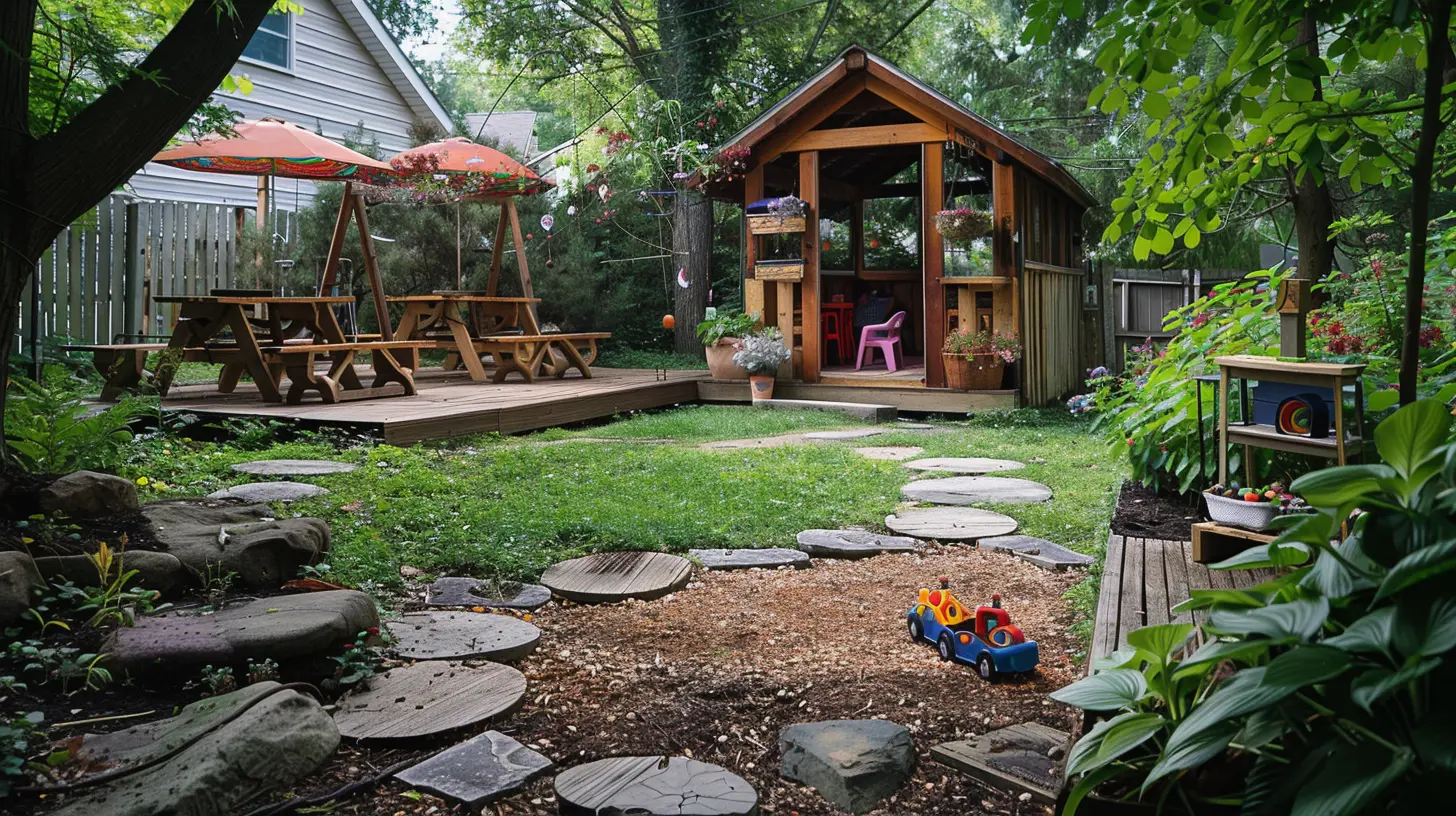
Why an Outdoor Learning Space Matters
Before we get into the nitty-gritty, let’s talk about why this is even worth doing.Kids thrive outdoors. Imagine your child practicing math by measuring leaves or writing stories inspired by the shapes in the clouds. Studies show that outdoor learning boosts creativity, reduces stress, sharpens focus, and improves physical health. That’s a win-win-win… and win.
Plus, it gives you — the parent-teacher-superhero — a change of scenery, which is always nice.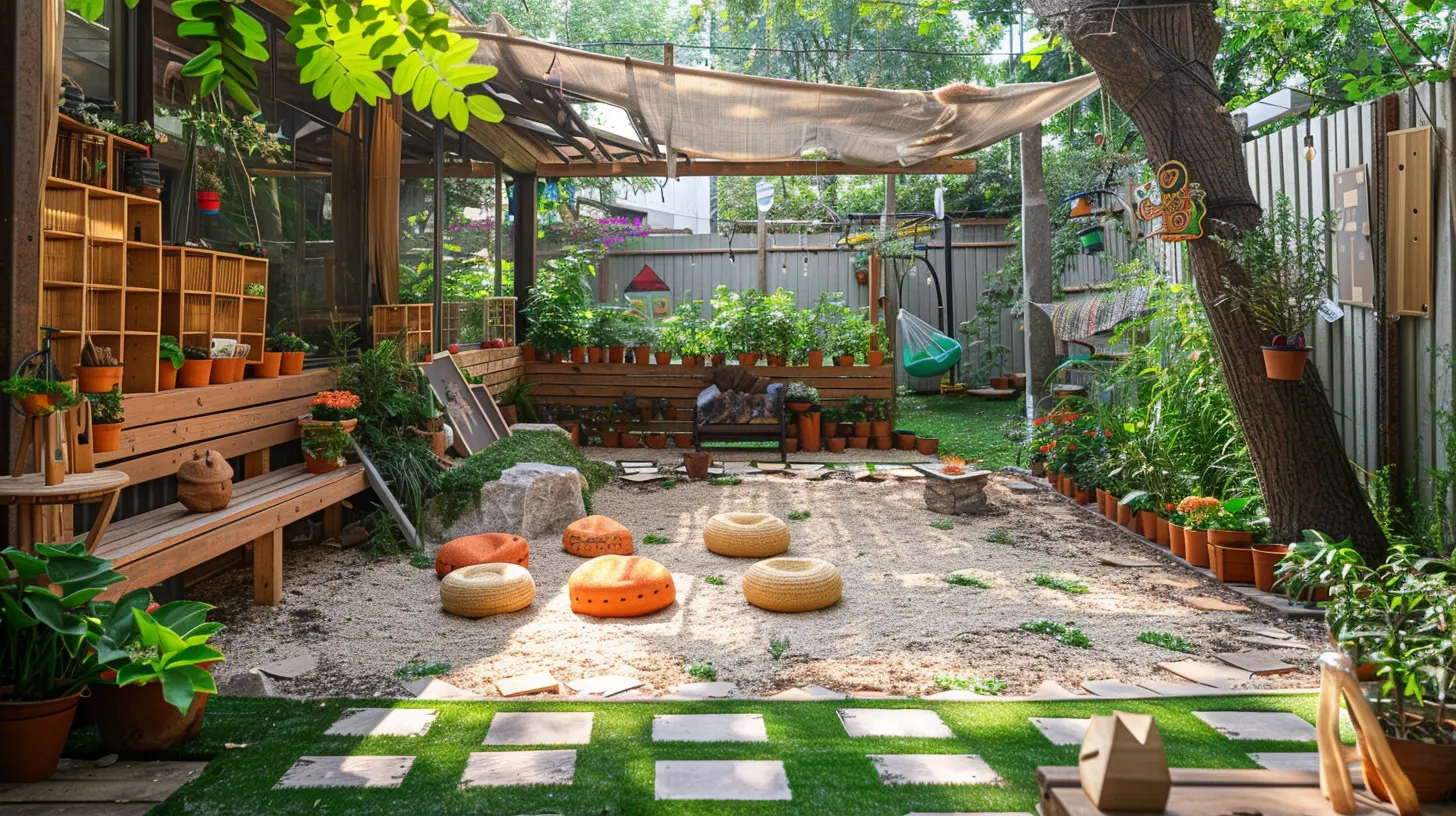
Step 1: Choose the Right Spot
First things first, scout your backyard.Look for a space that gets a good mix of sun and shade (because nobody wants a sunburn by lesson two). Think about your child’s personality. Do they like quiet, tucked-away corners or open spaces to roam?
Here are a few things to consider:
- Safety: Make sure it’s free of hazards like sharp rocks or thorny plants.
- Visibility: Can you keep an eye on them while you’re making lunch inside?
- Weather: Does it drain well after rain? Could you put up a canopy or umbrella?
Even a little unused corner behind your garage can turn into a child’s wonderland with the right setup.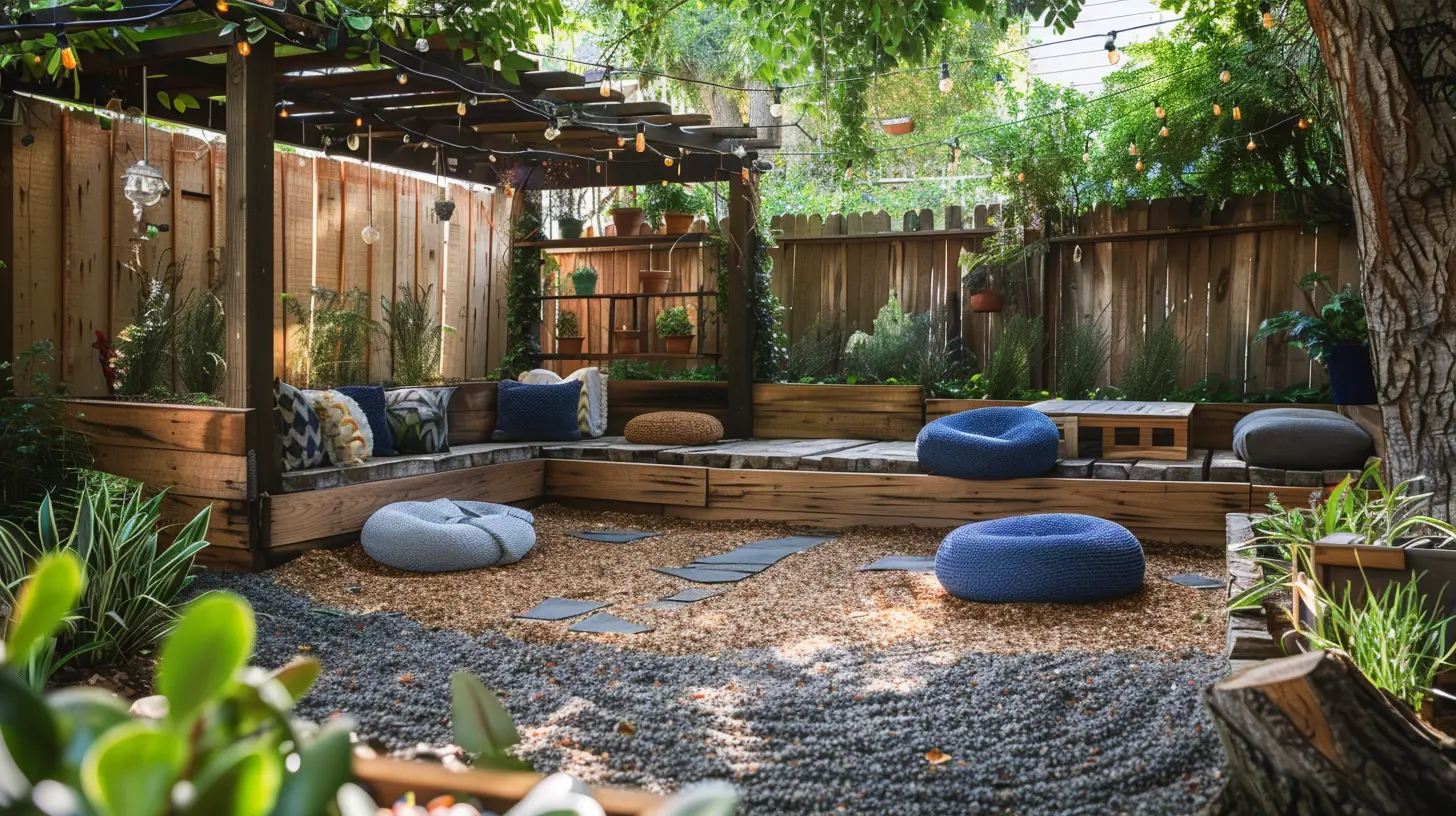
Step 2: Design with Purpose (But Keep It Fun!)
Okay, now it’s time to put on your backyard architect hat. Grab a sketchpad (or go digital if that’s your thing) and start planning. Ask yourself:- What learning activities do we love?
- What materials do we already have?
- What could we build or find secondhand?
Think of your space as little zones—like centers in a classroom, but way cooler.
Examples of Learning Zones:
- Nature Center: Rock, leaf, and bug collections galore.- Reading Nook: A waterproof bean bag under a tree or a hammock, maybe?
- Art Station: Easel + washable paints + mother nature = masterpiece time.
- STEM Area: Think sandboxes, water tables, or small weather stations.
- Imaginative Play Zone: Mud kitchens, fairy gardens, or a simple stage for performing.
Keep it flexible so the space grows alongside your child’s interests.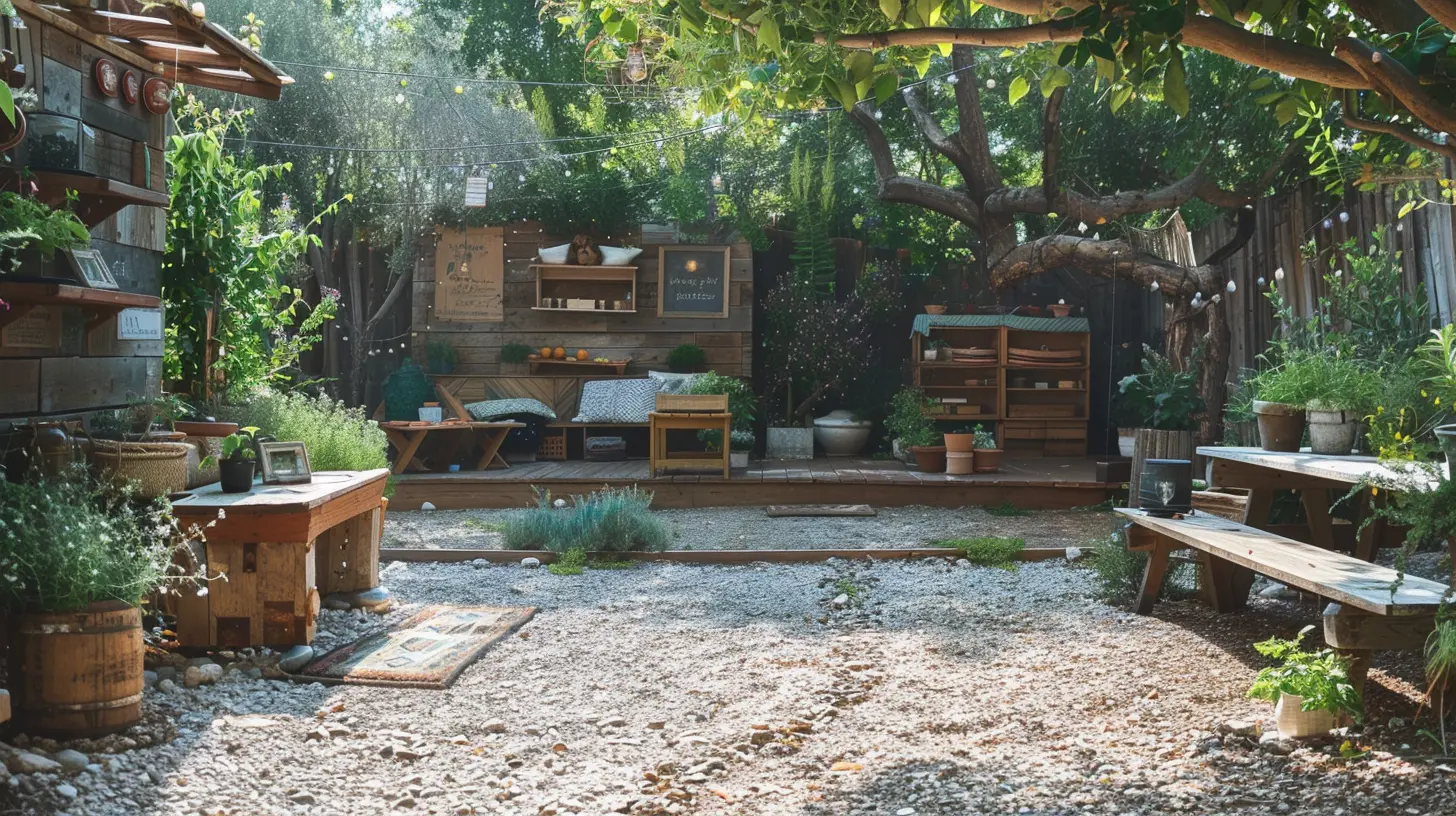
Step 3: Use What You Have (Repurpose Like a Pro)
No need to run to the hardware store — yet.Look around your home for items you can repurpose. Old buckets? Great for sensory bins. Broken furniture? Might be a perfect canvas or DIY chalkboard.
Get the kids involved in finding treasures to turn into tools for learning.
Some repurposing ideas:
- Wooden pallets = garden beds or benches
- Old tires = seating, planters, or climbing stations
- Tin cans = pencil holders or flower pots
- Crates = storage and stacking shelves
Not only does this save money, but it’s a lesson in resourcefulness and sustainability, too.
Step 4: Add Nature Elements
The best thing about the great outdoors? You don’t have to do it all yourself — nature’s already done the heavy lifting!Encourage learning through natural elements. They’re not just pretty… they’re powerful brain-boosters.
Add These Natural Touches:
- Logs: Great for balancing, sitting, or organizing treasure hunts.- Stones: Use them for counting, sorting, or painting into story stones.
- Plants: Grow herbs, vegetables, or flowers — sneak in some science!
- Bird feeders: Attract feathered friends and start an observation log.
Let your kids dig, plant, water, and watch things grow. It teaches responsibility and patience, though those two may not grow as fast as the beans!
Step 5: Create Functional Comfort
Let’s be real — no one wants to sit on wet grass for hours doing math worksheets.Make the space as comfy as it is clever. Think weatherproof cushions, foldable tables, or an upcycled picnic bench. Toss in a few cozy touches like outdoor rugs, fairy lights, and a shade umbrella.
You’re basically making camping feel like class. Or vice versa.
Don’t forget:
- Water access: Hydration is key!
- Bug repellant: Citronella candles or homemade sprays can help.
- Storage: Waterproof bins or garden sheds keep stuff safe and tidy.
Step 6: Make It a Teaching Tool (Without Being a Drill Sergeant)
It’s tempting to turn your backyard classroom into a full-blown curriculum fortress. But pause and remember — the whole idea is to make learning feel natural and fun.Mix spontaneous play with intentional lessons. Let your child take the lead sometimes. You’ll be surprised what they come up with.
Easy Outdoor Activities That Count as Learning:
- Cloud gazing and storytelling (Language Arts)- Building birdhouses (Science + Engineering)
- Scavenger hunts with rhyme clues (Reading + Problem Solving)
- Gardening journals (Writing + Observation)
- Measuring plant growth (Math + Science)
Everything from pouring water to chasing shadows can be a teachable moment. Just stay flexible and follow your kid’s curiosity.
Step 7: Keep It Fresh & Seasonal
One of the biggest perks of outdoor learning? It changes with the seasons! Pumpkins in the fall, snow experiments in the winter, bug hunts come spring, and sun-powered art in the summer.Switch things up:
- Autumn: Leaf rubbings, apple taste tests, building bird feeders.
- Winter: Snow painting, ice melting races, measuring icicles.
- Spring: Flower dissection, rain gauge tracking, worm watching.
- Summer: Nature journals, seed sprouting, water play + evaporation lessons.
Rotate books, update the scavenger list, and add new challenges to keep it exciting.
Step 8: Add a Little Magic
Want your child to truly fall in love with the space? Add a dash of fairy dust — metaphorically, of course.Personalize the area with signs, names, and symbols. Maybe create a “Backyard Explorers Club” with members-only badges or a secret code. Kids eat that stuff up.
You can also:
- Hang chimes for a calming soundscape.
- Add a fairy or gnome garden.
- Create a “thinking rock” where they sit and daydream.
- Make a time capsule to bury and dig up later.
The more ownership they feel over the space, the more they’ll use it (without you needing to beg).
Step 9: Involve the Whole Family
This doesn’t have to be a solo gig. Make it a family project.Older siblings can help design, paint, and plan. Parents — yes, you — can learn right alongside your kids. You might find yourself Googling “types of clouds” or “how to make compost” at 10 PM. Welcome to the club.
Even the family pet can be a part. A chill dog lying in the reading nook? Pure vibe.
Make it a lifestyle, not just a classroom, and your backyard will become the heartbeat of your family’s curiosity.
Final Thoughts: Embrace the Mess, Celebrate the Magic
Here’s the honest truth: it won’t always be Pinterest-perfect. There will be dirt under fingernails, lessons that go off course, and maybe a few bug bites.But there will also be laughter, wonder, and new memories made in every corner of your backyard.
So grab your shovel, your child’s favorite books, and a snack or two. Let nature do what it does best — inspire, teach, and delight.
Remember: you don’t need a fancy degree or a giant space to raise curious, confident learners. Just your backyard, a bit of intention, and a whole lot of heart.
all images in this post were generated using AI tools
Category:
Outdoor ActivitiesAuthor:

Zelda Gill
Discussion
rate this article
2 comments
Kova Martinez
Creating an outdoor learning space is a fantastic way to foster curiosity and hands-on exploration in children. Incorporate elements like a small garden, sensory paths, and creative art stations to stimulate their senses. Utilizing natural materials and providing varied activities can enhance learning while encouraging a love for nature and outdoor play.
March 7, 2026 at 5:23 PM
Zelda Gill
Thank you! I completely agree—integrating gardens, sensory paths, and creative stations truly enriches outdoor learning experiences and nurtures a love for nature in children.
Astra McQuiston
Great article! Creating an outdoor learning space is a fantastic way to engage kids with nature while fostering curiosity and creativity. Thank you for sharing these helpful tips!
February 4, 2026 at 4:58 AM
Zelda Gill
Thank you so much for your kind words! I'm glad you found the tips helpful. Happy gardening!