Encouraging Bystanders to Speak Up Against Bullying
20 January 2026
Bullying is a problem that can leave deep emotional scars, not just for the victims but for everyone involved. While much of the focus is on the bully and the target, there's another crucial player in this scenario—the bystander. These are the kids who see bullying happening but may not know how to respond.
Encouraging bystanders to speak up against bullying can make all the difference. It shifts the power dynamic and helps create a culture of kindness and accountability. But how do we teach our kids to be brave enough to step in when they witness bullying? Let’s dive into the why, the how, and the impact of speaking up. 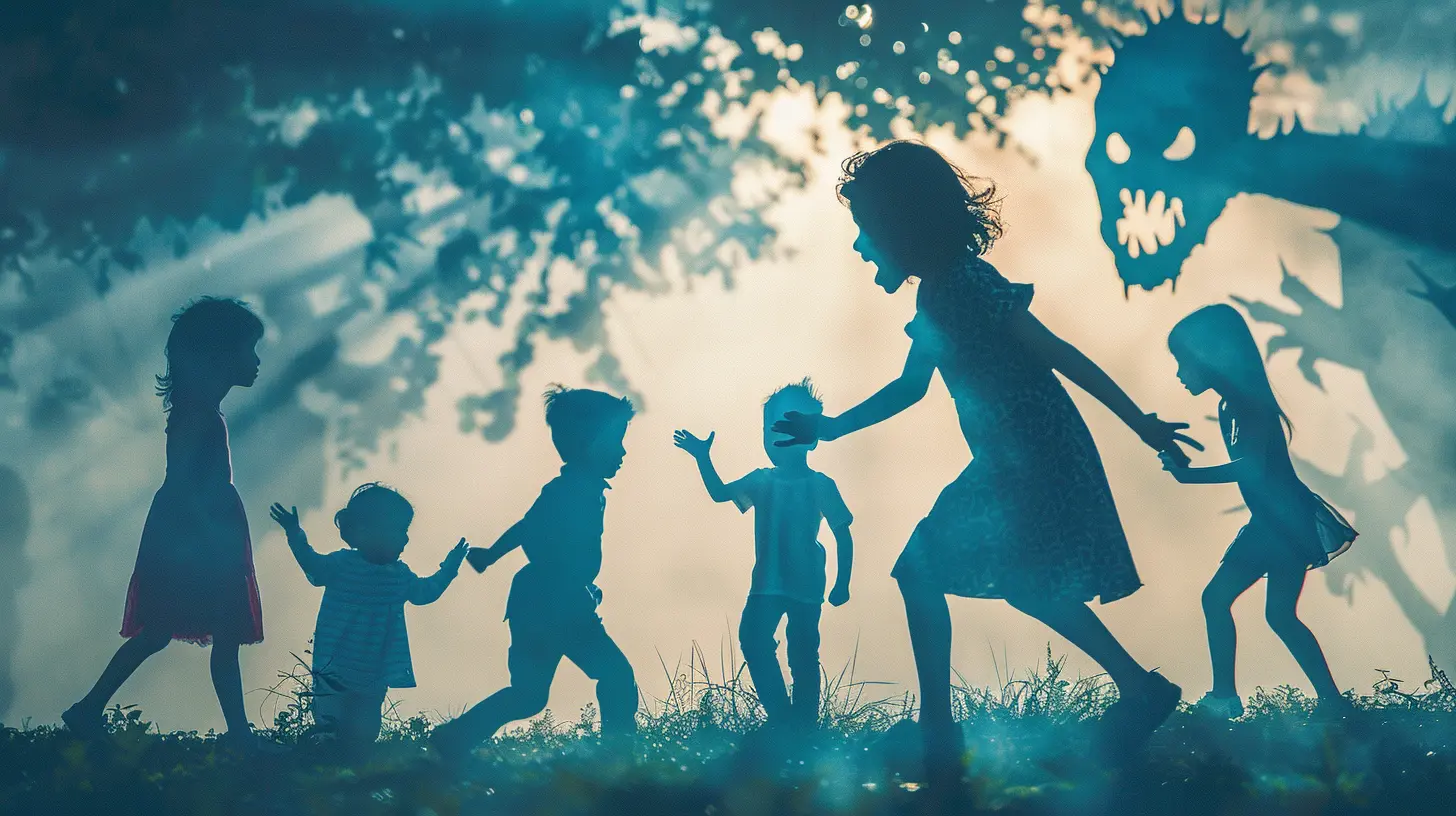
Why Bystanders Play a Crucial Role
Bystanders are often the silent majority in bullying situations. They see what's happening but might stay quiet due to fear of retaliation, peer pressure, or simply not knowing what to do. However, when bystanders speak up, bullying is more likely to stop—sometimes within seconds!Children and teens look to their peers for social cues. If just one person stands up and says, “That’s not okay,” others may follow. This ripple effect can help make bullying socially unacceptable, reducing how often it happens. 
Why Do Bystanders Stay Silent?
Before we talk about how to encourage bystanders to speak up, it’s important to understand why they often don’t. Here are some common reasons:1. Fear of Becoming a Target
Kids worry that if they step in, the bully will turn on them next. This fear is completely natural, but it can be managed with the right strategies.2. Thinking It’s Not Their Business
Some kids believe that if they’re not directly involved, it’s not their place to step in. But standing by and doing nothing can actually make the bullying worse.3. Not Knowing What to Do
Many bystanders freeze up because they simply don’t know what action to take. Should they confront the bully? Comfort the victim? Tell a teacher? Without guidance, they may choose silence.4. Peer Pressure
If the bully is popular or well-liked, speaking up might feel like social suicide. Kids don’t want to risk their social standing, so they stay quiet.5. Thinking Someone Else Will Handle It
The “bystander effect” is a psychological phenomenon where people assume someone else will take action. This is why being intentional about teaching kids to step up is so important.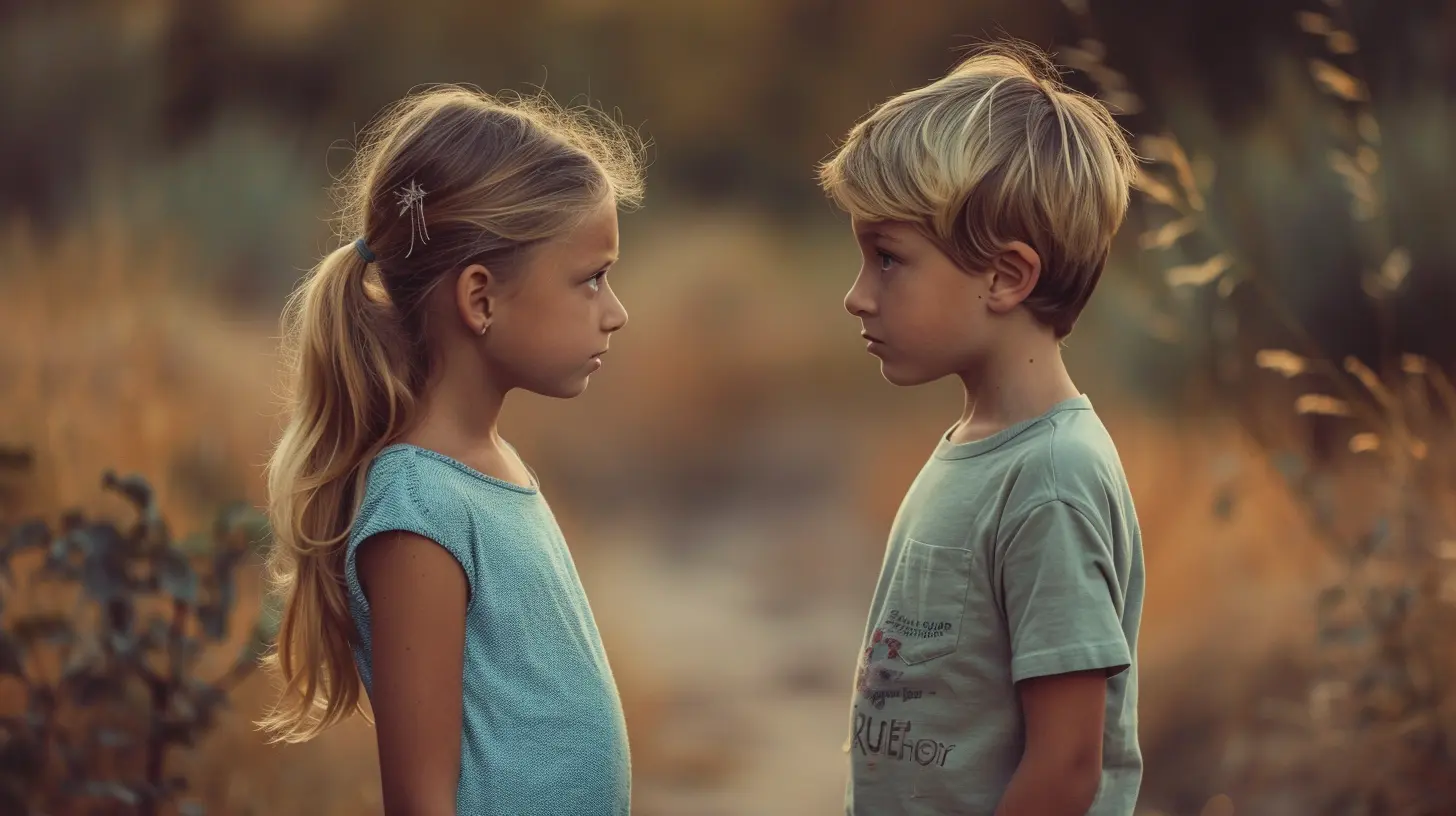
How to Empower Kids to Speak Up Against Bullying
Now that we know why kids hesitate to act, let’s explore what we can do to empower them.1. Teach Kids the Power of Their Voice
Let children know that their voice matters. A simple, “Hey, that’s not cool,” or “Leave them alone” can be enough to shift the situation. Sometimes, bullies back down when they realize others are watching and disapprove of their behavior.2. Encourage Strength in Numbers
Speaking up alone can be intimidating, but when a group of kids stands together, it’s much easier. Encourage kids to team up with friends to call out bad behavior or support the person being bullied.3. Give Them Scripts to Use
Not all kids know what to say in the heat of the moment. Providing a few go-to phrases can help:- “That’s not funny.”
- “Stop. That’s bullying.”
- “How would you feel if someone did that to you?”
Having these responses ready can make it easier for kids to step in with confidence.
4. Role-Playing Scenarios
Practice makes perfect! Role-playing different bullying situations at home or in school can help kids prepare for real-life situations. The more they practice, the more natural it will feel to speak up when the time comes.5. Reinforce That Telling Is Not Tattling
Kids sometimes confuse telling an adult with tattling. Teach them that reporting bullying isn’t about getting someone in trouble—it’s about keeping everyone safe. Help them understand the difference:- Tattling: Trying to get someone in trouble for a minor issue.
- Telling: Reporting something serious to an adult to prevent harm.
6. Encourage Them to Support the Victim
If a child isn’t comfortable confronting a bully directly, they can still help in other ways. They can sit with the bullied student at lunch, include them in activities, or offer a kind word. These small acts of kindness can make a world of difference.7. Set the Example as Parents and Educators
Children learn by watching adults. If they see parents, teachers, and community members standing up for what’s right, they’ll be more likely to do the same. Encourage open discussions about bullying at home and model the kind of behavior you want them to adopt.8. Use Books, Movies, and Stories to Teach Empathy
Storytelling is a powerful tool. Books and movies that highlight bullying and the power of bystanders can help kids see how their actions matter. Some great choices include:- Wonder by R.J. Palacio
- The Juice Box Bully by Bob Sornson & Maria Dismondy
- Each Kindness by Jacqueline Woodson

The Lasting Impact of Speaking Up
When kids learn to stand up against bullying, they gain confidence, empathy, and leadership skills. More importantly, they help create a culture where kindness is valued, and bullying is not tolerated.Even if a child only speaks up once, it can have lasting effects. The bullied child feels supported, the bully realizes their actions aren’t acceptable, and other bystanders see that they have the power to make a difference.
Remember, speaking up doesn’t always mean direct confrontation. A supportive look, a kind word, or reporting the situation to an adult can all contribute to stopping bullying in its tracks.
Final Thoughts
Teaching kids to speak up against bullying isn’t just about stopping harmful behavior in the moment—it’s about shaping compassionate, courageous individuals who stand up for what’s right. By educating and empowering our children, we can help create a world where bullying has no place.So, the next time your child witnesses bullying, will they have the confidence to step up? With the right guidance and encouragement, the answer can be a resounding YES.
all images in this post were generated using AI tools
Category:
Dealing With BullyingAuthor:
Zelda Gill
Discussion
rate this article
2 comments
Quorra Tucker
Thank you for this insightful article! Empowering bystanders is crucial in fostering a supportive environment for our children. Keep spreading awareness!
February 18, 2026 at 4:13 PM
Zelda Gill
Thank you for your kind words! I completely agree—empowering bystanders is essential in creating a safer environment for our children. Together, we can make a difference!
Cerys Reynolds
What a vital topic! Empowering bystanders to speak up can create a safer environment for our kids. Let’s foster open conversations and teach them the importance of standing together against bullying. Together, we can make a difference!
January 22, 2026 at 5:53 AM
Zelda Gill
Thank you for your insightful comment! Empowering bystanders is indeed crucial in fostering a safer environment for our children. Together, we can drive positive change!