Teaching Gratitude and Mindfulness to Your Kids
7 February 2026
In today’s fast-paced, tech-heavy world, teaching gratitude and mindfulness to your kids isn't just a good idea — it's essential. If you’re like most parents, you’ve probably spent a fair amount of time wondering how to raise grounded, kind, emotionally intelligent children in a world that often feels... well, chaotic.
The truth is, kids aren't born with a built-in appreciation for the world around them or a natural ability to pause and reflect before reacting. These are skills they learn — just like tying their shoelaces or riding a bike. With a bit of intention and a dash of creativity, you can help your child develop these powerful life tools early on.
Let’s break down how to cultivate gratitude and mindfulness in your children — in ways that actually stick.
Why Gratitude and Mindfulness Matter
So, why are we talking about gratitude and mindfulness like they’re parenting gold?Because they are.
Gratitude helps kids notice and appreciate the good stuff in their lives. It’s much more than just saying "thank you.” It’s about cultivating a mindset that focuses on abundance instead of lack. It shapes how kids handle disappointment, interact with others, and view the world.
Mindfulness, on the other hand, is like the secret sauce of emotional intelligence. It teaches kids to slow down, check in with their feelings, and respond thoughtfully rather than react on autopilot. Think fewer tantrums, better sleep, improved focus, and less anxiety.
When used together? Gratitude and mindfulness are a powerful combo — like peanut butter and jelly for emotional wellbeing.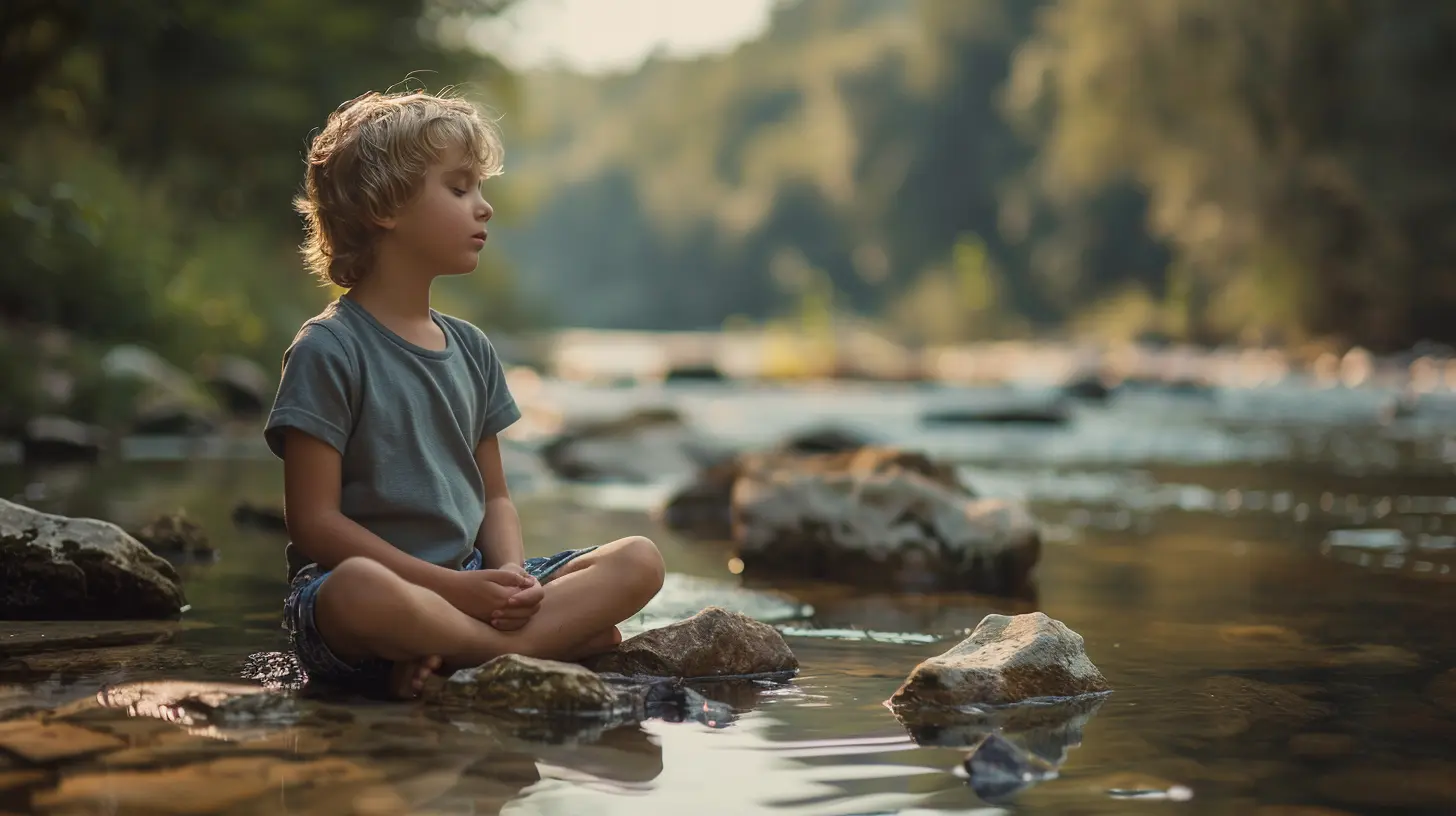
What Does Gratitude Look Like for Kids?
Gratitude for a child doesn’t always look like it does for adults. Sure, your five-year-old might not write heartfelt thank-you notes (yet), but that doesn't mean they’re not capable of feeling gratitude.It starts small: noticing the warm sun on their face, getting excited about a hug from grandma, or being thankful for time with their favorite toy. It’s those little moments that lay the foundation.
Helping kids articulate and reflect on these moments is where the magic happens. But it takes practice, and like most things, it starts with you — the parent.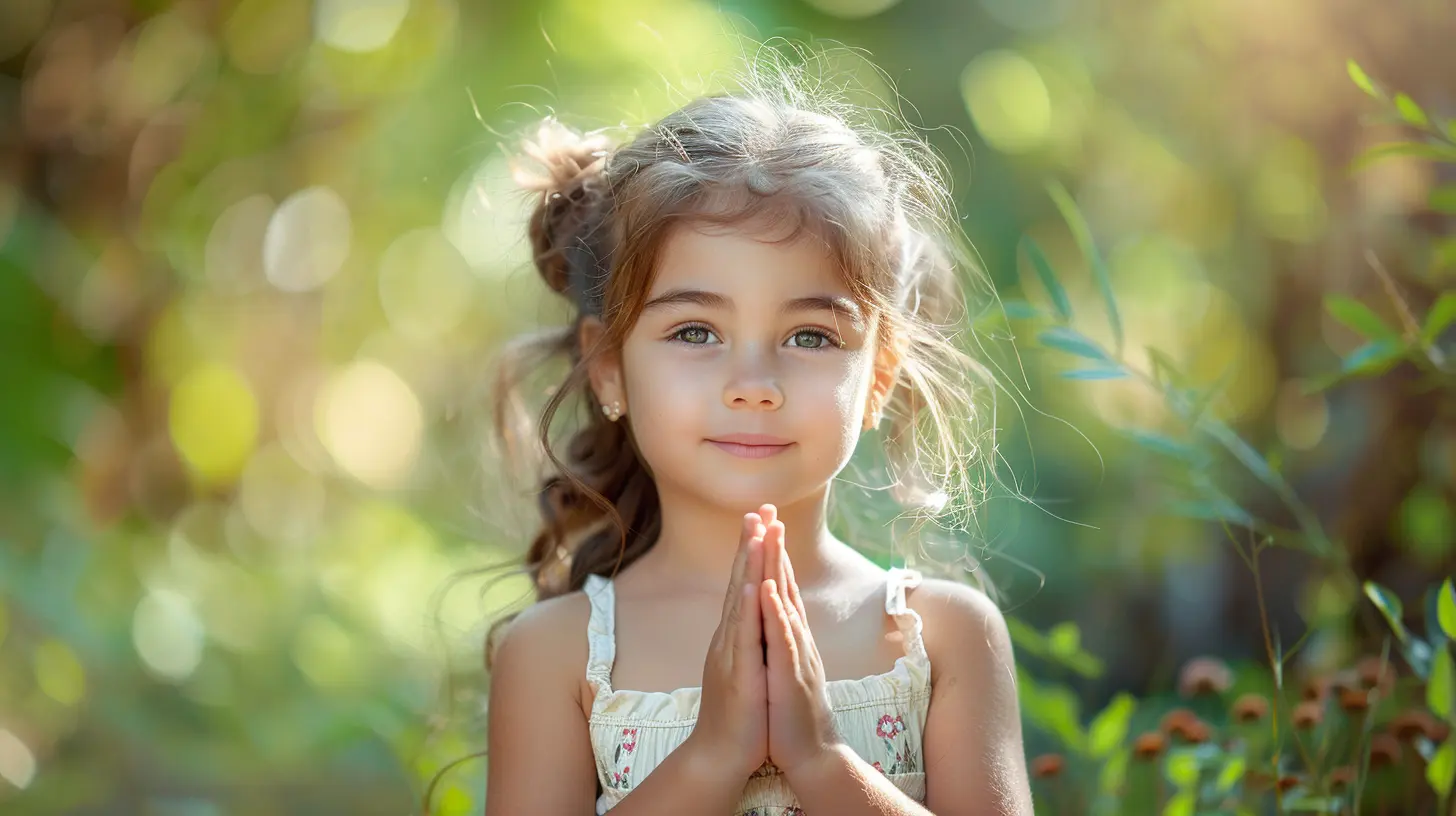
The Role of Parents in Cultivating Gratitude and Mindfulness
Kids are sponges. They soak up everything — especially from you.If we want our kids to be grateful and mindful, we’ve got to model it ourselves. That means taking moments to slow down and genuinely express appreciation for the little things. Say it out loud. Show them what it looks like to pause and take a breath when you're overwhelmed.
You don’t need to be a Zen master. Just be real. Even saying, “Wow, I’m really thankful we got to eat dinner together tonight,” or “I’m feeling a bit cranky, so I’m going to take a few deep breaths,” goes a long way.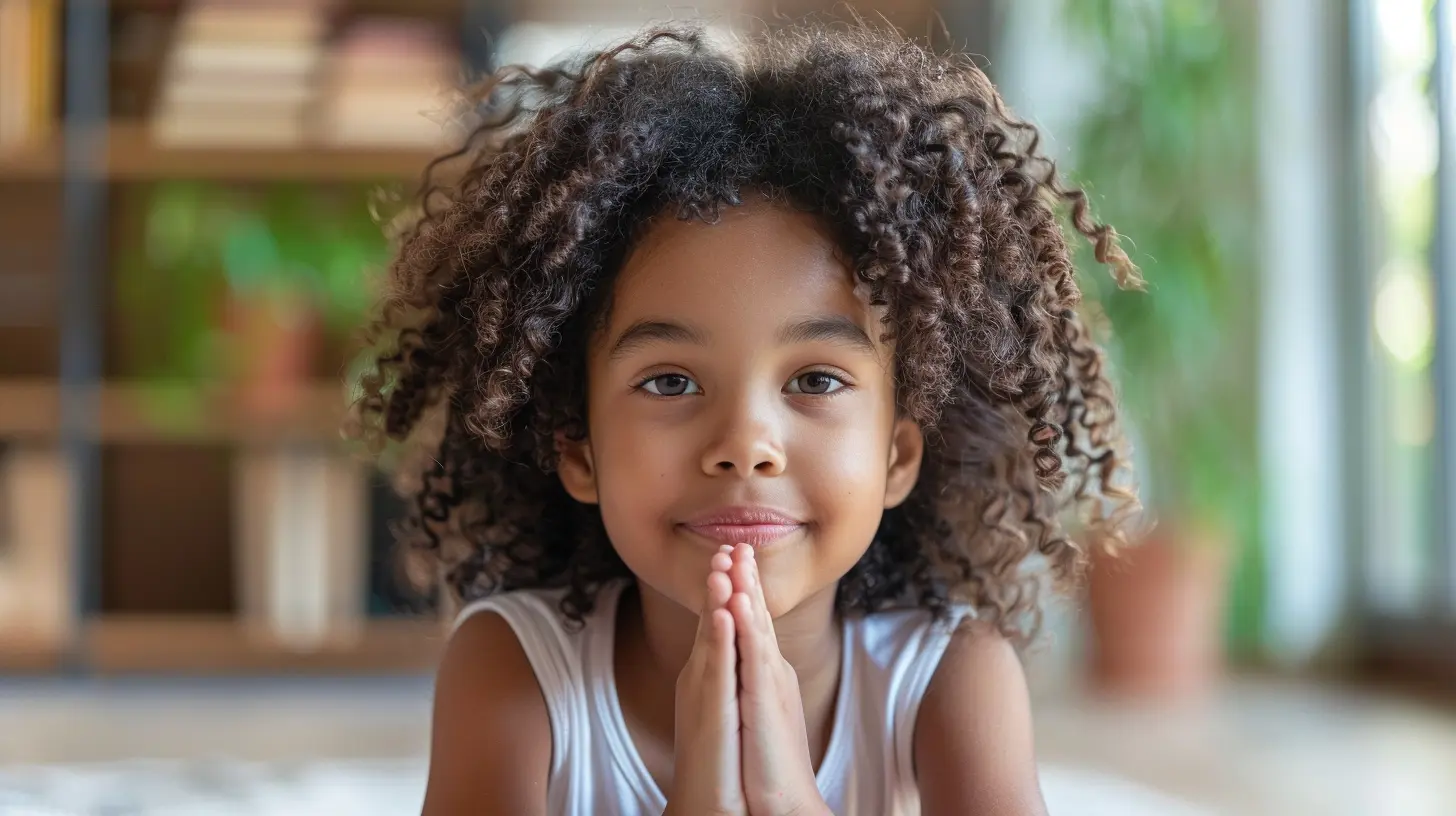
Practical Ways to Teach Gratitude to Your Kids
Ready to roll up your sleeves? Here are some simple and fun ways to teach gratitude at home:1. Gratitude Journals (Even for Toddlers!)
Don’t worry, we’re not expecting your three-year-old to keep a diary. But you can start a family gratitude journal where each member shares one thing they’re grateful for every day. For younger kids, draw pictures. For older ones, write it out.Consistency is key. Make it part of your bedtime routine or mealtime conversation.
2. “Thank You” Rituals
Make “thank you” more than just good manners. Before meals, you can go around the table and have everyone say one thing they’re thankful for. Or after playdates, talk about the things they enjoyed and how their friend showed kindness.3. Create Gratitude Art
Kids love crafts. Use that to your advantage. Create a “Gratitude Tree” where leaves hold things your child is thankful for. Or make a “Thankful Jar” where they can drop in notes whenever they feel joy, appreciation, or love.4. Volunteer Together
Want to really show them what gratitude looks like? Get involved in community service. Whether it’s making care packages, collecting items for a shelter, or donating old toys, involving kids in giving helps them understand their own blessings in a deeper way.Mindfulness: Getting Kids to Pause and Pay Attention
Mindfulness doesn’t mean sitting cross-legged in silence for 30 minutes. (Unless your kid is into that — in which case, wow.) It’s simply about being present and aware.Here’s how to sprinkle a bit of mindfulness into your child’s everyday life:
1. Mindful Breathing
Teach your child to “breathe like a dragon” or blow up an imaginary balloon. These kinds of breathing exercises are simple and fun — and they help calm the nervous system.Try “smell the flower, blow out the candle” as a visual guide. This helps kids reset when feelings get big.
2. The Five Senses Game
Want to ground your child quickly? Ask them to name:- 5 things they can see
- 4 things they can touch
- 3 things they can hear
- 2 things they can smell
- 1 thing they can taste
This simple exercise brings their attention right back to the present moment. It’s fantastic during meltdowns — or even just a wild day.
3. Mindfulness Jars
Fill a jar with water, glitter, and glue. When your child shakes it, tell them the glitter represents their thoughts and feelings. As it settles, so does the mind. It’s a beautiful, visual way to teach emotional regulation.4. Mindful Eating
Yes, dinner time can be a learning moment! Encourage your child to slow down, notice the colors of their food, the smell, the taste. Ask: “What does that bite feel like in your mouth?” Not every meal needs to be a meditative experience, but the occasional mindful snack? Totally doable.Combine Gratitude and Mindfulness Like a Pro
Here’s where things get really cool: gratitude and mindfulness naturally feed into each other. When your child is mindful — really present — they begin to notice the good stuff around them. And when they focus on what they’re grateful for, they feel more present.It’s a win-win.
You can create rituals that tie both together, like a nightly “mindful gratitude moment” where you breathe together and think of one happy moment from the day.
Or take a mindful walk and point out beautiful things in nature while talking about what makes your child feel lucky. This simple blend builds emotional awareness and resilience — quietly and powerfully.
Dealing with Resistance (Because It Happens)
Not every kid will jump into gratitude and mindfulness with open arms. Sometimes they’ll roll their eyes. Sometimes they’ll flat-out refuse. That’s okay!Here’s the thing: you’re not looking for perfection. Think of this as planting seeds. Some might not sprout right away, but with enough nurturing, they’ll grow.
If your kid doesn’t want to keep a journal? No problem. Maybe they prefer drawing. If they hate breathing exercises? Try movement-based mindfulness like yoga or a mindful dance party.
Just keep showing up. Keep modelling. They’re watching more than you think.
Long-Term Benefits You Can Look Forward To
Teaching gratitude and mindfulness to your kids isn’t just about making them behave better (although that’s a nice perk).It’s about raising emotionally intelligent, compassionate, and resilient human beings. Studies have shown that children who practice gratitude tend to have higher self-esteem, better relationships, and a more optimistic outlook on life. Mindfulness can improve focus, sleep, emotional regulation, and reduce stress.
These aren’t just feel-good extras — they’re life skills.
By giving your kids the tools to pause, appreciate, and reflect, you’re helping them build a sturdy emotional foundation. One that will carry them through school stress, teenage drama, and into adulthood.
Final Thoughts
Parenting is messy and beautiful and sometimes downright exhausting. But if there’s one gift we can give our children in this whirlwind of a world, it’s the ability to slow down, find the good, and stay grounded.Gratitude and mindfulness aren’t about adding more to your already overloaded parenting plate. It’s about weaving small, meaningful moments into your day. Moments your kids will carry with them long after they’ve grown.
You don’t need to have it all figured out. You just need to start. One breath, one thank-you, one meaningful moment at a time.
all images in this post were generated using AI tools
Category:
Positive ParentingAuthor:

Zelda Gill
Discussion
rate this article
2 comments
Payton Foster
Teaching gratitude and mindfulness to children fosters emotional intelligence and resilience. By incorporating simple practices like daily reflections or mindful breathing exercises, parents can help their kids appreciate the present moment and develop a positive outlook. These skills not only enhance well-being but also strengthen family bonds over time.
March 10, 2026 at 5:27 AM
Zelda Gill
Thank you for highlighting the importance of gratitude and mindfulness! Simple practices like daily reflections and mindful breathing are powerful tools for nurturing emotional intelligence and resilience in children, ultimately enhancing their well-being and family connections.
Lanae Willis
What a fantastic article! 🌟 Teaching gratitude and mindfulness to our kids is such a valuable gift. It not only helps them appreciate the little things in life but also nurtures their emotional well-being. Let’s embrace these practices together and watch our children thrive! 💖✨
February 9, 2026 at 3:48 PM
Zelda Gill
Thanks so much! I completely agree-instilling gratitude and mindfulness in our kids can truly make a positive impact on their lives. Let's keep spreading the joy!