Building Confidence in Kids to Stand Up to Bullies
8 June 2026
Bullying is an unfortunate reality in many children's lives, and as parents, it's heartbreaking to think about our kids being on the receiving end. But here’s the good news—confidence is the key to helping kids stand up to bullies. When children believe in themselves, they become less likely to be seen as easy targets and more likely to assert their boundaries.
So, how can you help your child build that unwavering confidence? Let’s dive into the steps you can take to empower them to stand tall against bullies! 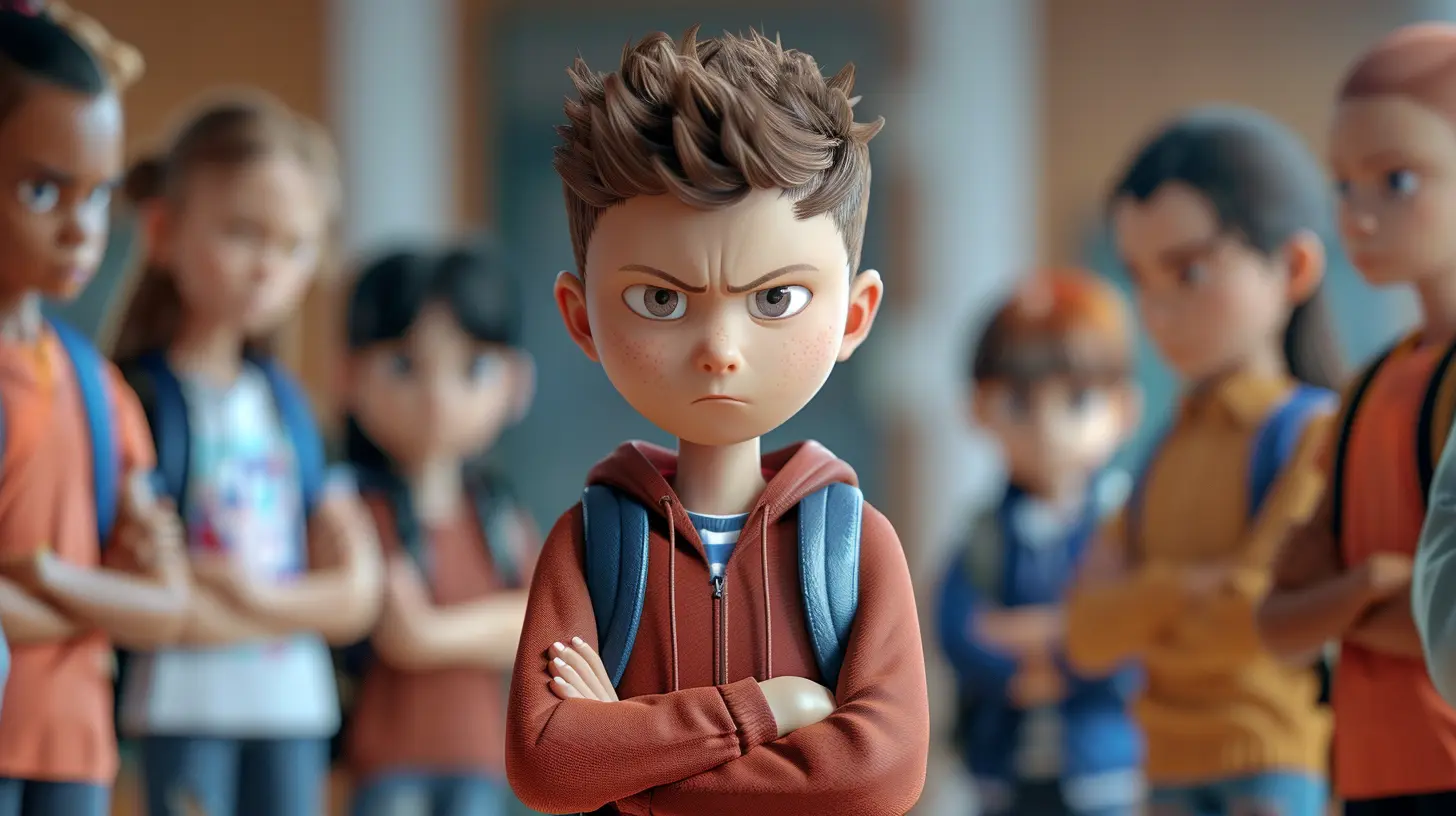
Why Confidence is the Ultimate Anti-Bullying Shield
Bullies often prey on kids who seem hesitant, anxious, or unsure of themselves. A child who exudes confidence sends a clear message: “I won’t be an easy target.”Confidence is like a suit of armor—it doesn't make children immune to bullying, but it makes it harder for bullies to shake them. The stronger their self-belief, the less likely they are to be affected by cruel words or intimidation tactics. 
Signs That Your Child May Be Lacking Confidence
Before we jump into strategies, let's first identify whether your child is struggling with confidence. Here are some signs to watch out for:- Avoiding social situations – Do they shy away from group activities?
- Fear of speaking up – Do they hesitate to express their thoughts or needs?
- Negative self-talk – Do they often say things like “I can’t do this” or “I’m not good enough”?
- Easily influenced by peers – Are they too eager to please, even when it’s not in their best interest?
- Physical signs of anxiety – Do they fidget, avoid eye contact, or appear tense around certain people?
If you recognize these signs, don’t worry! Confidence is something that can be built with time, effort, and the right support. 
1. Encourage Open Communication
The first step in helping your child develop confidence is making sure they feel safe talking to you. If they’re being bullied, they need to know they can come to you without fear of being dismissed or overreacted to.- Ask open-ended questions: “How did things go at school today?”
- Be an active listener—show empathy and understanding.
- Avoid immediately jumping in with solutions. Sometimes, they just need you to listen.
When kids feel heard and understood, they naturally feel more secure and confident in handling challenges. 
2. Teach Them Assertiveness, Not Aggression
Standing up to bullies doesn't mean fighting back or acting aggressively—it’s about being assertive. Teach your child that they have the right to set boundaries and express themselves respectfully.- Practice “I” statements – Instead of saying “You’re mean!”, encourage them to say “I don’t like the way you’re treating me.”
- Use a strong, confident voice – Role-play situations where they practice saying “Stop” or “That’s not okay.”
- Maintain eye contact – Looking someone in the eye while speaking conveys confidence.
Bullies often back off when they see their target isn’t easily intimidated. Teaching your child these skills gives them the power to take control of difficult situations.
3. Help Them Master Body Language
Did you know that over 70% of communication is non-verbal? A confident stance can discourage bullies before words are even exchanged. Here’s how your child can use body language to exude confidence:- Stand up straight with shoulders back.
- Keep their head up—no slouching!
- Use a firm but calm tone of voice.
- Keep their hands relaxed instead of fidgeting.
Practicing these small habits daily can make a significant difference in how they are perceived by peers.
4. Build Their Self-Esteem Through Daily Wins
Confidence isn’t built overnight—it’s strengthened through small victories. Encourage your child to take on new challenges and celebrate their efforts, no matter how small.- Encourage them to try new activities (sports, music, art, etc.).
- Praise their effort, not just results—“I love how hard you worked on that!”
- Let them make decisions—decision-making builds trust in their own abilities.
When kids see themselves succeeding, even in small ways, it reinforces the belief that they can handle challenges.
5. Teach Them to Identify and Manage Their Emotions
Some kids feel overwhelmed when they’re targeted by bullies. Helping them understand and manage their emotions can prevent them from reacting in ways that bullies feed off of.- Teach deep breathing exercises to stay calm.
- Help them name their emotions—“I feel frustrated when someone takes my things.”
- Encourage problem-solving—ask “What would be a good way to handle this?”
The more emotionally aware they are, the less likely they are to feel helpless in tough situations.
6. Surround Them with Positive Influences
Confidence grows when children are surrounded by people who lift them up rather than tear them down. Encourage friendships with kids who are kind and supportive.- Set up playdates with positive peers.
- Involve them in group activities where teamwork is encouraged.
- Limit exposure to toxic influences, whether in person or online.
Having even one or two strong friendships can provide the emotional security kids need to stand up to bullies.
7. Lead by Example – Be a Confident Role Model
Kids learn by watching us. If they see you standing up for yourself, handling conflicts calmly, and embracing confidence in your daily life, they’ll naturally follow suit.- Speak positively about yourself—avoid self-criticizing comments.
- Demonstrate how to handle conflict respectfully.
- Show resilience when facing challenges—“That didn’t work out, but I’ll try again.”
Your actions will leave a lasting impression, shaping their own responses to adversity.
8. Teach Them When to Seek Help
While confidence is powerful, some situations require adult intervention. Make sure your child understands that asking for help is never a sign of weakness.- Teach them to recognize when a situation is escalating.
- Encourage them to talk to a trusted adult if they feel unsafe.
- Reassure them that seeking help is a smart and responsible choice.
Schools often have policies in place to address bullying—make sure your child knows how to access these resources when needed.
9. Use Books and Stories to Reinforce Lessons
Kids relate to stories, and sometimes, a well-told story can make the message stick better than a lecture. Read books that highlight themes of confidence, resilience, and standing up for oneself.Some great books include:
- Stand Tall, Molly Lou Melon by Patty Lovell
- The Juice Box Bully by Bob Sornson and Maria Dismondy
- I Am Enough by Grace Byers
By seeing characters overcome challenges, kids often internalize the lessons without even realizing it.
10. Role-Play Bullying Scenarios
Preparation is key! Practicing different scenarios helps kids feel more prepared if they face a bully in real life.- Act out situations where a bully teases them.
- Let them practice using assertive responses.
- Encourage them to try different approaches to see what feels most comfortable.
The more they practice, the more natural their reactions will be when faced with real-life situations.
Final Thoughts: Confidence is a Lifelong Gift
Raising a confident child isn’t just about helping them deal with bullies—it’s about equipping them with skills they’ll use for life. Whether in school, future workplaces, or personal relationships, confidence will always be a valuable asset.So, start today! Encourage them, believe in them, and remind them that they are strong, capable, and worthy of respect. A confident child isn’t just someone who stands up to bullies—they’re someone who stands tall in every aspect of life.
all images in this post were generated using AI tools
Category:
Dealing With BullyingAuthor:

Zelda Gill
Discussion
rate this article
1 comments
Miriam McGonagle
Thank you for this insightful article. Encouraging our kids to be brave is crucial for their growth.
June 8, 2026 at 4:30 AM
Zelda Gill
Thank you for your kind words! Helping kids be brave is key to building their confidence.