How to Create an Outdoor Adventure Box for Kids
17 December 2025
Have you ever seen your kid’s eyes light up when they find a rock that “might be a dinosaur egg”? Or when they follow a trail of ants like it leads to buried treasure? Yep, that’s the magic of childhood—that wide-eyed wonder for the world just beyond the front door.
Now imagine bottling that magic, or rather… boxing it.
Welcome to the world of outdoor adventure boxes for kids—a hands-on, low-tech, imagination-fueled treasure chest you can make right at home. It’s not just a box; it’s a portal to wild forests, backyard jungles, and sidewalk safaris.
So grab your hiking boots (or slippers, depending on how far your adventure stretches), and let’s build a box that turns screen time into green time.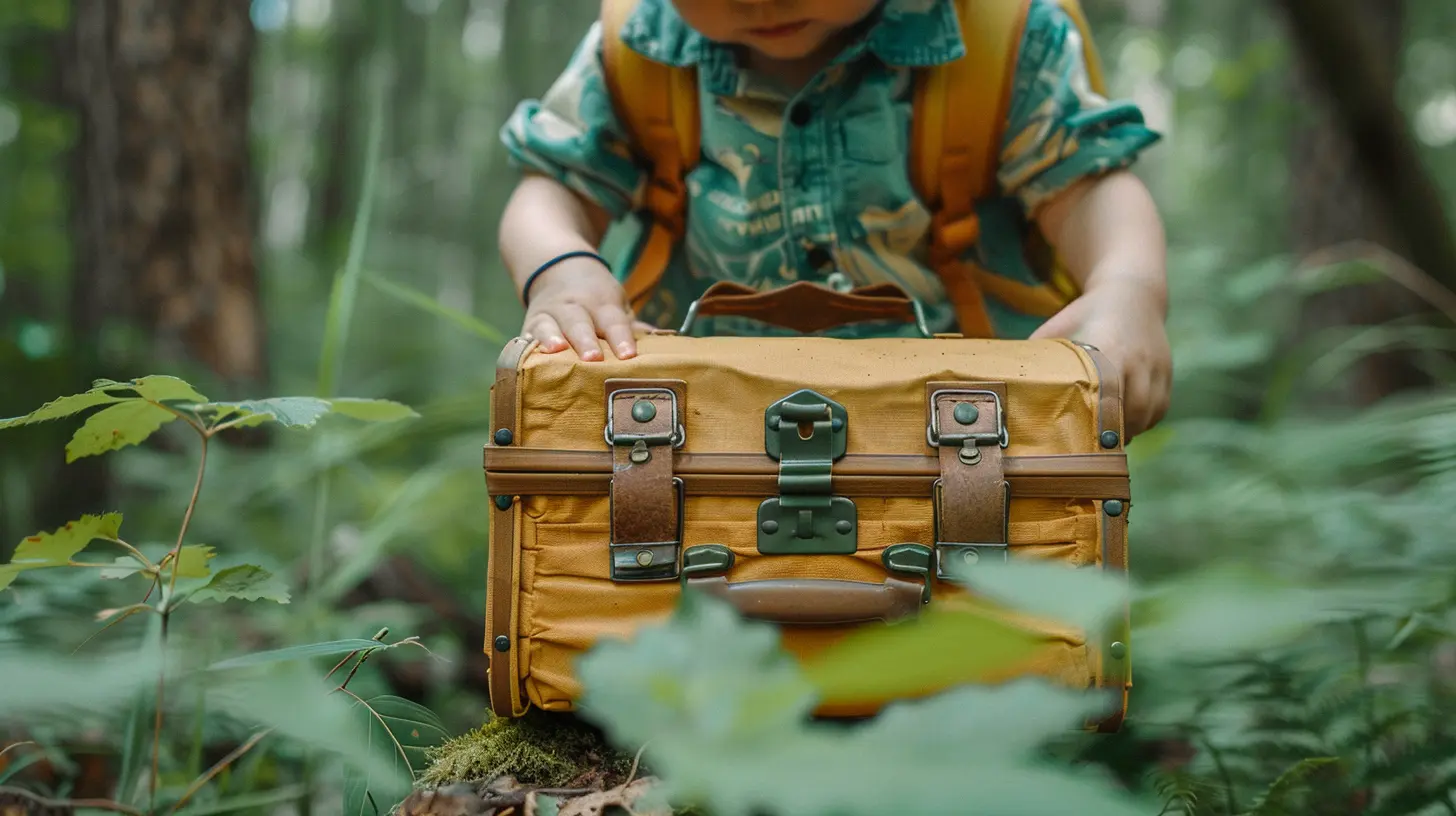
🌿 Why Every Kid Needs an Outdoor Adventure Box
Let’s be honest—screens are sneaky. One minute it’s an educational video, and before you know it, Minecraft has claimed your child like a pixelated siren.That’s where the outdoor adventure box comes in handy. It’s not just a fun project—it’s a tool to encourage curiosity, independence, and connection with the natural world. And the best part? You don’t need a sprawling backyard or a forest nearby. A sidewalk, garden, or local park will do just fine.
It’s like having a Swiss Army knife of learning packed into a humble storage container.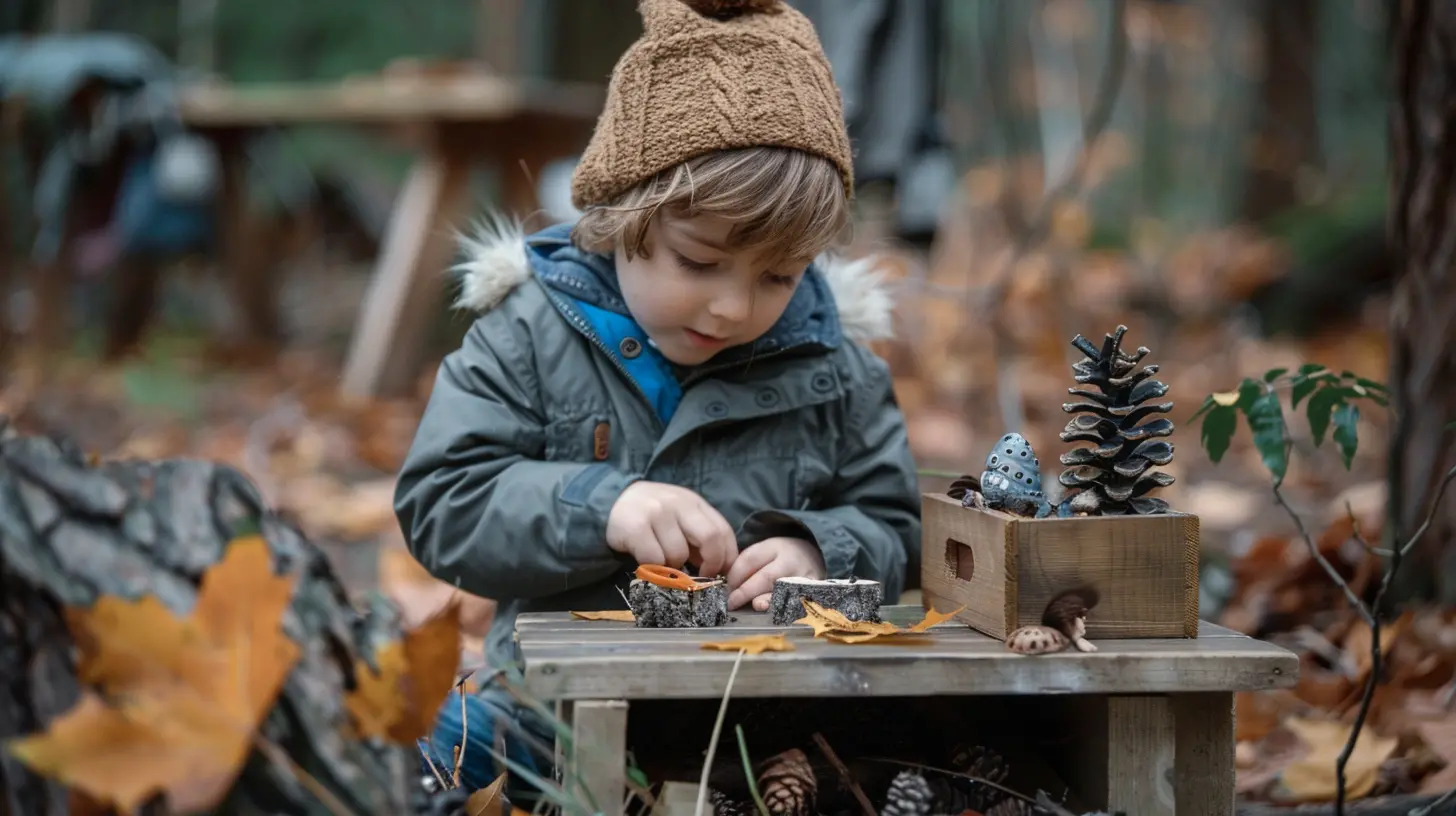
🧰 Choosing the Right Container
Before we dive into what goes inside, let’s talk about the actual box. This will be your kid’s explorer kit, so make it count!What works best?
- A sturdy plastic bin with a latch lid
- A backpack for more mobile adventures
- An upcycled wooden crate (rustic vibes, anyone?)
Make sure it’s weather-resistant if it’ll be stored in the garage or backyard. Better yet, let your child decorate it with stickers, stencils, or a nameplate like “Ellie’s Explorer Kit.”
Pro Tip: Attach a luggage tag with emergency contact info, just in case the adventure goes further than expected.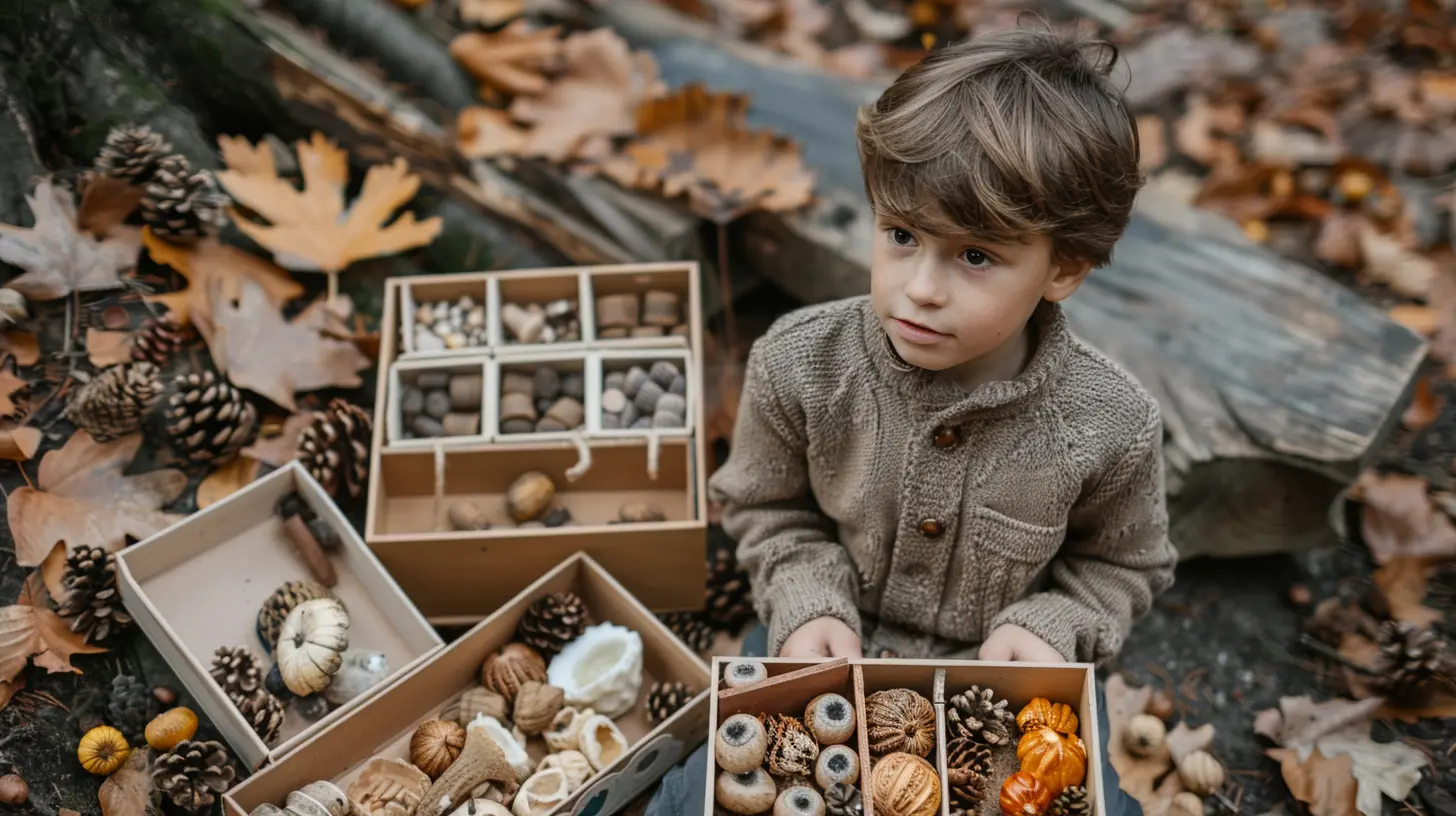
🔎 Must-Have Items for Your Outdoor Adventure Box
Here's the fun part—filling the box!1. Kid-Sized Binoculars
Turn ordinary birds into eagles and squirrels into forest acrobats. Small, lightweight binoculars give kids a new lens through which to see their world—literally.2. Magnifying Glass
Because sometimes the world’s most fascinating stories are told through a bug’s six legs or a leaf’s tiny veins.3. Bug Catcher + Insect Viewer
This one’s a hit. A breathable container with a magnified lid lets kids safely examine their little “guests” before returning them to nature.4. Nature Journal + Colored Pencils
Encourage sketching new plant discoveries, leaf rubbings, or writing about “The Great Worm Chase of Tuesday Afternoon.” Journaling boosts observation skills and encourages mindfulness.5. Compass + Simple Map
Teach basic navigation—it’s both fun and practical. Start with a hand-drawn map of your backyard or local park and let your child “chart the unknown.”6. Field Guides or Flashcards
Kid-friendly guides on birds, bugs, leaves, and animal tracks can turn any walk into a learning safari.7. Small Containers or Sample Jars
For collecting pebbles, interesting soil, acorns, or other “specimens.” (Just be sure to teach respect for nature—take only what’s okay.)8. Garden Gloves + Mini Tools
Tiny trowels and gloves mean your child can dig, plant, or turn over rocks like a true soil scientist.9. Whistle + First Aid Kit
Safety first! A whistle for emergencies and a mini first-aid kit with Band-Aids and antiseptic wipes are must-haves.10. Snack + Water Bottle
Because even the bravest explorers need snack breaks. Granola bars, trail mix, or dried fruit are perfect choices.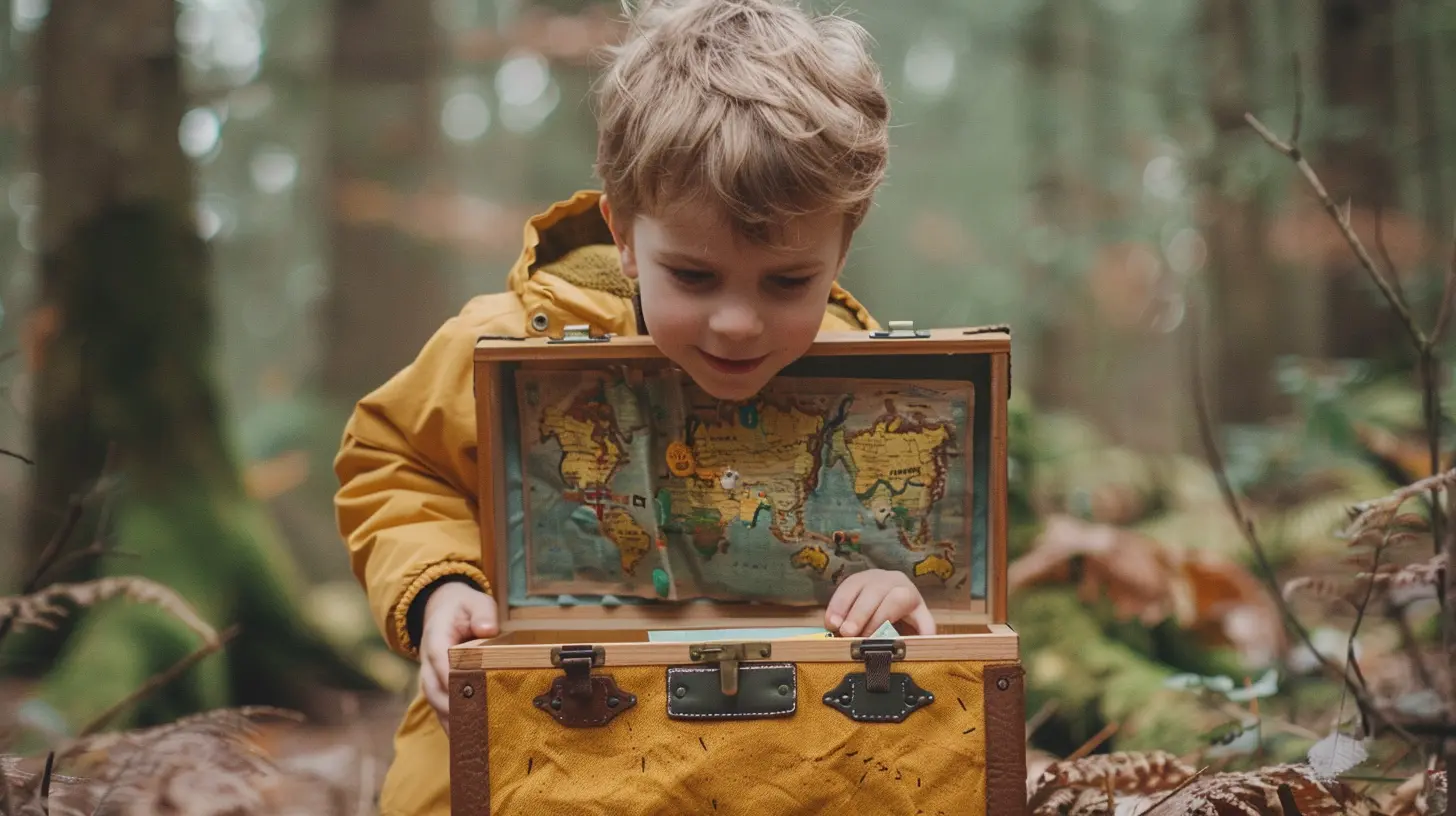
🌤️ Themes and Seasonal Adventures
The beauty of an outdoor adventure box is that it evolves with the seasons. Consider rotating items to match the time of year and keep things fresh and exciting.Spring:
- Add wildflower ID charts- Scavenger hunts for signs of new life (buds, nests, and early bugs)
Summer:
- Include sun hats and bug spray- Night adventures? Toss in a child-safe flashlight for stargazing or firefly chasing
Fall:
- Leaf-collecting bags- DIY leaf-press or crayon rub activities
Winter:
- Thermos of warm cocoa- Snow creature-building tools or printable snowflake ID guides
🧠 Encourage Curiosity With Prompts & Missions
Sometimes, kids need a nudge to dive in.Here are a few fun prompts to get the wheels turning:
- “Find something in your yard that smells amazing, and draw it.”
- “Can you discover something older than you?”
- “If you were a squirrel, where would you hide your food?”
- “Follow a bug and write its travel diary.”
You could also create themed missions like:
- The Great Backyard Bug Census
- The Leaf League (collect and categorize 10 types)
- Trail of Tiny Footprints (track and log small critter prints)
- The Sky Watch Chronicle (logging cloud shapes or bird sightings)
🧒 Make It Their Own – Involve Your Kids in the Creation
This box isn’t just for your kid—it should be made by your kid. When they pick what goes inside, they’re more likely to use it, love it, and take care of it.Let them name the box, decorate it, and even help "stock the shelves." Maybe they want a seashell section or a secret compartment for “super special finds”—go for it.
When kids feel ownership, exploration feels like freedom, not another forced activity.
🛠️ DIY Additions and Crafty Touches
You don’t need to drop big bucks at a nature store. Some of the best tools are DIY.- Egg Carton Collector: Label each slot with colors to find matching items.
- Cardboard Periscope: Great for peeking over logs or behind bushes (and totally fun to build).
- Nature Bingo: Make cards with items to spot—sticks, ants, a butterfly, moss, etc.
These homemade touches add character and encourage creative problem solving.
🌻 Go Beyond the Box: Building a Lifestyle of Outdoor Play
An adventure box isn’t just about the contents—it’s about the mindset it creates.Leave the box by the door. Make it easy to grab and go. Encourage spontaneous outings—“Hey, it’s sunny! Let’s do a five-minute bug hunt!”
Make it part of your routine. Plan weekend walks, backyard picnics, or “night explorer” evenings with flashlights.
And remember—it’s okay if every expedition doesn’t feel “educational.” Let the kids lead. Let them wonder why ants don’t have wings or if squirrels ever get bored. Those questions are seeds of critical thinking.
🌈 Benefits That Go Beyond the Backyard
Still wondering if it’s worth the effort? Look at what this humble little adventure box can do:- Encourages physical activity in fresh air
- Fosters a lifelong love for nature and science
- Builds confidence and independence
- Sparks imagination and storytelling
- Provides a break from screens and structured schedules
- Builds bonding moments for families
It becomes a memory-making machine, right there in your living room—or scruffy backyard.
💬 Final Thoughts: A Box of Magic, Not Just Tools
Creating an outdoor adventure box isn’t about perfection. It’s not about Pinterest-worthy packing or Instagramable gear. It’s about creating a launchpad for wonder.It’s about giving your kid permission to be messy, be curious, and be free.
In the end, the mud on their toes, the burrs in their socks, and the endless stories that start with “remember when…”—those are the true treasures.
So go ahead, build the box. Fill it with possibilities. Let them roam.
Because outside is where the wild things play—and maybe, just maybe, your little explorer is ready to lead the way.
all images in this post were generated using AI tools
Category:
Outdoor ActivitiesAuthor:

Zelda Gill
Discussion
rate this article
2 comments
Maria Thornton
Creating an Outdoor Adventure Box is a fantastic way to inspire creativity and exploration in kids! Include nature tools, art supplies, and scavenger hunt ideas for endless fun.
December 23, 2025 at 4:45 AM
Zelda Gill
Thank you for your wonderful suggestion! Including nature tools and art supplies will definitely enhance the adventure and spark creativity!
Sadie Stone
This is a fantastic idea! Creating an outdoor adventure box not only sparks creativity but also encourages kids to explore and connect with nature. Excited to try this with my little ones—thanks for the inspiration!
December 21, 2025 at 3:50 AM
Zelda Gill
Thank you! I'm so glad you found it inspiring—enjoy your outdoor adventures with your little ones!