How to Help Kids Handle Peer Pressure Without Resorting to Bullying
18 July 2026
Let’s face it—growing up is tough. Kids today are navigating a world full of challenges we never had to face. Between school, social media, and the unspoken rules of friendship, peer pressure has become a major part of their daily lives. And while trying to fit in, some kids might feel tempted to lash out, tease others, or even bully someone just to stay “cool.” So how do we guide our children to make better choices?
In this article, we'll unpack how to help kids handle peer pressure in a healthy, confident way—without ever resorting to bullying. We’ll dive into practical tips, real talk strategies, and parenting wisdom to help your child stay kind, assertive, and true to who they are.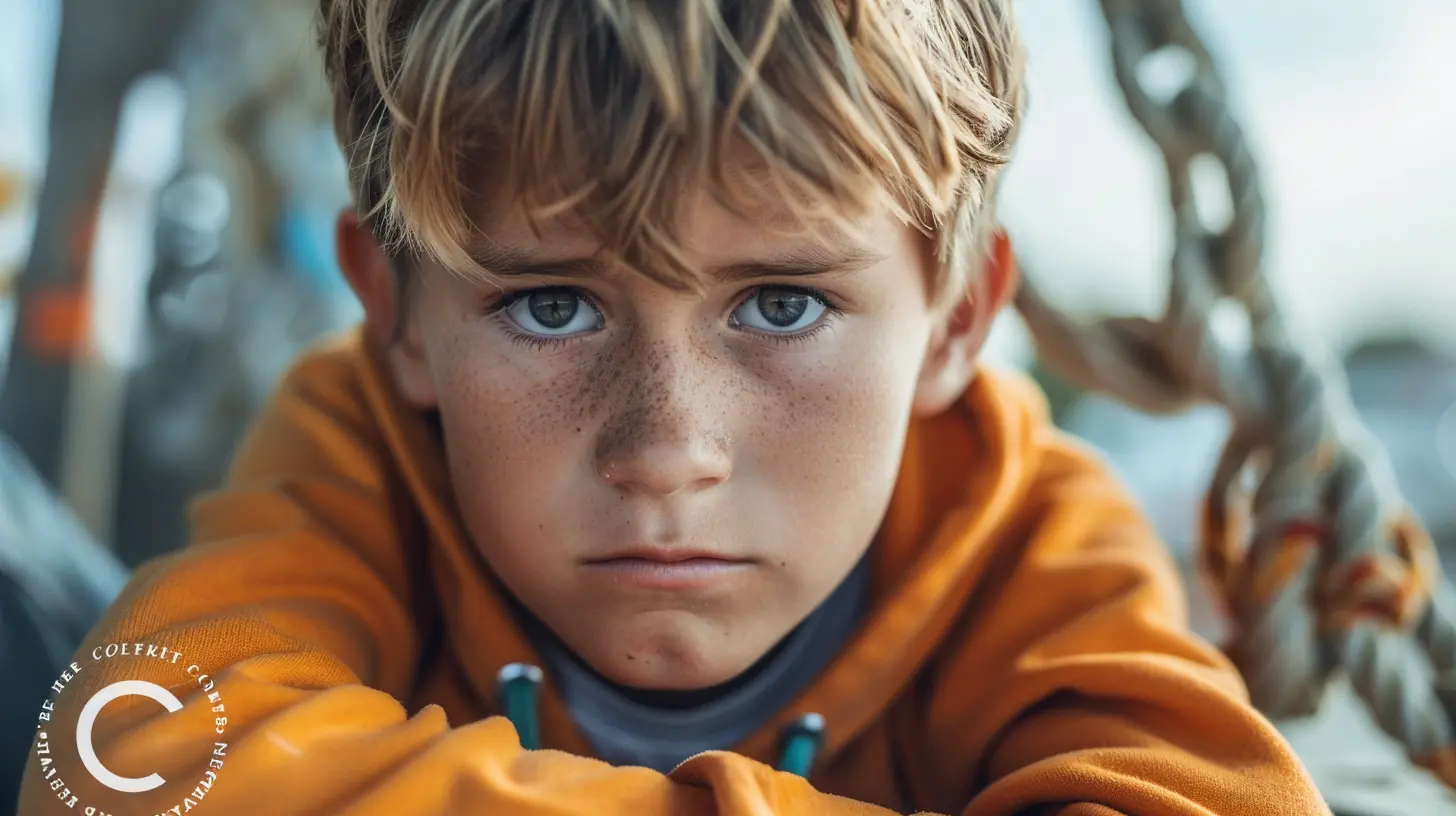
What Is Peer Pressure, Really?
Peer pressure shows up when kids feel the need to change their behavior, appearance, or opinions just to fit in with a group. It could be something as simple as wearing a certain brand of sneakers or as serious as joining in to pick on another child.And here’s the tricky part: peer pressure isn’t always loud or obvious. Often, it's subtle—like a raised eyebrow or an eye-roll from a friend that says “You’re not cool enough.” That quiet pressure can be just as powerful as someone shouting at them to do something.
Kids want to feel like they belong. We all do. But sometimes, they trade kindness for acceptance or compromise their values to avoid being the odd one out.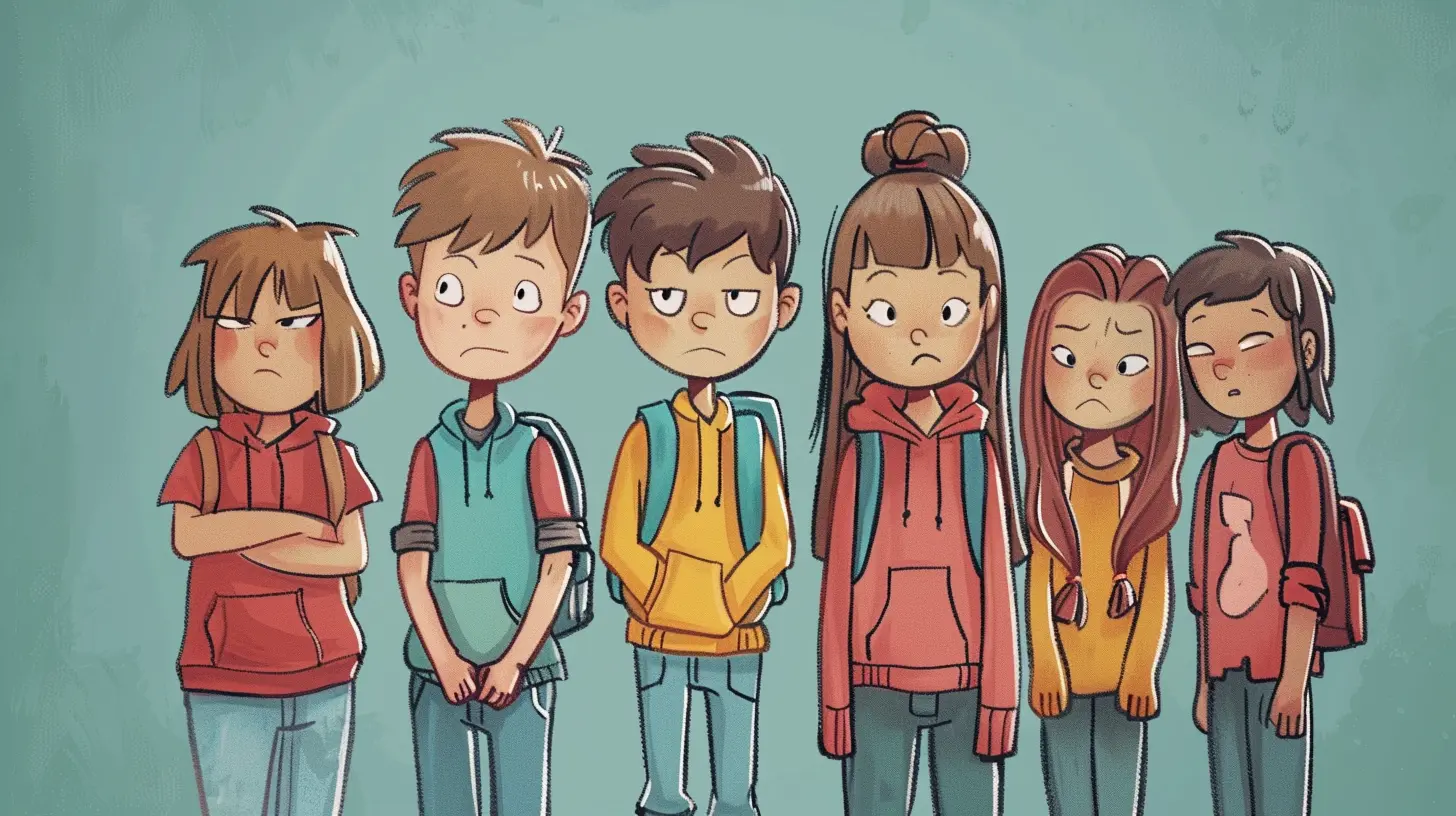
Why Do Some Kids Bully When They’re Under Pressure?
Great question. Think of peer pressure as a spotlight—shining bright, making kids uncomfortable, nervous, or insecure. And when a child doesn’t know how to stand tall under that spotlight, they might try to shift it onto someone else. That’s where bullying often starts.It’s not always out of pure meanness. Sometimes, it’s survival. Kids bully because:
- They’re afraid of being bullied themselves
- They want approval from the “popular” group
- They think being tough earns them respect
- They’re unsure how to say “no” and go along to avoid conflict
It’s a misguided way to cope with pressure. But that’s where we come in. Our job as parents is to help them find better tools.
Start with Empathy: A Superpower for Resisting Peer Pressure
Empathy is like a muscle—it gets stronger the more you use it. When kids understand and genuinely care about how others feel, it's harder for them to hurt someone just to fit in.So how can you build that sense of empathy at home?
- Talk openly about emotions: Ask your child how they’d feel if someone called them names or excluded them. Flip the script and help them walk in someone else’s shoes.
- Use media moments: Watch shows or movies together. Pause and ask, “How do you think that character felt?” or “What would you do in their shoes?”
- Show empathy yourself: Kids learn more from what we do than what we say. Let them see you being gentle, patient, and kind—especially when it’s hard.
Empathy gives kids the courage to stand up for others—even if it means standing out.
Teach Assertiveness Without Aggression
Here’s the thing: being assertive doesn’t mean being loud or bossy. It means expressing your opinions confidently, without hurting others.Kids who are assertive are less likely to fall into bullying traps because they:
- Know how to say “no” without feeling guilty
- Feel comfortable setting boundaries
- Speak up when something feels wrong
You can help your child practice assertiveness through role-playing. Pretend you’re the kid pressuring them, and give them space to say “no” firmly but kindly. Repeat it in different scenarios until it feels natural.
Phrases like:
- "No thanks, I’m not into that."
- "I don’t think that’s okay."
- "Let’s do something else instead."
These give your child a script they can pull out when real-life pressure kicks in.
Build Their Confidence from the Inside Out
When kids are confident, they’re not as easily swayed by peer pressure. Their sense of self is stronger than the urge to blend in.Confidence comes from more than just telling your child “You’re amazing.” It’s built through:
- Letting them face challenges: Give them the space to try, fail, and try again.
- Celebrating effort, not just results: Praise them for working hard, speaking up, or being kind—even if the outcome wasn’t perfect.
- Encouraging their passions: Whether it’s soccer, sketching, or solving puzzles, support what they love. Passion leads to pride, and pride builds confidence.
Remind your child that it’s okay to be different. The world needs unique voices—and theirs matters.
Rehearse Real-Life Scenarios (Yes, Like a School Play)
Kids don’t always know what to say or do in tough situations—and in the heat of the moment, it’s easy to freeze.That’s why role-playing is gold. It gives kids a backstage rehearsal before the curtain goes up in real life. Try acting out scenes like:
- A group of kids teasing someone on the playground
- A friend daring them to break a rule
- A classmate making fun of their outfit
Let your child try different responses. Talk about what felt right and what didn’t. These mini “rehearsals” help your child step into situations with a plan, not panic.
Encourage Friendships with Positive Peers
Kids often become like the people they spend time with. So encourage friendships with kids who lift others up, speak kindly, and make your child feel safe being themselves.It’s not about picking their friends—it’s about guiding them to notice how they feel after hanging out with someone.
Ask questions like:
- "How do you feel when you're with them?"
- "Do they make you laugh? Do they include you?"
- "Would you feel okay speaking up around them?"
When kids surround themselves with positive energy, there's less room for toxic choices or peer pressure to fit into the “mean crowd.”
Model the Behavior You Want to See
Let’s get real for a second. If we want our kids to show kindness under pressure, we have to show them what that looks like. That means staying calm when we're stressed, speaking respectfully about others, and owning up to our own mistakes.If you mess up (we all do), say so. Apologize. Make it right. When you do that, it teaches your kids that being a good person isn’t about being perfect—it’s about being honest and constantly trying to be better.
The way you treat the waiter, talk about neighbors, or handle conflict with a relative? Your kids are watching all of it. And they’re learning more than you think.
Keep the Conversation Open and Ongoing
Talking about peer pressure and bullying shouldn’t be a “one and done” kind of chat. It needs to be part of your regular rhythm.Make it casual. Talk in the car, during dinner, or while folding laundry. Gently ask about their day, their friends, or anything weird that happened at school.
Use phrases like:
- “Did anything today make you feel uncomfortable?”
- “Have you ever felt pressured to do something you didn’t want to do?”
- “What would you do if someone asked you to be mean to another kid?”
When you talk openly, your child knows they can come to you—without fear, shame, or lectures. That’s the kind of trust that turns into real guidance.
Help Them Become Upstanders, Not Bystanders
There’s a huge difference between watching bullying happen and stepping in to stop it.Being an upstander doesn’t mean your child has to play superhero. It simply means they:
- Speak up when they see someone being mistreated
- Stand beside someone who’s being excluded or mocked
- Tell a trusted adult when something isn’t right
Let your child know it’s okay to seek help. They don’t have to fix it alone. But doing something—anything—matters more than staying silent.
Reinforce the Value of True Leadership
Let’s flip the script: instead of worrying about how your child handles peer pressure, teach them how to reverse it.True leaders set the tone. They create trends instead of following them—and that includes kindness, inclusion, and respect.
Challenge your child to:
- Invite the new kid to sit with them
- Compliment someone who seems left out
- Lead a group project with fairness and encouragement
When kids see themselves as leaders, not followers, they begin to shape their environment rather than being shaped by it.
Final Thoughts: Raising Kinder, Stronger Kids
Helping your child handle peer pressure without falling into the bullying trap isn’t a single conversation—it’s a journey. And yes, it can feel overwhelming at times. But remember, you've got more influence than you think.Keep reminding your child (and yourself) that kindness is never weakness. It’s a quiet kind of strength—the kind that makes others feel safe, valued, and respected.
And when our kids learn to stand tall, speak up, and choose kindness, they don’t just survive peer pressure. They rise above it.
all images in this post were generated using AI tools
Category:
Dealing With BullyingAuthor:

Zelda Gill
Discussion
rate this article
1 comments
Desiree Bell
This article offers valuable insights for parents navigating the challenging dynamics of peer pressure. It's encouraging to see focus on empathy and communication, helping kids build resilience while fostering kindness. Every small step counts in shaping a supportive environment.
July 18, 2026 at 4:23 AM
Zelda Gill
Thanks for your thoughtful comment! I'm glad you found the insights helpful. Empathy and communication truly make a difference. Every small step really does count.