Social Morality and the Rise of Shadow Parenting in Cambodia
August 8, 2026 - 03:58

The term "shadow parenting" has been increasingly discussed in education and child development around the world. Yet, in Cambodia, it remains relatively unfamiliar, even as its effects become more visible in daily life. Shadow parenting refers to the indirect but powerful influence parents exert on their children's choices, often through unspoken expectations, subtle pressure, or behind-the-scenes decision-making. It is not about direct orders or visible discipline, but about shaping a child's path without appearing to do so.
In Cambodia, this phenomenon is taking root in a unique cultural context. Traditional values place a strong emphasis on filial piety, family reputation, and collective harmony. Parents often feel a deep moral duty to guide their children toward socially acceptable outcomes, such as stable careers in government, banking, or medicine. However, as the economy grows and exposure to global ideas increases, many young Cambodians are drawn to less conventional paths, like creative arts, tech startups, or social work. This creates a quiet tension. Instead of open conflict, many parents resort to shadow parenting, gently steering their children away from perceived risks while maintaining the appearance of support.
Social morality plays a central role in this dynamic. In a society where "saving face" is crucial, parents may not openly criticize a child's dream, but they will express concern about "what others will think" or "whether this is practical." They might arrange internships in safer fields, introduce their children to influential relatives, or casually mention the struggles of freelancers. These actions are not malicious, but they carry a heavy moral weight, implying that a child who ignores such guidance is being ungrateful or reckless.
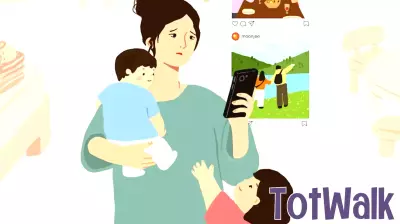
The rise of shadow parenting in Cambodia is also linked to rapid urbanization and the spread of social media. Parents see peers boasting about their children's achievements online, which fuels anxiety about falling behind. In response, they intensify their subtle influence, sometimes without realizing the psychological cost. Young people, in turn, may feel trapped, unable to voice their frustrations because their parents' actions are framed as love and concern.
This quiet shift raises important questions about autonomy and respect in Cambodian families. While shadow parenting may protect children from immediate failures, it can also stifle creativity and self-trust. As the country continues to modernize, finding a balance between honoring tradition and allowing genuine independence will be a key challenge. For now, many families are navigating this new terrain without a clear map, relying on instinct, silence, and the hope that their children will eventually understand.
MORE NEWS

September 21, 2026 - 21:01
Bre Tiesi Says There Is No ‘We’ In Co-Parenting With Nick Cannon’s Other Families: ‘I’m Just Going To Remove Myself’Bre Tiesi is making it clear that her approach to raising her son with Nick Cannon does not extend to the other households he oversees. During a recent episode of the reality series Selling Sunset,...

September 21, 2026 - 01:18
Close Supervision Aids Concussion Recovery in ChildrenA caregiver willing to temporarily micromanage their child`s life is invaluable for healing after a concussion, writes Dr. Teena Shetty. When a child suffers a concussion, the recovery process...

September 20, 2026 - 08:47
The End of Gentle Parenting: Why "Good Enough" Is the New StandardFor years, parents have been told that raising children requires endless patience, constant emotional validation, and a strict avoidance of the word `no.` The gentle parenting movement promised...
September 19, 2026 - 20:20
After 16 years without a social life, I had to rediscover friendship in my 40sA simple dinner with former colleagues became a turning point for one woman who had spent sixteen years without much of a social life. Daphne Ling had devoted herself to raising her children, and...