When Your Child is the Bully: What Parents Need to Know
13 July 2026
Let’s face it—no parent wants to hear that their child is the one causing harm to others. It’s one of those gut-punch moments, right? You get the phone call from school, maybe another parent reaches out, or perhaps your child casually mentions something that sends your heart racing.
As parents, we often picture our kids on the receiving end of bullying, not the one dishing it out. But what if you're told that your child is the bully? That can feel like walking into a dark room and stubbing your toe—you’re confused, hurt, and unsure about what to do next.
So let’s talk about this, honestly and judgment-free. If you’re reading this, chances are you care deeply about raising a kind, respectful human being. And yes, the great news is—it’s absolutely possible to turn things around. Let’s unpack everything you need to know when you're facing this tough parenting challenge.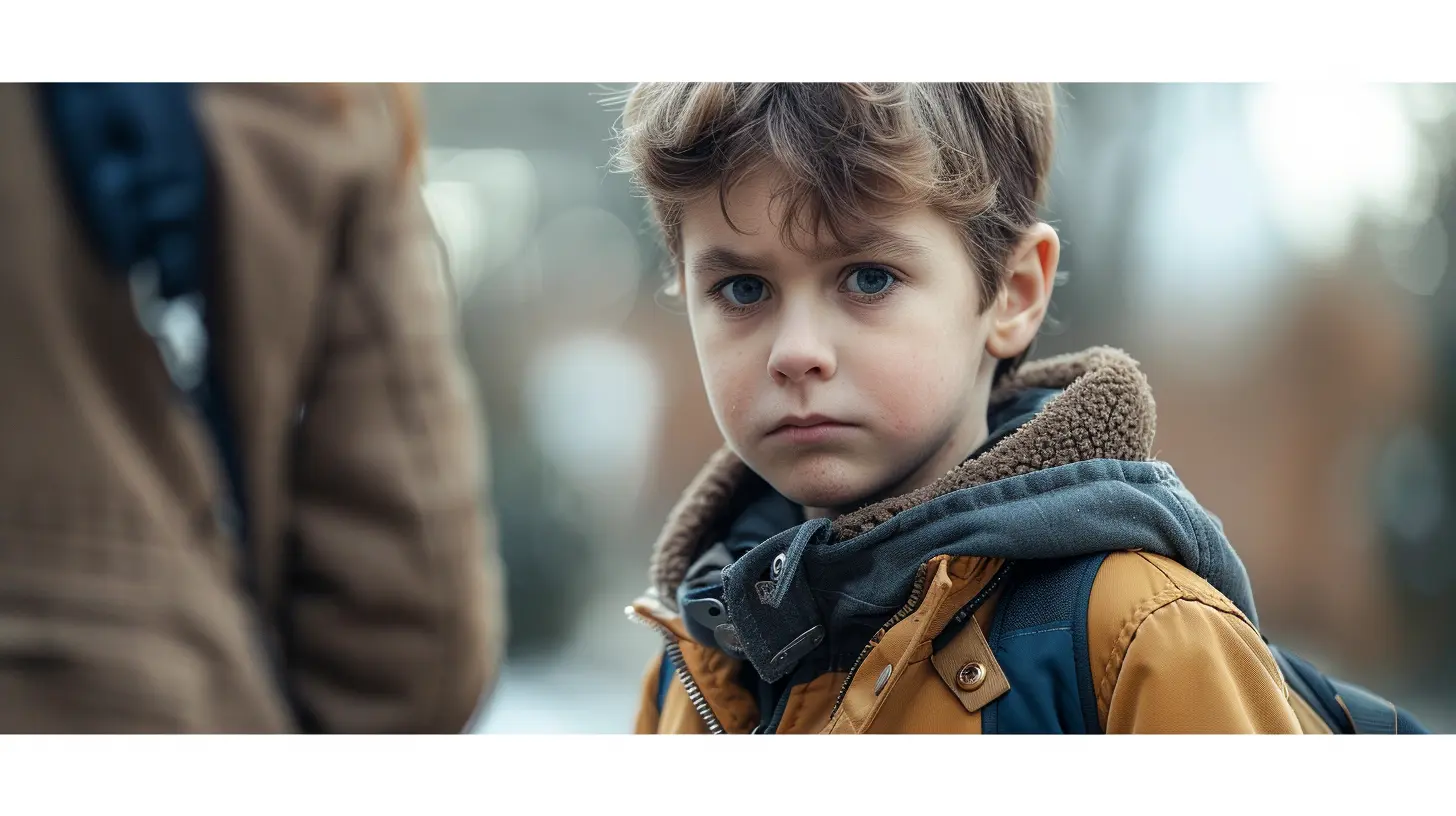
Understanding Bullying: What Does It Actually Look Like?
Before jumping to conclusions or consequences, let’s define what bullying really means. It’s more than just a squabble or a kid being mean once in a while. At its core, bullying involves:- Repeated behavior
- Intent to harm or intimidate
- Power imbalance (physical, social, verbal, or emotional)
It can take many forms, including:
- Physical: Hitting, kicking, pushing
- Verbal: Name-calling, teasing, threats
- Social: Spreading rumors, excluding others
- Cyber: Online harassment, social media attacks
So, not all bad behavior is bullying—but repeated, targeted aggression is. It’s important to recognize the difference before labeling your child.
Why Good Kids Sometimes Bully
Here’s something that might surprise you: even kind, well-raised, good-hearted kids can act like bullies. That doesn’t mean you're failing as a parent. It just means your child is still learning—about empathy, boundaries, and how to handle emotions. Kids bully for many reasons, such as:- Seeking attention or approval (especially from peers)
- Copying behavior they see at home, in media, or from others
- Struggling with their own insecurities or frustrations
- Feeling powerless in some part of life and trying to regain control
- Not understanding the impact of their actions
Does this excuse the behavior? No. But it offers clues as to why it’s happening—and that’s the first step in fixing it.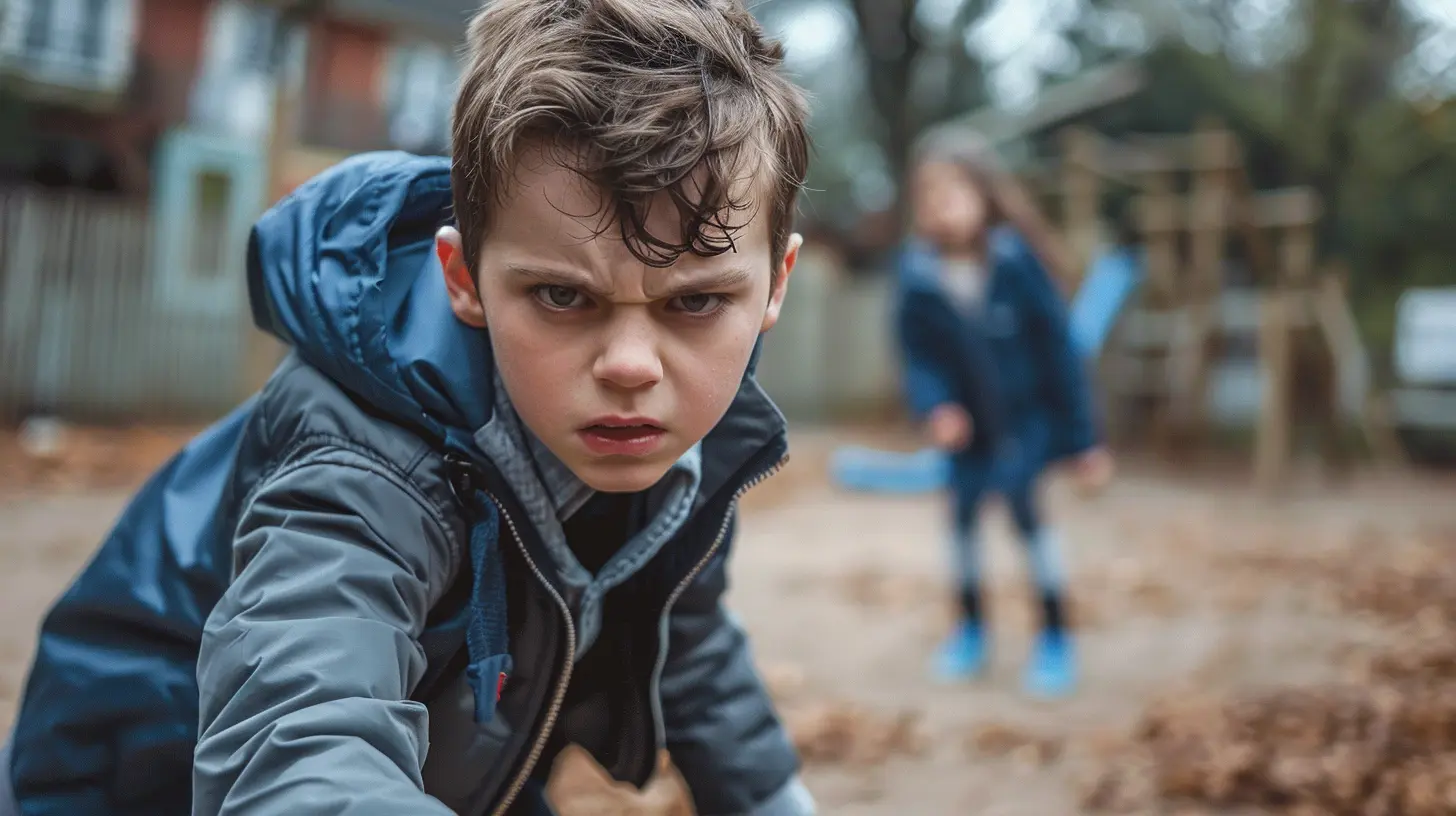
Step 1: Don’t Lose Your Cool
When you first hear that your child is the bully, your instinct might be to snap, punish, or deny it altogether. That’s totally normal—but it’s not going to help the situation. Instead, take a deep breath and remember: this is a learning opportunity for both you and your child.Approach the situation with curiosity, not condemnation. Ask yourself:
- “What triggered this behavior?”
- “What have I modeled or tolerated at home?”
- “How can I help my child grow from this?”
Hold space for the idea that your child can still be a good person and still need help handling certain behaviors.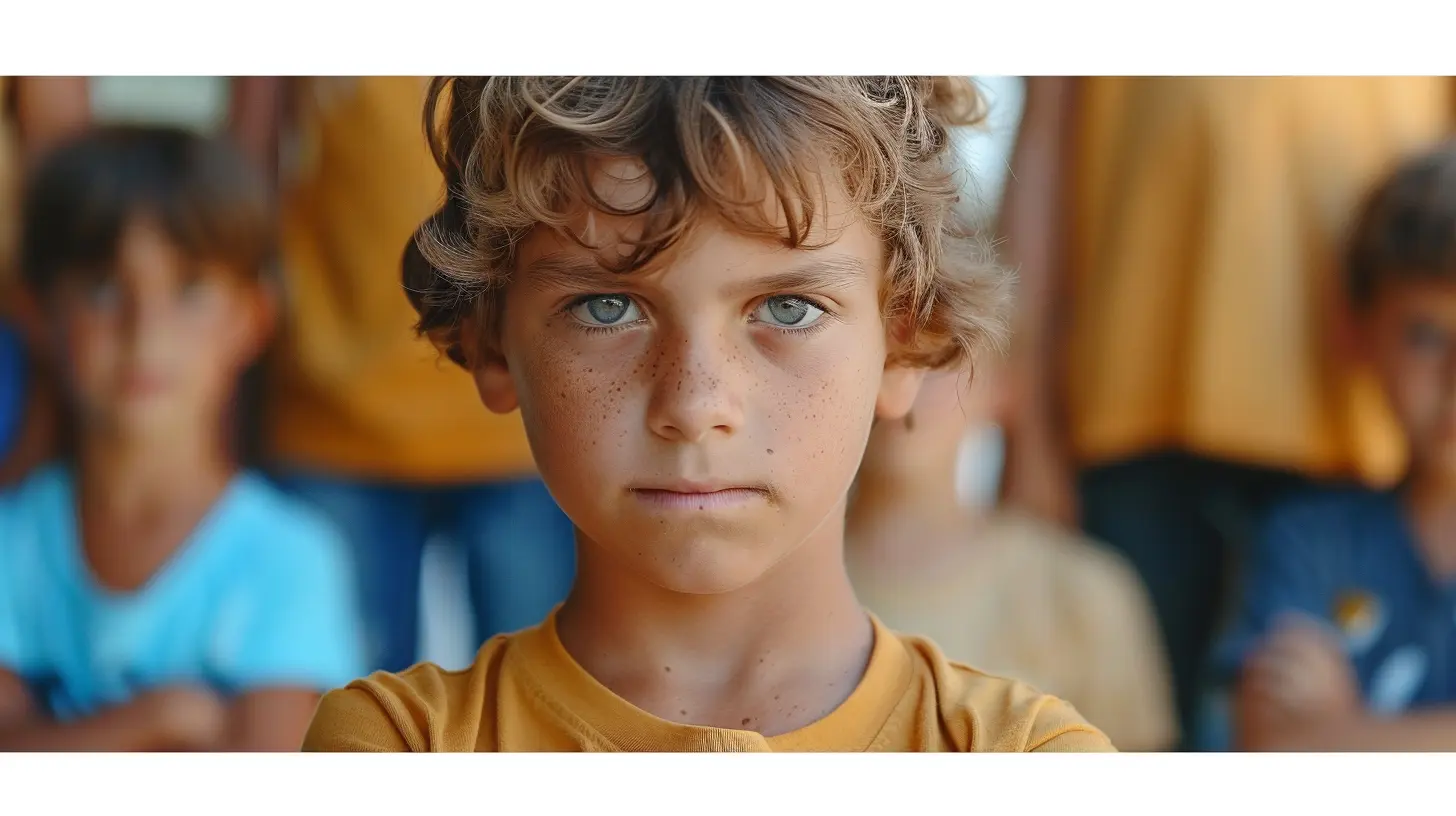
Step 2: Have an Open, Honest Conversation With Your Child
Skip the lecturing. Instead, aim for a heart-to-heart conversation. Use open-ended questions like:- “Can you tell me what happened?”
- “How were you feeling at the time?”
- “What do you think the other person felt?”
Be calm, clear, and compassionate. Let them know they’re not in trouble in a way that shuts down the conversation—but that this is serious and needs to be addressed.
Kids are more likely to open up if they feel safe—not scolded.
Step 3: Help Your Child Own Their Behavior
Accountability is key. Your child doesn’t have to feel shame—they need to feel responsible. Help them understand that bullying is a choice, not an accident. This can sound like:- “It’s okay to feel angry, but not okay to hurt others.”
- “Part of growing up means fixing mistakes, not pretending they didn’t happen.”
Encourage your child to reflect, not deflect. Avoid justifying the behavior with lines like “They started it” or “It was just a joke.” Instead, grab the teachable moment with both hands.
Step 4: Empathy Is the Game Changer
One of the most effective ways to stop bullying is to help kids develop empathy. That old golden rule—“Treat others as you want to be treated”—still works wonders. Role-playing, storytelling, or asking your child to imagine themselves in the victim’s shoes can really drive the point home.Try saying:
- “How would you feel if someone said that to you?”
- “What do you think that kid felt when this happened?”
- “How would you want someone to treat your little brother or sister?”
Helping children walk a mile in someone else's sneakers plants the seeds of compassion.
Step 5: Make Amends and Set a Plan Moving Forward
Once your child understands their actions and feels genuine remorse, it’s time to take action—literally. Guide them in making amends. That might look like:- Writing an apology letter
- Apologizing face-to-face (if appropriate and safe)
- Doing something kind for the person they hurt
Restorative actions help kids grow emotionally and show that they’re taking responsibility.
Afterward, come up with a clear behavioral plan. Set boundaries and expectations:
- Talk about what respectful behavior looks like
- Role-play better choices in tough situations
- Keep the lines of communication open
Step 6: Partner With the School
Don’t go solo on this. The school can be a powerful ally if you approach them the right way. Set up a meeting with your child’s teacher, school counselor, or principal. Let them know:- You take the matter seriously
- You want to work together on solutions
- You’re open to feedback
Schools often have resources, programs, and counselors who can support your child in learning better social behaviors.
Step 7: Monitor Your Child’s Environment
Think of your child’s life like a garden—you’ve got to check the soil, water it regularly, and pull out the weeds. Look closely at:- Media Consumption: Are they watching shows, games, or YouTubers who normalize aggression?
- Friend Groups: Are they running with a crowd that values popularity over kindness?
- Home Dynamics: Are siblings constantly one-upping each other? Is sarcasm or shouting the norm?
Changing behavior requires a supportive environment. Kids need consistent examples of empathy, respect, and healthy conflict resolution.
Step 8: Lead By Example
Let’s be real—kids mimic what they see. They learn more from what we do than from what we say. So model kindness, active listening, and owning up to your own mistakes.Lost your temper with someone? Apologize in front of your child. Had a conflict at work? Share how you handled it maturely. Demonstrating these values at home creates a ripple effect. Your child absorbs it all like a sponge.
Step 9: Consider Professional Help
If the bullying behavior continues or seems deeply rooted, don’t hesitate to reach out to a child psychologist or counselor. Sometimes, there are underlying emotional issues that need more attention, like:- Anxiety
- Low self-esteem
- Past trauma
- Behavioral disorders like ADHD or oppositional defiance
Therapy isn’t a punishment—it's a powerful tool for growth.
Step 10: Celebrate Progress, Not Perfection
Your child won’t change overnight—and that’s okay. Focus on celebrating the small wins. Maybe they stopped themselves from lashing out. Maybe they apologized on their own. Give praise when you catch them being kind.Growth is like a staircase, not an elevator. It happens step by step. The more you reinforce positive behavior, the more those habits stick.
Final Thoughts: Growth Starts With Awareness
Let’s be clear: having a child who bullies doesn’t define your parenting—it defines a moment that requires your attention. This isn’t about punishment. It’s about course correction, compassion, and teaching lifelong skills that will shape your child into a decent, empathetic adult.Every child messes up. Every parent makes mistakes. What matters most is how we all respond when we're faced with hard truths.
You’ve got this. And more importantly—your child does too.
all images in this post were generated using AI tools
Category:
Dealing With BullyingAuthor:

Zelda Gill
Discussion
rate this article
1 comments
Sophie Gilbert
This article addresses a crucial topic for parents. Understanding the signs of bullying behavior can help us guide our children toward empathy and positive interactions. Thank you for sharing.
July 13, 2026 at 2:22 AM
Zelda Gill
Thank you for your thoughtful comment. I'm glad you found the article helpful for supporting our kids in building empathy.