Teaching Kids Positive Communication Skills to Combat Bullying
29 May 2026
Let’s face it—bullying is still a huge problem that many of our kids face today. Whether it's happening in school hallways, during lunch, on the playground, or even online, bullying hurts. It’s like a quiet shadow that follows some children around, leaving a trail of anxiety, confusion, and sadness. But what if we told you that one of the most powerful tools to fight back against bullying isn’t punishment or discipline—but communication skills?
Yep, that's right. Teaching kids positive communication skills to combat bullying could be a game-changer—not just for the kids being bullied, but also for the bullies and the bystanders.
So grab a cup of coffee, pull up a cozy seat, and let’s chat about how we can empower our kids through the magic of words.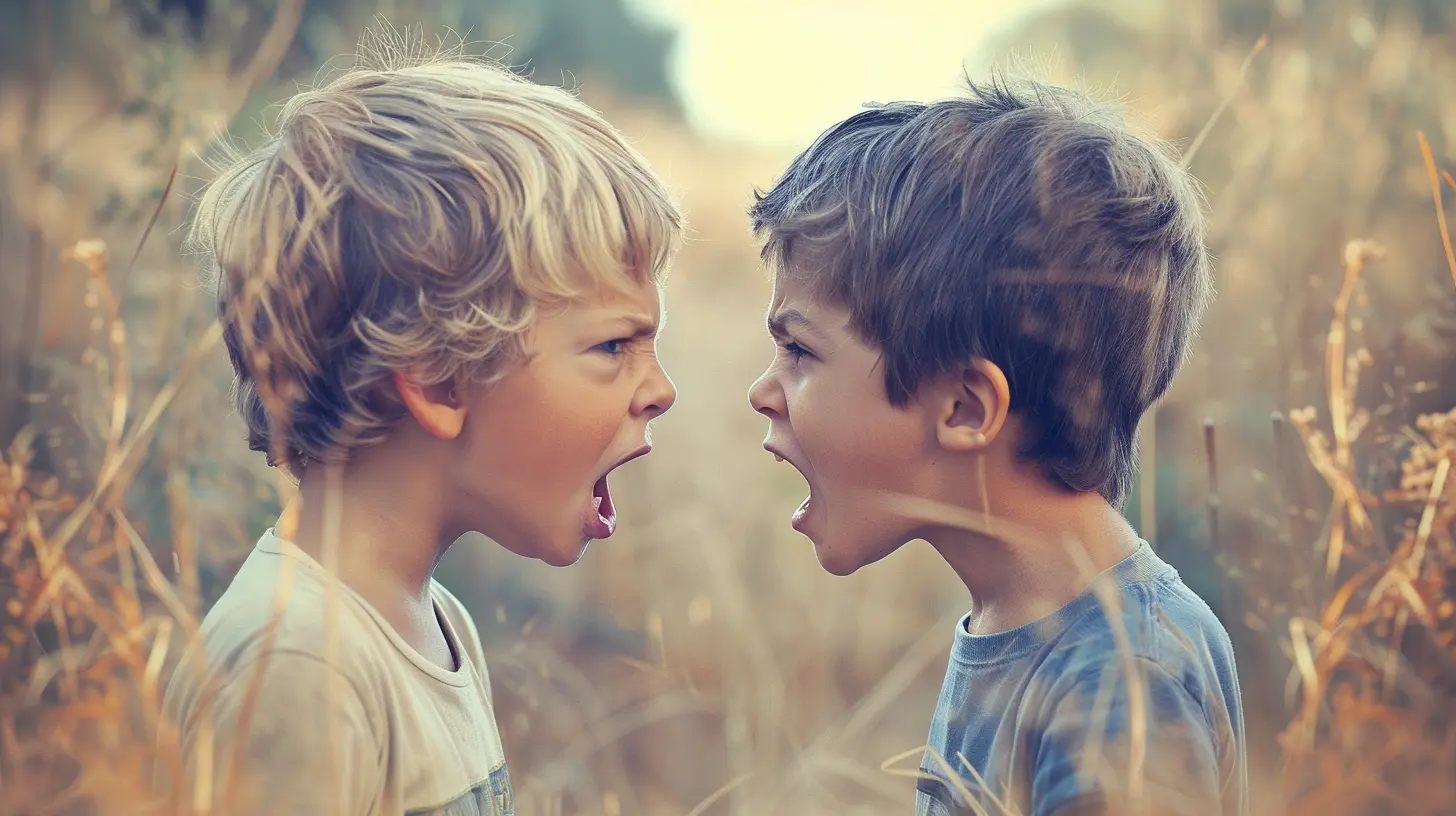
Why Communication Skills Matter More Than You Think
You might be thinking, “Okay, but how does knowing how to talk or listen really stop bullying?” Great question.Communication isn’t just about talking. It’s about how we say things, our body language, the tone of our voice, and our ability to listen and empathize. When children learn to express their feelings, stand up for themselves in a respectful way, and understand others, they become more confident and emotionally smart.
Think of communication skills like a superhero’s toolkit. They give kids emotional armor. They teach them to stand tall, speak clearly, listen with compassion, and problem-solve like pros.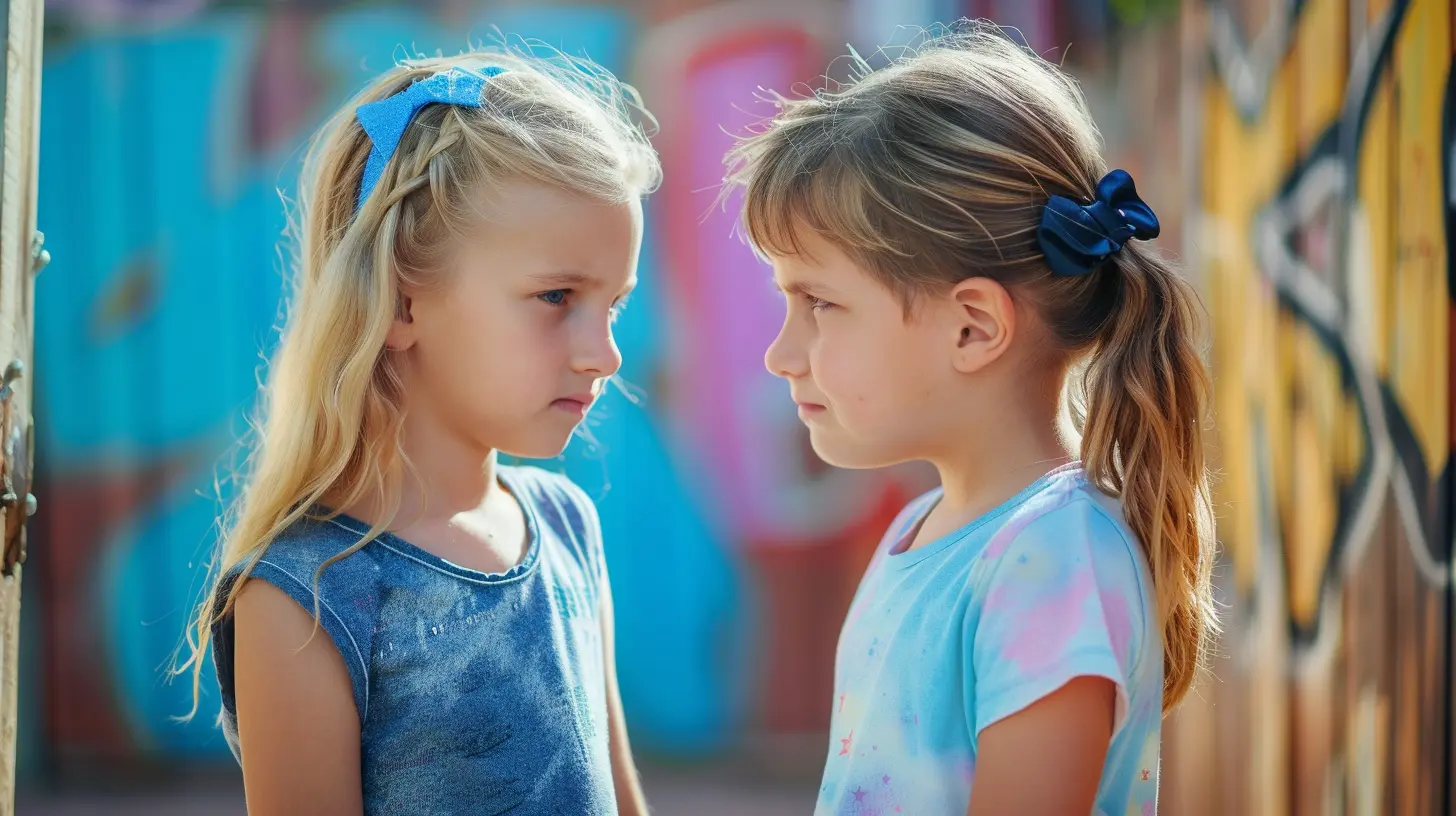
Understanding Bullying: More Than Just Name-Calling
Before diving into the how-tos, let’s break down what bullying really looks like. It’s not always a push on the playground or name-calling. Bullying can be more subtle—like rumors, exclusion, or digital harassment.There are four main types of bullying:
- Physical (pushing, hitting, damaging belongings)
- Verbal (insults, threats, name-calling)
- Social (exclusion, gossiping, public humiliation)
- Cyber (texting, social media shaming, online harassment)
Knowing that bullying comes in many shapes and sizes helps us better equip our kids with the right communication responses.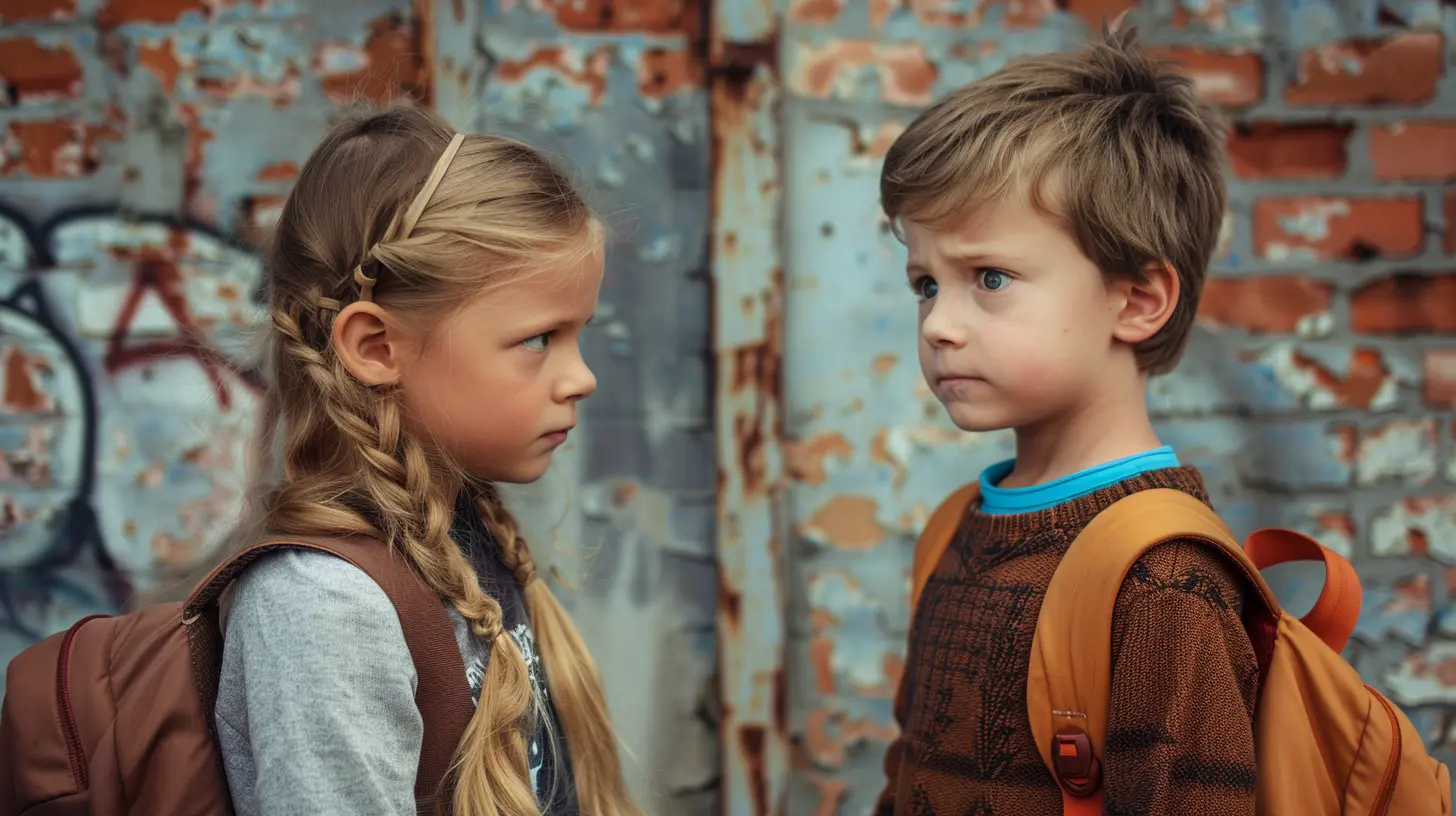
Start Young: Laying the Foundation at Home
The earlier we start teaching communication skills, the better. You don't have to host a family seminar on "Effective Conflict Resolution" (unless you want to ?). It begins with the little things.1. Model It Yourself
Kids are like sponges—they absorb everything. If they see you calmly discussing issues, using kind words, and actively listening, they’re more likely to copy that behavior. You’re their first and best teacher.> Try this: Instead of yelling when you’re frustrated, take a breath and say, “I’m really upset because I feel like I’m not being heard.”
Boom—instant teachable moment.
2. Praise Positive Talk
Catch them being good communicators. Did they ask nicely instead of whining? Did your child explain how they felt instead of throwing a tantrum? Acknowledge it.> Say, “I love how you used your words to tell your sister that you were upset. That was really grown-up of you!”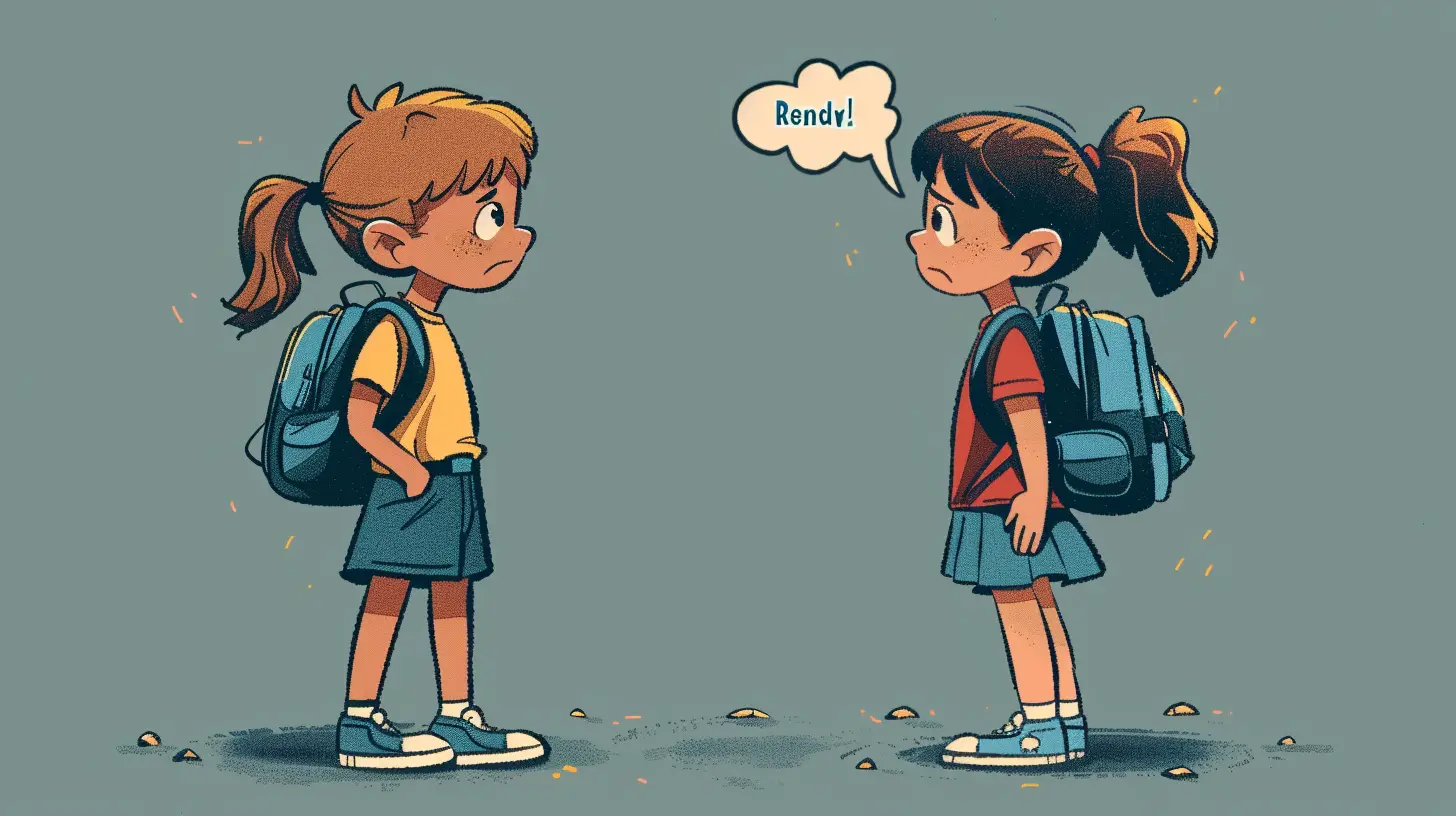
Teaching Assertiveness Without Aggression
Here’s where the real superhero training comes in. Think of assertiveness as the middle ground between aggression and passiveness. It’s speaking up clearly and respectfully without hurting others.Teach These Simple Phrases
Equip your child with go-to sentences they can use when they’re uncomfortable or being bullied:- “I don’t like it when you say that.”
- “Please stop. That’s not okay.”
- “I want to play too.”
- “That hurts my feelings.”
Role-play these at home! Make it a game. You act as the bully, they respond with their words. Confidence builds over time.
Body Language Matters, Too
Teach your child:- To make eye contact
- Stand tall (shoulders back, head up)
- Use a firm (not rude) voice
This speaks volumes—literally.
The Magic of Listening and Empathy
One of the best ways to stop bullying in its tracks is to raise empathetic kids. Kids who can recognize someone else’s pain are less likely to bully and more likely to stand up for others.How to Build Empathy
- Read Books About Emotions: Stories that show how people feel can open the door to deeper conversations.- Name Feelings: Teach your child to say, “I feel sad when…” or “She looks upset, maybe because…”
- Ask Questions: “How would you feel if that happened to you?”
Empathy doesn’t just protect others—it turns bystanders into upstanders.
Helping Bystanders Speak Up
Most kids aren’t bullies or victims. They’re in the middle—watching things unfold and unsure what to do. But bystanders have a powerful voice.Teach These Simple Actions
- Speak up: “Hey, that’s not cool.”- Offer support: “You can sit with me at lunch.”
- Tell an adult: It’s not tattling—it’s helping.
When kids know they can make a difference, many will rise to the occasion. A little courage goes a long way.
What About the Bullies?
We tend to paint bullies as the “bad guys,” but guess what? Many of them are hurting too. They may be struggling with their own emotions or problems at home. That’s why communication skills help them too.Teach Kids to Unpack Their Feelings
Help them identify why they’re acting out:- Are they angry?
- Feeling ignored?
- Lacking control?
When kids talk about their emotions instead of acting them out, everyone benefits. Even “the bully” can learn more positive ways to get attention or release frustration.
Keep the School Involved
Positive communication doesn’t stop at home. Partner with your child’s teacher or school counselor to reinforce these lessons in the classroom.Ask the School About:
- Social-emotional learning (SEL) programs- Peer mediation groups
- Anti-bullying curriculum
- Classroom meetings or talking circles
When home and school work together, the message is clearer—and stronger.
Encourage Open Conversations Daily
Make it normal to talk about feelings, friends, and school issues. Not just when something’s wrong.Try These Conversation Starters:
- “What made you smile today?”- “Did anyone seem left out today?”
- “If someone was being mean, what would you do?”
- “How did you help someone today?”
Keep it light, keep it regular, and keep it real.
When Your Child Is the Target
If your child comes home visibly upset or says they’re being bullied, it’s time to guide them using the tools they’ve learned.- Listen First: Let them talk it out.
- Validate Feelings: “That sounds really hard. I’m so sorry you went through that.”
- Role-Play Responses: Practice what they can say next time.
- Involve the School: Don’t hesitate to schedule a meeting.
- Follow Up: Keep checking in. Healing isn’t instant.
The Long-Term Payoff
Positive communication skills don’t just help with bullying—they’re life skills. They help kids succeed in friendships, sports, school, and eventually their future jobs and relationships. We're not just raising kids—we’re raising future adults.By giving children the tools to express themselves, stand up for what’s right, and listen to others, we're planting seeds that will grow into resilience, compassion, and true leadership.
Final Thoughts
Bullying isn’t going to magically disappear overnight, but when we equip our kids with strong communication skills, we give them power. The power to protect themselves, help others, and create a ripple effect of kindness and courage.It doesn't take fancy programs or expensive tools—just time, intention, and heart. So the next time you chat with your child, sprinkle in a little lesson on empathy, a dash of assertiveness, and a whole lot of love.
Because words? They’re not just tools—they’re shields, swords, and bridges.
all images in this post were generated using AI tools
Category:
Dealing With BullyingAuthor:

Zelda Gill
Discussion
rate this article
1 comments
William Alvarez
Empowering kids with communication skills builds confidence.
May 30, 2026 at 4:14 PM
Zelda Gill
Absolutely! When kids learn to communicate effectively, they not only express themselves but also feel more confident in social situations. It's a vital step in preventing bullying.