Using Art and Creativity to Teach Emotional Awareness
11 April 2026
Emotional awareness is a crucial skill for children, helping them understand, express, and manage their feelings. But let's be honest—talking about emotions can be tough, even for adults. That's where art and creativity step in.
Art provides a safe space for kids to explore their feelings without the pressure of verbal communication. It transforms emotions into colors, shapes, and stories, making self-expression easier and more natural. In this guide, we'll explore why art is a powerful tool for emotional awareness and how you can use it effectively at home or in the classroom. 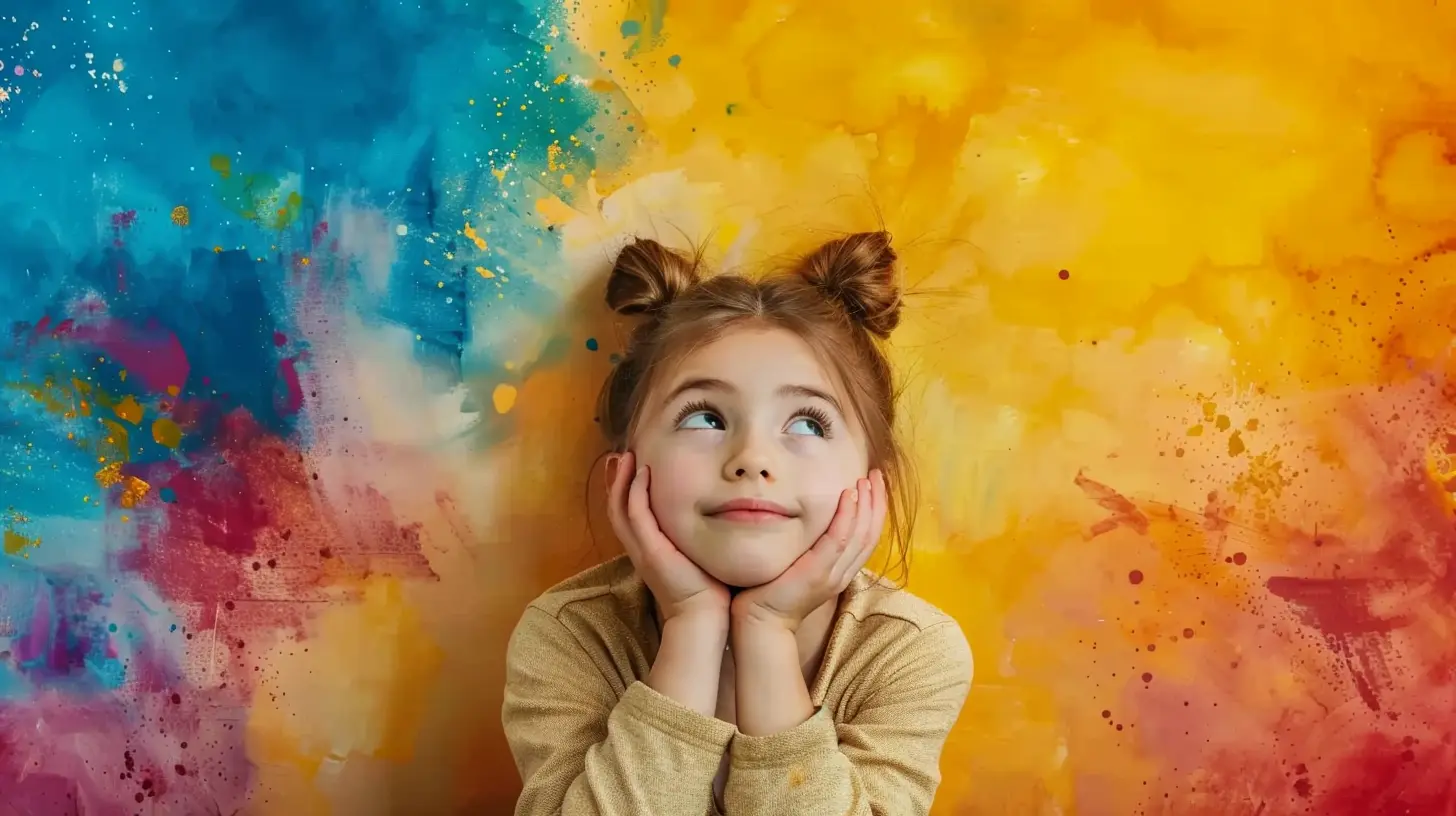
Why Is Emotional Awareness Important?
Emotional awareness isn't just about recognizing feelings; it's about understanding their impact and expressing them in a healthy way. When children are emotionally aware, they:- Develop better communication skills
- Experience fewer emotional outbursts
- Build stronger relationships
- Manage stress more effectively
- Gain confidence in handling challenges
Ignoring emotions or failing to express them properly can lead to frustration, anxiety, and behavioral issues. Teaching kids about emotions early on sets them up for success in all aspects of life. 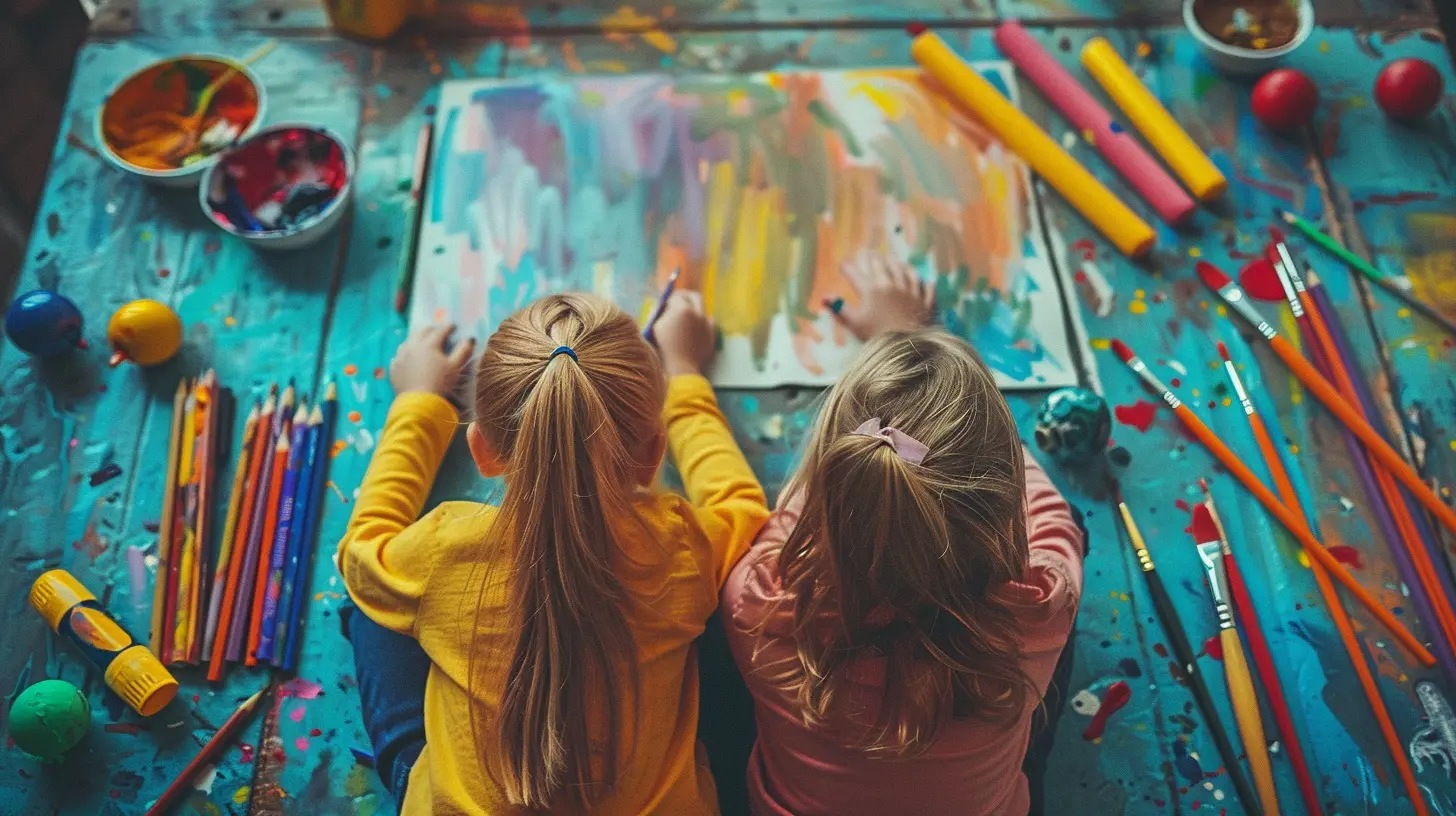
How Art Helps Children Express Emotions
Not all children are comfortable talking about their feelings. Some might not have the right words, while others may feel overwhelmed by emotions they don’t fully understand. Art offers an alternative language—one that doesn’t require words.1. Art Encourages Nonverbal Expression
Through painting, drawing, or sculpting, kids can express emotions without speaking. A child who struggles to say, “I feel sad,” might draw a dark-colored picture of a rainy sky instead. This form of expression helps adults understand a child’s emotional state without forcing uncomfortable conversations.2. Creativity Unlocks Emotional Processing
Creating art isn’t just about expressing emotions; it’s also about processing them. When kids use their hands to paint, mold clay, or craft something from scratch, they engage the brain in a way that promotes emotional regulation. It’s similar to how adults might journal or go for a walk to clear their minds.3. Colors and Shapes Represent Feelings
Ever noticed how colors impact mood? Bright colors like yellow and orange convey happiness, while blues and greys can reflect sadness or calmness. Teaching kids about the emotional meanings behind colors and shapes can help them become more aware of their own feelings.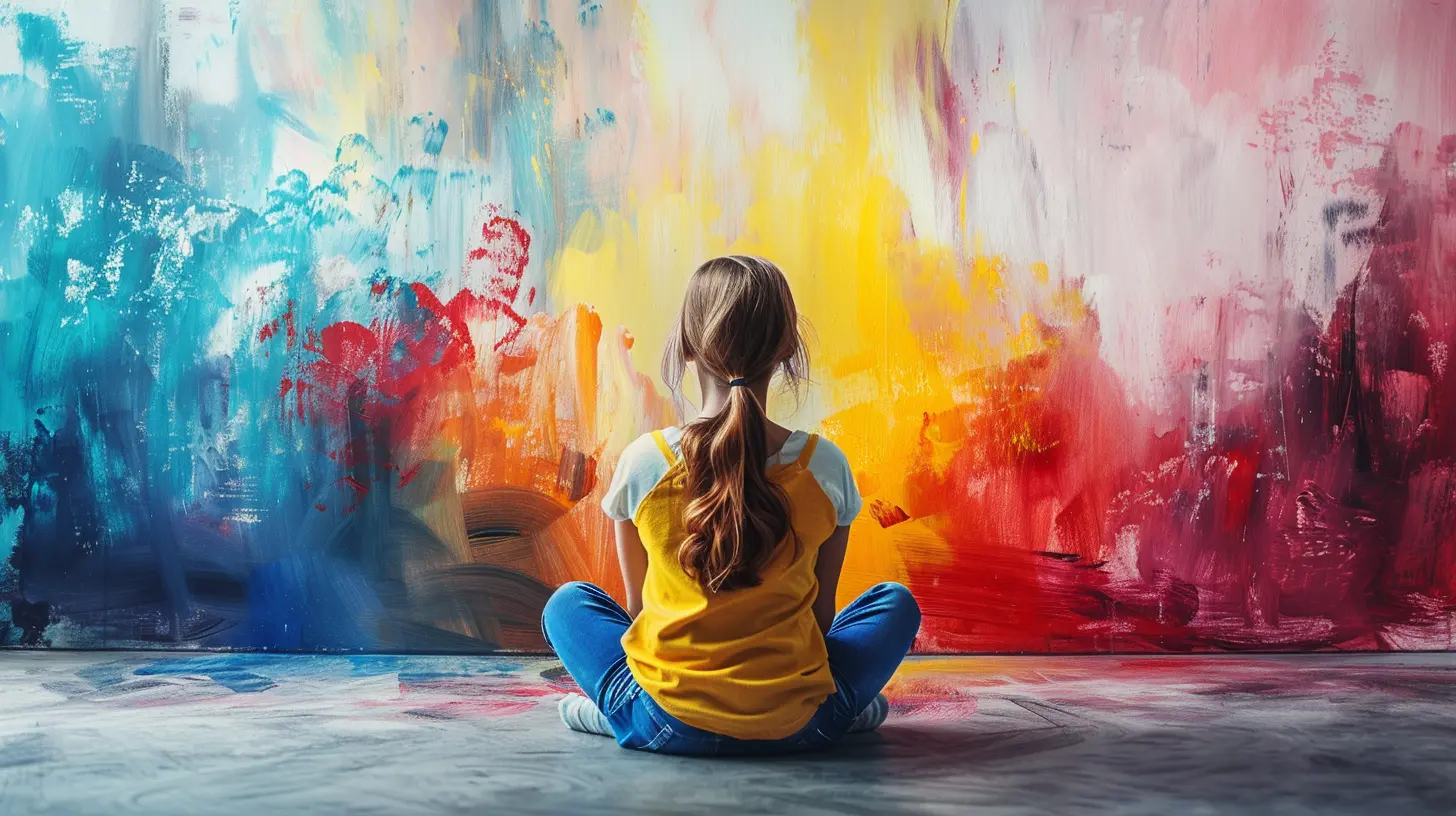
Practical Art Activities to Teach Emotional Awareness
Now, let's dive into some hands-on activities you can try with your child to encourage emotional exploration.1. Emotion Collage
A great way to help kids identify emotions is through a collage activity. Here's how:- Gather magazines, newspapers, or printed images.
- Ask your child to cut out pictures that represent different emotions—happy faces, angry expressions, peaceful scenes, etc.
- Let them glue these onto paper in a way that represents how they feel.
- Talk about their choices and what certain images mean to them.
This activity helps children recognize emotions in others and relate them to their own experiences.
2. Feelings Through Finger Painting
There’s something liberating about dipping hands in paint and creating freely. Give your child the freedom to express emotions through colors and textures. Ask them to:- Choose colors based on their feelings (red for anger, yellow for happiness, blue for sadness, etc.).
- Create whatever they want—no rules!
- Describe why they picked certain colors and how the painting makes them feel.
This allows them to explore emotions in a sensory, hands-on way.
3. Storytelling with Drawing
Children love storytelling, and combining it with drawing makes it even more powerful. To try this activity:- Ask your child to draw a character.
- Let them invent a story about that character’s feelings.
- Encourage them to draw different situations where the character is happy, sad, excited, or scared.
This method helps children externalize emotions, making them easier to talk about.
4. DIY Emotion Masks
Masks are a fun and interactive way to help kids explore emotions. To do this:- Provide plain paper plates or cardboard.
- Have your child create different masks representing emotions—one happy, one sad, one angry, etc.
- Encourage role-playing with the masks, discussing when they might feel each emotion.
By acting out emotions, children become more comfortable recognizing and discussing their own feelings.
5. Scribble Your Feelings
For kids who struggle with structured activities, free scribbling can be an excellent emotional outlet. Give them crayons or markers and ask them to:- Scribble based on their mood (fast, jagged lines for frustration, soft, slow strokes for calmness).
- Use multiple colors to show different feelings.
- Discuss what their scribbles represent.
This is a simple yet effective way for kids to release emotions in a healthy manner. 
Encouraging Emotional Conversations Through Art
Art activities are powerful, but they become even more effective when combined with conversation. Here’s how you can guide your child’s emotional awareness through discussion:- Ask Open-Ended Questions: Instead of “Did you have fun?” try “What made you choose those colors?” or “How did drawing this make you feel?”
- Validate Feelings: If your child expresses sadness or frustration, acknowledge it. Say things like, “I see you used a lot of dark colors—are you feeling upset?”
- Encourage Reflection: After finishing an artwork, ask your child what they learned about their emotions. This reinforces self-awareness.
By combining art with gentle conversations, you're helping children develop both emotional intelligence and communication skills.
Final Thoughts
Teaching emotional awareness doesn’t have to be complicated or overwhelming. Art provides an engaging and natural way for kids to explore and express their feelings. Whether through finger painting, storytelling, or mask-making, these creative activities help children navigate their emotional landscape in a safe and supportive environment.So, next time your child seems overwhelmed or unsure about their feelings, hand them some paint, paper, or markers. You might be surprised at what they create—and what they discover about themselves in the process.
all images in this post were generated using AI tools
Category:
Emotional IntelligenceAuthor:

Zelda Gill
Discussion
rate this article
2 comments
Soraya Hunter
This article skillfully highlights the transformative power of art in fostering emotional awareness. By integrating creativity into parenting, caregivers can cultivate deeper emotional literacy in children, enabling them to express and understand their feelings in a safe, engaging manner.
April 29, 2026 at 2:39 AM
Zelda Gill
Thank you for your thoughtful comment. I'm glad the article resonated with you and highlights the importance of creativity in nurturing emotional literacy.
Vanessa Jenkins
Art is the universal language of emotions. By blending creativity with emotional awareness, we empower our little ones to express feelings authentically. It’s not just about creating; it’s about understanding the masterpiece within themselves. Let the colors flow!
April 12, 2026 at 2:28 AM
Zelda Gill
Absolutely! Art allows children to explore and articulate their emotions in a safe and expressive way. It's a powerful tool for self-discovery and understanding. Letting creativity shine is essential for their growth.