The Ultimate Guide to Geocaching with Kids
26 July 2026
Ever wished you could turn a walk in the park into a thrilling treasure hunt for your kids? Well, you absolutely can – and it’s called geocaching! If you’re looking for a fun, screen-free outdoor activity that gets your kids moving, thinking, and exploring, you're in for a real treat.
Whether you’ve heard the word “geocaching” thrown around or you stumbled here out of curiosity, this guide will take you from total newbie to family geocaching champs. So grab some snacks, pack your sense of adventure, and let’s dive into the wild and wonderful world of geocaching with kids.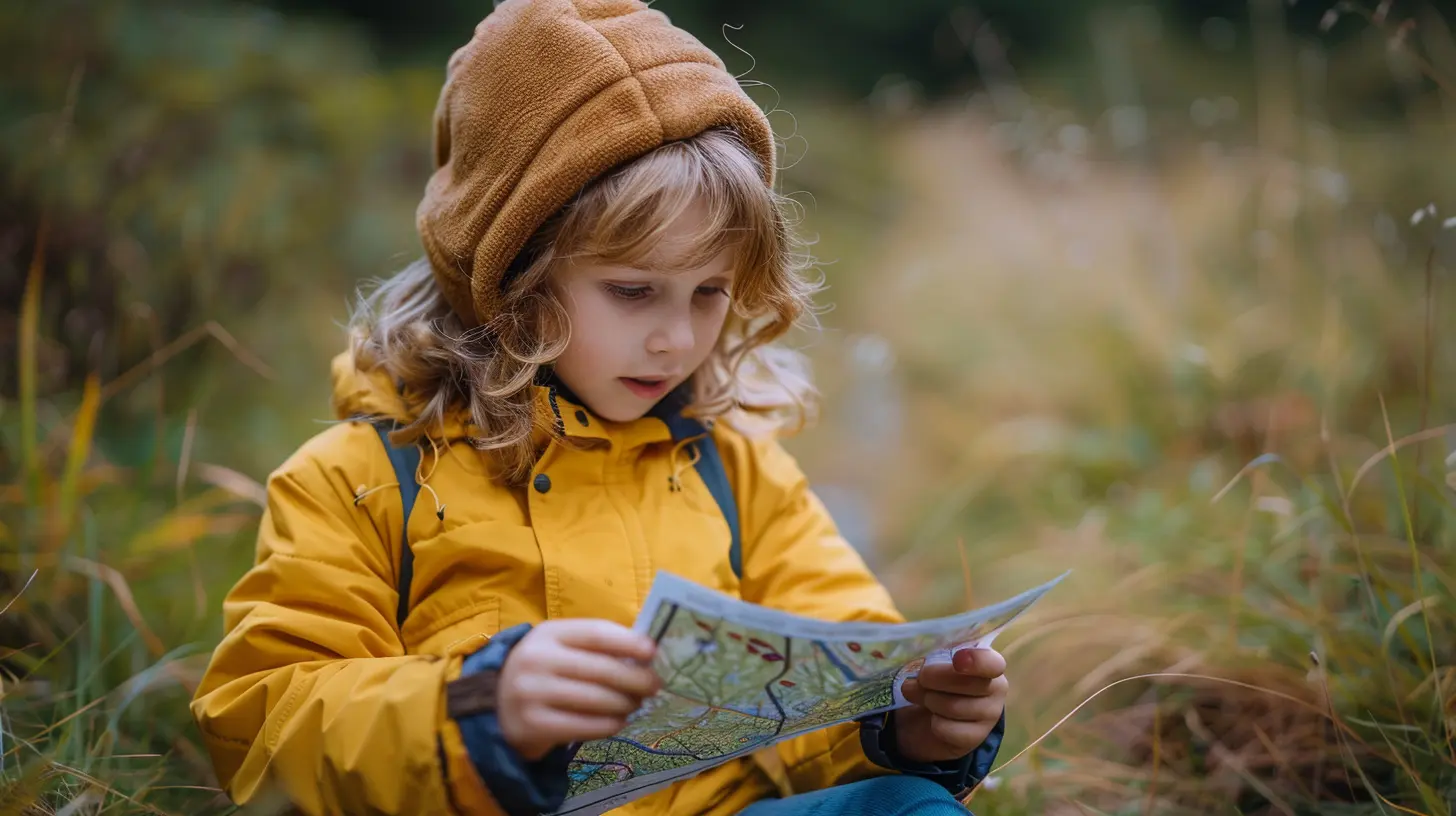
What Exactly is Geocaching?
Let’s start with the basics. Imagine a global treasure hunt—except the treasures are hidden by strangers and located via GPS coordinates. Sounds cool, right?Geocaching is like a real-world game where people hide containers (called geocaches) and share their locations online. Each cache contains a logbook—and some might even have little trinkets you can swap!
All you need is a smartphone or a GPS device, a free app, and a sense of adventure. That’s it. It's like Pokémon GO… but with real stuff and without staring at a screen the whole time.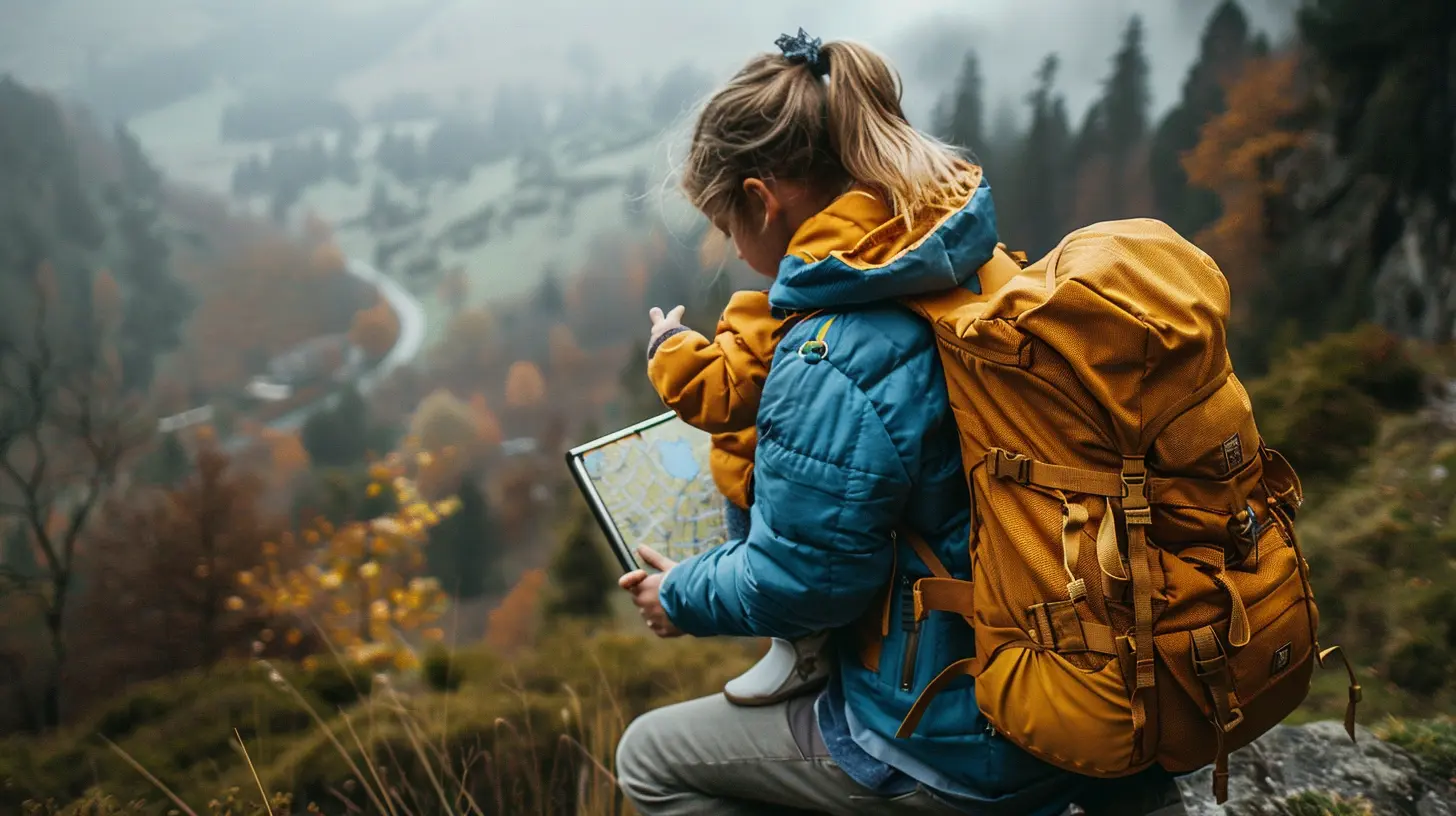
Why Geocaching is Perfect for Kids (and Parents!)
Let’s be honest—getting kids off their screens and out into nature can be like pulling teeth. But geocaching? It’s sneaky genius. Here's why:1. Adventure With a Purpose
Kids love having a mission. When they know there’s a “secret treasure” somewhere in the woods (or even your neighborhood), suddenly every stick becomes a sword, and every bush could hide a clue.2. Great for All Ages
Have little ones under 5? They can spot plastic containers under logs! Got teens? Let them navigate and feel like the leader. This is one of those rare activities that spans all age groups—and gives everyone a role.3. Builds Life Skills (Without Them Even Realizing It)
Teamwork, patience, critical thinking, observation, plus some fun exercise? Yeah, they’re learning. But shh… don’t tell them.4. Budget-Friendly Family Fun
Once you’ve got a phone with GPS, geocaching is free. Many communities have caches hidden near walking trails, parks, even downtown areas.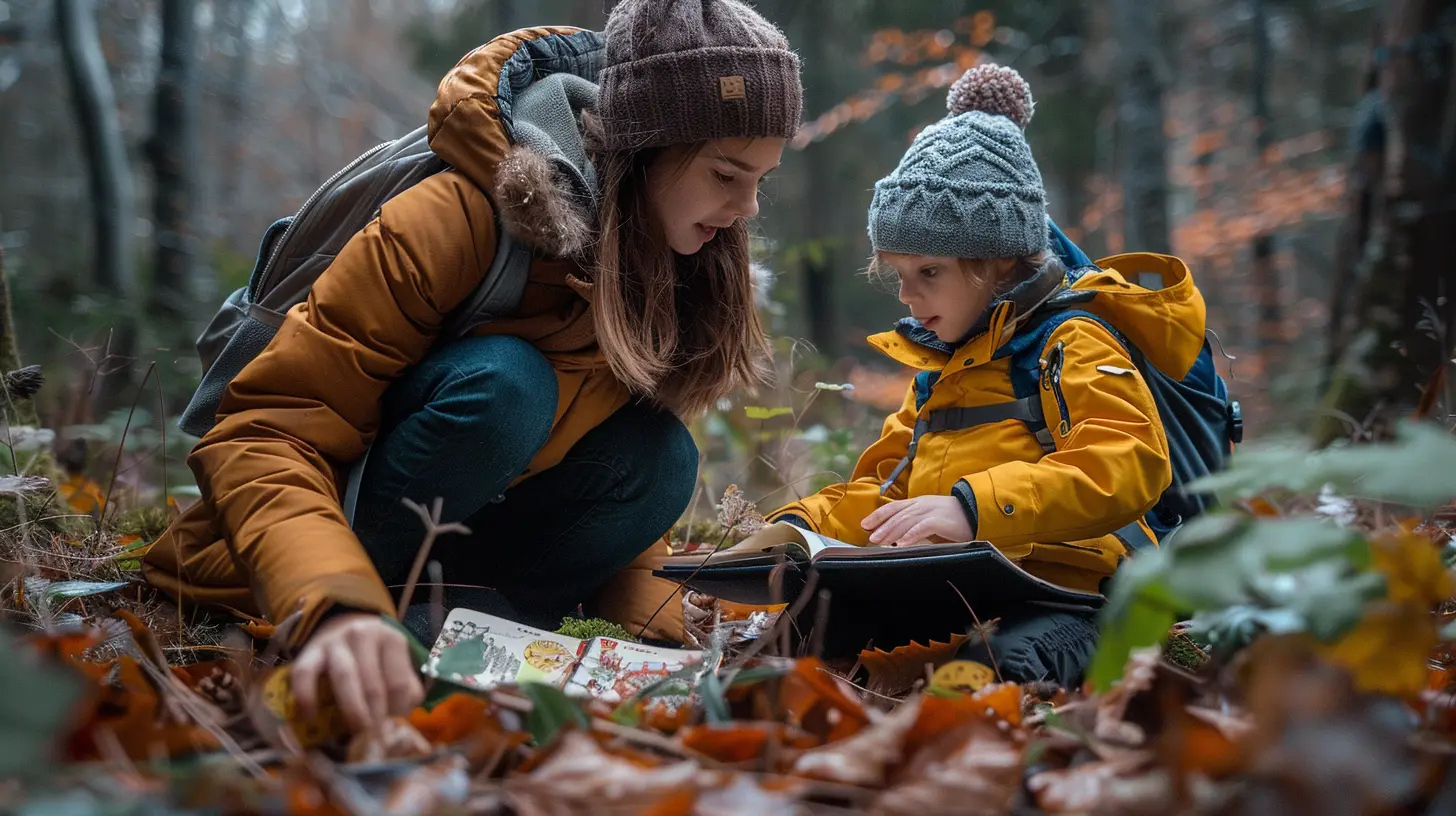
What You Need to Get Started
Don’t worry—you don’t need a trunk full of gear or a scout leader certification. Here’s your geocaching starter pack:1. A Smartphone or GPS Device
Download a geocaching app like Geocaching® by Groundspeak or Cachly (for iOS). The free versions work great for beginners.2. A Pen or Pencil
You’ll need to sign the logbook in each cache. (Bonus: a tiny notebook lets your kids sketch or write notes, which adds to the experience!)3. Small “Swag” Items (Optional)
Many caches are filled with little treasures—think keychains, stickers, toy cars. The geocaching golden rule is “trade even or trade up.” If your kids take something, make sure they leave something equally cool behind.4. A Backpack With The Essentials
- Water bottles- Band-aids (just in case)
- Bug spray
- Sunscreen
- Wet wipes
- A flashlight (some caches hide in shady spots)
How to Start Your First Family Geocaching Adventure
Alright, you’re fully equipped and hyped up. Let’s get to the fun part: finding your first cache!Step 1: Set Up Your Account
Create a free Geocaching account online or in the app. It’s your passport to a world of hidden surprises!Step 2: Search for Nearby Caches
Open the app, turn on your location, and boom—you’ll see a map filled with hidden caches near you. You’ll be shocked how many are just minutes away.Step 3: Choose a Kid-Friendly Cache
Look for caches labeled “easy” difficulty and “small” or “regular” size. Micro or nano caches are tiny and way harder to find—not ideal for kids just starting out.Step 4: Navigate and Hunt
Follow the GPS to the location, then slow down and start scanning your surroundings. Many caches are cleverly hidden—inside tree stumps, under park benches, or beneath rocks. Let the kids take the lead!Step 5: Found It? Log It!
Sign the logbook, exchange swag if you’d like, and mark the cache as “found” in the app. Say a little “woohoo!” and maybe take a family selfie with the treasure.Tips to Keep it Fun (and Stress-Free)
We won’t lie—not every hunt ends in success. And sometimes, you’ll find a soggy logbook or an empty container. But that’s part of the adventure.Here are a few sanity-saving tips:
1. Embrace the Unexpected
Sometimes you don’t find the cache—and that’s okay. Make it about the journey, not just the treasure. Maybe you saw a cool bird or discovered a new trail. That’s still a win!2. Keep Things Light
If the kids are getting grumpy or tired, take a snack break or call it a day. You want them begging to go again, not dreading it.3. Let the Kids Lead
Let them hold the phone, make guesses, even be “in charge” of the treasure bag. Empowerment makes the adventure even more exciting.4. Geocache on Vacations
Heading to Grandma’s? Taking a road trip? Check for caches along your route or at rest stops. It turns boring travel into a mini adventure.Make Geocaching a Regular Adventure
Once your kids are hooked (and they will be!), you can take it up a notch:Create a Geocaching Journal
Have your kids write down what they found, where it was hidden, or how it made them feel. It’s part scrapbook, part memory book.Hide Your Own Cache
Once you’ve found a few, why not hide your own? Let the kids pick the spot, decorate the container, and choose what goes inside. It’s like hosting your own secret party for the whole world.Join the Community
There are geocaching events and groups all over. Meetups, challenges, and even “geocaching clubs” for kids might just be in your town!Common Geocaching Terms to Know (Kid-Friendly Edition)
If you want to blend in like a pro (or at least not be totally confused), here’s a quick glossary:- Cache: The hidden treasure container.
- Muggle: Someone who doesn’t know about geocaching (like in Harry Potter!). Avoid being obvious when muggles are around so the cache doesn’t get stolen.
- Logbook: The notebook inside the cache you sign.
- Swag: The little tradeable treasures inside.
- FTF: First To Find! It’s a big deal in the geocaching world.
- DNF: Did Not Find. Sometimes you’ll leave empty-handed. Totally normal.
Safety First, Fun Always
Last but not least, let’s talk safety. Geocaching is generally super safe, but a few reminders can’t hurt.- Always read the cache description and logs first—some may mention dangerous spots.
- Stick to daytime caching when out with kids.
- Keep a close eye around roads, water, or steep areas.
- Teach your kids not to reach into dark holes or places they can’t see.
With a bit of common sense and parental supervision, it’s as safe as any walk in the park—just with added magic.
Final Thoughts: A New Family Tradition?
Geocaching isn't just another activity—it’s a lifestyle. It turns ordinary outings into epic adventures. It sparks curiosity, problem-solving, and togetherness. Most of all, it creates memories your kids will talk about for years.So next time you hear “I’m bored,” you’ll know exactly what to say. “Let’s go find some treasure.”
Who knew GPS coordinates and Tupperware could bring so much joy?
all images in this post were generated using AI tools
Category:
Outdoor ActivitiesAuthor:

Zelda Gill
Discussion
rate this article
1 comments
Elin McGill
What a fantastic guide! Geocaching is such a fun way to explore the outdoors with kids. I can't wait to try it out this weekend. Thanks for sharing these tips to make our adventure even better!
August 2, 2026 at 4:51 AM
Zelda Gill
Thanks for the kind words! Have an amazing time geocaching this weekend. Enjoy the adventure!