The Science of Nature: How to Teach Kids Through Outdoor Experiments
21 June 2026
Kids are natural scientists—they love to ask "why," poke around in the dirt, and explore the world around them. But in today’s digital age, they often spend more time on screens than outside. What if we could turn the great outdoors into a thrilling science lab?
By engaging kids in hands-on outdoor experiments, we not only teach them valuable scientific concepts but also foster curiosity, creativity, and problem-solving skills. Plus, it’s a great way to sneak in some fresh air and exercise! Let’s dive into the wonderful world of nature experiments and see how outdoor learning can make science exciting for kids. 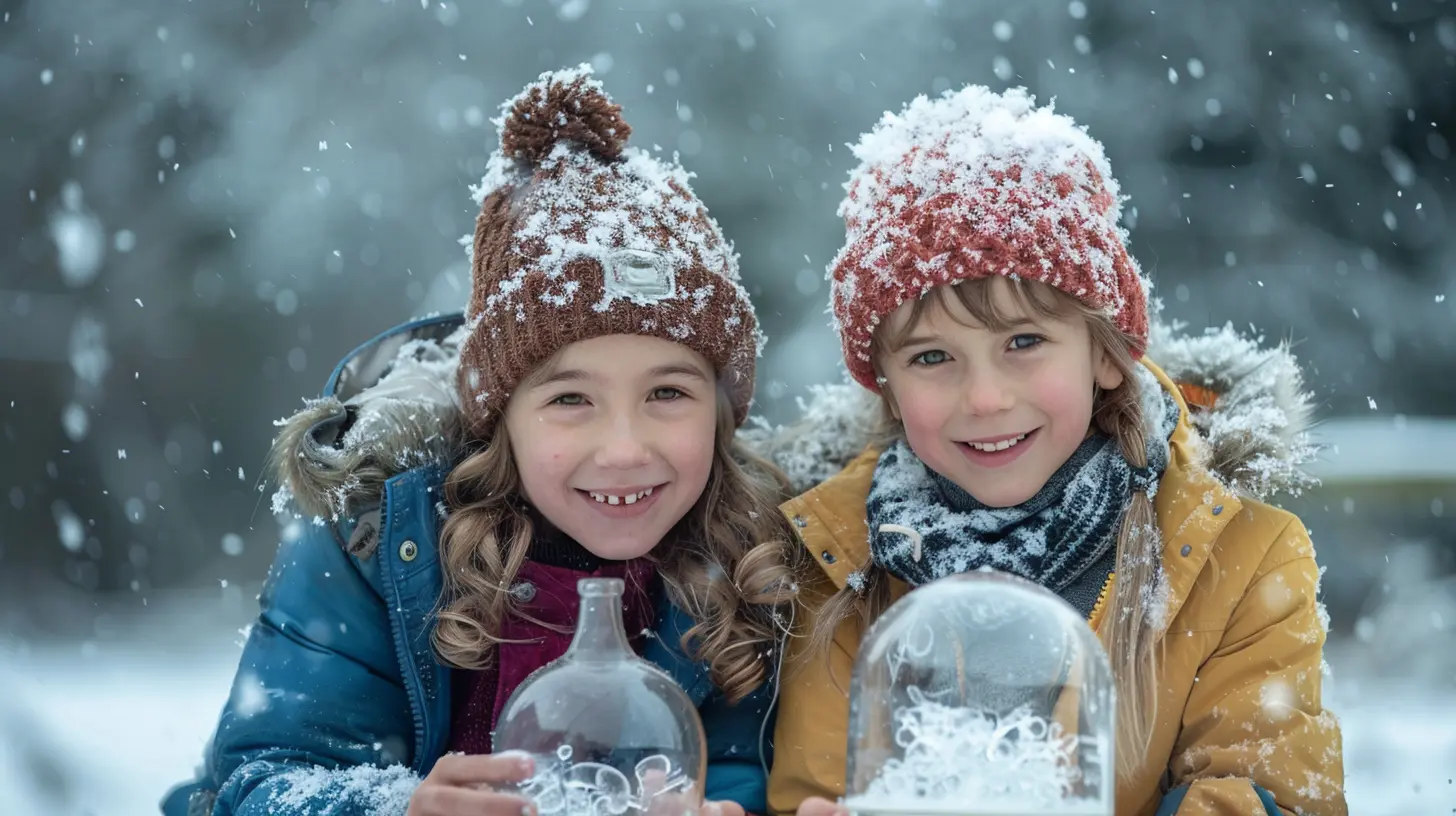
Why Outdoor Science Experiments Are So Effective
The best learning happens when kids are having fun. Outdoor science experiments bring books to life by making abstract concepts tangible. Instead of reading about photosynthesis, they can see it in action. Instead of just hearing about water cycles, they can create their own mini-rainstorm.Here’s why outdoor experiments are a game changer:
✅ Hands-on Learning – Kids learn better when they can see, touch, and experiment with things themselves.
✅ Encourages Critical Thinking – They’ll start asking questions and making predictions—just like real scientists.
✅ Boosts Creativity – Nature is full of surprises, sparking curiosity and wonder.
✅ Improves Focus and Retention – Being outside reduces stress and helps kids absorb information more effectively.
Sound exciting? Let’s get into some awesome science experiments you can do with your little explorers! 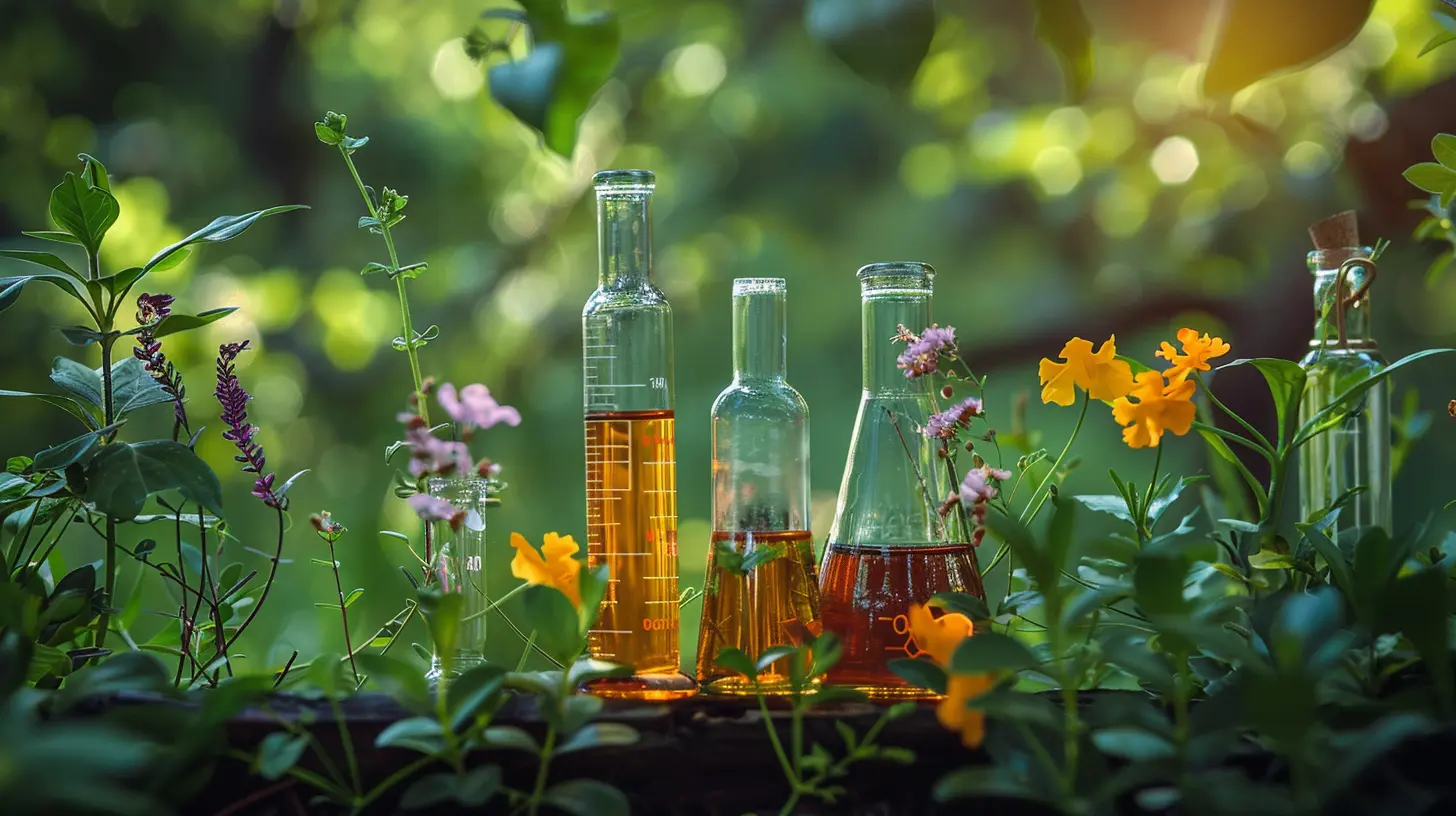
1. The Classic Volcano Eruption (Earth Science)
Who doesn’t love a good volcano experiment? This classic never gets old and is a fantastic way to introduce kids to chemical reactions.What You Need:
- A small plastic bottle- Baking soda
- Vinegar
- Dish soap (optional for extra bubbles)
- Red food coloring (for a realistic lava effect)
- Dirt or sand to build a volcano structure
How to Do It:
1. Place the bottle in the middle of a dirt pile and shape it to resemble a volcano.2. Add a couple of teaspoons of baking soda into the bottle.
3. Mix vinegar with a bit of dish soap and red food coloring.
4. Pour the vinegar mixture into the bottle and watch the "lava" explode!
The Science Behind It:
It’s a simple acid-base reaction! When baking soda (a base) meets vinegar (an acid), carbon dioxide gas is released, creating a fizzy eruption.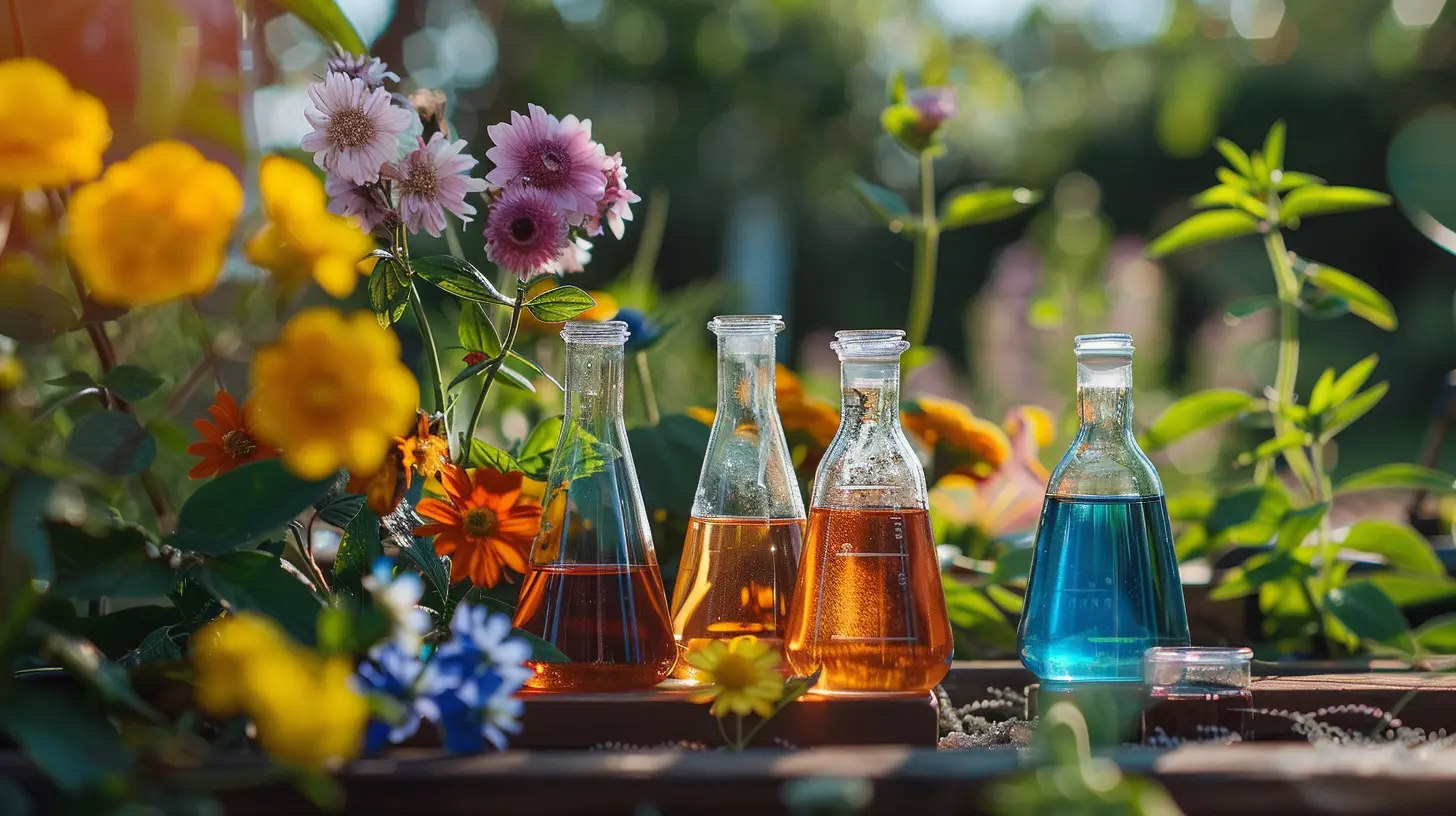
2. Water Cycle in a Bag (Earth Science)
Want to teach your kids about the water cycle without a long lecture? This experiment is like nature's magic trick!What You Need:
- A resealable plastic bag- Water
- Blue food coloring
- A permanent marker
- Tape
How to Do It:
1. Draw a sun and clouds on the plastic bag to represent the sky.2. Fill the bag with a little water and add a few drops of blue food coloring.
3. Seal the bag and tape it to a sunny window.
4. Over the next few hours, kids will see condensation, precipitation, and evaporation in action!
The Science Behind It:
As the sun heats the water, it evaporates. Once it cools, it condenses into tiny droplets, mimicking the rain cycle.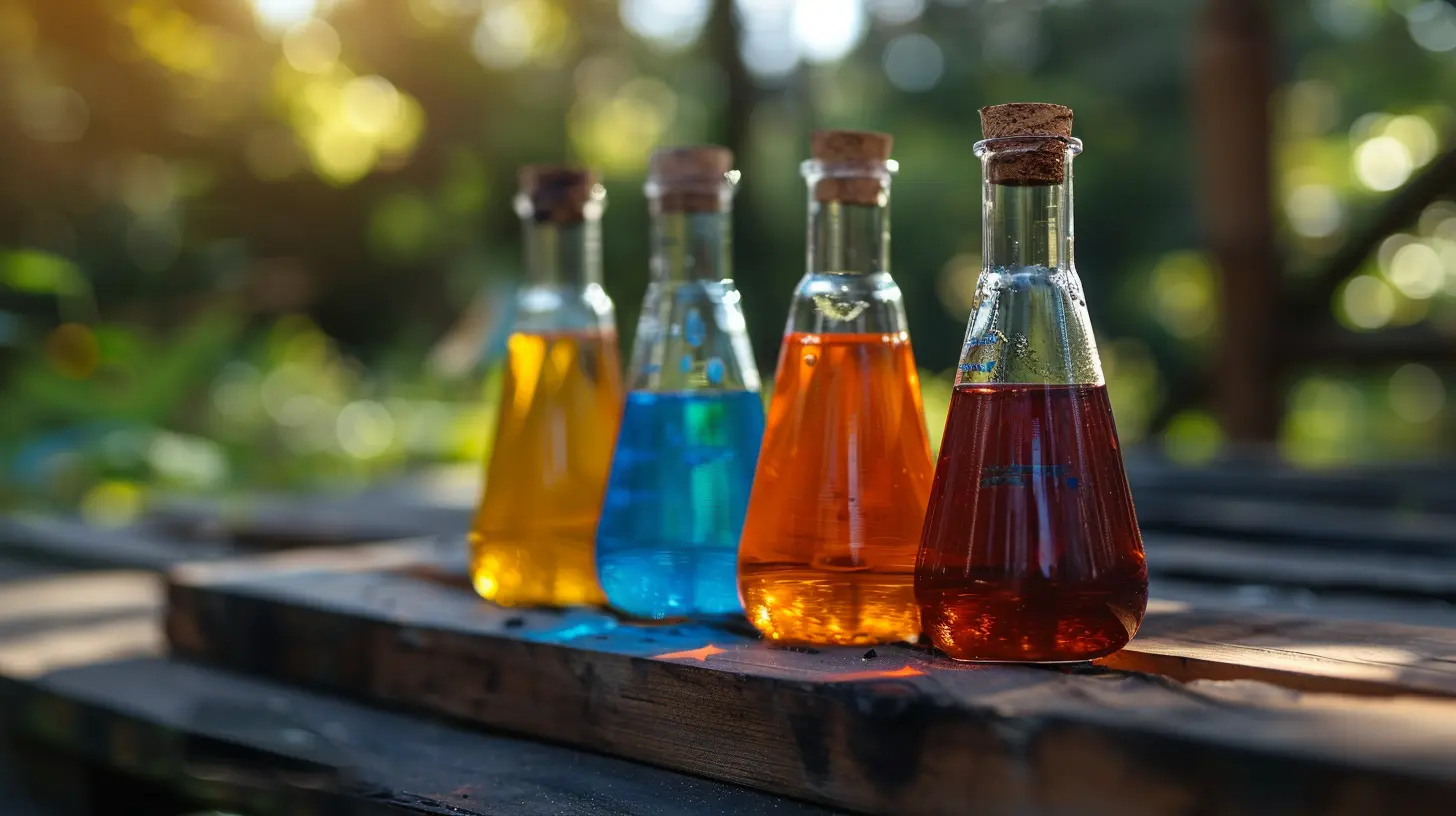
3. Leaf Chromatography (Botany)
Did you know leaves hide secret colors inside them? This experiment is a cool way to show kids the pigments within leaves.What You Need:
- A variety of leaves (green, red, yellow)- Rubbing alcohol
- Coffee filters
- Small jars
- A spoon
How to Do It:
1. Tear up the leaves and place them in separate jars.2. Pour enough rubbing alcohol to just cover the leaves.
3. Crush the leaves with a spoon to release the pigments.
4. Place a strip of coffee filter into each jar so that the bottom just touches the alcohol.
5. Let it sit overnight.
The Science Behind It:
Leaves contain different pigments like chlorophyll (green), carotenoids (yellow), and anthocyanins (red). This experiment reveals those hidden colors as the pigments separate on the coffee filter.4. DIY Sundial (Astronomy & Timekeeping)
Can kids tell time using just the sun? Absolutely! This sundial experiment introduces them to how ancient civilizations tracked time.What You Need:
- A pencil or stick- A paper plate
- A marker
- A sunny day
How to Do It:
1. Poke the pencil through the center of the paper plate.2. Place it outside in a sunny spot.
3. Every hour, mark where the shadow falls on the plate.
4. By the end of the day, you’ll have a functioning sundial!
The Science Behind It:
As the Earth rotates, the sun appears to move across the sky, casting shadows at different angles. A sundial uses these shadow movements to tell time—just like ancient civilizations did.5. Soil Layers in a Jar (Earth Science)
What’s underneath our feet? Let’s find out by creating a mini Earth science experiment with a simple jar of soil.What You Need:
- A clear glass jar- Different types of soil (sand, dirt, clay)
- Water
How to Do It:
1. Fill the jar halfway with different soil types.2. Add water to the top and shake it up.
3. Let it sit for a few hours.
The Science Behind It:
Heavier particles like sand settle at the bottom, while lighter ones stay on top, showing how different layers of earth settle over time.6. Floating or Sinking Nature Objects (Physics)
Why do some things float while others sink? Let’s turn a simple pond or bucket of water into a science lab.What You Need:
- A bucket of water- Rocks, leaves, sticks, and other nature items
How to Do It:
1. Ask kids to guess if each object will sink or float.2. Drop them in and observe what happens!
The Science Behind It:
It all comes down to density! Objects denser than water sink, while less dense ones float.7. DIY Rain Gauge (Weather Science)
Who needs a weather channel when kids can measure rainfall themselves?What You Need:
- A clear plastic bottle- A ruler
- A marker
- Scissors
How to Do It:
1. Cut the top off the bottle and turn it upside down inside the base (like a funnel).2. Use a marker to label measurements in inches or centimeters.
3. Place it outside in an open area when it rains.
The Science Behind It:
The rain gauge collects rainfall, helping kids understand precipitation and weather patterns.Final Thoughts
Nature is the best classroom, and the great outdoors is full of fascinating experiments waiting to be discovered. By encouraging kids to explore and ask questions, you're not just teaching them science—you’re sparking a lifelong love for learning.So, grab your little scientists, head outside, and let curiosity lead the way. Who knows? Today’s dirt-covered, experiment-loving child might just be tomorrow’s groundbreaking scientist!
all images in this post were generated using AI tools
Category:
Outdoor ActivitiesAuthor:

Zelda Gill
Discussion
rate this article
1 comments
Beatrice Bennett
Who knew nature was the ultimate classroom? Just remember, when your kid tries to turn a worm into a pet, it's all part of the learning process... right?
June 25, 2026 at 4:41 AM
Zelda Gill
Absolutely! Kids learn so much through their curiosity and experiences in nature, even if it means befriending a worm. It's all about exploration and discovery.