The Power of Outdoor Observation: Teaching Kids to Slow Down
14 December 2025
Let’s face it—life moves fast. Between school drop-offs, after-school activities, screen time battles, and bedtime routines, it feels like there’s hardly a moment to breathe. And kids? They're swept right along in the whirlwind. But what if there was a simple, free, and profoundly effective way to hit the brakes? Well, there is—and it’s right outside your front door.
Outdoor observation is more than just "going outside." It’s about slowing things down and encouraging kids to really notice the world around them. It helps them breathe, think, reflect, and even grow emotionally and intellectually. Sounds magical, right? Let’s dig into why the power of outdoor observation might be just what your child (and hey, maybe even you!) needs.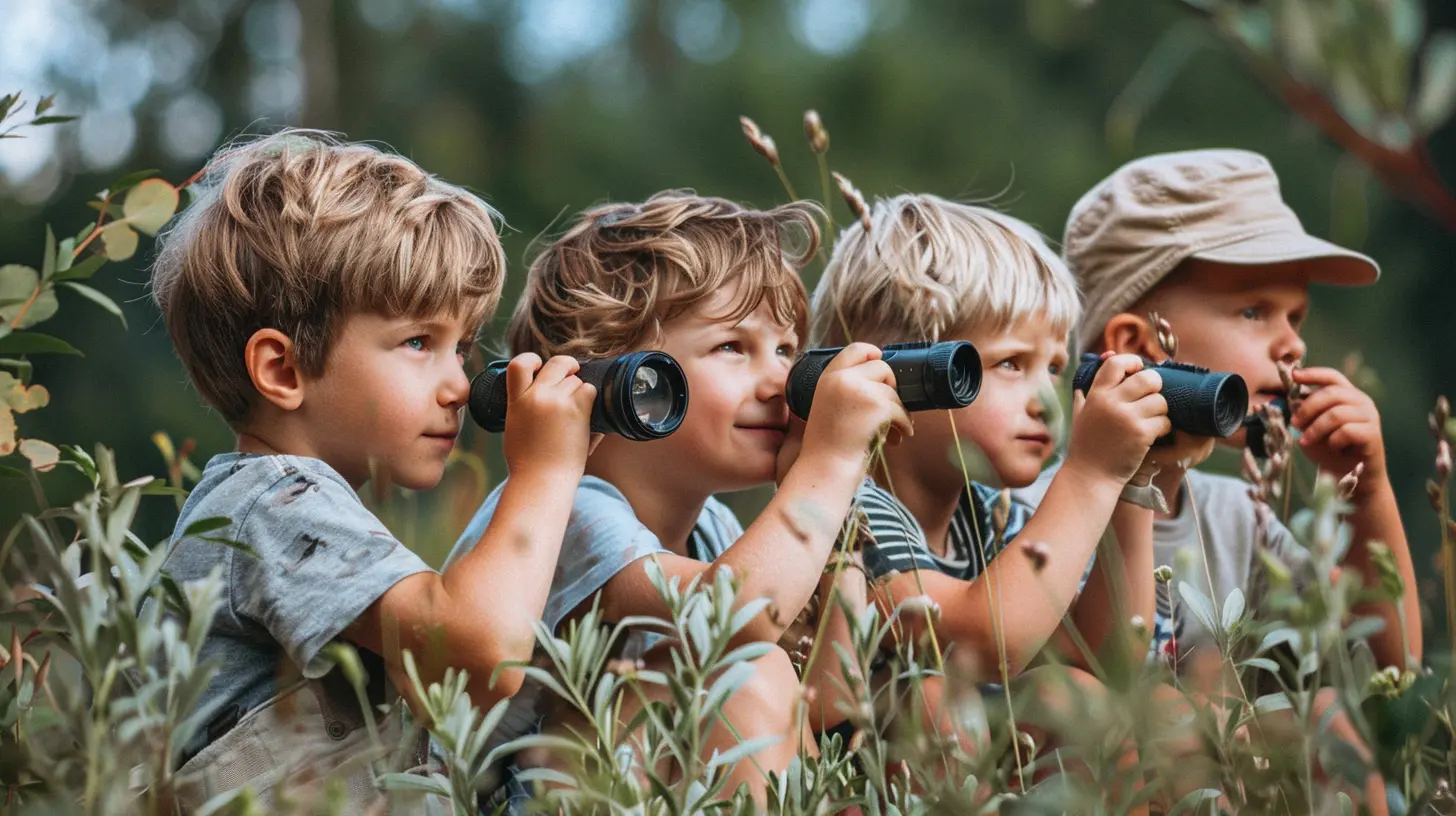
Why the Rush? How Kids End Up in Fast-Forward Mode
Take a second to think about your child’s typical day. Alarms, morning rushes, packed schedules, digital distractions... it's not just adults feeling the pinch—our kids are too. They've become used to multi-tasking, quick responses, and instant gratification.When was the last time you saw your child just sit and look at a tree for five minutes? Or quietly watch ants at work without poking them with a stick after 30 seconds? Yeah... didn’t think so.
Kids today are living in a hyper-connected, fast-paced world. Their growing brains are constantly being fed stimulus after stimulus. And while that might be exciting, it’s not always healthy. That’s where outdoor observation becomes a powerful antidote.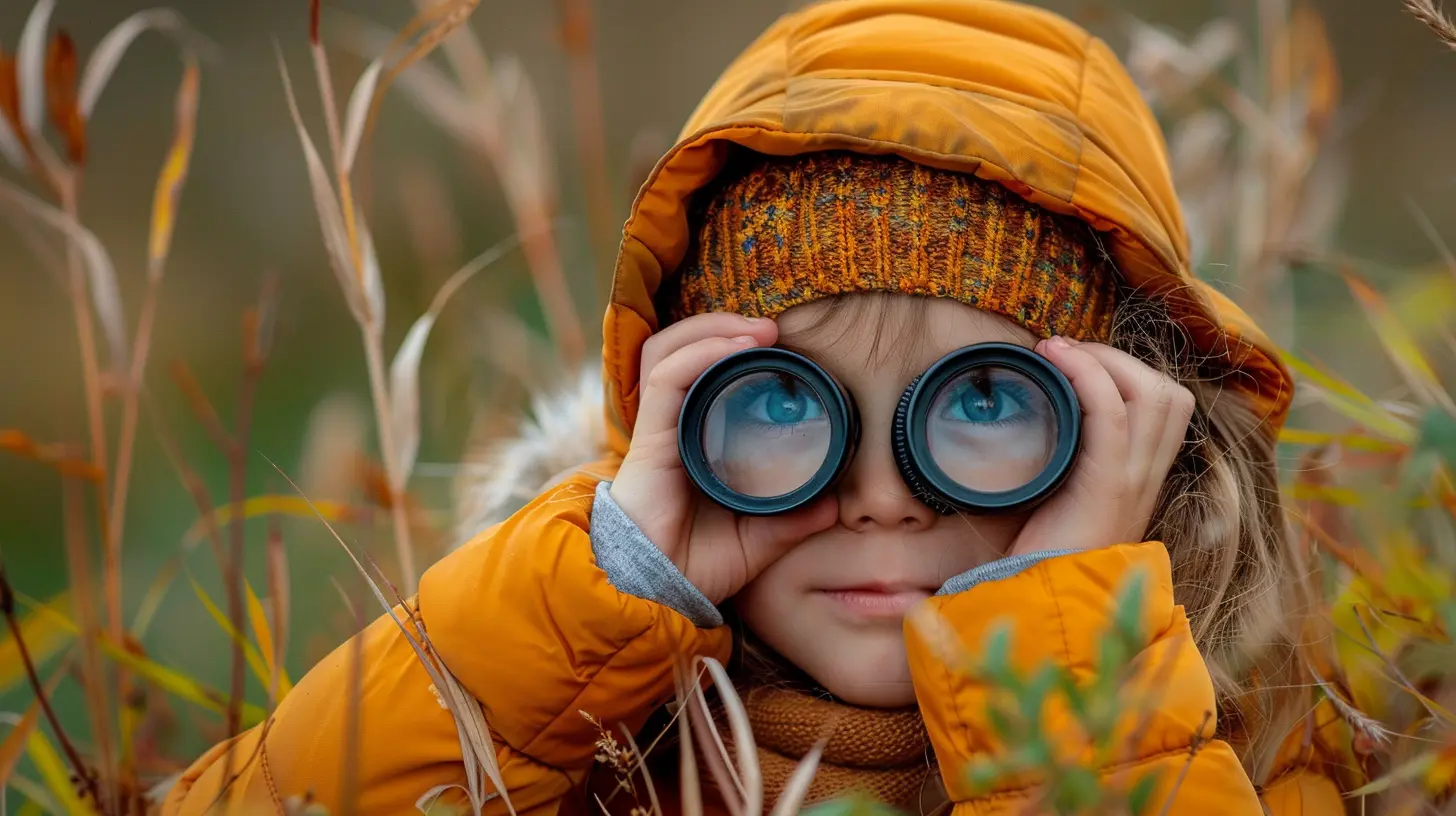
What Is Outdoor Observation, Anyway?
Outdoor observation isn’t about hiking mountains or doing a nature scavenger hunt (although those can be great too). It’s simpler—more… mindful. It's about being in nature, not necessarily doing something in it.It involves encouraging children to pause and really see their surroundings. The way the leaves flutter in the breeze. The sound of wind whispering through the trees. The tiny insects crawling through patches of moss. The clouds changing shape.
It’s all there. Right under our noses. But most of us never stop long enough to truly notice.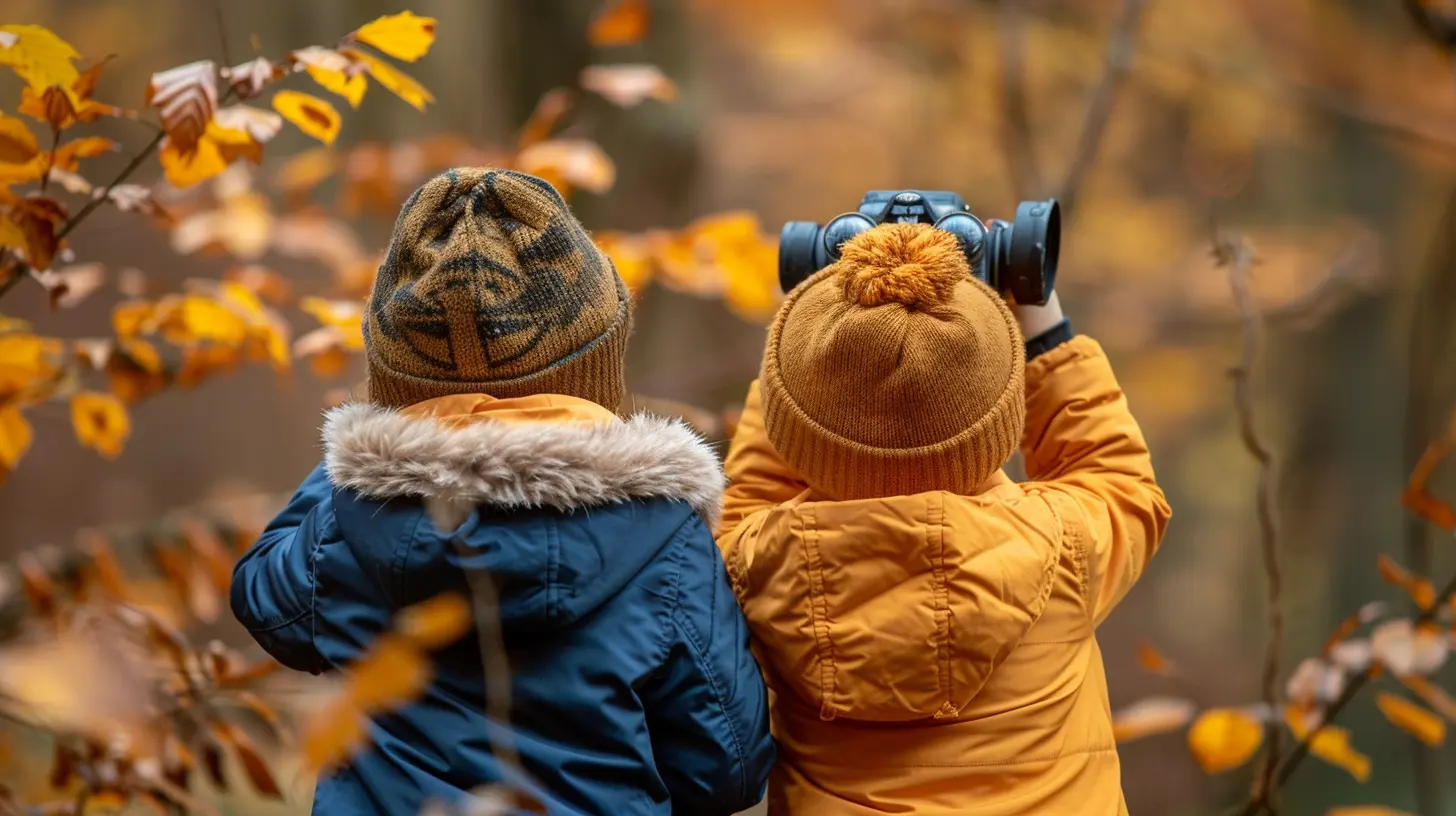
The Benefits of Slowing Down Outdoors
1. Builds Mindfulness and Mental Clarity
Mindfulness isn’t just a buzzword—it’s a life skill. And the earlier we teach kids to be present, the better equipped they’ll be for handling stress and anxiety later on.Sitting in a garden and focusing on the rhythm of a butterfly’s wings? That’s mindfulness in action.
Through outdoor observation, kids learn to quiet their minds. They begin to understand how to slow down their thoughts, which helps improve focus and emotional regulation.
2. Sparks Curiosity and Wonder
Remember the awe you felt watching your first shooting star or spotting baby birds in a nest? That's the kind of magic outdoor observation fosters.When kids are given the chance to just watch, to notice tiny details in the natural world, their imaginations kick in. They start asking questions like, “Why do ants line up like that?” or “How does moss live on rocks?” Boom—natural curiosity ignited. And curiosity is the foundation of lifelong learning.
3. Encourages Patience and Stillness
In a culture where everything is instant—microwaves, streaming, Google—it can be tough for kids to learn patience. But nature doesn’t rush, and that's the beauty of it.Watching a caterpillar crawl across a leaf can teach kids that not everything has to happen fast. They learn to appreciate the wait. It’s like nature’s own version of a slow cooker—rich, rewarding, and oh-so-worth-it.
4. Strengthens Emotional Resilience
There’s something incredibly grounding about nature. Trees sway regardless of storms. Birds find twigs after the wind blows their nests down. Nature keeps moving, adjusting, thriving.When kids spend time observing nature, they start to absorb its calm resilience. They begin to see cycles—growth, change, loss, and renewal—which helps them put their own emotions and experiences into perspective.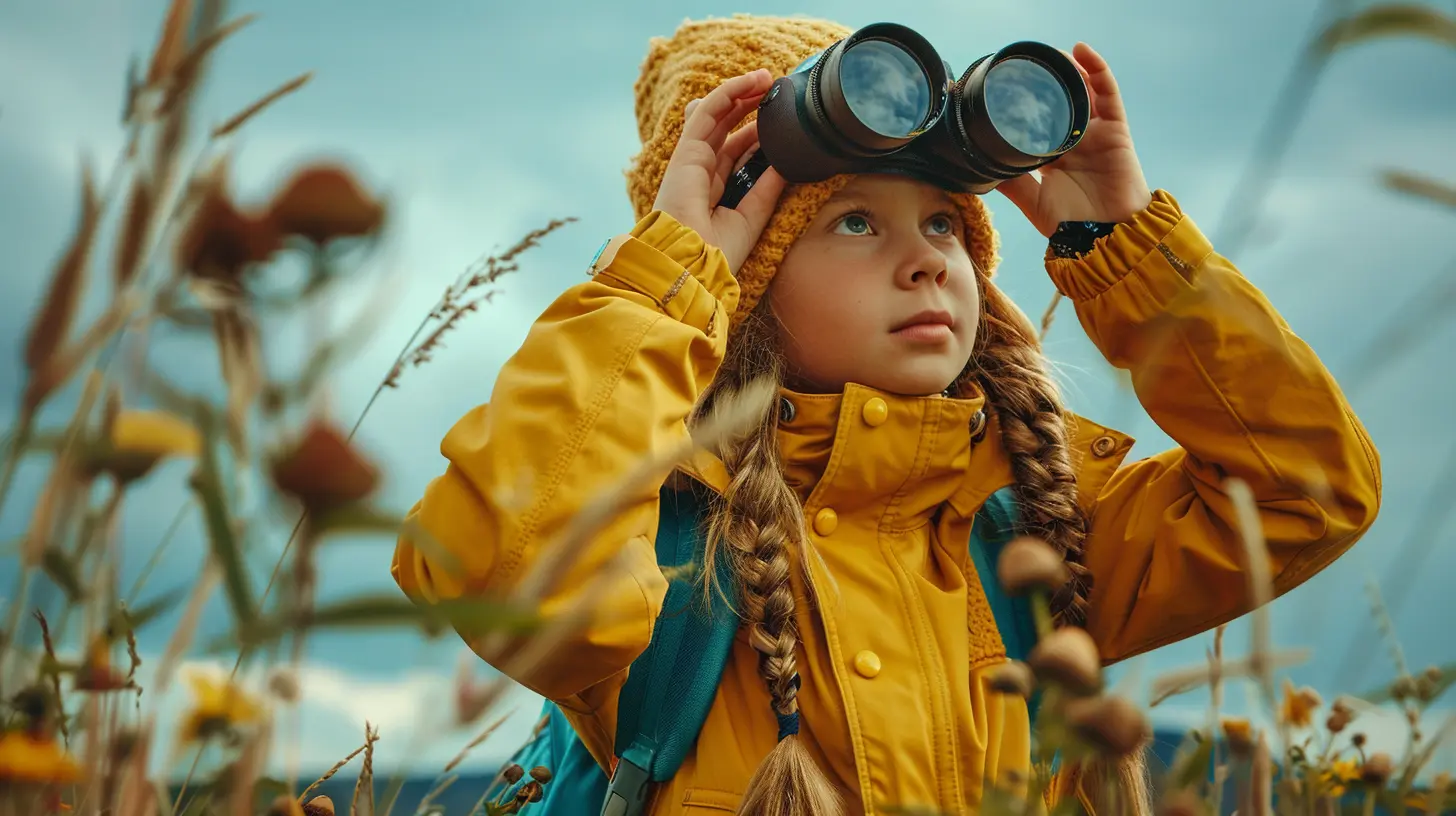
How to Get Started: Making Outdoor Observation a Habit
Okay, you’re sold on the benefits. Now what? Let’s look at how you can help your child slow down and observe the world around them—even if you've only got a patch of grass outside your apartment or a balcony garden.1. Start Small and Keep It Simple
Don’t feel like you need to spend hours in the woods. Start with 10–15 minutes. Sit in your backyard, a nearby park, or even just on the front steps. The key? Be present.Tell your child, “Let’s just sit and listen to the world for a bit.” That’s all it takes.
2. Use Their Senses
Encourage them to engage all five senses.- What do you hear?
- What can you see that's moving?
- What does the bark on that tree feel like?
- Can you smell the flowers or the dirt?
- What’s the air taste like after the rain?
Turning observation into a sensory exploration keeps it fun and active, even while staying still.
3. Create a Nature Journal
Grab a notebook or sketchpad, and let your child draw or write about what they see. It could be as simple as sketching a leaf or writing down a sound they heard.No rules. No grades. Just pure expression.
You’ll be amazed at how their entries evolve as they start noticing more.
4. Make It a Ritual
Try to build a regular rhythm. Maybe it's “Sunset Fridays” or “Early Morning Walks on Saturdays.” Kids thrive with routines, and even a weekly observation moment can make a big difference.5. Lead by Example
Kids model what they see. If you're scrolling on your phone while telling them to “observe,” they’ll catch on. Join in. Put your phone away. Watch the sky. Smell the flowers (literally). Be a student of nature alongside them.Taking It Deeper: Teaching Reflection
Observation is one thing; reflection takes it to the next level.After a quiet moment outside, ask thought-provoking questions like:
- “What surprised you today?”
- “Did anything make you feel calm?”
- “What would this place look like during another season?”
These types of open-ended questions build deeper thinking skills, empathy, and emotional awareness. Plus, they ignite beautiful conversations between you and your child.
When Kids Push Back: “But I’m Bored!”
Ah, the B-word. “I’m bored.” Don’t worry—it’s actually a great sign.Boredom is the gateway to creativity and curiosity. Stick with it. Resist the urge to pull out activities or distractions.
Eventually, their minds will start to wander in the best way. That rock? It might become a castle. That squirrel? Part of a backyard safari.
Give boredom space. Observation is just waiting for it to open the door.
Tech and Nature: Can They Mix?
Sure, we want to unplug, but let’s be real—tech is a big part of kids’ lives. So why not use it as a tool?You could:
- Take nature photos and create a digital scavenger hunt.
- Use an app like Seek by iNaturalist to identify plants and bugs.
- Record sounds with a phone and guess what they are later.
Just make sure it supports observation rather than distracts from it.
The Long-Term Payoff
When kids learn to slow down and appreciate the natural world, they carry that skill throughout their lives.They’ll grow up with stronger observation skills, better emotional intelligence, and an appreciation for nature. They’ll be less likely to rush through life and more likely to savor it.
Outdoor observation helps raise calm, curious, grounded humans in a noisy, fast-moving world. That’s a win any parent can feel good about.
Final Thought: The Sky, the Ants, and Everything In Between…
Think about this—nature doesn’t have a to-do list. It just is. A tree isn’t worried about what comes next. It’s growing, shedding, blooming… all in its own time.When we give our kids the gift of observing that rhythm, we’re planting a seed of calm and awareness that can last a lifetime.
So next time your child is bouncing off the walls or staring blankly at a screen, guide them to the backyard. Sit. Listen. Watch. Breathe.
The whole world is waiting to be noticed. Show them how.
all images in this post were generated using AI tools
Category:
Outdoor ActivitiesAuthor:

Zelda Gill
Discussion
rate this article
2 comments
Patrick Barker
This article beautifully highlights the importance of outdoor observation, encouraging children to connect with nature, enhance mindfulness, and develop patience—essential skills for their overall growth and well-being.
December 19, 2025 at 3:58 PM
Zelda Gill
Thank you for your kind words! I'm glad the article resonated with you and underscored the significance of outdoor observation for children's growth and mindfulness.
Enid Kirk
What a delightful reminder! Encouraging our kids to slow down and observe nature not only sparks their curiosity but also helps cultivate mindfulness. Let's embrace these moments together and watch their imaginations soar! 🌿✨
December 14, 2025 at 4:17 PM
Zelda Gill
Thank you! Embracing nature truly enriches our children’s minds and nurtures their creativity. Let’s cherish these moments together! 🌱✨