Recognizing the Early Warning Signs of Bullying
19 February 2026
Bullying isn't just a schoolyard squabble or “just part of growing up.” It's real, it's harmful, and it leaves deep emotional scars if not addressed early. As parents, caregivers, or educators, we need to be the first line of defense. And that starts with being able to spot the signs—sometimes subtle, sometimes loud—that a child might be experiencing bullying.
In this article, we’re going to talk heart-to-heart about recognizing the early warning signs of bullying, what they might look like in real life, and how to trust your gut to know when something’s “off.” This isn’t about instilling fear—it’s about empowering you to be the superhero your child might need.
What Exactly Is Bullying?
Before we can detect bullying, let’s make sure we’re all on the same page. Bullying isn’t just one mean comment or an argument between friends. It’s repetitive, targeted behavior intended to hurt someone physically, emotionally, or socially. It can take many forms—physical aggression, verbal abuse, social exclusion, cyberbullying, and even subtle manipulation.Think of bullying as a storm cloud slowly building over your child’s life. At first, the sky is just a little gray. But if you’re paying attention, you’ll notice the wind picking up before the thunder hits.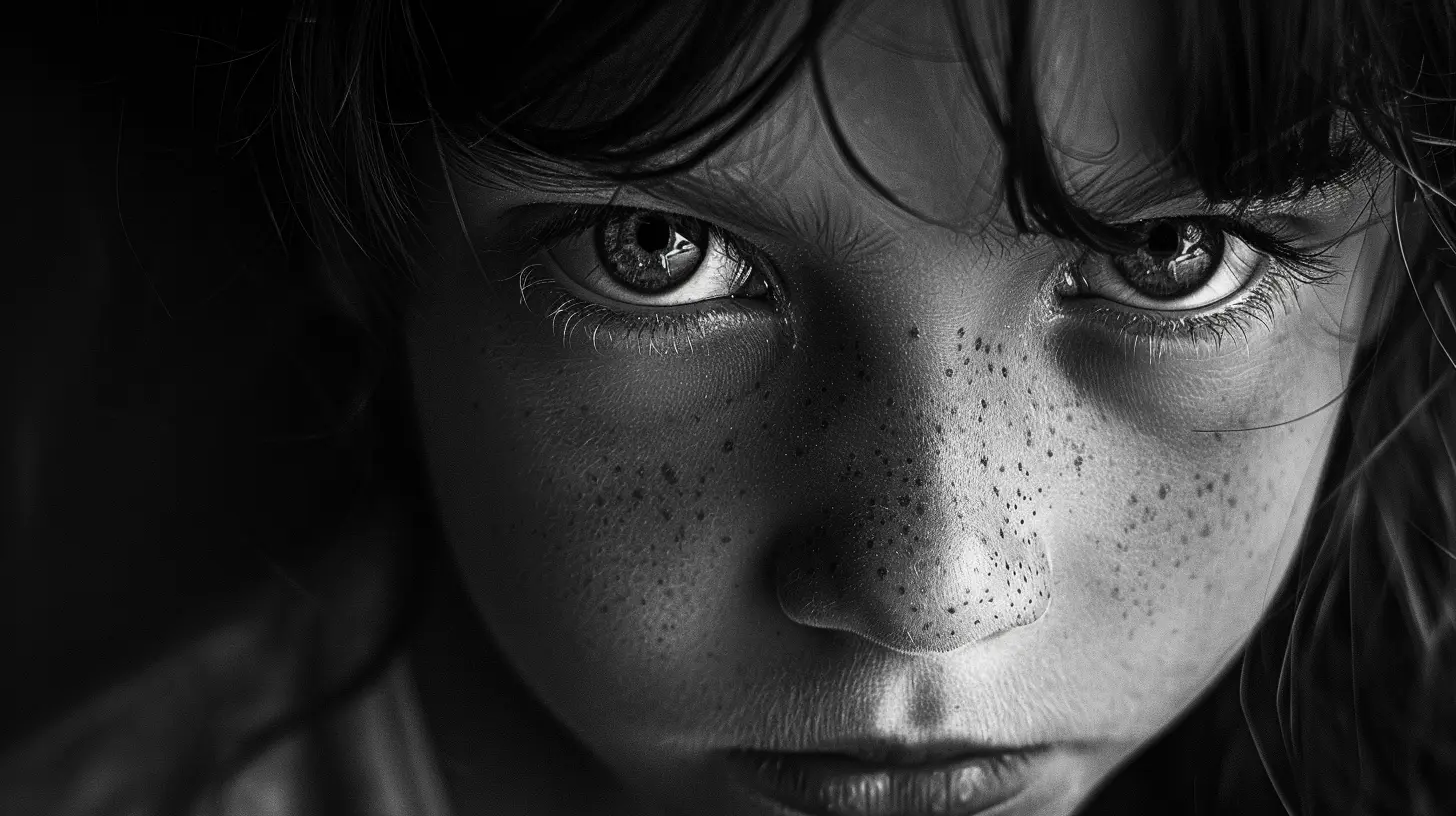
Why Early Detection Matters
Catching bullying early can make a world of difference. Just like an untreated wound gets worse, bullying that’s ignored can spiral into more severe emotional trauma, anxiety, depression, and trust issues. The sooner you catch it, the sooner your child can begin to heal and reclaim their confidence.Let’s jump into the signs you should be looking for—not just the obvious ones, but also the ones that are easy to overlook.
1. Changes in Behavior or Mood
This is one of the biggest red flags. No one knows your child better than you. If they suddenly start acting differently—quieter, more anxious, angry, or withdrawn—it could be a sign that something is wrong.Have they stopped doing things they once loved? Are they snapping at siblings or isolating themselves in their room? That shift might be their way of saying, “Help,” without actually saying it.
🚨 Watch for:
- Sudden mood swings or outbursts- Avoiding eye contact or growing unusually quiet
- Declining interest in school, hobbies, or friends

2. Physical Complaints Without a Clear Reason
This one shows up more than you'd think. Kids don’t always express emotional pain with words—they show it through their bodies.Is your child constantly asking to stay home with a “stomach ache” or a “headache”? Do these illnesses mainly happen on weekdays or before school? That might not be a coincidence.
🚨 Watch for:
- Frequent unexplained headaches or stomach pains- Complaints that never seem to line up with any physical illness
- Exhaustion or trouble sleeping
3. Avoiding School or Social Activities
When kids are being bullied, school becomes a battlefield, not a learning place. If your child is begging to stay home or seems full of dread every morning, it’s time to dig deeper.Even a straight-A student might suddenly show a dip in grades—not because they’re lazy, but because they’re distracted, anxious, or trying to avoid their bullies.
🚨 Watch for:
- Frequent tardiness or school absences- Making excuses to skip after-school activities
- Unexpected loss of interest in clubs, teams, or friend groups
4. Changes in Eating or Sleeping Habits
Bullying doesn’t just affect the mind—it messes with the whole routine. If you notice your child skipping meals, overeating, sleeping too much, or struggling with insomnia, it could be a response to ongoing stress.This isn’t just picky eating or a bad dream. This is emotional distress acting out in physical ways.
🚨 Watch for:
- Sudden weight loss or gain- Trouble falling asleep or constant nightmares
- Eating in secret or barely eating at all
5. Unexplained Injuries or Damaged Belongings
If your child is coming home with bruises, cuts, or torn clothes and gives vague or inconsistent stories, you’ve got to pay attention. And it's not just physical injuries—missing lunch money, broken phones, and ruined backpacks can also be warning signs.Kids might be too scared or ashamed to tell you what really happened.
🚨 Watch for:
- Scratches, bruises, or cuts without a clear explanation- Damaged or missing belongings—books, clothes, electronics
- Fearful body language when asked about it
6. Drastic Confidence Drop
Has your once bubbly kid turned timid or self-critical overnight? Bullying chips away at a child’s self-worth until they start believing the awful things being said about them.They might start questioning their abilities, appearance, or value. And sometimes, they’ll even defend the bully, brushing it off as “just a joke.”
🚨 Watch for:
- Negative self-talk like “I’m stupid” or “No one likes me”- Less interest in trying new things due to fear of failure
- Overly apologetic or fearful mannerisms
7. Social Isolation or Friend Loss
Friends are lifelines in childhood and adolescence. If your child suddenly seems alone—no playdates, texts, or invites—it might not be by choice.Bullying often includes exclusion tactics, making the child feel like an outsider. They might be purposely kept out of games, group chats, or lunch tables.
🚨 Watch for:
- Not getting invited to parties or group events- Becoming a solo player when they used to be part of a group
- Telling you they “don’t want friends anymore” or “everyone hates them”
8. Secretive Tech or Online Behavior
Thanks to the digital age, bullying doesn’t end when the last school bell rings. Cyberbullying is real—and it can be relentless.If your child is suddenly glued to their phone but seems upset afterward, or avoids using it altogether, something might be going on. Maybe they’re reading mean messages or avoiding group chats turned toxic.
🚨 Watch for:
- Hesitation or stress when receiving texts or notifications- Quickly shutting screens when you walk in
- Not wanting to go online at all or deleting social media accounts
9. Self-Harm or Talk of Hopelessness
This is the most serious warning sign and one that should never be brushed aside. If your child mentions feeling worthless, talks about running away, or shows signs of self-harm like cuts or burns, act immediately.They’re waving a red flag, screaming for help through the silence.
🚨 Watch for:
- Phrases like “I wish I wasn’t here” or “Nothing matters”- Hiding arms or legs even in hot weather
- Seeming unusually withdrawn or emotionally numb
How to Talk About It Without Scaring Them Off
You’ve spotted a few signs. Now what?First, breathe. The goal here is to open up a safe conversation—without making your child shut down or feel like they’re in trouble.
Keep it light when you begin:
“Hey, I’ve noticed you’ve been quieter than usual lately. Is something up?”
Or:
“You’ve been having a lot of headaches before school lately. Want to talk about what’s going on?”
Let them know it’s a judge-free zone. No blaming, just listening. Sometimes, they’ll open up right away. Other times, it takes a few tries. Be patient but persistent.
When to Step In and Seek Help
If your child confirms they’re being bullied—or if the signs are too hard to ignore—it’s time to act. Don’t wait.- Contact teachers or school counselors. They can monitor and document what’s going on.
- Consider therapy if your child seems emotionally affected.
- In cases of physical harm or threats, involve the authorities or school board.
You’re your child’s advocate. They need to know you’re in their corner, ready to step up when things get rough.
Help Them Build Resilience
While adults work to stop bullying, teaching your child coping strategies can help them bounce back stronger:- Practice positive self-talk together.
- Role-play how to respond to bullies.
- Encourage building supportive friendships.
- Get them involved in activities that boost confidence (sports, arts, volunteering).
Remember, resilience doesn’t mean ignoring the pain. It means helping them see they’re not defined by it.
Final Thoughts
Recognizing the early warning signs of bullying isn’t always easy. Kids are masters at hiding pain, especially when they feel ashamed or afraid. But staying observant, trusting your gut, and being willing to ask the hard questions? That’s what turns concerned parents into protectors.Your child doesn’t have to suffer in silence. With your awareness and action, you can be the lifeline they need before the damage runs deep.
Let’s raise a generation who knows they don’t have to face bullying alone—because they’ve got us.
all images in this post were generated using AI tools
Category:
Dealing With BullyingAuthor:

Zelda Gill
Discussion
rate this article
2 comments
Zevran King
Your child's feelings are valid; trust them.
March 17, 2026 at 4:31 PM
Zelda Gill
Absolutely, validating a child's feelings is crucial in addressing bullying. It fosters open communication and support.
Antonia Griffin
Spotting the signs of bullying early isn’t just smart parenting—it’s essential. Remember, the quieter the cries, the louder the hurt. Stay vigilant and proactive for your child's well-being!
February 23, 2026 at 4:29 PM
Zelda Gill
Thank you for emphasizing the importance of early detection in bullying. Staying vigilant can make a significant difference in a child's well-being!