The Link Between Responsibility and Confidence in Kids
24 March 2026
Raising confident and responsible kids is a goal most parents share. We all want our children to believe in themselves, take on challenges, and develop essential life skills. But did you know that responsibility and confidence go hand in hand? Giving kids responsibility helps build their self-esteem, encourages independence, and teaches them the value of their actions.
In this article, we’ll dive deep into the connection between responsibility and confidence in kids and how you can use everyday moments to nurture both.
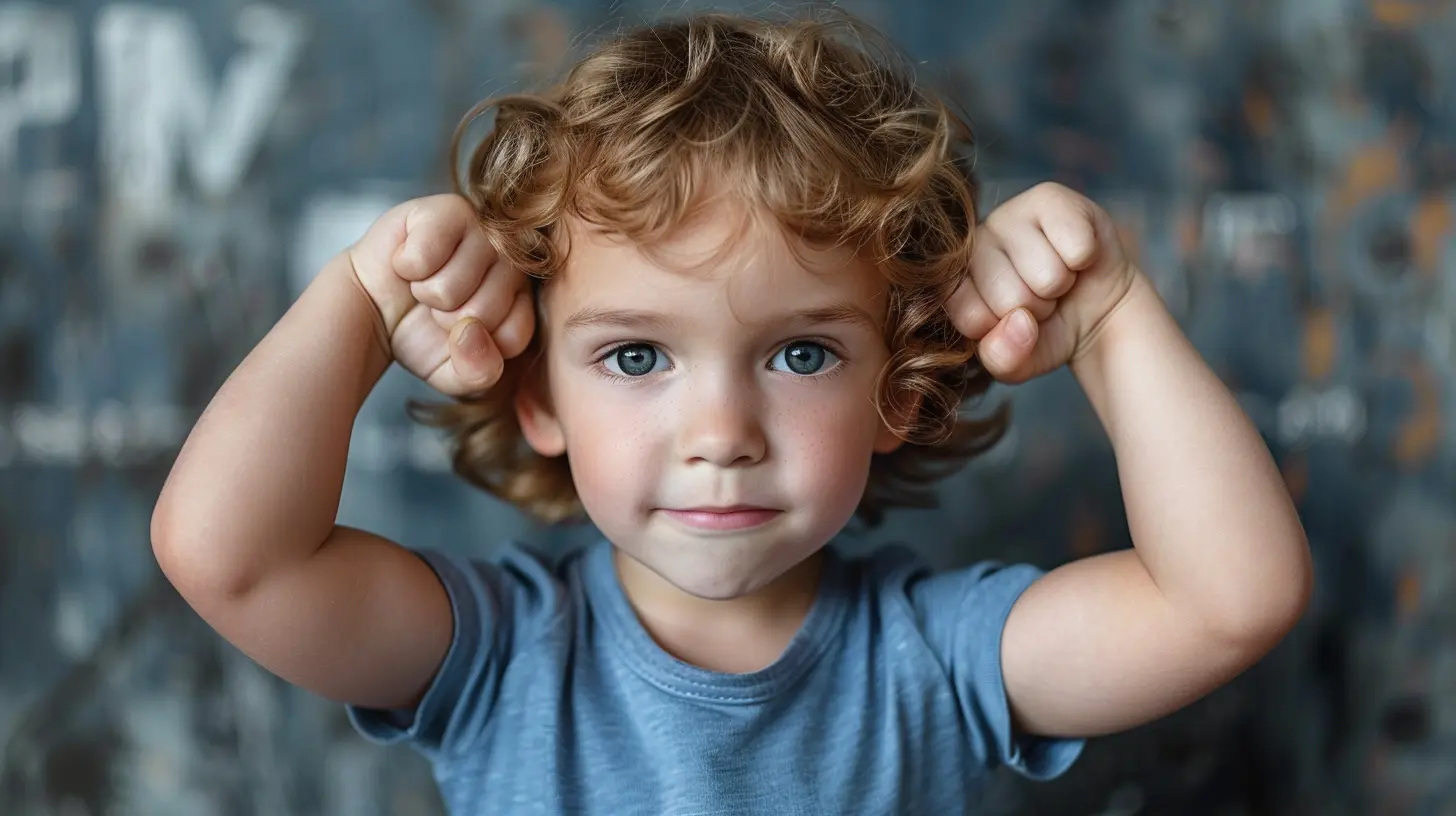
How Responsibility Builds Confidence
1. Gives Kids a Sense of Purpose
Imagine the pride a child feels when they complete a task on their own—whether it's making their bed, feeding a pet, or helping with dinner. These small responsibilities give children a sense of purpose. They realize their contributions matter, which reinforces their self-worth.When kids recognize that their actions have meaning, they develop a stronger sense of identity. They’re no longer just "kids" who rely on others; they’re capable individuals who can make a difference in their world.
2. Encourages Decision-Making
When children are given responsibilities, they must make choices. Should they complete their homework before playtime? How should they divide their allowance between saving and spending? These everyday decisions shape their ability to think critically and solve problems.Decision-making fosters confidence because it reassures kids that their opinions matter. Over time, they start trusting their instincts and making informed choices. This builds independence, which is a key ingredient in confidence.
3. Teaches Accountability
Being responsible means understanding that actions have consequences. If your child forgets to water the plants, they’ll see them wilt. If they leave their toys outside, they might get ruined. These lessons reinforce the idea that their choices impact the world around them.Instead of punishing mistakes, use them as learning opportunities. Gently guide your child in understanding what went wrong and how they can do better next time. This approach helps them develop resilience while maintaining their confidence.
4. Promotes Independence
Kids thrive when they’re given the freedom to handle tasks on their own. When they learn to dress themselves, pack their lunches, or do simple chores, they become more self-reliant.The more independent they feel, the more confident they become. They no longer feel like they have to depend on someone else for everything. This self-sufficiency reassures them that they are capable and competent individuals.

Practical Ways to Teach Responsibility
1. Assign Age-Appropriate Tasks
Not all responsibilities are created equal. A toddler can put toys away, while a pre-teen can manage their homework schedule. Matching tasks to your child’s age and abilities ensures they feel successful rather than overwhelmed.Some examples include:
- Toddlers (2-4 years): Putting toys away, throwing trash in the bin
- Preschoolers (4-6 years): Setting the table, watering plants
- School-age kids (6-10 years): Feeding pets, making their bed
- Tweens & Teens (10+ years): Doing laundry, cooking simple meals
Starting early helps kids develop responsibility gradually, making it second nature.
2. Let Them Make Mistakes
It’s tempting to jump in when kids struggle, but allowing them to make mistakes is essential for growth. If they spill juice while pouring it, don’t scold them—teach them how to clean it up. If they forget their lunch, let them figure out a solution at school.By dealing with real-life consequences, kids gain confidence in handling challenges. They realize that mistakes are part of learning and not something to fear.
3. Encourage Problem-Solving
Instead of always offering solutions, ask kids how they would handle a situation. If they forget a school project at home, ask, "What do you think you should do next time to remember it?"This method teaches kids to think ahead and take ownership of their actions. It also reassures them that they can find solutions, which boosts self-confidence.
4. Praise Effort, Not Just Results
Kids need to hear that their efforts matter, not just the outcome. Instead of saying, “You’re so smart,” try, “I love how hard you worked on that.” This encourages a growth mindset, where they value effort and perseverance over perfection.When children feel appreciated for their hard work, they’re more likely to take on new challenges with confidence.
5. Be a Role Model
Children imitate what they see. When they watch you take responsibility for your actions—whether it’s apologizing for a mistake, managing time wisely, or completing tasks with dedication—they learn to do the same.Show them that responsibility isn’t a burden but a way of life. When they see the rewards of accountability firsthand, they’ll naturally adopt it themselves.

The Confidence-Responsibility Cycle
Responsibility and confidence feed off each other in a continuous cycle. When kids take on responsibilities, they gain confidence. That confidence, in turn, makes them more willing to take on greater responsibilities.As parents, our role is to nurture this cycle by providing opportunities for our kids to grow. Avoid micromanaging and trust that they’ll rise to the occasion.

Overcoming Common Challenges
1. What if My Child Resists Responsibility?
Some kids might push back when given responsibilities. Instead of forcing tasks on them, try making it fun. Turn cleaning into a game, set up reward charts, or give them choices to foster cooperation.2. What if They Constantly Forget Their Tasks?
Consistency is key. Use reminder tools like chore charts, alarms, or sticky notes. Sometimes, kids need a little extra structure before a habit forms.3. What if They’re Afraid of Failing?
Reassure them that mistakes are part of the journey. Encourage a mindset where failure is seen as a stepping stone to success. Sharing your own experiences of failure and how you overcame them can be incredibly motivating.Final Thoughts
When kids are trusted with responsibilities, they develop confidence that lasts a lifetime. They learn that they’re capable, independent, and valuable members of their family and community.As parents, our job isn’t to do everything for our children but to guide them toward self-sufficiency. By slowly increasing responsibilities and encouraging their efforts, we set our kids up for success—not just as children but as confident, responsible adults.
So, next time your child spills the milk or forgets their homework, take a deep breath and see it as an opportunity. Every small responsibility they handle today builds the confident individual they’ll become tomorrow.
all images in this post were generated using AI tools
Category:
Building ConfidenceAuthor:

Zelda Gill
Discussion
rate this article
2 comments
Uri McWilliams
Great article! It's amazing how teaching our kids responsibility can really boost their confidence. Small tasks lead to big changes in their self-esteem!
March 30, 2026 at 3:03 PM
Zelda Gill
Thank you! I'm glad you found the article insightful. Teaching responsibility truly is a powerful way to build self-esteem in children.
Gisela Carey
Great article! It's so true that teaching our kids responsibility really boosts their confidence. Little tasks can make a big difference in how they see themselves. Thanks for sharing!
March 25, 2026 at 5:31 PM
Zelda Gill
Thank you! I'm glad you found it helpful. Those little tasks can really shape their self-image.