The Impact of Sleep on Teenagers: What Every Parent Should Know
2 February 2026
We’ve all been there—peeking into our teenager’s room at 1 AM only to find them still glued to their phones, earbuds in, completely oblivious to the ticking clock. Sound familiar? You're not alone.
Sleep might seem like just another chore for teens, especially with their jam-packed schedules and ever-evolving social lives. But here's the wild part—sleep is just as vital to their development as eating well or getting good grades. In fact, lack of it can wreak havoc on their mental and physical well-being in ways many parents aren’t even aware of.
So, let’s sit down (coffee in hand, of course) and have a real talk about what's going on with our teens and their sleep—or lack thereof.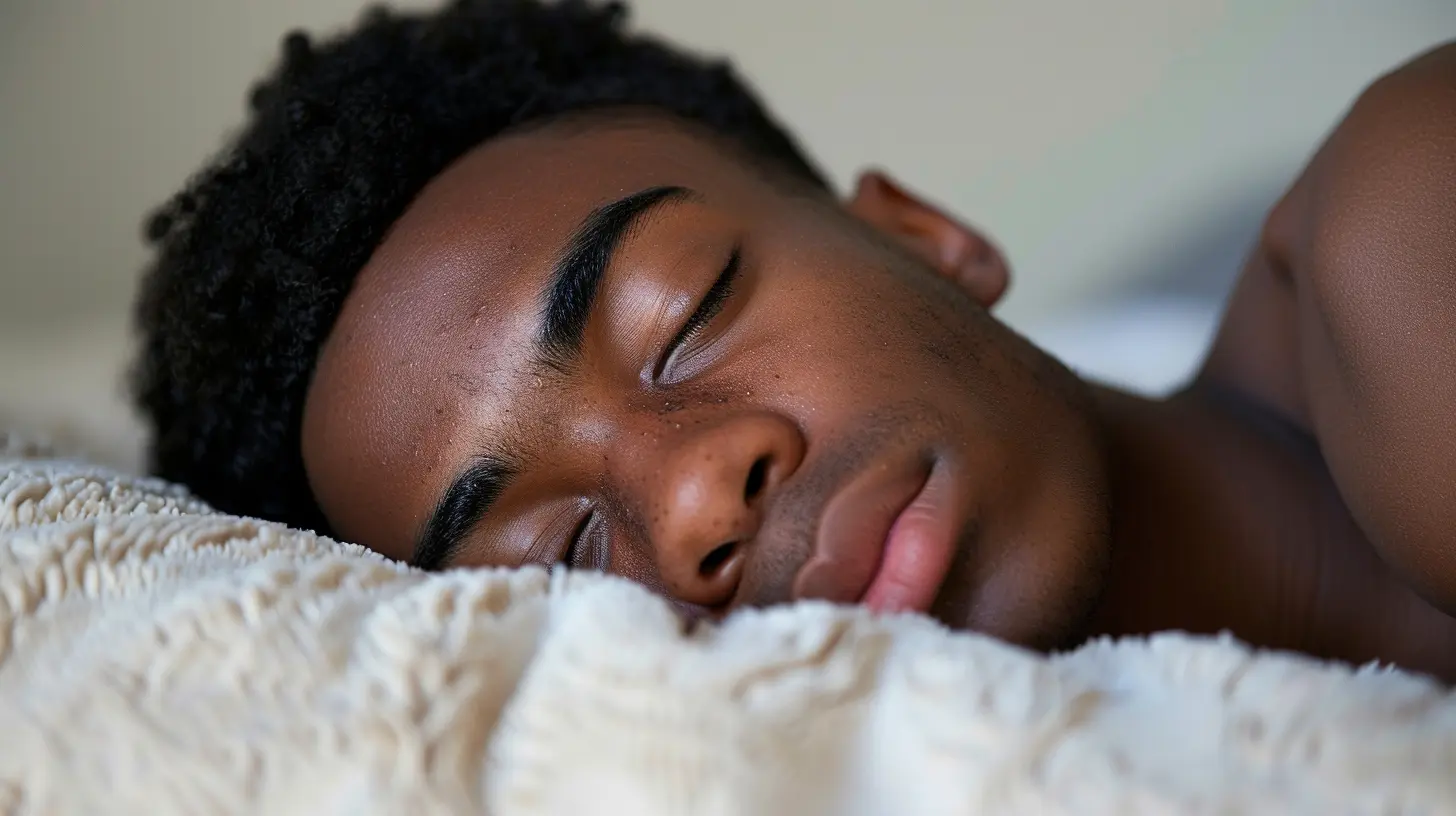
Why Is Sleep So Important for Teenagers?
Let’s start with the basics—teenagers aren’t just mini adults. Their bodies and brains are still under construction, which means sleep isn’t optional; it's essential.Between the ages of 13 and 19, teens go through major growth spurts and hormonal changes. Their brains are rewiring, their emotions are all over the place, and their bodies are growing faster than they can keep up with. Sleep isn’t just rest during this time—it’s fuel for growth and mental clarity.
So How Much Sleep Do Teens Really Need?
The experts—think CDC and the American Academy of Sleep Medicine—advise that teens need between 8 to 10 hours of sleep each night. Yep, you read that right. And no, six hours and a double shot of espresso in the morning doesn't cut it.But let’s be real—how many teens are actually hitting that number nightly?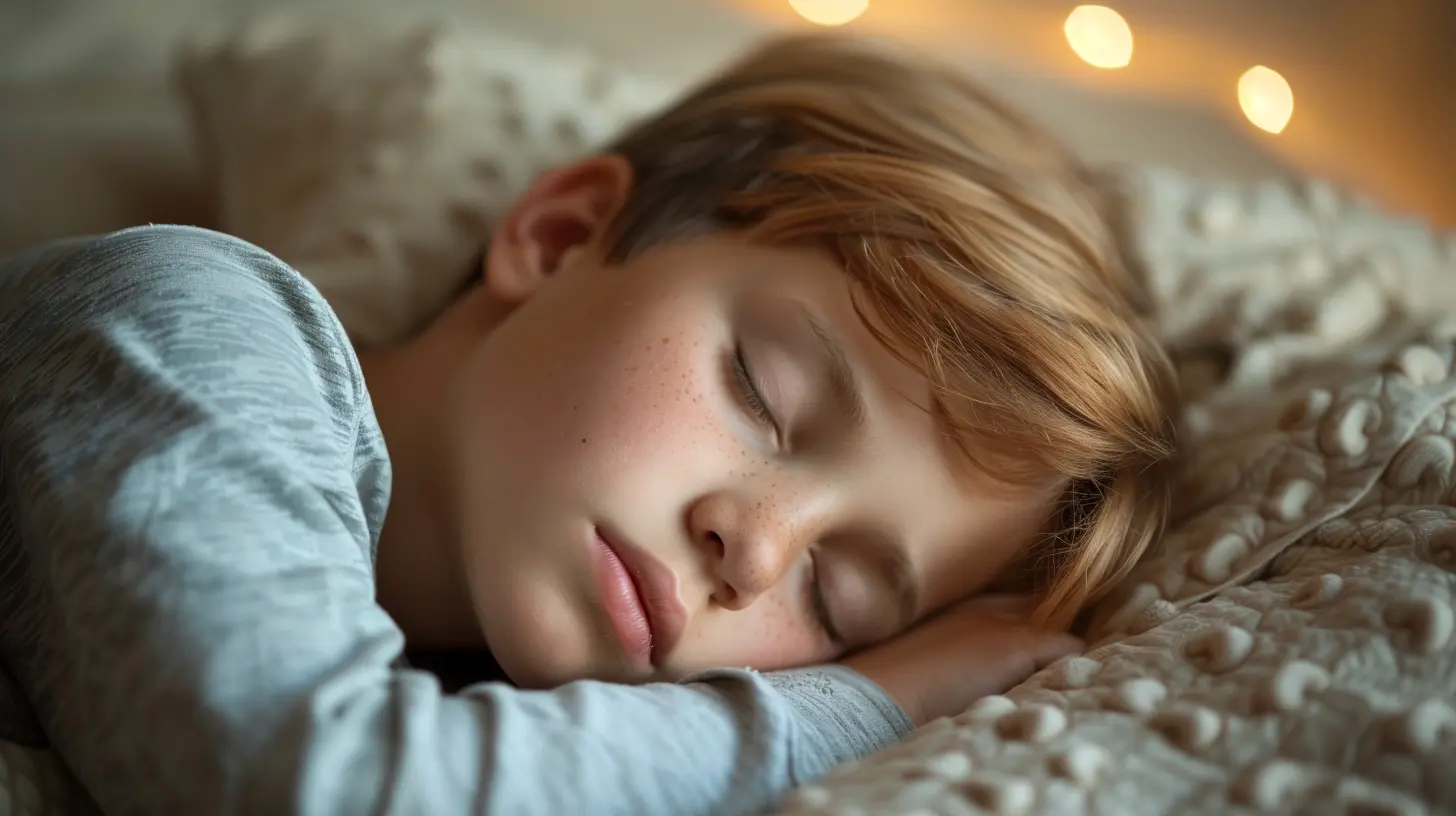
The Sleep Struggle Is Real
It’s not that your teen won’t sleep, it’s often that they can’t—at least not at a decent hour.Biological Shift: The Night Owl Phenomenon
Teenagers aren’t lazy—they’re biologically wired to stay up later. Around puberty, their internal clocks (aka circadian rhythms) shift. This means while you're ready to curl up by 10 PM, your teen’s brain is just getting started.Think of it like their brains are running on a different timezone.
Packed Schedules and Pressure
Between school, homework, sports, after-school jobs, and extracurriculars, there’s barely time to breathe—let alone sleep. Then toss in social media, games, and streaming shows, and BAM—you’ve got the perfect cocktail for chronic sleep deprivation.And let's not forget the academic pressure. Kids today are expected to perform like Olympic athletes—but in classrooms. The stress to succeed often pushes sleep to the bottom of the priority list.
What Sleep Deprivation Really Does to Your Teen
Okay, so they're tired. What's the big deal, right?Wrong.
Sleep deprivation in teenagers is like trying to run the latest iPhone on 1% battery all day. It doesn’t just cause yawns—it causes real, long-term problems.
1. Mental Health Mayhem
Ever tried reasoning with a sleep-deprived teen? You'd have better luck negotiating with a toddler.Chronic lack of sleep has been linked to increased risks of depression, anxiety, and even suicidal thoughts in teenagers. Their emotional regulation takes a nosedive when they’re exhausted, making even minor issues feel like the end of the world.
2. Poor Academic Performance
Sleep-deprived teens don’t just nod off during lectures; they struggle to think clearly, retain information, and solve problems. Memory and concentration suffer big time—and that’s bad news during test season.3. Increased Risk of Accidents
Did you know that drowsy driving can be just as dangerous as drunk driving? Teens who drive while sleep-deprived are significantly more likely to get into car accidents. That’s a scary thought for any parent.4. Weakened Immune System
Lack of sleep throws the immune system off balance. Teens who don’t get enough rest are more likely to catch colds, flu, and even take longer to recover from illnesses.5. Weight Gain and Hormonal Disruption
Sleep affects hormones tied to hunger and metabolism. Teens who aren't sleeping enough often experience increased cravings, poor dietary choices, and—yep—weight gain.
How Parents Can Help (Without Turning It Into World War III)
Let’s be honest: telling your teen to “just go to bed earlier” is like telling a cat not to chase a laser pointer. It’s not that simple.But don’t worry—there are practical, low-drama ways to help your teen get the rest they need.
1. Set a Realistic Sleep Schedule
Help your teen figure out a consistent bedtime that allows for at least 8 hours of sleep. Keep it the same on weekends, too—no more sleeping till noon if they’re up till 3 AM watching TikToks.2. Limit Screen Time Before Bed
This one’s tough, but crucial. Blue light from phones and laptops messes with melatonin production (the sleep hormone). Try a “no screens 1 hour before bed” rule. If you need to, compromise with audiobook time or low-light mode e-readers.3. Create a Sleep-Friendly Environment
Their bedroom should feel like a haven, not a second living room or a game arcade. Dim lights, cozy bedding, and noise control can make a huge difference.Also, try to keep the bed sacred—no homework or Netflix marathons. That helps their brain associate it with sleep only.
4. Encourage Planning and Time Management
Many teens stay up late simply because they’re overwhelmed and behind on work. Help them develop routines and study habits so they’re not cramming at midnight.No, you’re not doing the work for them. You’re just giving them the tools.
5. Be a Role Model
Your habits matter. If they see you scrolling through Twitter at 1 AM, guess what? That becomes normal. Show them that sleep matters at every age.When It Might Be More Than Just “Teen Stuff”
Sometimes, no matter how much you tweak the routines, something still feels off. That’s when it might be time to dig deeper.Signs You Should Talk to a Doctor
- Snoring or breathing pauses during sleep- Excessive daytime sleepiness despite full rest
- Trouble falling or staying asleep for weeks
- Signs of depression or anxiety getting worse
Conditions like sleep apnea, insomnia, and restless leg syndrome can affect teens, too. So, don’t rule anything out.
The Call for Later School Start Times
Here's a shocker—some of the biggest authorities in health, including the American Academy of Pediatrics, recommend that school should start no earlier than 8:30 AM for middle and high schoolers.Why? Because most teens' bodies aren’t even ready to wake up before 8 AM. But unfortunately, many schools still ring that bell at ungodly early hours.
As parents, advocating for change in your community might feel daunting. But even just raising awareness and talking to your school board could start a ripple effect.
Final Thoughts: It’s Not About Laziness, It’s About Biology
If there’s one thing I hope you take from this—it’s that sleep isn’t a luxury; it’s a necessity for our teenagers.Their brains, their bodies, their emotions—it all hinges on getting enough rest. So the next time your teen is cranky, unmotivated, or struggling, instead of jumping to conclusions, ask yourself: "Did they actually get enough sleep last night?"
Chances are, the answer’s no.
And remember—you’re not powerless in this. With a little patience, a few boundaries, and a lot of genuine understanding, you can help your teen build better sleep habits and thrive—both now and in the long run.
Now, go ahead—send this article to that fellow parent who’s also pulling their hair out over bedtime battles. We’re all in this together.
all images in this post were generated using AI tools
Category:
Raising TeensAuthor:

Zelda Gill
Discussion
rate this article
2 comments
Evangeline Ellison
Sleep significantly influences teenagers' mood, cognitive function, and overall health; prioritizing it is crucial for their development.
March 6, 2026 at 4:10 AM
Zelda Gill
Absolutely! Sleep is essential for teenagers, affecting their mood, thinking, and health. Prioritizing good sleep habits is vital for their growth and well-being.
Gunnar Harris
Great article! Sleep is crucial for teens’ growth and well-being. Understanding their sleep needs can make a huge difference in their mood and performance. Thanks for shedding light on this important topic for parents!
February 2, 2026 at 3:22 PM
Zelda Gill
Thank you for your feedback! I'm glad you found the article helpful in understanding the importance of sleep for teens.