Technology Use Limits: How Much Screen Time is Too Much?
18 December 2025
Let’s be real for a second—screens are everywhere. Smartphones, tablets, TVs, laptops, smartwatches—you name it. They’ve become almost like a second skin for many of us, and especially for our kids. But when it comes to parenting, one of the biggest questions we face is: How much screen time is too much? It's a modern-day dilemma that didn’t exist for past generations. So, let’s break it down together in a simple, relatable way.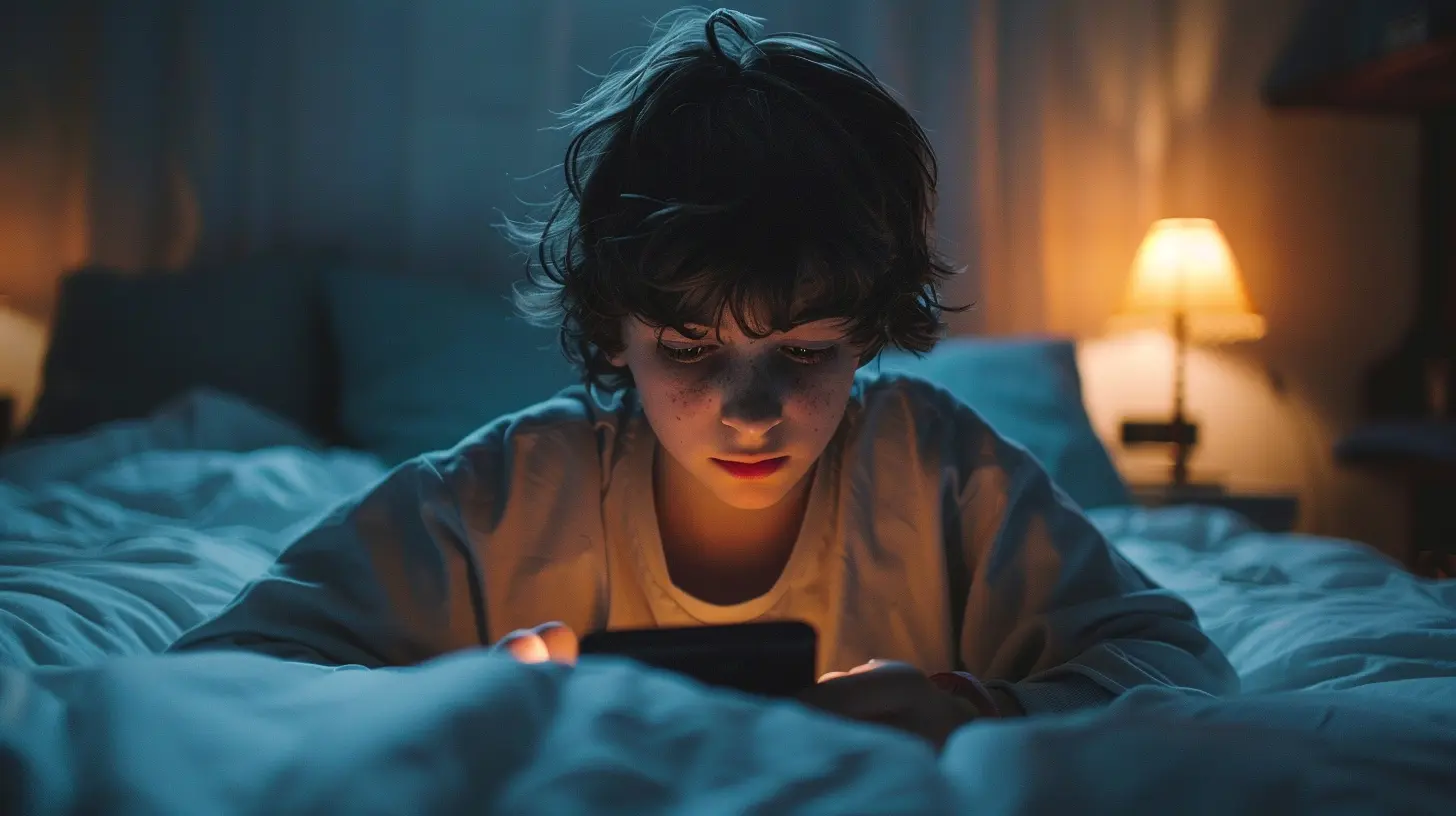
Why Screen Time Needs Limits
Alright, it’s not like screens are the enemy. They’re actually kinda amazing. Your child can Facetime Grandma, play educational games, or even watch a documentary about outer space. But like ice cream, even good things can become a problem in excess.Too much screen time can mess with your kid’s sleep, attention span, mood, and physical health. Ever notice how cranky they can get after a screen marathon? Yeah, that’s not just in your head.
The Big Picture: Balance Is Key
Think of screen time like a well-balanced diet. A little here and there? Totally fine. But gorging on it all day long? Not so much. Our goal isn’t to ban tech altogether (you probably work on a screen too, right?), but to find that “just right” middle ground.
What Do The Experts Say?
Let’s tap into some research. According to the American Academy of Pediatrics (AAP):- Under 18 months: Zero screen use, except for video chatting.
- 18 to 24 months: Limited, high-quality content with a parent watching along.
- 2 to 5 years: No more than 1 hour per day of high-quality programming, co-viewed.
- 6 years and up: Set consistent limits to ensure it doesn't interfere with sleep, physical activity, or other behaviors.
But here’s the trick: each child is different. Some might handle more screen time without issue, while others get overstimulated quickly.
Signs Your Child Might Be Getting Too Much Screen Time
We’re not pointing fingers here—it’s hard to monitor screen use minute-by-minute. But we can watch for red flags. A few to look out for:- Trouble falling asleep or waking up tired
- Mood swings and outbursts
- Loss of interest in "offline" activities
- Poor performance in school
- Constantly asking for screen time (a.k.a. full-blown meltdowns when it’s denied)
Sound familiar? Don’t worry. Awareness is the first step.
The Mental and Emotional Effects of Too Much Screen Time
It’s not just about tired eyes. Screen overuse can tangle up your child’s emotions. We’re talking about:- Increased anxiety or depression
- Decreased attention span
- Less ability to manage frustration
- Lower self-esteem and more comparison (especially on social media)
And yeah, it’s not just the kids. Parents fall into these traps too. Ever scroll through Instagram and suddenly feel like your life isn't Insta-worthy? Same thing happens to our tweens and teens, only they don’t have the emotional filters to process it yet.
Physical Impacts: More Than Just "Couch Potato Syndrome"
You guessed it—less movement equals fewer opportunities to burn energy. Kids need to run, jump, and climb like little monkeys, not sit like statues. Excessive screen time can contribute to:- Weight gain
- Poor posture
- Eyestrain (hello, headaches)
- Disrupted sleep from blue light exposure
Even worse? When sleep goes downhill, everything suffers. Mood, focus, immunity—you name it.
So... How Much Screen Time Is Okay?
Here’s where we get practical. There’s no perfect one-size-fits-all number, but here’s a basic breakdown to aim for:| Age Group | Recommended Screen Time |
|-----------|-----------------------------------------------------|
| 0–18 mos | None, except video-chatting |
| 18–24 mos | High-quality content; co-viewed |
| 2–5 years | Max 1 hour per day; co-viewed |
| 6–12 years| Consistent limits; prioritize school, sleep, play |
| 13+ years | Open dialogue; balance screen life with real life |
Again, flexibility matters. Some days they’ll go over. Other days they’ll barely touch their devices. The goal is to keep tech in its place—not let it take over the household.
Setting Healthy Boundaries Without World War III
Okay, this is the part where most parents ask, “How do I set limits without a daily meltdown?” Great question.1. Be a Role Model
Kids mimic what they see. If they watch you glued to your phone during dinner, guess what they’ll learn? Try putting your own device down first. Walk the talk.2. Create Tech-Free Zones
Make certain spots screen-free—like the dinner table, bedrooms, or during family game night. These “pockets of presence” help everyone reconnect.3. Use Screen Time as a Privilege
It’s not a right. Tie screen time to behavior or responsibilities, like “After homework and chores, you can have 30 minutes of tablet time.”4. Pick Quality Over Quantity
One hour of an interactive documentary with you is way better than two hours of mindless YouTube shorts. Choose content that educates and entertains.5. Schedule Screen Breaks
Set timers or use screen time management apps. Let your child know when it’s almost time to wrap things up—sudden shutdowns cause more drama.What To Do Instead of Screens?
It's tempting to hand over an iPad when your kid's bored or throwing a fit—been there, done that. But having a go-to list of screen-free boredom busters can be a game-changer:- Build a cardboard fort
- Bake cookies together
- Play hide-and-seek
- Do a puzzle
- Create an indoor scavenger hunt
- Go for a walk or bike ride
- Read a book aloud
- Craft time with glue, glitter, and way too much tape
Simple? Yes. But it works. You’re nurturing their imagination, patience, and connection—all things screens can sometimes dull.
Tech Isn’t the Villain—It’s a Tool
Let’s not turn this into a “screens are evil” rant. In fact, tech can do a lot of good. It connects us, provides learning tools, and opens up creativity. The real key is using it intentionally. Not as a digital babysitter or emotional crutch, but as part of a well-rounded day.How to Involve Your Child in the Process
This might surprise you, but kids actually respond better when they’re part of the conversation. Try this:- Ask them how much screen time they think is fair.
- Work together to create a family media plan.
- Let them help set the rules (with your guidance, of course).
- Talk about why these boundaries exist, instead of just saying “because I said so.”
Kids like feeling in control—and giving them a voice can make them more willing to cooperate.
When to Seek Help
If tech is causing major daily drama, or interfering significantly with your child’s mood, school, or social life, it might be time to talk to a pediatrician or child therapist. There’s no shame in getting support—it just means you’re doing your best to raise a happy, healthy human in a tech-heavy world.Final Thoughts: It’s All About Balance
So, how much screen time is too much? The answer? It depends... but trust your gut. You know when your child has had enough because you see the signs. Consistency, communication, and connection are your best tools.Technology isn’t going anywhere—and honestly, that's okay. With the right boundaries and mindset, screens can be part of a healthy, balanced, and happy childhood.
all images in this post were generated using AI tools
Category:
Raising TeensAuthor:

Zelda Gill
Discussion
rate this article
2 comments
Kairo McVeigh
Empower your kids: set clear screen time limits for balance.
December 25, 2025 at 5:57 PM
Zelda Gill
Absolutely! Setting clear screen time limits helps promote a healthy balance between technology use and other activities.
Susan Ramirez
While my toddler negotiates screen time like a tiny lawyer, I’m convinced their future career involves video conferencing! Balancing pixels and playtime is a modern art form—may we all create masterpieces with bits, bytes, and a dash of imagination!
December 19, 2025 at 3:58 PM
Zelda Gill
Absolutely! Navigating screen time is indeed a modern art, and finding that balance with imagination is key to fostering healthy habits for our kids.