Teaching Emotional Resilience to Prevent Bullying
28 June 2026
No one ever wants to think about their child being bullied—or worse, becoming a bully. But the truth is, bullying is still a huge problem in schools, online, and even on the playground. The good news? Teaching emotional resilience can be a total game-changer.
In this article, we're going to dig into what emotional resilience really means, why it’s a secret weapon against bullying, and how parents (like you!) can help build that inner strength in your children from a young age. Think of it like giving your child an emotional armor—not to shut out the world, but to stand strong in it.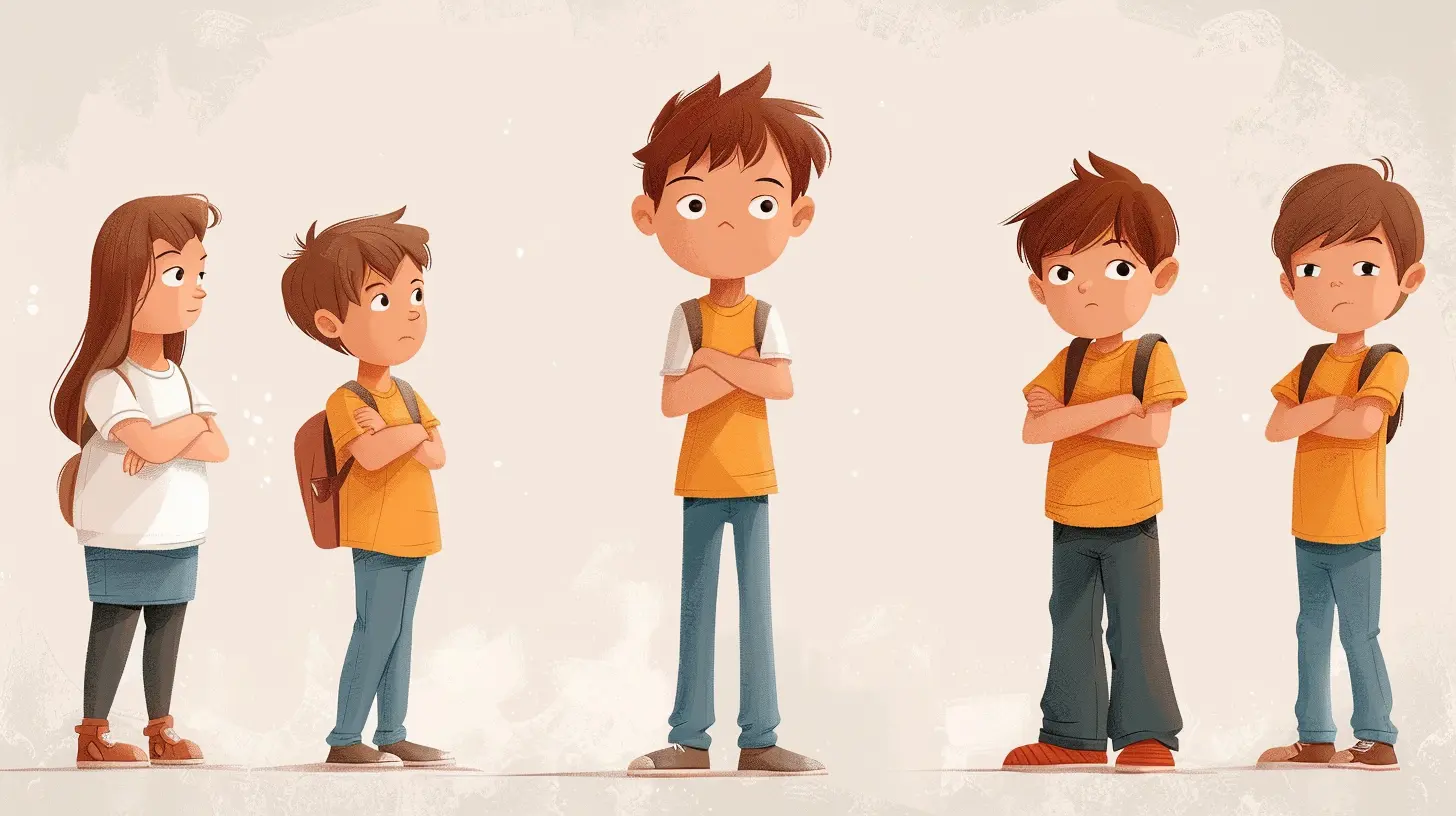
What Is Emotional Resilience Anyway?
Alright, let’s break it down. Emotional resilience is basically your child’s ability to bounce back when things get tough. It's not about ignoring feelings or "being tough" in the macho sense. It's about learning how to handle big emotions, recover from setbacks, and—most importantly—believe that they can get through hard times.Imagine emotional resilience like a rubber band. When life stretches your child—disappointments, mean comments, being left out—they don’t break. They bounce back. Maybe a little wobbly at first, but still in one piece.
Why Emotional Resilience Holds the Key to Bullying Prevention
Now, here’s where things get interesting. Emotional resilience isn’t just helpful; it’s powerful. It does two big things:1. Protects kids from becoming victims: Kids who believe in their self-worth, know how to self-regulate, and can ask for help when needed are less likely to be long-term targets of bullying.
2. Prevents kids from becoming bullies: Emotionally resilient kids are more empathetic. They can manage anger and frustration without lashing out at others, which cuts down on bully behavior.
So, resilience isn’t just about defense—it’s about preventing the whole bullying cycle from happening in the first place.
Spotting the Signs That Your Child Needs Support
Kids won’t always say “I’m struggling emotionally,” right? Instead, it shows up in subtle (and sometimes not-so-subtle) ways:- They cry easily or shut down when frustrated
- They say things like “I’m not good enough” or “Nobody likes me”
- They avoid social situations or school
- They lash out at siblings or friends over small stuff
If that sounds familiar, don’t panic. It just means it’s the perfect time to start working on those resilience-building skills.
1. Build Emotional Vocabulary: Name It to Tame It
Kids can’t regulate emotions they can’t name. Think of feelings like wild animals—if you don’t know what you’re dealing with, how can you handle it?Start casually labeling feelings throughout the day. “You seem frustrated that your LEGO broke.” Or “I’m feeling overwhelmed right now, so I’m going to take a deep breath.”
This normalizes emotions and teaches kids that feelings aren’t “bad”—they're just signals.
Try This: Use a "Feelings Chart" or emotion cards and check in every day after school. Simple, visual, and super effective.
2. Practice Problem-Solving (Without Jumping In)
Our instinct when our child is upset? Fix it. Fast. But solving every problem for them actually cheats them out of a powerful lesson: “I can solve problems on my own.”Instead, walk them through it. Ask, “What do you think we could try?” or “What’s one thing you can do next time?”
When your child starts coming up with their own solutions, you’re not just helping them now—you’re helping build a future adult who can think, adapt, and overcome.
3. Encourage Healthy Risk-Taking
No, not skydiving—don’t worry. We’re talking about trying out for the school play, speaking up in class, making a new friend, or riding a bike without training wheels.Taking small risks—and seeing that the world doesn’t end when mistakes happen—teaches resilience like nothing else.
Pro Tip: Celebrate the bravery, not the outcome. “I’m so proud that you gave it a shot!” is worth more than “I’m happy you won.”
4. Model Resilience at Home
Let’s be real: Kids are watching us all. the. time. If you lose it every time you burn dinner or complain endlessly about coworkers, you’re teaching your child that challenges = crises.Instead, talk through your own setbacks. “Ugh, that meeting was tough. I’m disappointed, but I’ll try again tomorrow.”
Honesty plus hopefulness is resilience gold.
5. Teach Assertiveness, Not Aggressiveness
There’s a big difference between standing up for yourself and stepping on others to feel powerful.Assertiveness means setting boundaries, using confident body language, and speaking clearly. Not yelling. Not name-calling.
Role-play common scenarios like:
- “Someone took your toy—what can you say?”
- “A friend is teasing you—how would you respond?”
Practicing these moments in a safe space makes it way easier for kids to handle them in real life.
6. Encourage Friendships That Lift Them Up
Strong friends = strong hearts. Kids are deeply influenced by their peer groups, especially in the tween and teen years. Having just one kind, reliable friend can be a huge protective factor against bullying.Help your child identify friendships that feel safe and nurturing. Talk about what a “good friend” looks like—and what to do if someone isn’t acting like one.
And yes, it’s totally OK to step in and help kids develop those social skills if they’re struggling. Emotional resilience doesn’t mean going it alone.
7. Praise Effort, Not Just Achievement
When we only celebrate straight A’s or trophies, we send the message that failure = bad. But failure, honestly? It’s just practice in disguise.Say things like:
- “I saw how hard you worked on that project.”
- “It didn’t go the way you hoped, but you didn’t give up.”
These small shifts build grit—and grit is the core of resilience.
8. Set Boundaries Around Technology and Social Media
Let’s not ignore the digital elephant in the room. Bullying today doesn’t just happen face to face—there’s a screen involved now, and it’s 24/7.Kids need guidance on how to handle online interactions, just like they need help navigating the schoolyard. Talk openly about kindness online, blocking/reporting bullies, and stepping back when social media gets overwhelming.
And yes, screen limits matter. Not because tech is evil—but because our brains need breaks to bounce back.
9. Create Safe Spaces for Expression
Your child needs a soft place to land. Whether it’s a quiet conversation before bed, journaling, drawing, or even talking to a therapist, kids must know they’re allowed to feel, express, and process emotions.Keep the door open, even if they don’t always walk through it.
“Whenever you’re ready to talk, I’m here.” That one line? Super powerful.
10. Celebrate Resilient Role Models
Stories stick. Show your kids real-life examples—authors who faced rejection, athletes who lost and came back stronger, everyday heroes who stood up for themselves or others.These aren’t just stories—they’re seeds. Seeds that grow into beliefs like: “I can do hard things, too.”
Final Thoughts: Resilience Isn’t Built Overnight
Let’s be honest here—emotional resilience is a lifelong journey. It’s not like flipping a switch and suddenly your child is bulletproof.But every deep conversation, every mistake handled with grace, every gentle nudge toward emotional awareness—it adds up.
And here’s the amazing part: When kids feel emotionally safe and strong, the ripple effect is huge. They stand up to bullies. They speak up for others. They become the kind of kids who change the world—one empathetic act at a time.
So keep showing up. Keep modeling resilience. Keep planting those seeds. Your child is watching… and growing stronger every day.
all images in this post were generated using AI tools
Category:
Dealing With BullyingAuthor:

Zelda Gill
Discussion
rate this article
1 comments
Sawyer Nguyen
This article offers valuable insights on helping kids build emotional strength. Teaching them to bounce back from challenges not only builds resilience but also creates a kinder environment. Let's empower our children to stand up for themselves and support others. Great read!
July 4, 2026 at 3:10 AM
Zelda Gill
Thank you for your thoughtful comment! I'm glad you found the article helpful. Empowering kids to be resilient is so important.