Socialization in Homeschooling: Myths and Realities
3 May 2026
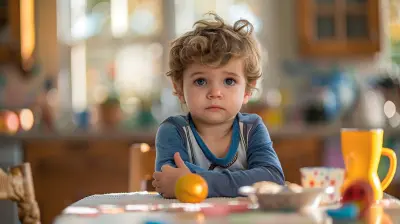
When people hear the word "homeschooling," one of the immediate concerns that pops into their minds is socialization. It's a question that haunts many parents who are considering taking the leap into educating their kids at home: "Will my child be socially awkward?" or "Will they miss out on essential social interactions?". But is there any truth to these concerns? Let’s explore the myths and realities of socialization in homeschooling—because, spoiler alert, things aren't always as they seem.
The Myth of the Isolated Homeschooler
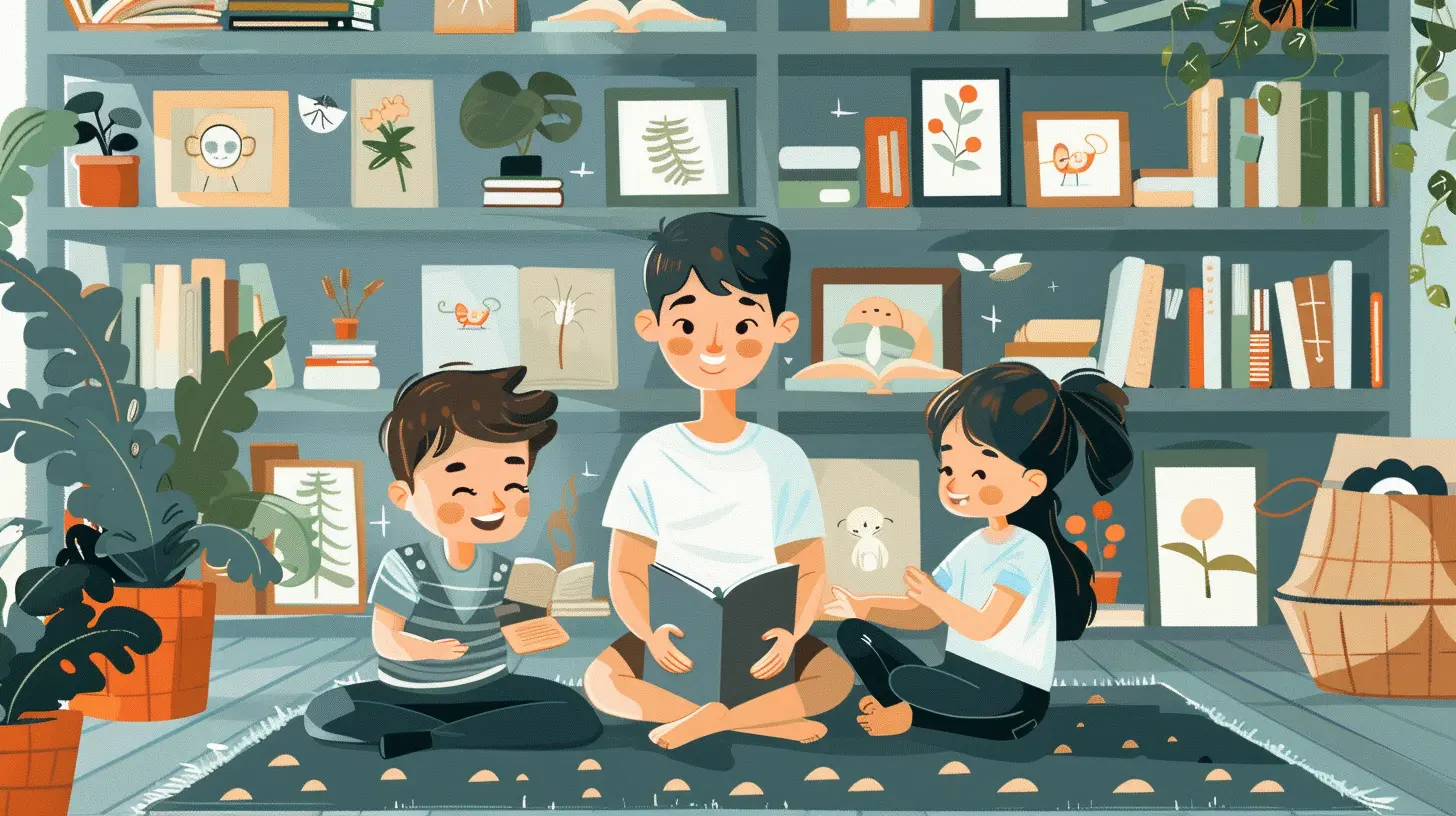
Picture a homeschooled child. For many, the image is one of an awkward, socially stunted kid, maybe wearing glasses, hunched over a book in a dimly lit room, completely cut off from the outside world. Why does this stereotype persist? The idea of homeschooling challenges the traditional school experience, which is basically a social zoo—kids all packed into classrooms, interacting on the playground, school trips, group work, and what not. It’s no wonder why people think if a child isn’t in that environment, they must be antisocial or missing out.But appearances can be deceiving. Yes, homeschooled kids aren’t sitting in a traditional classroom all day, but that doesn’t mean they're isolated or lack social skills. In fact, the flexibility of homeschooling allows children to experience the real world in ways that traditional school often can’t.
The Truth Behind Homeschool Socialization
So, what does socialization look like for homeschoolers? It’s more than just daily chats with peers over school lunch. For homeschoolers, socialization happens through a variety of different platforms—think sports teams, co-op groups, community classes, youth groups, clubs, playdates, and more. These opportunities allow kids to socialize with a diverse range of people, not just those in their same grade level.Homeschooling allows children to engage in meaningful, intentional social interactions. That could mean spending time with neighbors, participating in extracurricular activities like dance or martial arts, or even going on educational field trips with other homeschool families. In many ways, homeschoolers can have richer and more varied social experiences compared to kids who spend the majority of their day interacting only with peers their own age.
That’s the reality: Homeschooled kids are far from socially deprived. They’re just socializing differently.
Myth: Homeschooled Children Lack Social Skills
For some reason, this myth just won't die. There's this deep-seated belief that kids who don’t attend traditional schools simply won’t develop the necessary social skills they need to thrive as adults. But guess what? This myth has been debunked by research time and time again.Studies show that homeschooled children often perform just as well—if not better—on various social measures compared to their traditionally schooled counterparts. Why? Because kids who homeschool often interact with a wider range of people—adults, younger children, and those outside of their immediate friend group.
Quality Over Quantity
In a traditional school setting, kids are grouped together by age and grade, which means they tend to stick to their peers, limiting the diversity of interactions. Think about it: How often does a 10-year-old in public school interact with, say, a 4-year-old? Or have meaningful conversations with adults outside of their teachers?In homeschooling, the dynamic is different. Homeschooled kids often interact with people of all ages in their day-to-day life, whether it be during family discussions, at community events, or while participating in mixed-age extracurricular activities. These interactions help homeschoolers develop the communication and social skills they’ll need in the real world—not just how to function in a classroom environment.
Reality Check: Homeschool Groups and Co-Ops
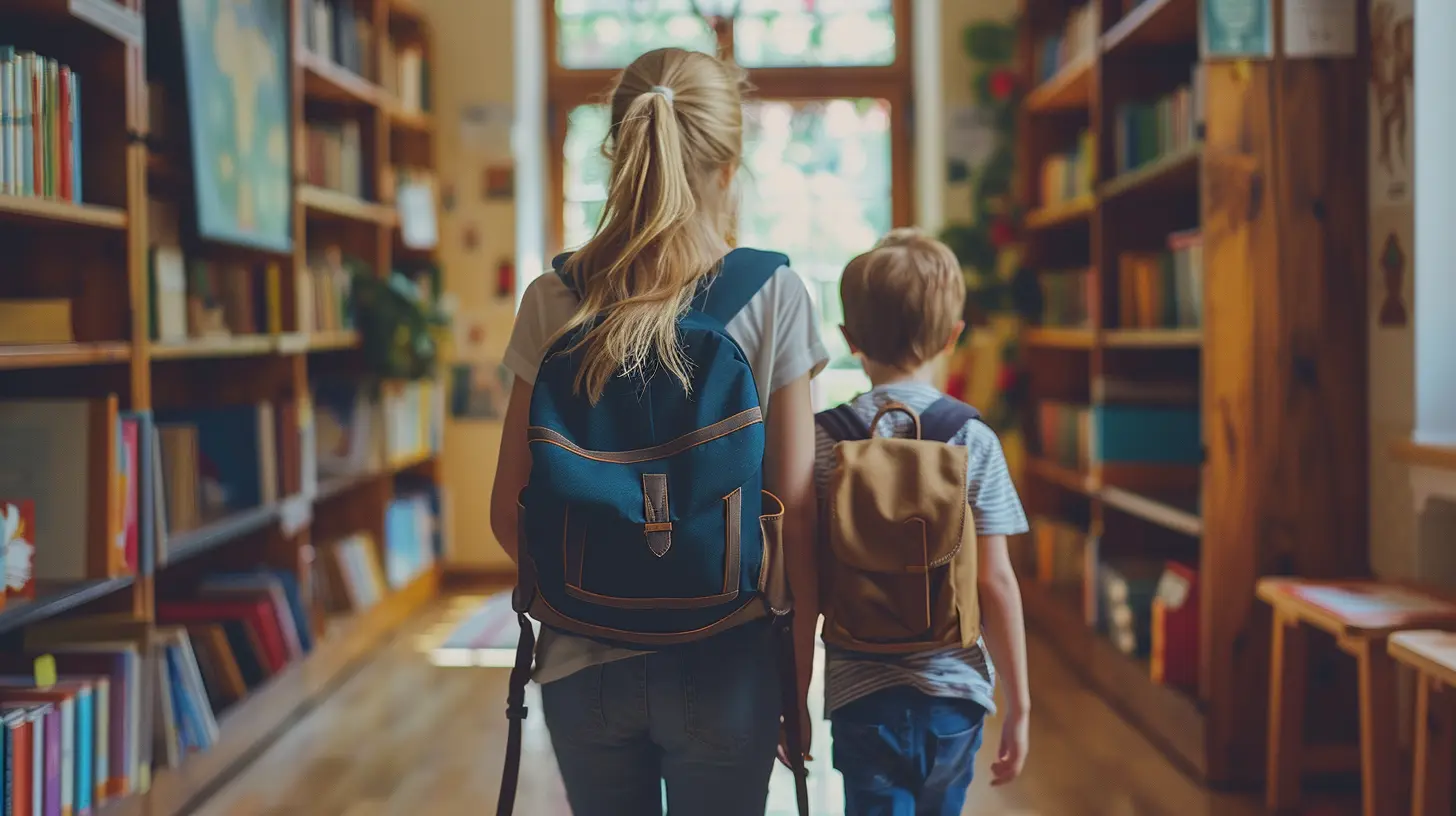
One of the coolest things about homeschooling is the community. Believe it or not, homeschoolers aren’t sitting at home alone, day in and day out. Many parents form or join homeschool co-ops or groups. These co-ops are communities where homeschool families come together to share resources, plan group activities, and even hold classes.These co-ops are sometimes called "homeschool communities"—and for good reason. Kids in these groups get to socialize, work together on group projects, take field trips, and learn in a group setting. Moreover, co-ops offer parents a support system, too, allowing them to pool resources and share teaching responsibilities.
With homeschool groups and co-ops often meeting weekly or bi-weekly, homeschooled children might actually have a more diverse social scene compared to traditional school children who see the same classmates every day.
The Socialization "Menu"
What’s beautiful about homeschooling is that socialization becomes more like a "menu"—families can pick and choose how, where, and when their child socializes. This could be through structured activities like sports, music lessons, or drama clubs, or it could be through more casual interactions like park days or playdates with friends. Flexibility is the key here, and parents can tailor social experiences according to their child's unique needs and interests.Think of it like this: Instead of being forced to eat at the same cafeteria every day (like kids in traditional schools do), homeschoolers have a buffet of social opportunities to choose from, allowing them to get the right mix that suits their taste.
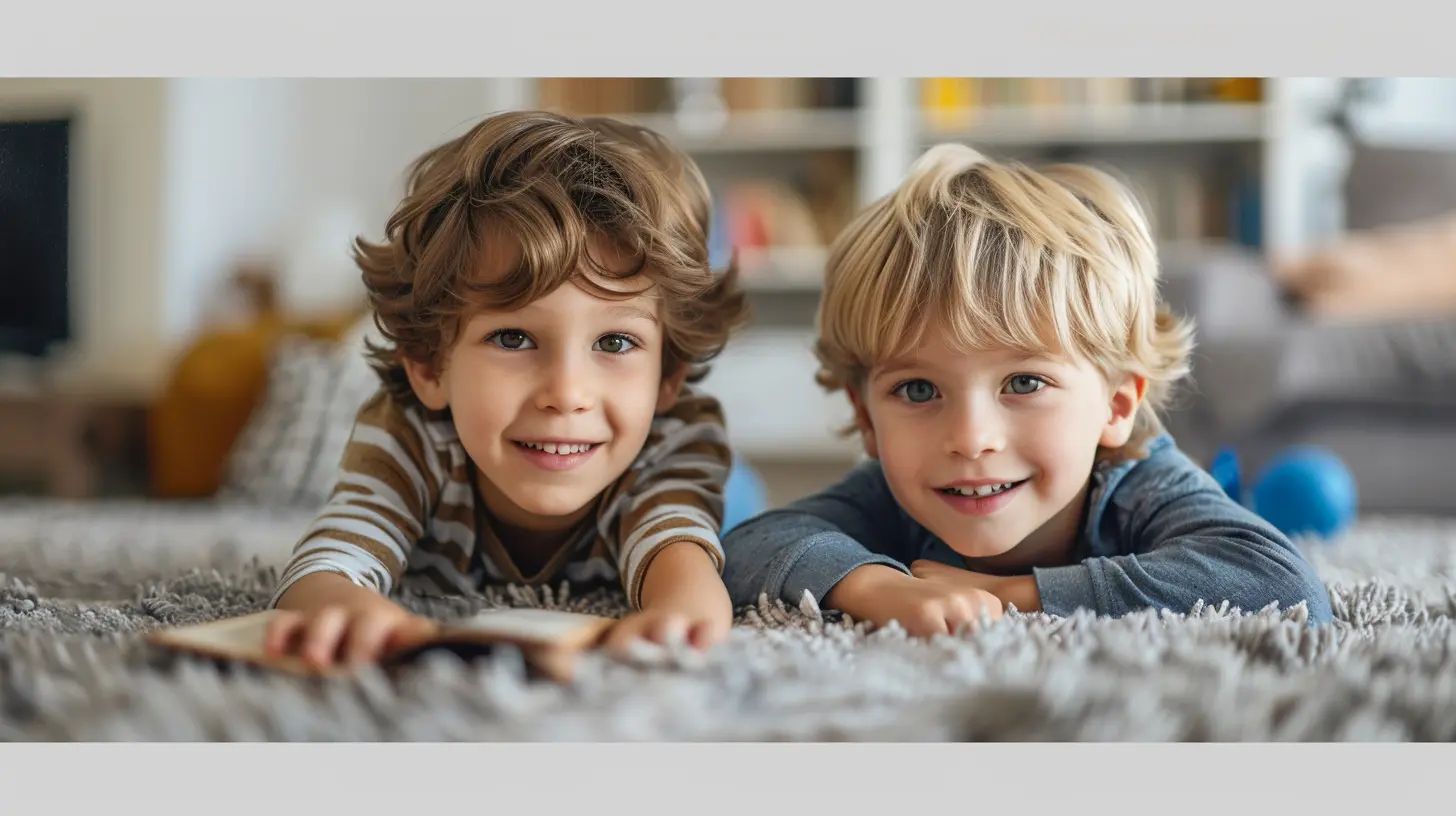
Myth: Homeschooling Ruins a Child's Future Social Life
Some people fear that homeschooling sets kids up for failure in the social department later in life. The concern here is that, without the experience of traditional school social settings, homeschooled kids won’t know how to navigate the adult world.But there’s no substantial evidence to support this.
Reality: Homeschooled Kids Are Prepared for the Real World
Homeschooling doesn't shield children from society; rather, it exposes them to different facets of it earlier than traditional school environments might. Unlike traditional schooling, which often operates in a contained bubble, homeschooling allows frequent engagement with people of different ages, backgrounds, and professions. This is valuable preparation for adulthood, where we frequently interact with a variety of people.Many homeschooled kids are also given the opportunity to participate in internships, apprenticeships, or part-time jobs during their high school years, enabling them to gain real-world experience beyond academics. The flexibility of homeschooling can provide students with more autonomy and practical life experiences, helping them develop a well-rounded sense of confidence and independence.
College and Beyond
What’s more, research shows that homeschooled students often transition smoothly to college environments. They tend to perform well academically, and they adapt comfortably to new social settings. Contrary to popular belief, homeschooled kids are not strangers to collaboration, group work, or meeting new people.In fact, many homeschooled kids thrive in college settings because they’ve already learned how to manage their time and work independently—a skill that traditional school students might not develop until later.
The Role of Parents in Homeschool Socialization
One of the unique aspects of homeschooling is the active role that parents play in their child’s social development. In traditional school settings, parents often have little control over who their child interacts with or how those interactions unfold.In homeschooling, however, parents have the chance to deliberately foster positive social experiences. They can ensure that their children are exposed to healthy, respectful, and enriching social environments. Instead of leaving socialization to chance (or to the whims of the playground hierarchy), parents have the opportunity to carefully craft social opportunities that align with their values and their child’s unique personality.
Balancing Structured Socialization with Free Play
One common concern is whether homeschooled children get enough “free play” time to develop essential social-emotional skills. And the answer is yes! Homeschooling families often balance structured activities—like co-ops, lessons, and teams—with ample free play. Parks, neighborhood playdates, or spontaneous meetups with friends are often integral parts of the homeschool day.Free play allows children to practice negotiation skills, empathy, cooperation, and conflict resolution—just like any other child in a traditional school setting. The key difference is that homeschoolers might not be limited to a 15-minute recess break to do so!
Final Reality Check: The Flexibility of Homeschool Socialization
At the end of the day, socialization isn’t about where you learn—it’s about how you interact with the world. Homeschooling provides children with flexible, diverse, and meaningful social experiences. Whether it's through co-ops, community groups, sports teams, or even good ol' neighborly playdates, homeschooled kids are far from socially isolated.It’s time to bust the myth that homeschoolers miss out on socialization. The fact is, they’re not just sitting at home with their noses in books—they’re out there engaging in the world, making connections and building valuable social skills in dynamic and thoughtful ways.
### So, the next time someone asks, “What about socialization in homeschooling?” feel free to tell them that homeschoolers are doing just fine—probably better than you'd expect!
all images in this post were generated using AI tools
Category:
HomeschoolingAuthor:

Zelda Gill
Discussion
rate this article
2 comments
Sablethorn Hardy
Homeschooling can be fun!
August 2, 2026 at 4:41 PM
Oscar McGillivray
In quiet corners and vibrant backyards, friendships bloom. Homeschooling weaves threads of connection, proving that hearts can dance together beyond the classroom's walls... nurturing souls in the most unexpected ways.
May 9, 2026 at 3:52 PM
Zelda Gill
Absolutely. Friendships formed through homeschooling often thrive in unique settings, showing that connection goes far beyond traditional classrooms.