Recognizing and Managing Emotional Triggers in Kids
11 February 2026
Let’s face it—parenting can feel like a wild rollercoaster ride. One minute your kiddo is giggling over a popsicle, the next they’re on the floor in full meltdown mode over—wait for it—a sock that “doesn’t feel right.” Sound familiar? Yep. Welcome to the world of emotional triggers in kids.
Understanding and handling those big emotions is no walk in the park. But here's the good news: you’re not alone, you’re not a bad parent, and there is a way to make things smoother for both of you.
So, grab a cup of coffee (or let's be real, probably reheat it for the third time), and let's dive into how to recognize and manage emotional triggers in kids—without losing your cool in the process.
What Are Emotional Triggers Anyway?
Think of emotional triggers like landmines. You don’t always see them coming, but when they’re stepped on... boom! Chaos. Kids have them just like grown-ups. But unlike you or me, they don’t always have the emotional vocabulary or coping tools to process what they’re feeling.Triggers can be anything—a sudden loud noise, a change in routine, a new food smell, or even losing a game. What sets them off may not seem like a big deal to us, but to a child, it can feel like the end of the world.
Most times, these triggers are linked to:
- Feeling overwhelmed
- Not being understood
- A lack of control
- Fear of failure or rejection
- Physical discomfort (hungry, tired, overstimulated)
Sound familiar? You probably feel the same way sometimes, too.
Why It’s So Important to Recognize Emotional Triggers
Here’s the thing—if we ignore the triggers, we only deal with the meltdowns. And those, my friend, can be exhausting (for both sides). But if we can get to the root cause? We start addressing the why behind the emotions.Recognizing emotional triggers helps you:
- Reduce the number and intensity of outbursts
- Teach kids healthier emotional responses
- Create more peace and connection at home
- Raise emotionally intelligent humans (and that’s a win for the planet!)
When we respond instead of react, we’re helping our kids build resilience.
Common Emotional Triggers in Kids
Now, before we talk about managing triggers, let’s talk about spotting them. Here are some of the usual suspects:1. Transitions and Changes
Kids thrive on routine. So, a sudden switch—like leaving the park or having a substitute teacher at school—can throw them for a loop.> Ever seen a meltdown start because bedtime came five minutes early? Yep, that’s a transition trigger.
2. Sensory Overload
Some kiddos are super sensitive to lights, sounds, tastes, textures—you name it. A noisy classroom or scratchy tag on a shirt can feel like torture to a sensory-sensitive child.3. Feeling Misunderstood
This one’s big. Kids are still learning how to communicate. So, when they’re frustrated and don’t have the words to express it, emotions overflow in less-than-ideal ways.4. Embarrassment or Failure
Spilled juice in front of classmates? A lost soccer game? These can sting and trigger a flood of emotions like shame or frustration.5. Feeling Ignored or Disconnected
Sometimes, all they want is your attention. And when they don’t get it (or feel they aren’t getting it), they might act out.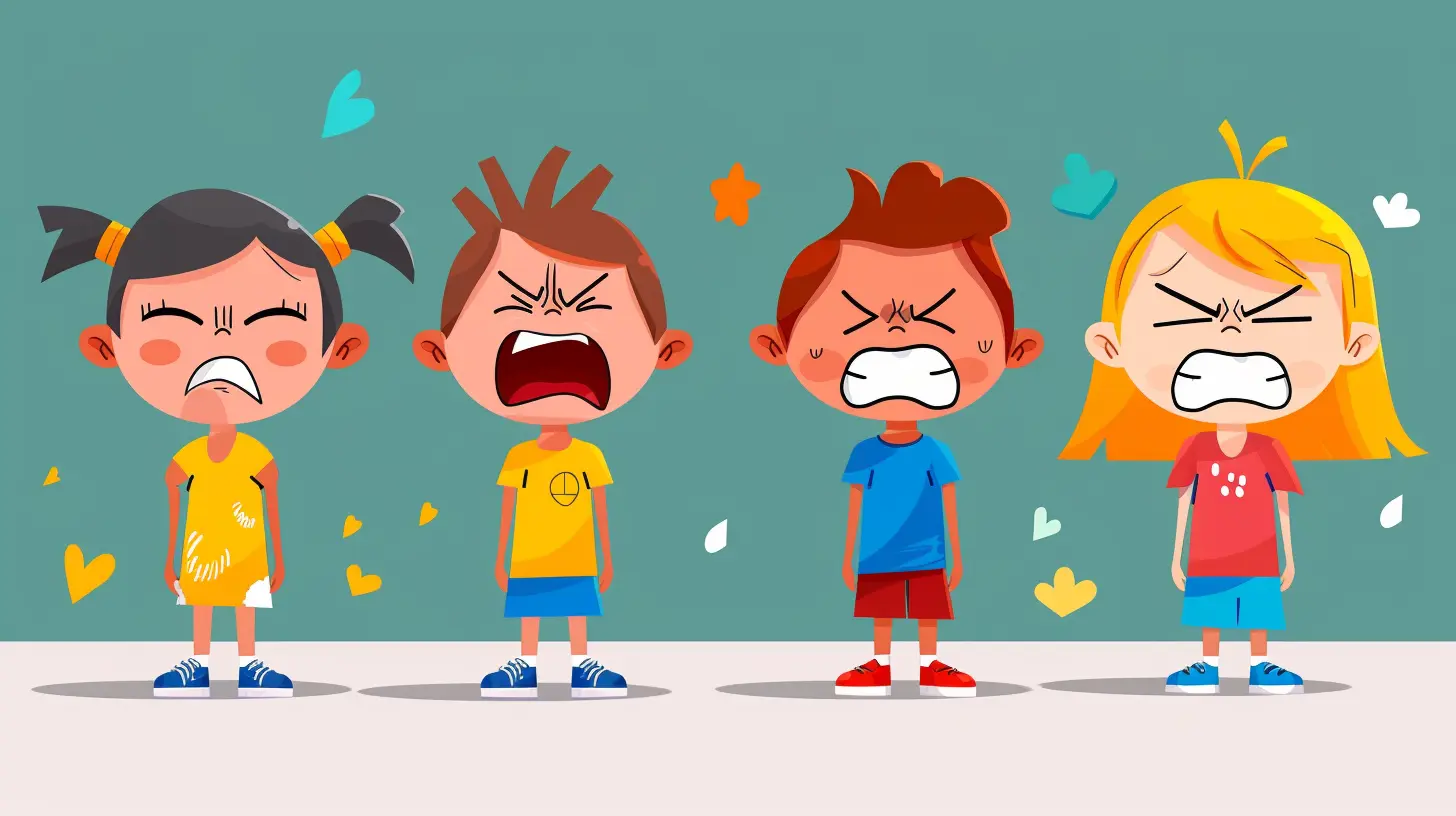
How to Spot When a Trigger Is Bubbling Up
Kids won’t walk up and say, “Excuse me, I believe I’m experiencing an emotional trigger.” Wouldn't that be nice though?Instead, look out for these clues:
- Sudden mood swings or outbursts
- Withdrawal or shutting down
- Clinginess or excessive neediness
- Physical symptoms like stomachaches or headaches
- Aggression or hitting (yes, even toward you!)
Sometimes the signs are subtle. Other times it’s like a Category 5 hurricane. But either way, tracing back to what might have caused it is key.
Helping Your Child Manage Emotional Triggers
Alright, let’s talk game plan! Recognizing triggers is step one. Now comes the real magic—helping your child work through them. Not with lectures, but with love, patience, and consistency.1. Stay Calm. Seriously.
I know. It’s hard to be a Zen master when your child is screaming in Target. But modeling calm helps regulate their emotions. If you lose it, so will they. You're the thermostat—they’re watching how you react.> Tip: Breathe before you speak. Count backwards from 5. Pretend you're auditioning for a role as “The Calm Parent.” Whatever helps.
2. Offer Words for Feelings
Kids can’t identify what they’ve never been taught. Help them name what they’re experiencing.Say things like:
- “I see you’re feeling frustrated because you wanted more time to play.”
- “It looks like that noise really overwhelmed you.”
Labeling emotions gives them awareness. And once they have awareness, they can begin to build control.
3. Connect Before You Correct
Before diving into discipline mode, connect. Crouch down, make eye contact, use a gentle tone. Let them know you’re with them, not against them.Once they feel safe and understood, their brain quite literally shifts from “fight or flight” to “let’s talk.” Science backs this up. (Seriously. Thank you, neuroscience!)
4. Create Predictable Routines
Routines give kids a sense of safety. If they know what to expect, they’re less likely to panic or protest when things happen.Use visual schedules or let them help plan parts of their day. This gives them a sense of control they crave.
5. Teach Coping Tools
It’s never too early to teach calming strategies. Tailor them to your child’s age, but here are some kid-friendly starters:- Deep belly breaths (“Smell the flower, blow out the candle”)
- Calm-down jars
- Drawing feelings
- Counting to ten
- Listening to music
- Quiet time in a “cozy corner”
The trick is to practice these when your child is calm—not in the middle of a tantrum. Think of it like fire drills. You don’t wait until the house is burning to teach how to get out.
6. Keep a Trigger Journal
Okay, this sounds fancier than it is. Just jot down what happened, when, and what led up to the meltdown. Patterns will start to pop up.You might notice:
- Mid-day meltdowns after sugar intake
- Outbursts every time your child leaves Grandma’s house
- Clinginess after school on Mondays
Once you spot the patterns, you can plan around them or prep your child ahead of time.
7. Celebrate Emotional Wins
Did your child take three deep breaths instead of yelling? High five them like they just won the Olympics. Celebrate every small victory. It builds confidence and reinforces healthy behaviors.What Not to Do with Emotional Triggers
Let’s be real, we’ve all had our moments. But here are some common slip-ups to avoid:- Don’t minimize feelings (“You’re being dramatic” or “It’s not a big deal”)—Their tiny heart is learning how to handle HUGE feelings.
- Don’t punish the emotion—Discipline the behavior, not the feeling. Emotions aren't bad—they’re signals.
- Don’t ignore the pattern—If something keeps triggering them, it deserves a closer look.
When to Seek Extra Support
If your child’s triggers are frequent, intense, and interfere with daily life, it might be time to call in some reinforcements. A pediatric therapist or counselor can work with your child (and you!) to build emotional regulation skills.It doesn’t mean you’re failing. It means you’re doing exactly what your child needs—being their biggest advocate.
Final Thoughts: You’ve Got This
There’s no such thing as a perfect parent. You’re going to get it wrong sometimes. That’s okay. The goal isn’t perfection—it’s progress.Every time you help your child recognize and manage their emotions, you’re building resilience, empathy, and trust. You’re creating a home where it’s safe to feel big feelings. That’s pretty powerful.
So next time there’s a meltdown over the blue cup instead of the red one, take a breath. Remind yourself this is just one moment in the beautiful chaos of raising emotionally healthy humans.
You’ve got this 💪.
all images in this post were generated using AI tools
Category:
Emotional IntelligenceAuthor:

Zelda Gill
Discussion
rate this article
2 comments
Rosalie Vaughn
Emotional triggers? More like emotional fireworks! Let’s teach our kids to handle the sparks!
March 10, 2026 at 5:27 AM
Zelda Gill
That's a great way to put it! Teaching kids to navigate emotional sparks is key to their growth.
Rachael Wood
Essential insights for fostering emotional resilience in children—worth a read!
February 15, 2026 at 4:45 AM
Zelda Gill
Thank you! I'm glad you found the insights valuable. Emotional resilience is crucial for our children's development.