Room-Sharing with Your Newborn: Benefits and Tips
13 December 2025
Bringing a tiny human into the world is no small feat. You’ve got diapers to change, swaddles to master, and baby cries that could put a foghorn to shame. In the middle of all that chaos, where your newborn sleeps becomes a red-hot topic—and room-sharing quickly pops up as a strong contender.
Let’s cut through the noise.
Room-sharing isn’t just some trend that mommy bloggers and parenting forums endlessly debate. It’s a real-deal, research-backed, parent-approved way of keeping your baby close, safe, and secure—without the full-on bed-sharing experience (which, by the way, carries its own risks).
If you're wondering whether or not to share your room with your newborn, or how to do it without losing your ever-loving mind, you're in the right place. We're diving headfirst into everything you need to know about room-sharing, from the perks to real-life, no-fluff tips that actually work.
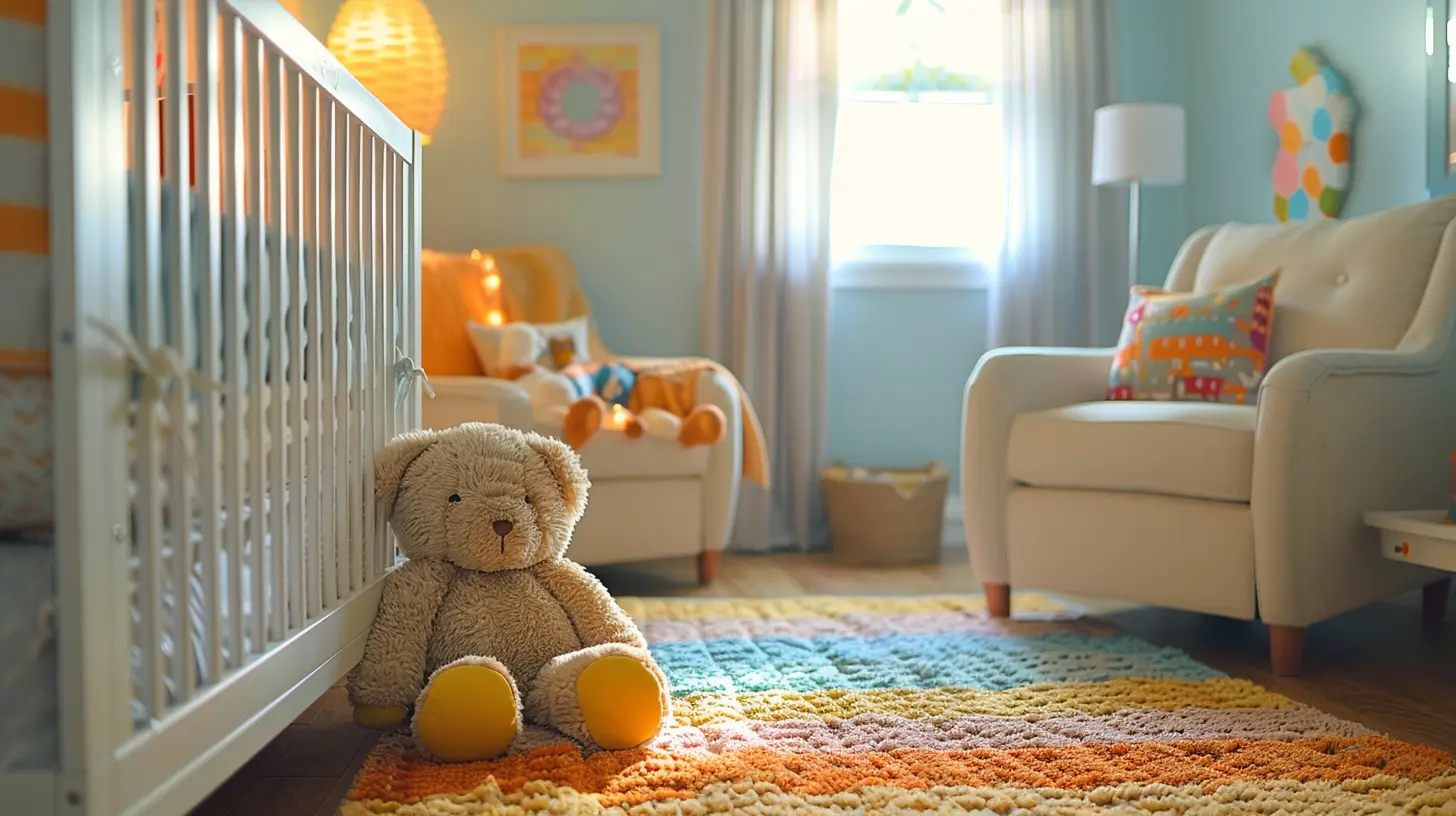
What Is Room-Sharing, Anyway?
Before we get all deep and detailed, let’s break it down.Room-sharing means your baby sleeps in the same room as you, but not in the same bed. Usually, your newborn snoozes in a bassinet, crib, or portable sleeper placed right next to your bed—or at least within arm’s reach.
Simple, right? Yep. But don’t confuse it with bed-sharing, which is when your baby sleeps in the same bed as you. That’s a different story with different safety guidelines (and often the center of parenting debates that can suck the joy out of Facebook parenting groups).
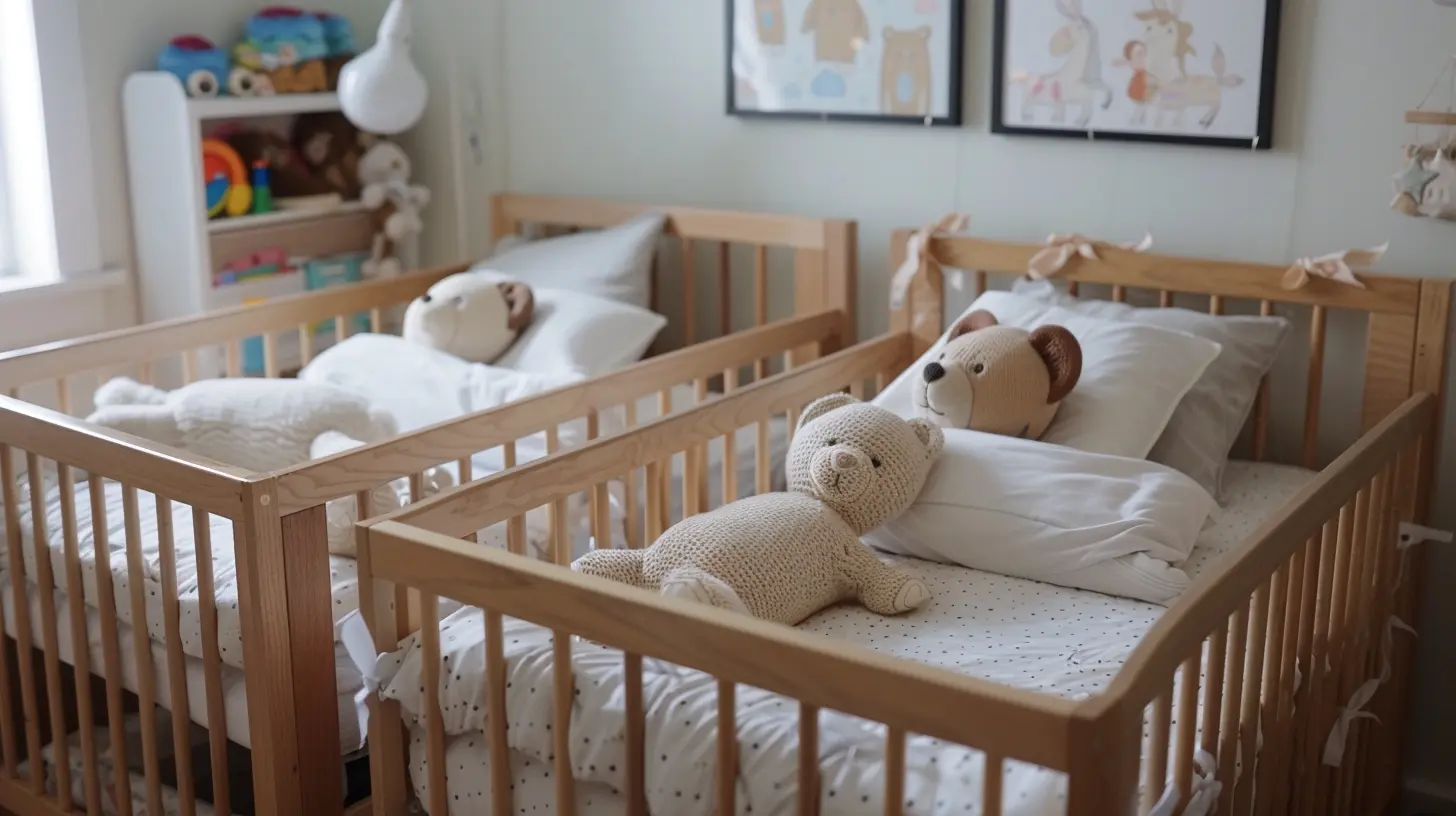
The Bold Truth: Why Room-Sharing Works
Let’s be real—you probably didn’t come here for sugar-coated parenting advice. You want to know if room-sharing is worth it. So here’s the unfiltered truth:1. It Reduces the Risk of SIDS
Let’s call this the headliner. One of the biggest benefits of room-sharing is that it reduces the risk of Sudden Infant Death Syndrome (SIDS). The American Academy of Pediatrics (AAP) recommends room-sharing for at least the first 6 months of life—and ideally, the whole first year.Why? Because when your baby is nearby, it’s easier to monitor their breathing patterns, notice changes in their sleep rhythm, and respond quicker if something seems off.
In short, proximity saves lives.
2. It’s a Breastfeeding Game-Changer
Got milk? If you’re breastfeeding, you know how frustrating it can be to stumble half-asleep down the hall in the middle of the night.Room-sharing cuts down on that zombie shuffle. Your baby’s within arm’s reach, so those midnight feedings get a whole lot easier. Not only will you be more likely to stick with breastfeeding, but baby will also benefit from more frequent milk sessions—and that means better weight gain and immunity boosts.
3. You’ll Get More Sleep (Seriously)
No, we’re not promising unicorns and rainbows here—you’ll still be plenty sleep-deprived. But here’s the kicker: room-sharing actually helps you sleep more.How? Because you’re not wasting time walking to another room for every whimper, burp, or feed. You can handle what needs to be done quickly and get back to that precious REM cycle faster.
4. It Builds Emotional Bonds
Cuddles, coos, and connection—it’s all easier when your baby is close. Room-sharing fosters a deeper emotional bond between parent and baby. Your little one feels more secure, and honestly, so do you.There’s something magical (and slightly terrifying) about hearing those tiny baby snores next to you. That’s the sound of trust and comfort in action.
5. It’s Budget-Friendly
Let’s not pretend finances don’t play a role. Baby gear is expensive, and setting up a full-blown nursery? Even pricier. Room-sharing saves you money right out of the gate. You can delay that Pinterest-worthy nursery until your baby's older and better able to use it.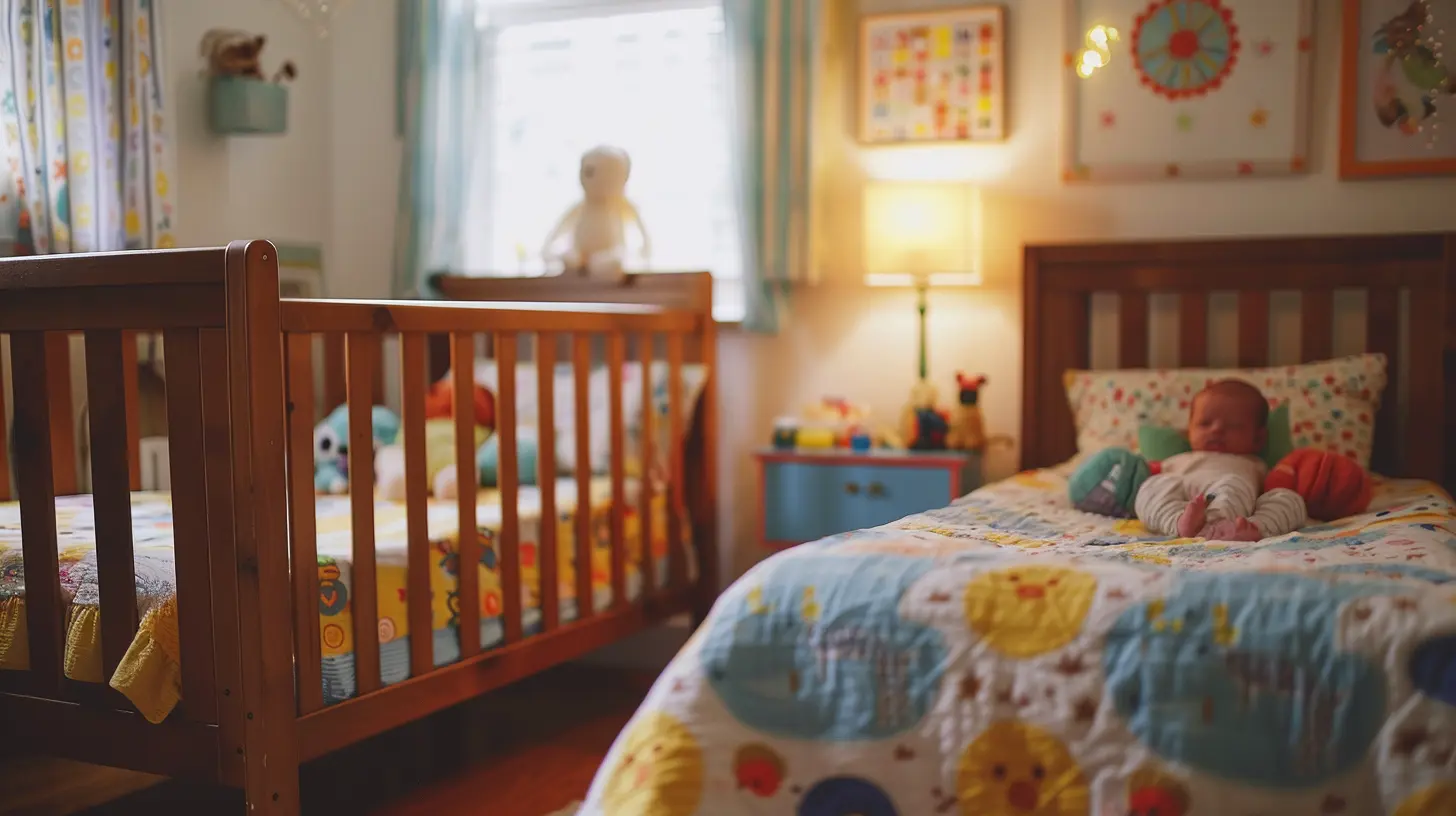
The Honest-to-Goodness Challenges
Alright, let’s not paint room-sharing as pure bliss. It’s got its hurdles.From partners feeling cramped in bed, to light sleepers waking up at every peep—room-sharing can get under your skin. But the key is knowing how to dodge those pitfalls before they become full-blown stress bombs.

Pro Tips for Room-Sharing Without Losing Your Sanity
Let’s get to the good stuff. You want strategies that actually work—not fluff pulled out of a parenting book written in the ‘90s. So here’s how to make room-sharing not only doable but downright genius.1. Create a Sleep-Safe Zone
This isn’t optional—it’s mandatory. Your baby’s sleep space should be:- A firm mattress
- A flat surface
- Free from pillows, blankets, bumpers, stuffed animals (cute, but dangerous)
- Surrounded by breathable materials
Invest in a standalone bassinet, co-sleeper, or mini crib that fits snugly next to your bed. Some options even attach to your bed without letting baby sleep in it—win-win.
2. Keep the Lighting Low
Midnight wakeups are brutal, especially when your room starts glowing like a football stadium. Instead, use soft, warm nightlights or motion-activated lamps. You’ll avoid startling your baby—or yourself—fully awake during nighttime feedings and diaper changes.3. Use White Noise (Your New Best Friend)
White noise is like a magical sleep shield. It muffles disruptive sounds (like snoring, shifting in bed, or even barking dogs) and creates a cozy, womb-like environment that lulls your baby—and even you—to sleep faster.4. Stick to a Routine (Even If It Feels Impossible)
Babies love consistency. Develop a simple bedtime routine: dim the lights, play a lullaby, change the diaper, and feed. Even if the timing shifts night to night, the pattern matters more than perfection.5. Set Emotional Boundaries with Your Partner
Listen, it’s normal for intimacy to take a backseat in the early parenting days. But room-sharing shouldn't become a permanent third wheel in your relationship. Set aside time to reconnect—whether it's date night, wine and Netflix after baby’s asleep, or even just laughing together in the kitchen.6. Know When It’s Time to Transition
There’s no shame in upgrading your baby’s sleeping arrangement when the time’s right. Some do it at 6 months. Others wait a year. Watch for cues—like your baby rolling over a lot, outgrowing the bassinet, or not sleeping well near you.Trust your gut. You’ll know when the transition is more helpful than harmful.
Debunking the Biggest Room-Sharing Myths
Let’s bust a few myths while we’re here.❌ “Room-sharing means less independence for the baby.”
Actually, babies thrive when they feel secure. That early closeness helps with emotional regulation down the road. You’re not spoiling them—you’re supporting their basic human need for contact and comfort.❌ “They’ll never transition to their own room.”
Newsflash: they will. Every child eventually sleeps on their own. You’re not creating a monster who’ll demand co-sleeping forever. You’re just giving them a solid start.❌ “It’ll ruin your relationship.”
Only if you let it. Yes, it takes work. But parenthood is full of adjustments, and communication is everything. Your relationship might not look sexy in this season—but it can still be strong.
Gear to Make Room-Sharing Work (Without the Drama)
Here’s a short list of room-sharing essentials that make life easier:✅ A reliable bassinet or sidecar sleeper
✅ White noise machine
✅ Dimmable nightlight
✅ Diaper caddy or bedside organizer
✅ Swaddles and sleep sacks
✅ A comfy chair or glider (for those 2AM baby-rocking sessions)
✅ A large water bottle for you (because hydration is life)
No need to spend a fortune. Just get the basics that make everything smoother.
The Mental Health Factor: Keep an Eye on Yourself
Let’s get real: even the coziest room-sharing setup can’t fix sleep-deprivation or new-parent anxiety. If you’re feeling overwhelmed, snappy, hopeless, or just not yourself—get help. Talk to your partner. Talk to a doctor. Find a support group.You can’t pour from an empty cup, and parenting requires buckets.
Final Word: Room-Sharing Ain’t Perfect, But It’s Pretty Damn Close
Room-sharing with your newborn isn’t a one-size-fits-all solution. It won’t miraculously turn you into a parenting guru or give your baby the sleep habits of a baby panda.But it’s practical. It’s safe. It’s bonding. And if you play your cards right, it can actually make those grueling first months a bit more manageable.
So, go ahead and snug that bassinet up next to your bed. You’re not “spoiling” anyone. You’re doing what works—and that, my friend, is what parenting is really about.
all images in this post were generated using AI tools
Category:
Newborn CareAuthor:

Zelda Gill
Discussion
rate this article
2 comments
Sera McFadden
Room-sharing with your newborn can be a great bonding experience and offers peace of mind during those sleepless nights. It allows for easier nighttime feedings and helps establish a sense of security for your baby. Just remember to follow safe sleep guidelines to create a safe environment for both you and your little one.
January 23, 2026 at 3:23 AM
Zelda Gill
Thank you for your thoughtful comment! I'm glad you found the benefits of room-sharing valuable. Prioritizing safe sleep guidelines is essential for ensuring a secure environment for both parents and babies.
Delia Robinson
In cozy corners, hearts entwine, Room-sharing whispers love divine. With gentle breaths and lullabies’ sway, New bonds are forged, come what may. Embrace the night, let dreams play.
December 14, 2025 at 5:44 AM
Zelda Gill
Thank you for your lovely comment! Embracing room-sharing with a newborn truly fosters connection and nurtures those precious early bonds.