Bullying in the Playground: How to Prepare Your Child
27 February 2026
It’s a beautiful day outside. The sun’s out, and your kid is excited for recess. But as a parent, there's always that tiny voice in your head whispering, “What if someone picks on my child?” Yep, we’ve all been there. Bullying isn’t something we want to think about, but it’s something we have to think about.
Playgrounds aren’t just about monkey bars and tag games anymore—they can be battlegrounds for emotional and physical challenges. The good news? You can arm your child with confidence, resilience, and the right tools to handle bullying like a pro.
Let’s talk about how to prepare your child for those bumps in the playground road—because being prepared is half the battle.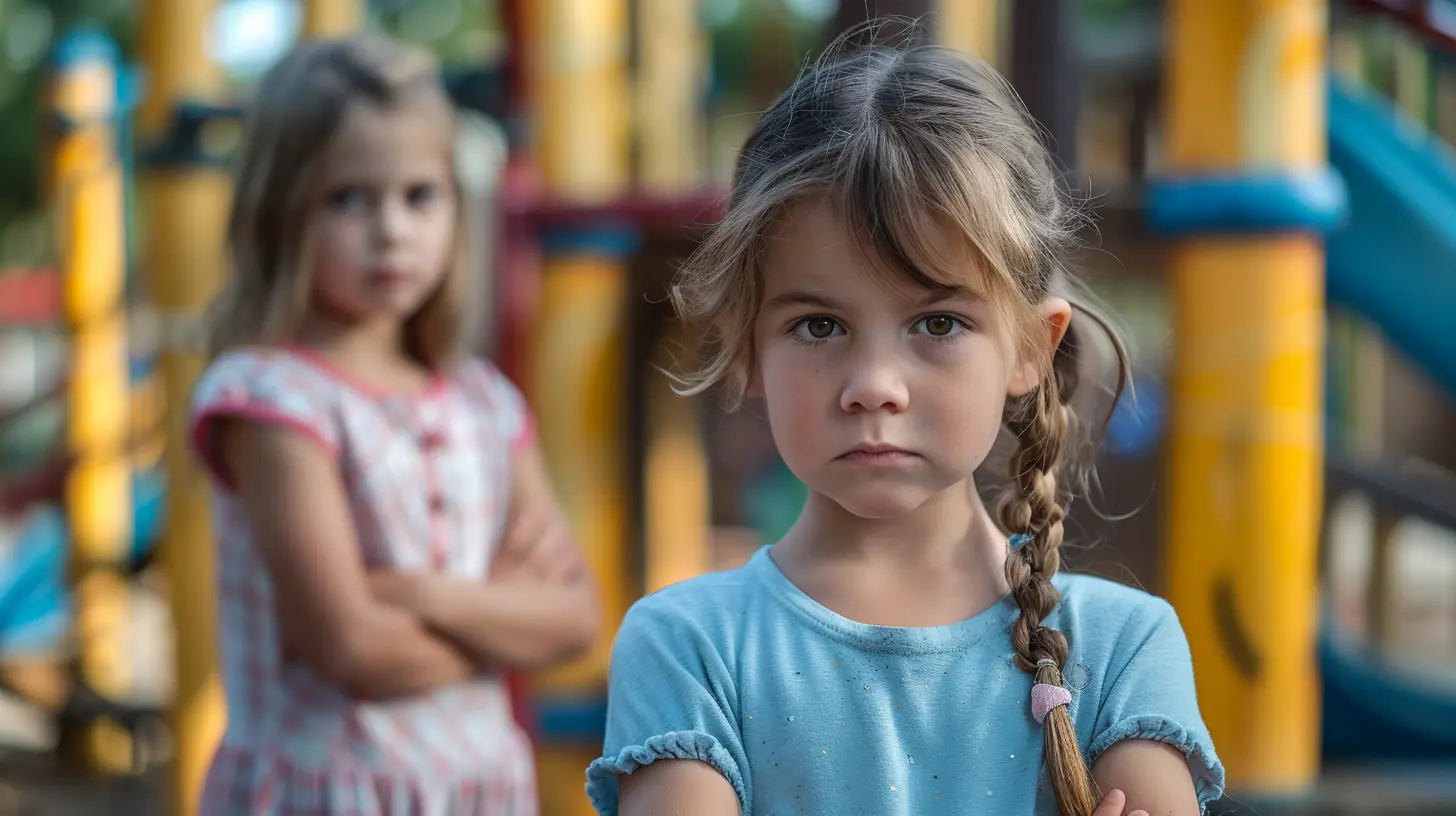
What is Playground Bullying, Really?
Before we get into the how-to, let's break it down. Bullying isn't just pushing and shoving. It can be:- Verbal – name-calling, teasing, threatening.
- Social – excluding, spreading rumors, giving the cold shoulder.
- Physical – hitting, kicking, taking things.
- Cyber (yes, even on the playground) – snapping a mean photo or message during school hours.
Playground bullying is often sneaky. It hides behind giggles, inside jokes, and "just playing around." That’s why it’s crucial to identify it early and take it seriously.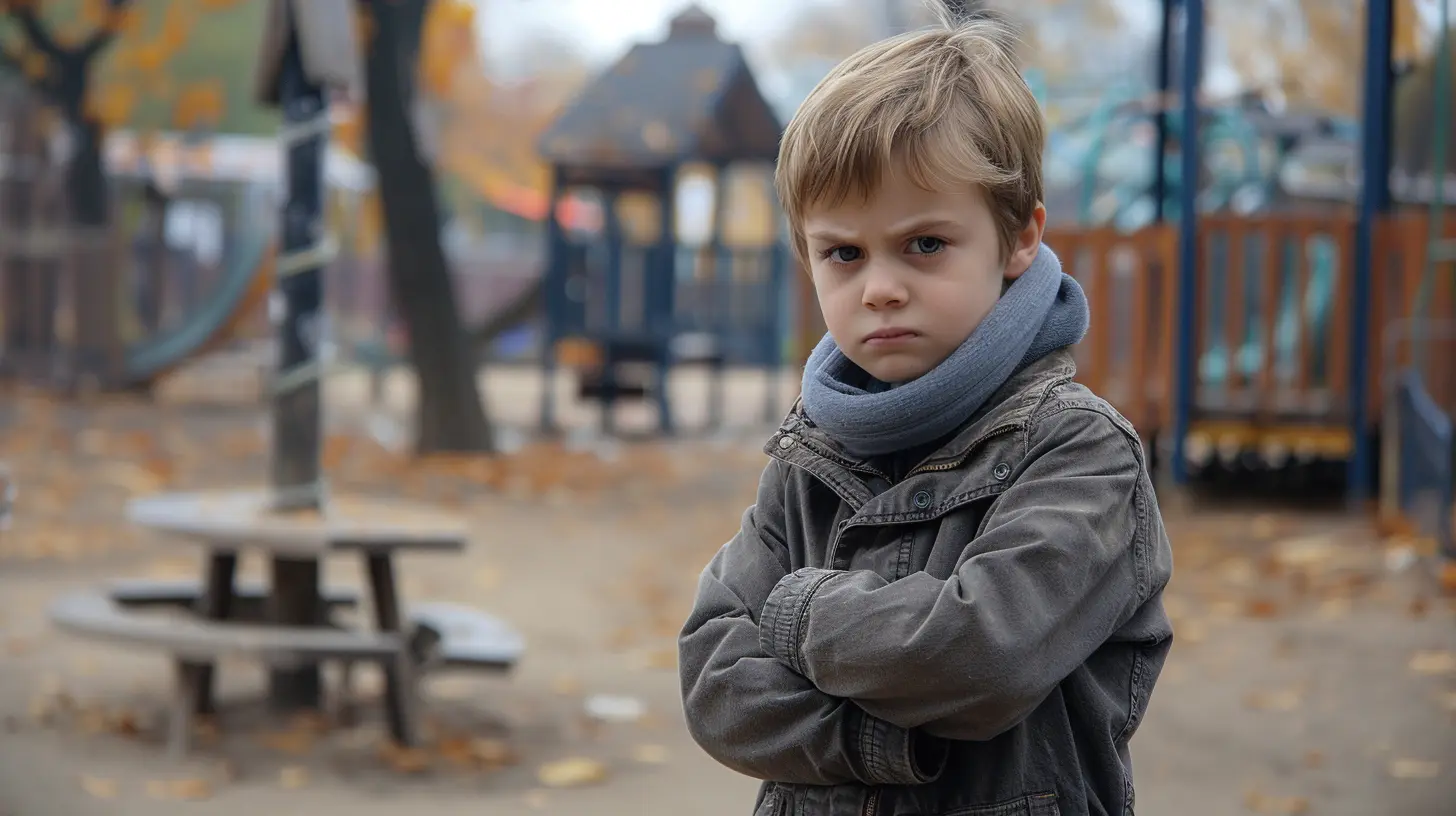
Why the Playground?
Because the playground is where adult eyes aren't always watching. That 20-minute recess window? It’s enough time for repeated bullying patterns to set in. On the playground, freedom can sometimes mean friction.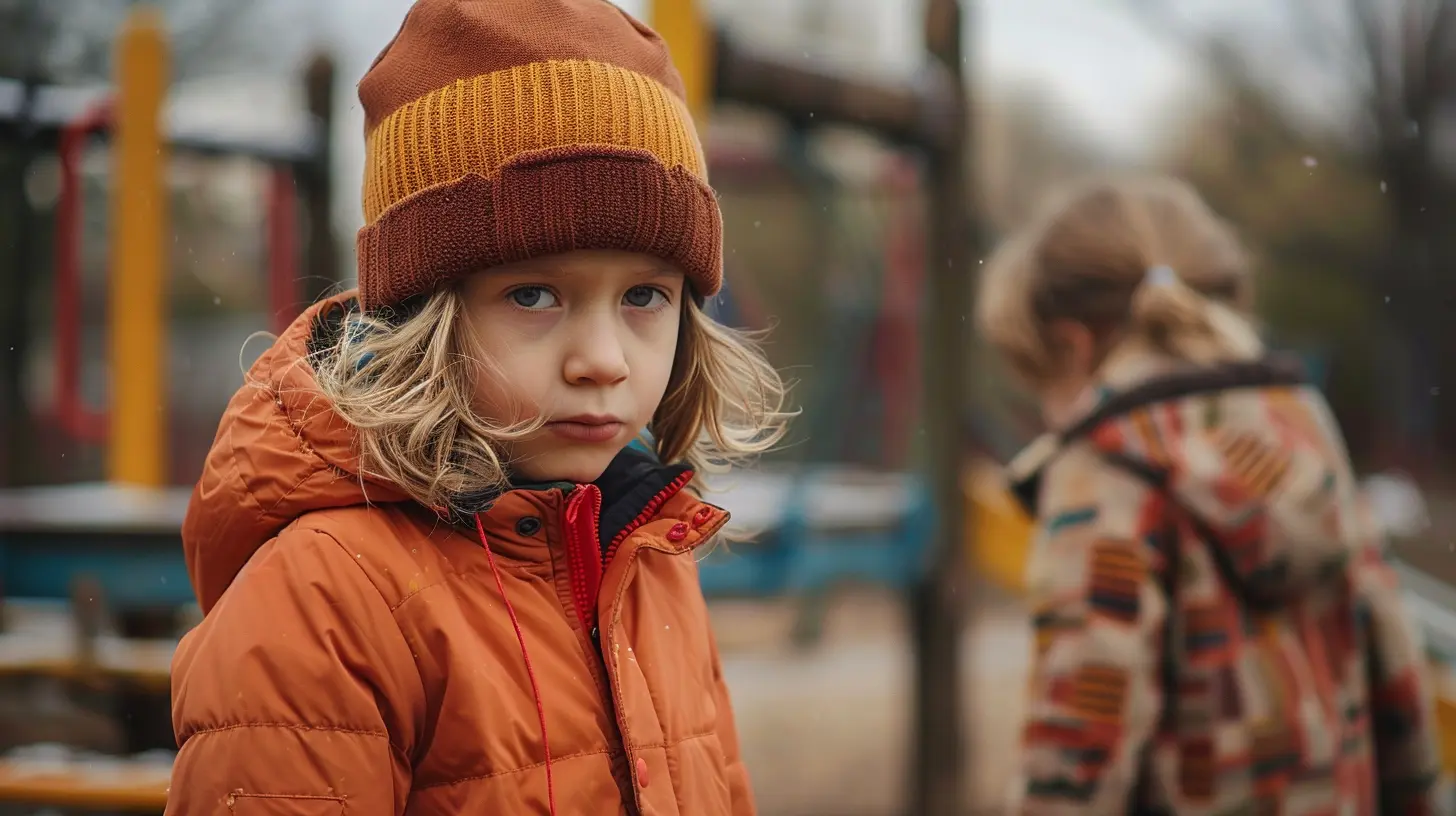
How Bullying Affects Your Child
Let’s not sugarcoat it—bullying stings. It chips away at self-esteem, triggers anxiety, and can even cause kids to fake sickness to avoid school. Long-term, it may leave scars that stay beyond childhood.Ever heard the phrase “kids are resilient”? It’s true… but only if they’re guided and supported. That’s where you come in.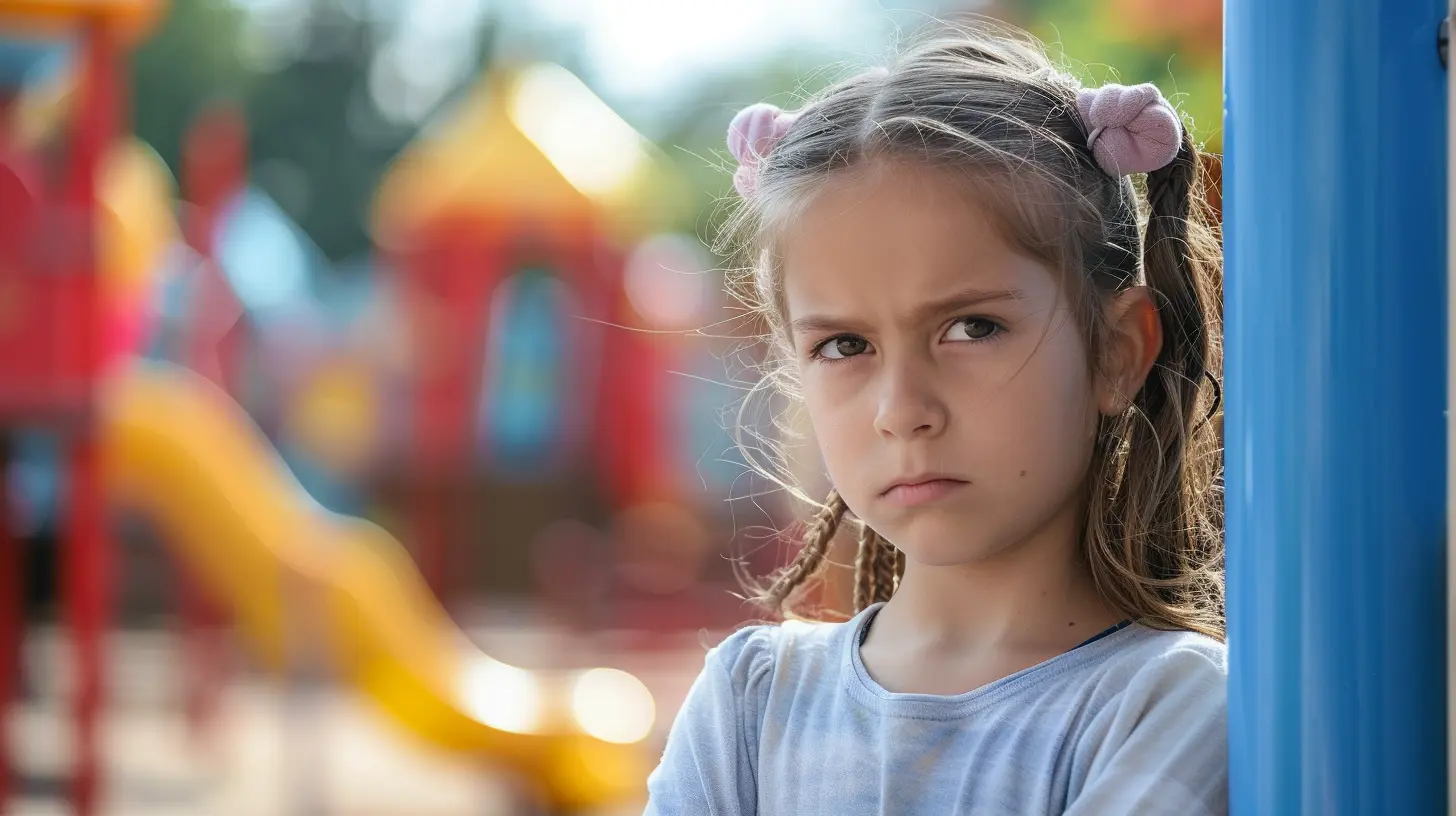
Step-by-Step: How to Prepare Your Child for Playground Bullying
1. Open the Door to Honest Conversations
Start the conversation early and keep it flowing. Make it casual—maybe during dinner or while walking the dog.Instead of asking “Did anyone bully you today?” try:
- “Anyone have a tough day at recess?”
- “What’s the most fun and least fun part of your playtime?”
You’re not just fishing for info—you’re building trust. When they know they can talk, they’re more likely to tell you when something’s off.
2. Teach the Power of Confidence
Confidence is like armor—when your child believes in themselves, they’re less tempting targets. Help them stand tall, make eye contact, and use strong, clear words.You can even roleplay!
- You: “I’m the bully.”
- Your kid: “Please stop. That’s not okay.”
Practicing responses gives them a script to lean on when emotions run high.
3. Equip Them with Kind but Firm Responses
Kids don’t need ninja moves; they need words that set boundaries and show they’re not easy prey.Some simple, powerful phrases:
- “Stop. That’s not nice.”
- “I don’t like that. Leave me alone.”
- “I’m going to walk away now.”
If the bully keeps pushing, kids should know it’s okay to find an adult.
4. Help Them Identify Safe Adults
Who do they go to when things get tough? Can they name a teacher, coach, or lunch lady they feel safe around?Make a list together. And reassure them: asking for help is bravery, not tattling.
5. Teach Emotional Regulation
It’s hard to respond calmly when your heart’s racing. Kids need tools to manage those big feelings.Breathing exercises, counting to ten, even squeezing a stress ball—these small actions help them stay in control. Emotions don’t have to run the show.
6. Encourage Empathy and Inclusion
The flip side to preventing bullying is raising kids who don’t bully. Talk about kindness. Show them how to be a buddy, not a bystander.You can say:
- “If you see someone eating alone, invite them.”
- “If your friends tease someone, tell them it’s not cool.”
Compassion is contagious—pass it on.
7. Use Storytelling and Books
Kids love stories. Use them to teach about bullying without lecturing.Books like “Chrysanthemum” by Kevin Henkes or “Enemy Pie” by Derek Munson are great springboards for conversations. Relatable characters make tough topics easier to digest.
8. Monitor Their Technology—Even at School
Yes, kids might sneak a phone or tablet into recess or after-school programs. Keep an eye on messages, group chats, and social media. Bullying isn’t confined to the physical space anymore.Set healthy limits. Keep open communication about what's happening online.
Signs Your Child Might Be Getting Bullied
Sometimes kids won’t tell you. That’s why you have to keep your radar up.Watch for:
- Unexplained cuts, bruises, or missing belongings
- Sudden withdrawal or mood changes
- “I don’t want to go to school” excuses
- Trouble sleeping or nightmares
- Loss of appetite or overeating
If these red flags pop up—don’t panic, but don’t brush it off either.
When to Step In
Your first step? Talk to your child. Get their perspective. Then decide if intervention is needed.If the bullying continues or escalates, talk to teachers, counselors, or school administrators. Document what’s happening and advocate for your child. You’re their voice until they find their own.
And hey, check your school’s bullying policy. Every school is supposed to have one.
Encourage Healthy Friendships
Friends act like bodyguards for the soul. A strong social circle can protect against bullying and help kids feel seen and accepted.Encourage playdates, group activities, and after-school clubs where they can meet like-minded peers. Help them build their village.
Keep in Touch with Teachers
Want the inside scoop? Teachers often see what we don’t. Keep communication open—send a quick email or chat during parent-teacher meetings.You can say:
- “I’m just checking in about how my child interacts with peers.”
- “Have you noticed any conflicts or changes in their friend group?”
Stay informed without being overbearing.
Boost Their Self-Esteem Outside School
Find something your child loves and help them get good at it. Whether it’s art, sports, music, or karate—skills build confidence, and confidence wards off bullies.They need to know: “I’m good at something. I matter.”
What If Your Kid Is the Bully?
Yep, it happens. And if it does, don’t freak out. It doesn’t make you a bad parent.Take a breath.
Talk to your child with love and firmness.
Ask:
- “What happened?”
- “How do you think the other person felt?”
Focus on empathy. Set consequences and offer support to change the behavior. Growth happens when we own the tough stuff.
Your Role: Be Their Safe Space
At the end of the day, your child needs to know home is their haven. So, listen more than you speak. Celebrate their bravery—even the baby steps. Hug it out. Be their cushion against the world.Kids don’t need perfection. They need connection.
Final Thoughts
Playgrounds will always have a mix of joy and conflict. That’s just life in miniature. But when we equip our kids with the right mindset and tools, they don’t just survive—they shine.So, instead of dreading what might go wrong, let’s focus on what can go right when a child is confident, compassionate, and prepared.
Because your kid? They’ve got this—and they’ve got you.
all images in this post were generated using AI tools
Category:
Dealing With BullyingAuthor:

Zelda Gill
Discussion
rate this article
2 comments
Rune Abbott
Empower your child with confidence to face challenges with courage!
March 19, 2026 at 5:22 AM
Zelda Gill
Absolutely! Building confidence is key. Open conversations and role-playing can help your child handle challenges effectively.
Weston Cruz
This article offers such valuable insights! I’m eager to learn more about effective strategies for empowering kids against bullying while fostering their confidence. Can't wait to read the comments and share experiences!
March 1, 2026 at 3:51 AM
Zelda Gill
Thank you for your enthusiasm! I'm glad you found the insights valuable. Empowering kids against bullying is so important. Looking forward to hearing your thoughts and experiences!