Recognizing the Signs of Relational Bullying: A Parent's Guide
19 December 2025
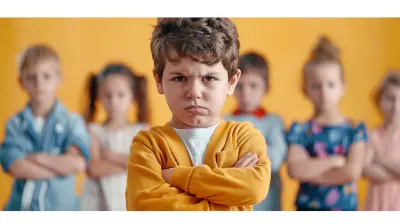
Bullying isn't just about physical aggression or hurtful words. Sometimes, the wounds run deeper, hidden beneath whispers, exclusion, and silent but painful social games. This is what we call relational bullying, and it can be just as damaging—if not more—than physical bullying.
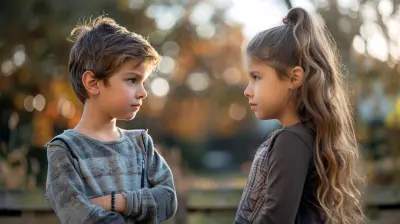
If you're a parent, understanding the signs of relational bullying is crucial. Often, kids suffer in silence, unsure of how to express the emotional turmoil they're experiencing. Let's dive into exactly what relational bullying looks like, why it happens, and how you can help your child navigate through it. 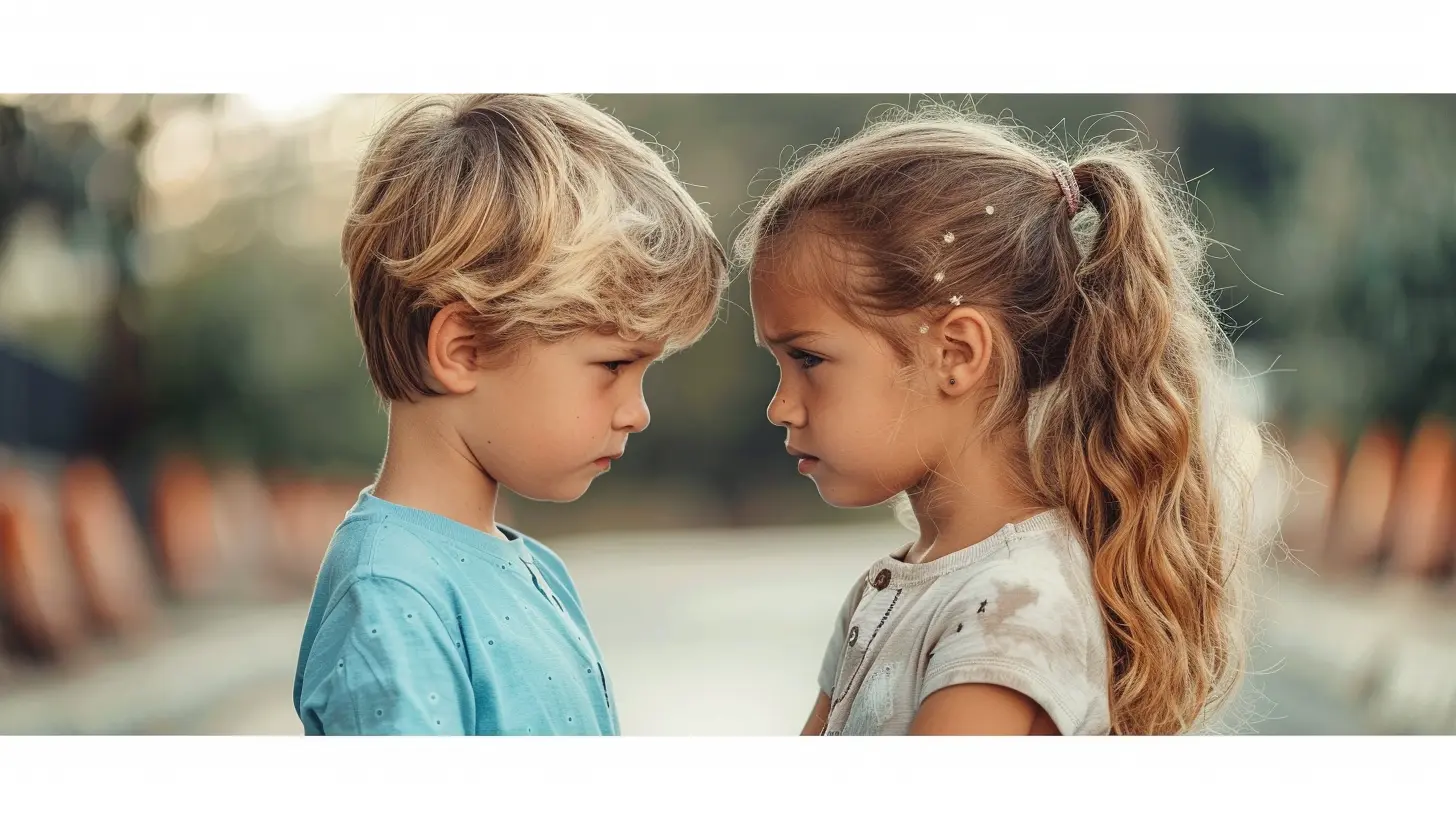
What is Relational Bullying?
Relational bullying, also known as social or emotional bullying, is a form of psychological manipulation. Instead of direct aggression, the bully uses exclusion, rumors, humiliation, and peer pressure to harm their target.Imagine a child being deliberately left out of a birthday party that everyone else is invited to. Or a group of kids spreading false gossip about a classmate until no one wants to sit with them at lunch. These seemingly invisible attacks can leave deep emotional scars.
Relational Bullying vs. Other Forms of Bullying
Unlike physical bullying, where bruises and scars are visible, or verbal bullying, where insults are shouted loudly, relational bullying operates in the shadows. It’s subtle yet incredibly impactful, often leaving parents unaware their child is even being targeted.Here’s how it differs from other types of bullying:
- Physical Bullying – Involves hitting, kicking, pushing, or other forms of physical aggression.
- Verbal Bullying – Involves mean words, insults, and harsh teasing.
- Cyberbullying – Involves bullying through digital platforms, such as social media or texting.
- Relational Bullying – Involves social exclusion, manipulation, and damage to relationships.
Since it doesn’t involve physical harm or outright insults, relational bullying can be one of the hardest types to recognize. 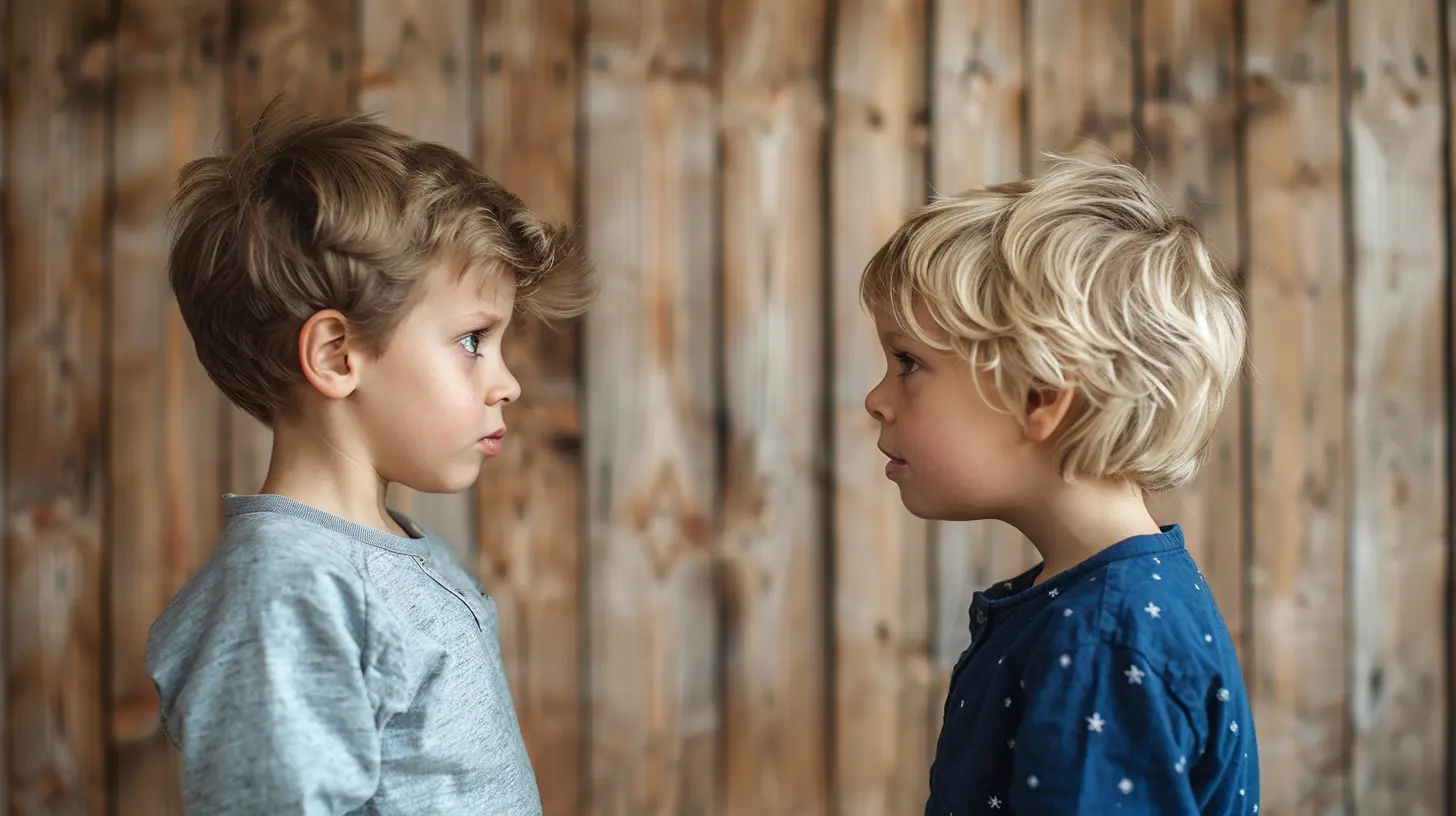
Why Do Kids Engage in Relational Bullying?
Understanding the motivation behind relational bullying can help parents address it effectively. Kids engage in social bullying for several reasons:- Power and Control – Some children bully simply to gain social power. By controlling who is "in" and who is "out," they feel a sense of dominance.
- Insecurity – Sometimes, a child may fear becoming a victim themselves, so they target others to protect their own social standing.
- Peer Pressure – Kids often engage in bullying because their friends do it. They don’t want to be left out, so they follow the crowd.
- Previous Trauma or Learned Behavior – Many bullies have experienced bullying themselves or have witnessed such behavior in their environment.
Understanding these reasons helps us address both the bullied and the bully, creating a more empathetic and effective approach to stopping it. 
Signs Your Child Might be a Victim of Relational Bullying
Because relational bullying can be subtle, picking up on the signs requires a keen eye. If your child is experiencing any of these behaviors, it's time to take a closer look:1. Sudden Changes in Friend Groups
Has your child suddenly stopped talking about their best friend? Do they seem isolated or unwilling to discuss their social life? A child quietly being pushed out of a group may not always vocalize their hurt.2. Avoiding Social Situations
Does your child dread going to school, quit extracurricular activities they once loved, or refuse to attend social gatherings? Avoidance is often a sign that something—or someone—is making them uncomfortable.3. Frequent Mood Swings or Emotional Outbursts
Relational bullying chips away at a child's emotional well-being, leading to increased irritability, sadness, or anxiety. They might lash out at home or have unexplained breakdowns.4. Unexplained Physical Complaints
A child experiencing stress from bullying might complain of headaches, stomachaches, or fatigue—often as a way to avoid distressing social situations.5. Excessive Concern About Social Media or Peer Approval
If your child is obsessively checking their phone, worried about someone blocking or unfollowing them, or feeling intense anxiety about social media interactions, they may be experiencing exclusion or online social bullying.6. Low Self-Esteem or Negative Self-Talk
Statements like “No one likes me” or “I don’t fit in” are major red flags. Relational bullying often leaves kids feeling worthless, doubting their own value.If any of these signs resonate with you, it’s essential to take action—sooner rather than later. 
How Parents Can Help Their Child Handle Relational Bullying
As a parent, watching your child feel left out or manipulated can be heartbreaking. But there are steps you can take to help them navigate the situation.1. Create a Safe Space for Communication
Encourage open conversations with your child. Let them know they can talk to you about anything without fear of judgment. If they seem hesitant, ask open-ended questions like:- "Is everything okay at school lately?"
- "Have you been feeling included in your friend groups?"
- "Has anyone been making you feel uncomfortable?"
2. Validate Their Feelings
Never dismiss their emotions with phrases like “It’s just kid drama” or “You’ll make new friends.” Instead, acknowledge their pain and remind them that their feelings matter. Saying something like “That must feel really hurtful—I'm here for you” helps them feel understood.3. Encourage Healthy Friendships
Not all friendships are worth holding onto. Teach your child that real friends uplift, support, and include. Encourage them to build relationships with kids who treat them with kindness and respect.4. Role-Play Confidence and Assertiveness Skills
Bullies often target kids who they perceive as vulnerable. Help your child practice firm but calm responses, such as:- “I don’t like how you’re treating me, and I won’t be part of it.”
- “Please stop spreading rumors about me. It’s not okay.”
Practicing these lines in a safe environment can give them the confidence to stand their ground.
5. Monitor Social Media Activity
Since relational bullying often extends to online spaces, keeping an eye on digital interactions is key. Set ground rules for social media use and encourage your child to avoid toxic online circles.6. Work with Teachers and School Support Staff
If the bullying is happening at school, involve teachers or counselors. Many schools have anti-bullying policies and can intervene to address the situation in a constructive way.7. Teach Resilience and Self-Worth
At the end of the day, one of the best tools against bullying is a strong sense of self-worth. Encourage activities that boost confidence, such as sports, arts, or volunteer work. Remind them that they are valued, loved, and strong.When to Seek Professional Help
If your child’s mental health is suffering significantly, it may be time to seek the guidance of a therapist. Professional counseling can help them process their emotions, build coping strategies, and regain confidence.Look for signs like:
- Depression or withdrawal from family and daily activities
- A decline in academic performance
- Anxiety attacks or sleep disturbances
- Signs of self-harm or suicidal thoughts
There is no shame in seeking professional help. In fact, it can be one of the most important steps in helping your child heal.
Final Thoughts
Relational bullying can be incredibly painful for kids, but as parents, we have the power to help them navigate it in a healthy way. By recognizing the signs early, fostering open communication, and guiding them toward supportive friendships, we can empower our children to stand strong in the face of social bullying.No child deserves to feel invisible or unworthy. Let’s stand by them, advocate for them, and remind them of their incredible worth—because they deserve nothing less.
all images in this post were generated using AI tools
Category:
Dealing With BullyingAuthor:

Zelda Gill
Discussion
rate this article
2 comments
Noora Meyers
Great insights! Understanding relational bullying is crucial for parents. Open communication with kids is key to addressing and preventing it.
January 21, 2026 at 6:02 AM
Zelda Gill
Thank you! Open communication truly empowers parents to support their children effectively.
Anna Gilbert
This guide offers valuable insights for parents to identify and address relational bullying effectively and compassionately.
December 19, 2025 at 5:34 AM
Zelda Gill
Thank you! I'm glad you found the guide helpful for addressing relational bullying in a compassionate way. Your support means a lot!