Promoting Positive Peer Relationships to Reduce Bullying
21 May 2026
Bullying is one of those topics that hits close to home for many of us, whether from personal experience or seeing someone we care about go through it. It's painful, upsetting, and downright unfair. But what if I told you that fostering positive peer relationships could be a game-changer in reducing bullying? Yep, you heard me right! By encouraging kids to build healthy, supportive relationships, we can nip bullying in the bud before it even starts.
In this article, we’re going to dive deep into how promoting positive peer relationships can help reduce bullying, why it works, and how parents (like you and me) can play a pivotal role in the process. So, grab a cup of coffee, sit back, and let's chat about building a kinder, more empathetic world for our kiddos.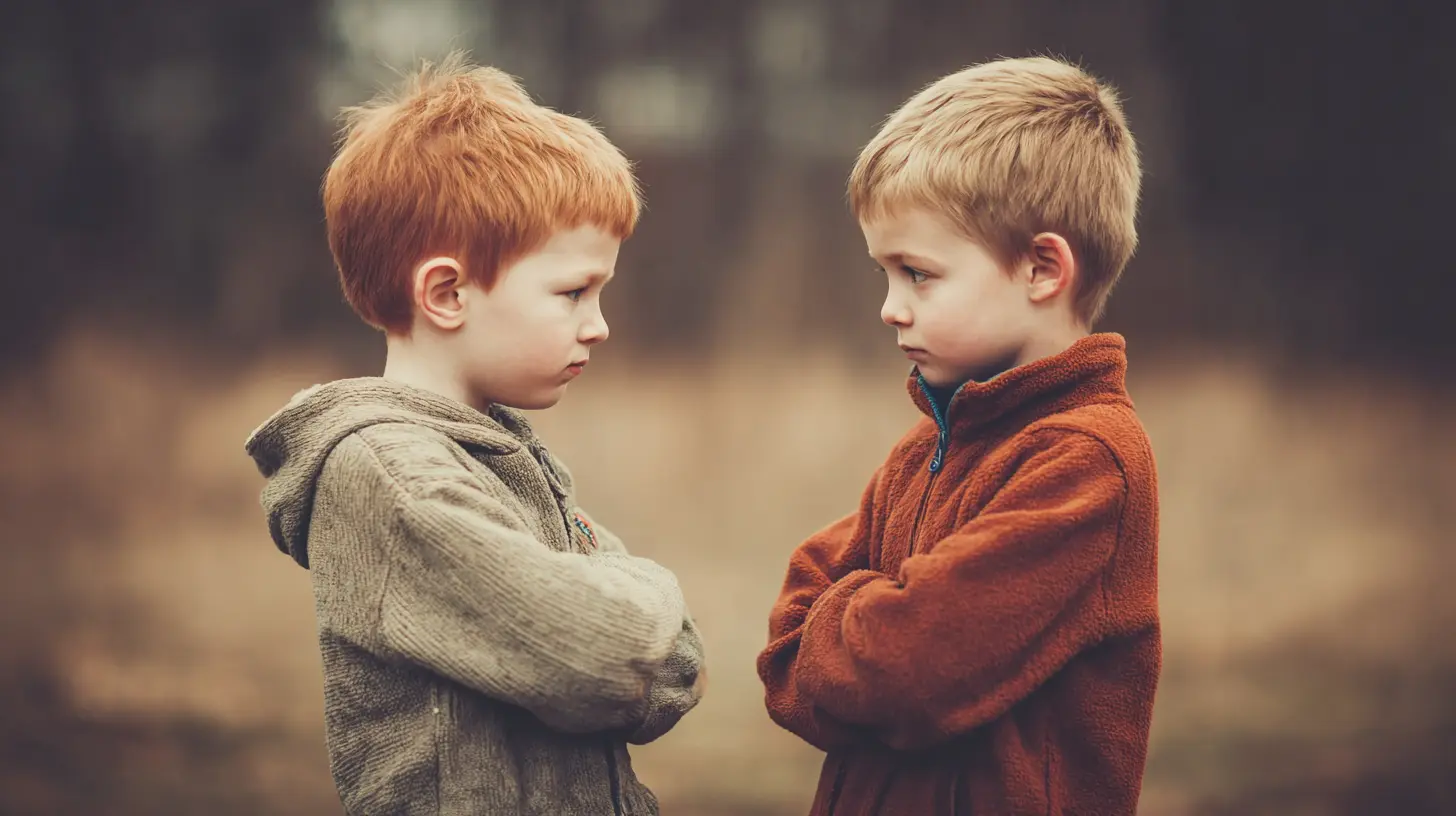
Why Peer Relationships Matter in Tackling Bullying
Let’s start with the basics, shall we? Kids spend a huge chunk of their time with their peers—whether that’s in school, at extracurricular activities, or just hanging out in the neighborhood. These relationships have a surprisingly big impact on their emotional and social development.Think about it: when kids know how to form positive relationships, they’re less likely to feel the need to put others down to boost their self-esteem. On the flip side, strong, supportive friendships can act as a shield, protecting children from becoming targets of bullying or even stopping would-be bullies in their tracks.
But this isn’t just about the kids being nice to each other (though, wouldn’t the world be so much better if they all did?). It’s about teaching empathy, understanding, and collaboration—the foundational skills for building meaningful relationships. So yes, peer relationships matter—a lot!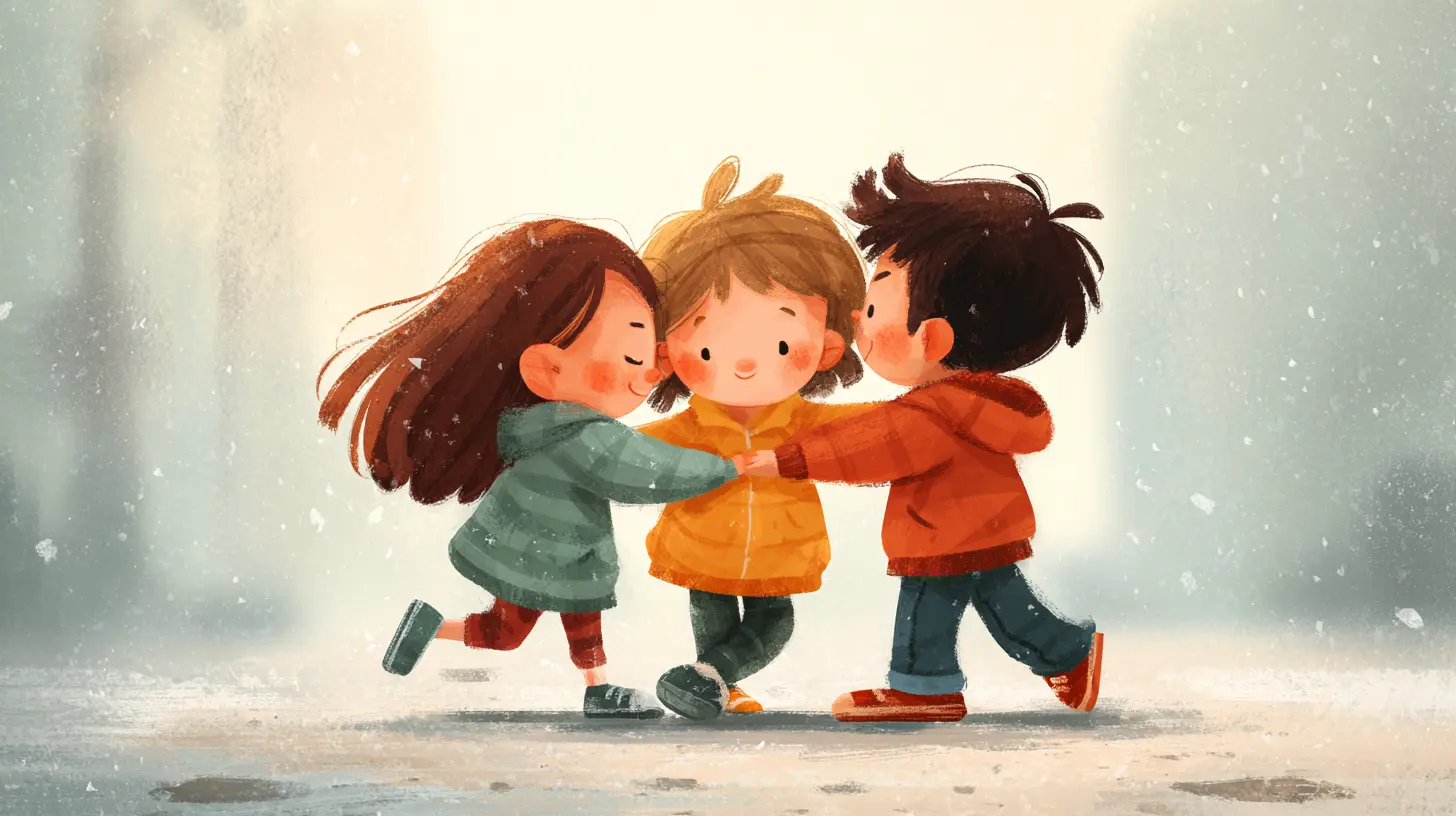
The Connection Between Positive Peer Relationships and Bullying Prevention
Understanding the Bullying Dynamic
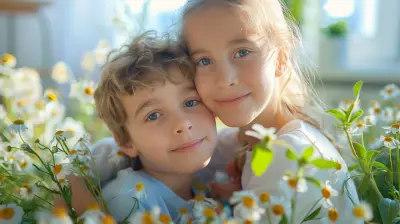
Bullying thrives in environments where kids feel isolated, lack social connections, or witness cruelty without intervention. Bullies often target those who seem vulnerable or those who don’t have a strong support system. In short, loneliness can make someone an easy target.Enter positive peer relationships: when kids have friends who’ve got their backs, they’re less likely to be targeted. Why? Because bullies know they’re not just messing with one person; they’re facing a group of supportive peers who won’t tolerate harmful behavior. It’s like a human safety net for the emotional well-being of kids.
The Role of Social Skills
Another key aspect of positive peer relationships is the development of social skills. Kids who know how to communicate effectively, resolve conflicts calmly, and show empathy are generally less likely to hurt others or accept hurtful behavior. These skills also create a ripple effect—the more kids model kindness and inclusivity, the more it spreads.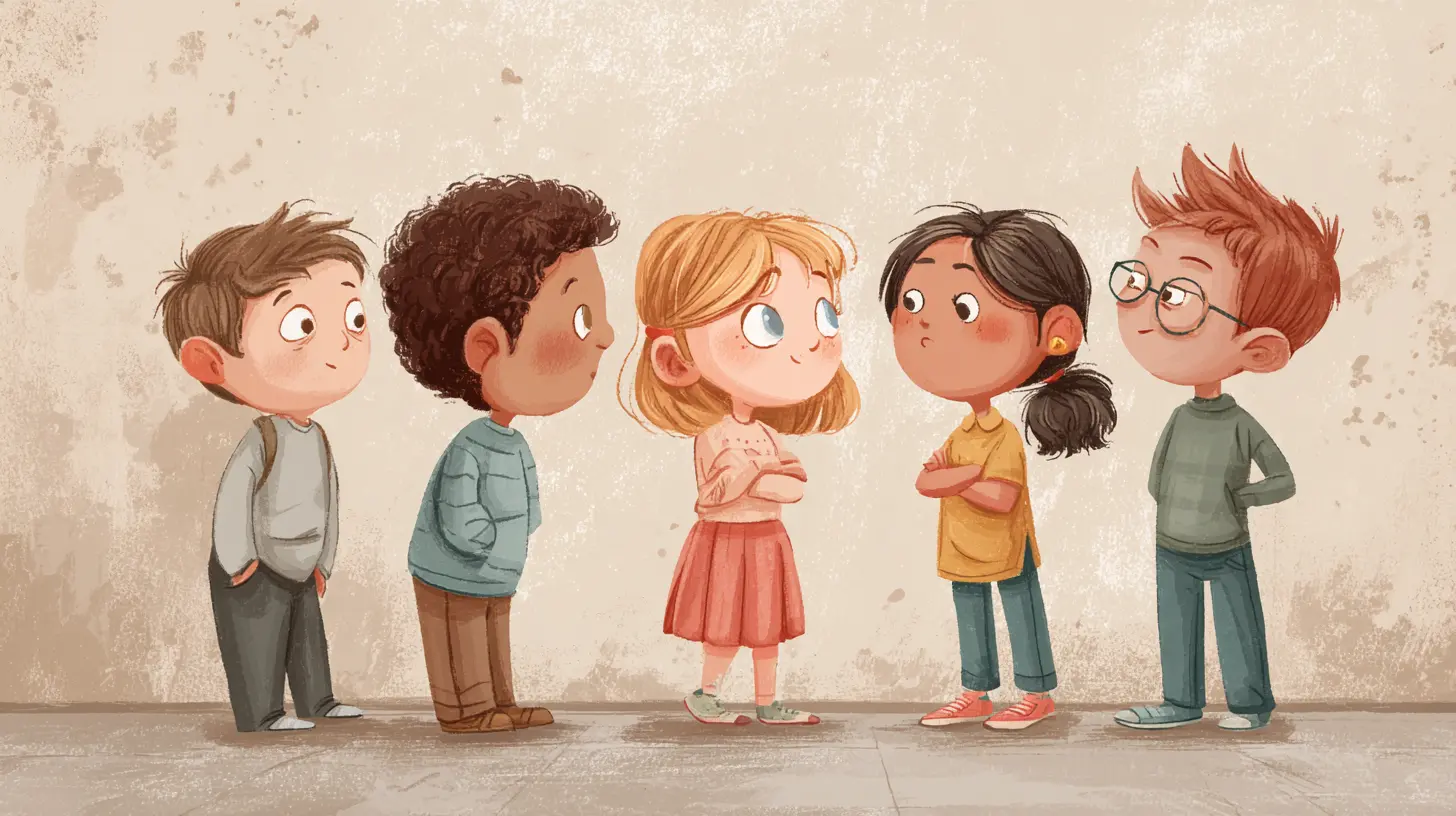
How Positive Peer Relationships Can Be Nurtured
Alright, so we’ve established why positive peer relationships are important. But here’s the million-dollar question: how do we actually encourage kids to form and maintain these relationships? Don’t worry; I’ve got you covered with some practical tips.1. Encourage Open Conversations About Friendships
Let’s be real—kids won’t magically learn how to be good friends overnight. It starts with us, parents, and educators having ongoing conversations about what healthy relationships look like. Ask questions like:- “What do you value in a friend?”
- “How do you feel when someone includes or excludes you?”
- “What would you do if you saw someone being treated unfairly?”
This opens the door for kids to reflect on their own actions and helps them understand the impact they have on others.
2. Teach Empathy Through Everyday Moments
Empathy is like a muscle—it gets stronger the more you use it. And guess what? Everyday life is filled with teachable moments to flex that empathy muscle. Whether it’s pointing out when someone looks sad in a movie or explaining why sharing matters, these little lessons add up.You can even make it fun! Try role-playing scenarios where your child is faced with tough social situations. For example, “What would you do if you saw a classmate sitting alone at lunch?” Practicing responses helps them feel confident when those moments arise in real life.
3. Encourage Group Activities
Getting kids involved in team sports, clubs, or group projects is an excellent way to foster collaboration and friendship. Plus, these settings naturally encourage kids to work together, solve problems, and celebrate each other's strengths. Whether it’s a soccer game or a school science fair, shared experiences create bonds that go deeper than surface-level friendships.4. Model Kindness at Home
Kids are like sponges—if they see you being kind, considerate, and respectful, they’re more likely to mimic those behaviors. So, don’t just talk the talk; walk the walk. Show them how to handle conflicts with grace, how to give compliments freely, and how to support loved ones during tough times.As parents, we have the incredible power to set the tone. If your home is a safe, accepting space, your child is more likely to carry that attitude with them into the world.
5. Recognize and Celebrate Positive Behavior
When was the last time you praised your child for being a good friend? If it’s been a while, now’s the perfect time to start. Kids love encouragement—it boosts their confidence and reinforces good behavior.For example, if your child stands up for someone being picked on, be sure to say something like, “You showed so much courage and kindness; I’m really proud of you.” Positive reinforcement can work wonders in shaping a child’s character.
6. Educate About Bullying and Its Effects
It’s hard to stand up to bullying if kids don’t fully understand the damage it causes. Share real-life stories or age-appropriate books and videos about bullying. Let them see how harmful words and actions can be. When kids recognize the ripple effect of bullying, they’re more likely to speak up against it—or better yet, prevent it altogether by fostering kindness.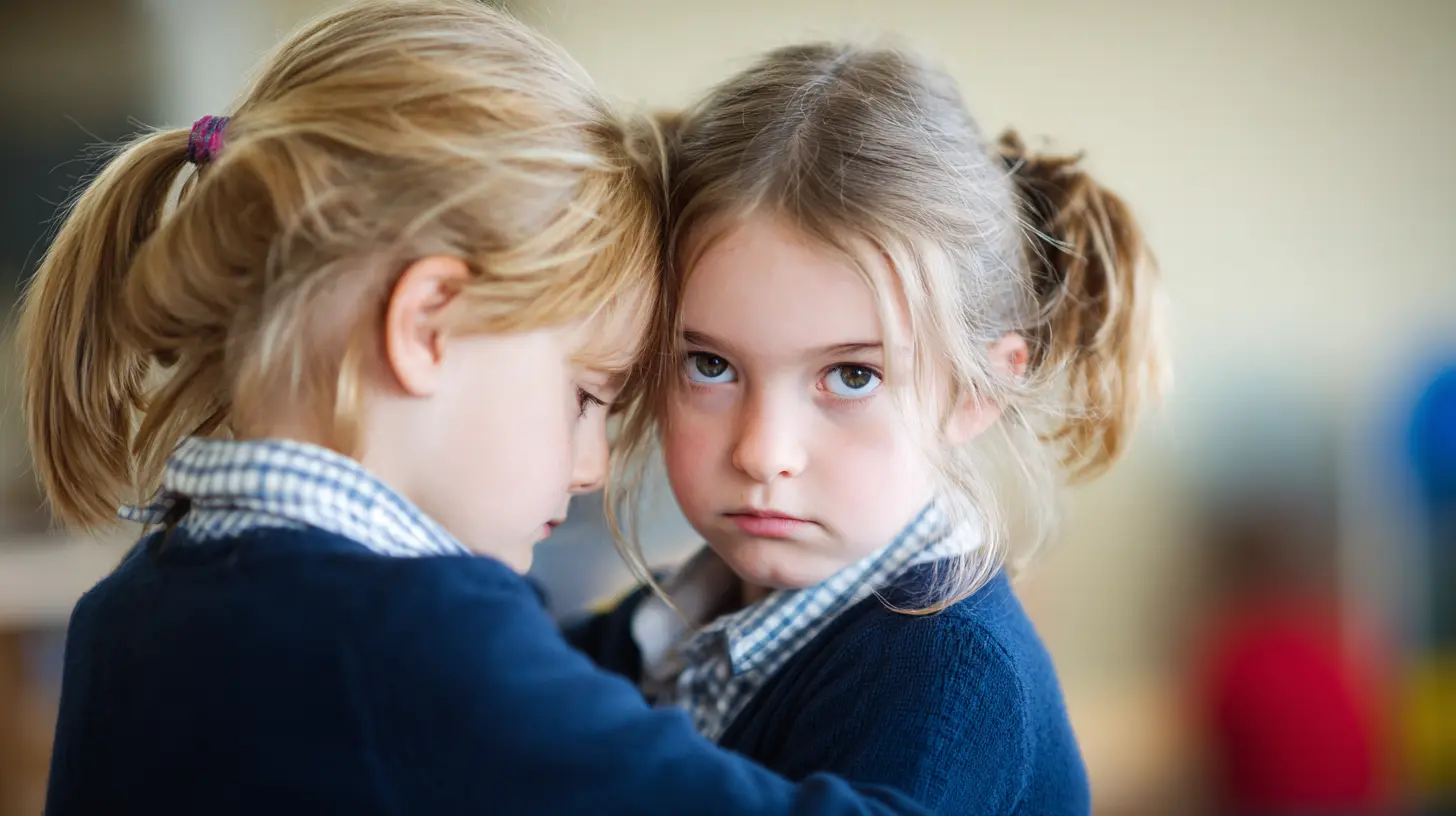
The Role of Schools and Communities
It’s not all on us parents! Schools and communities play a massive role in promoting positive peer relationships. Programs like buddy systems, peer mentorships, and anti-bullying campaigns are great ways to support this effort. Teachers can also integrate collaborative activities and lessons on empathy into their classrooms.Communities can step up too! Hosting events where families can connect, creating safe spaces for teens, and encouraging volunteerism are all ways to strengthen relationships and spread kindness. Imagine what we could achieve if everyone worked together for the same goal!
Signs Your Child Might Be Struggling With Peer Relationships
Even with the best intentions, kids may sometimes struggle to form or maintain positive relationships. Here are a few red flags to watch for:- They frequently complain about being excluded or made fun of.
- They seem withdrawn or anxious before school or social events.
- They don’t talk much about friends or avoid conversations about their interactions.
If you notice any of these signs, it’s time to step in. Gently ask open-ended questions to get to the heart of the issue and, if needed, seek support from school counselors or child psychologists. There’s no shame in getting a little extra help—it takes a village, after all!
Final Thoughts
Promoting positive peer relationships isn’t just about reducing bullying—it’s about creating a kinder, more inclusive world for the next generation. And while it might feel overwhelming at times, remember that every small action adds up. Whether it’s teaching your child to be a good friend, encouraging empathy, or modeling kindness yourself, you’re making a difference.So, let’s keep striving to build those human safety nets, one friendship at a time. Because when kids learn to lift each other up instead of tearing each other down, the ripple effects are nothing short of extraordinary.
all images in this post were generated using AI tools
Category:
Dealing With BullyingAuthor:

Zelda Gill
Discussion
rate this article
1 comments
Uriah Warren
Building kindness shapes friendships.
May 23, 2026 at 3:22 PM
Zelda Gill
Absolutely! Kindness is at the heart of strong friendships and is key to fostering a supportive environment.