Forest School at Home: Bringing Nature to Your Kids
4 March 2026
Do you ever look at your kids glued to their screens and think, What happened to good old-fashioned outdoor play? If so, you're not alone! In a world where digital distractions reign supreme, it's more important than ever to reconnect our children with nature.
Enter forest school at home—a way to bring the great outdoors to your little explorers, no matter where you live. Whether you're in a bustling city or have a backyard jungle, you can create a nature-rich learning environment right at home.
So, grab your wellies, pack some snacks, and let’s dive into the magical world of outdoor learning! 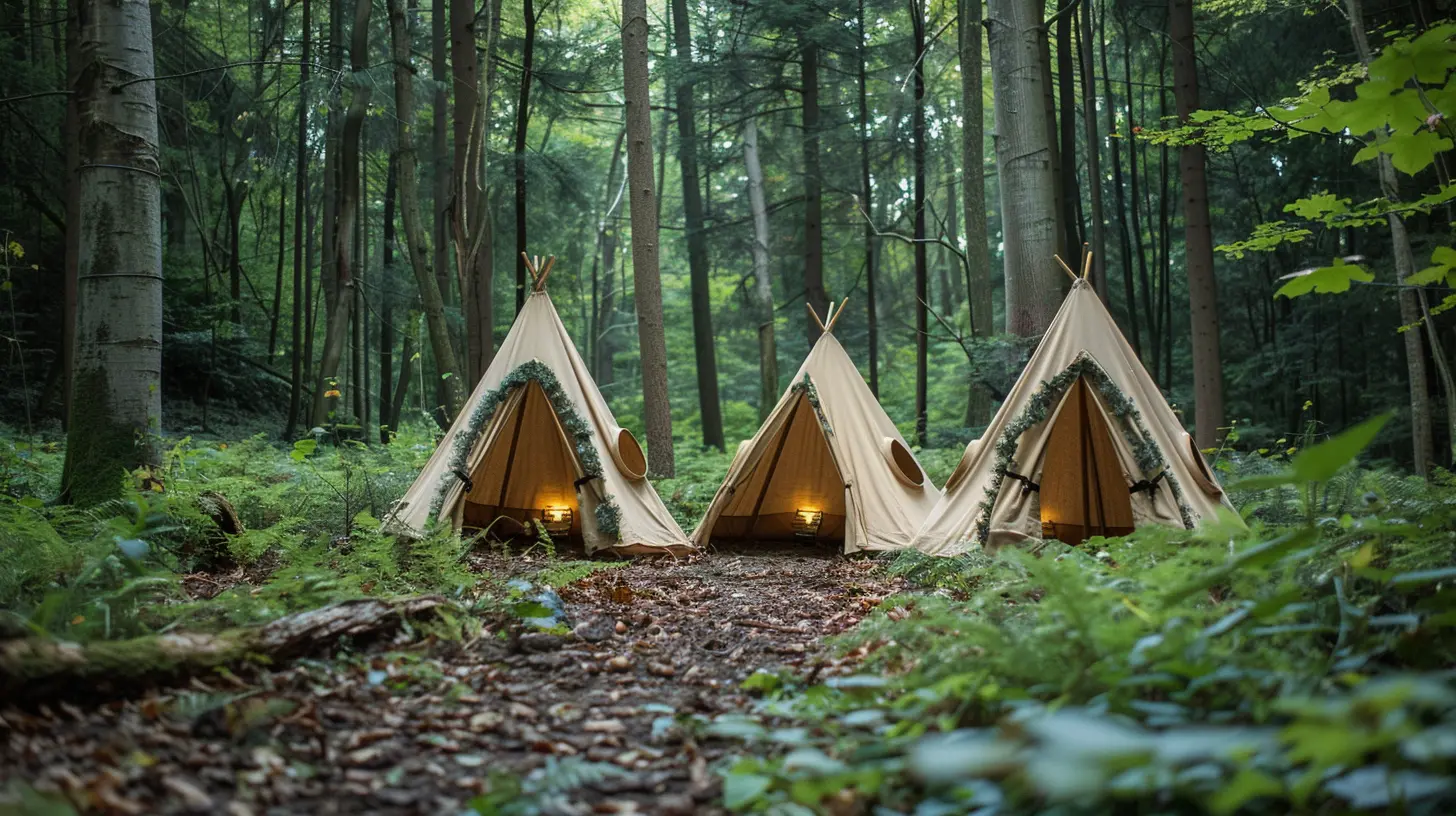
What is a Forest School?
Before we start building our backyard wilderness, let’s get one thing straight—what exactly is a forest school?Forest school is an educational approach that encourages children to learn through outdoor play and hands-on experiences in nature. Think of it as Mother Nature’s classroom, where kids can:
- Climb trees instead of climbing the ranks in a video game
- Get muddy while mastering problem-solving skills
- Observe insects instead of watching cartoons
The best part? There are no desks, no rigid schedules—just open-ended exploration and discovery.
So how do you make this magic happen at home? Let’s get to it! 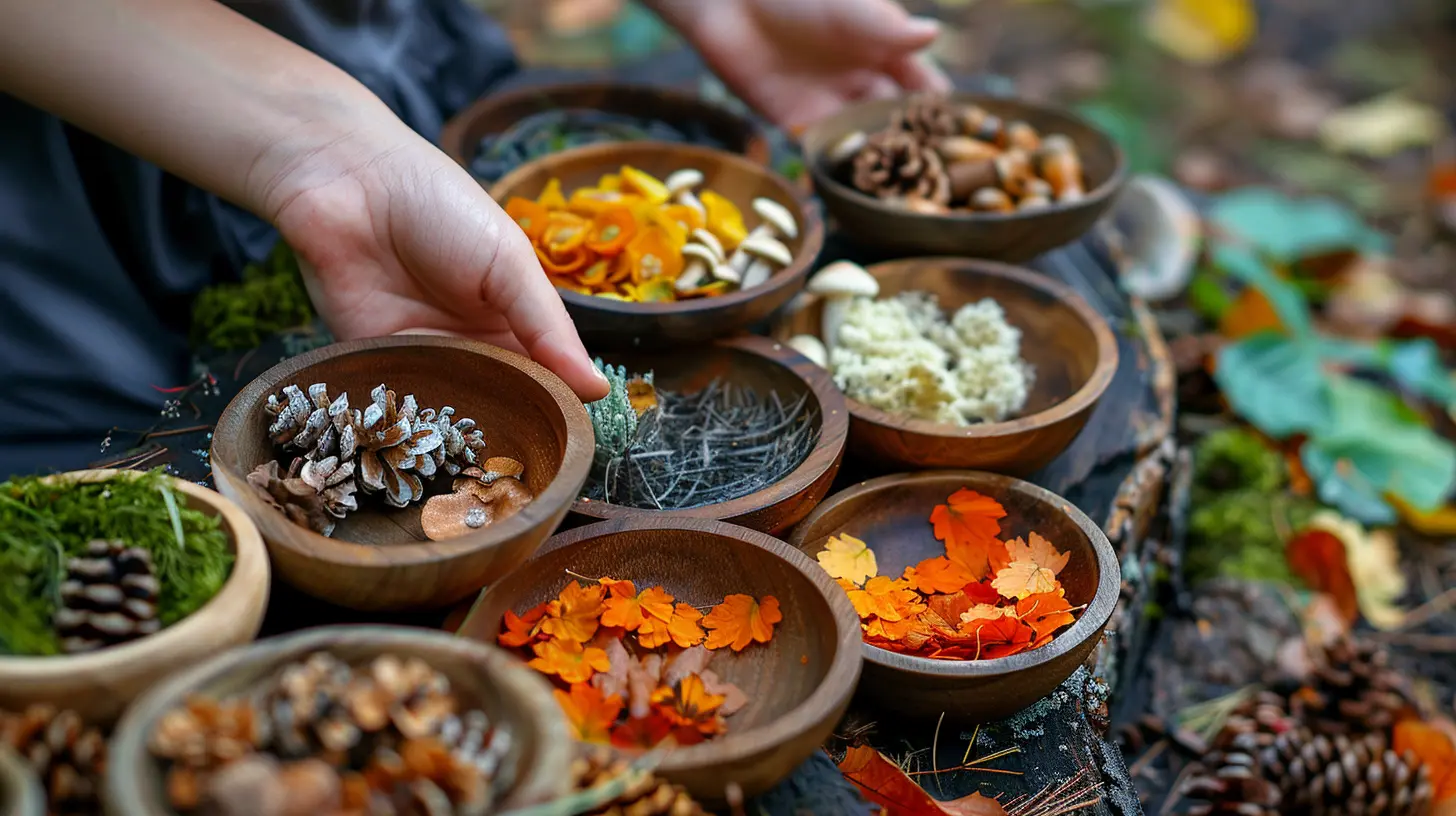
Setting Up Your Forest School at Home
You don’t need acres of woodland to create a forest school experience. Whether you have a backyard, a local park, or just a small balcony, you can still bring nature into your child’s daily routine.1. Create a Nature Zone
First, designate a space where your child can explore freely. If you have a yard, set up a little "wild corner" where grass grows tall, bugs thrive, and curiosity runs wild. Apartment dwellers? No problem! A collection of potted plants, a small sensory bin with soil and leaves, or even weekly trips to a local park can work wonders.2. Let There Be Mud!
Children and mud go together like peanut butter and jelly. Set up a mud kitchen with old pots, spoons, and some dirt. Let them mix, mash, and make "mud pies." It might get messy, but hey, that’s the point!3. Encourage Risky Play (Within Reason!)
Climbing trees, balancing on logs, jumping off rocks—risky play is crucial for developing confidence and resilience. Of course, safety comes first, but a scraped knee here and there is a small price to pay for a fearless explorer.4. Bring in Loose Parts
Loose parts are random, natural materials kids can use to build, create, and imagine. Gather things like:- Sticks
- Pinecones
- Rocks
- Leaves
- Shells
Hand them over and watch as your child builds fairy houses, animal shelters, or stick people. No fancy toys needed—just Mother Nature’s free supplies! 
Activities for Your DIY Forest School
Now that you have the setup, what exactly will your little adventurers do? Here are some fun and simple activities to get started:1. Nature Scavenger Hunt
Make a list of things to find—acorns, bird feathers, a heart-shaped rock—and let your little explorers hunt for them. Bonus points if they can tell a story about each item they find!2. Bug Hotel Construction
Who doesn’t love a quirky hotel? Gather sticks, leaves, and bark to build a "hotel" for insects. Observe what creepy crawlies move in—ladybugs, beetles, maybe even a sneaky spider!3. Campfire Stories (No Fire Required!)
Sit in a circle outside (or under a blanket fort if the weather’s rough) and share nature-inspired stories. Let your child take turns making up wild adventures about talking trees and magical rivers.4. Barefoot Walk Challenge
Walking barefoot on different surfaces—grass, mud, pebbles—helps kids connect with their environment in new ways. Plus, it’s a great sensory experience!5. Cloud Watching & Nature Journaling
Lie down, look up, and let imaginations fly! What do the clouds look like today? A dragon? A pirate ship? Have your kids sketch what they see in a nature journal.6. Plant a Mini Garden
Whether it’s a backyard plot or a few pots on your windowsill, let kids grow something! Watching a tiny seed turn into a flower (or better yet, food!) teaches patience and responsibility.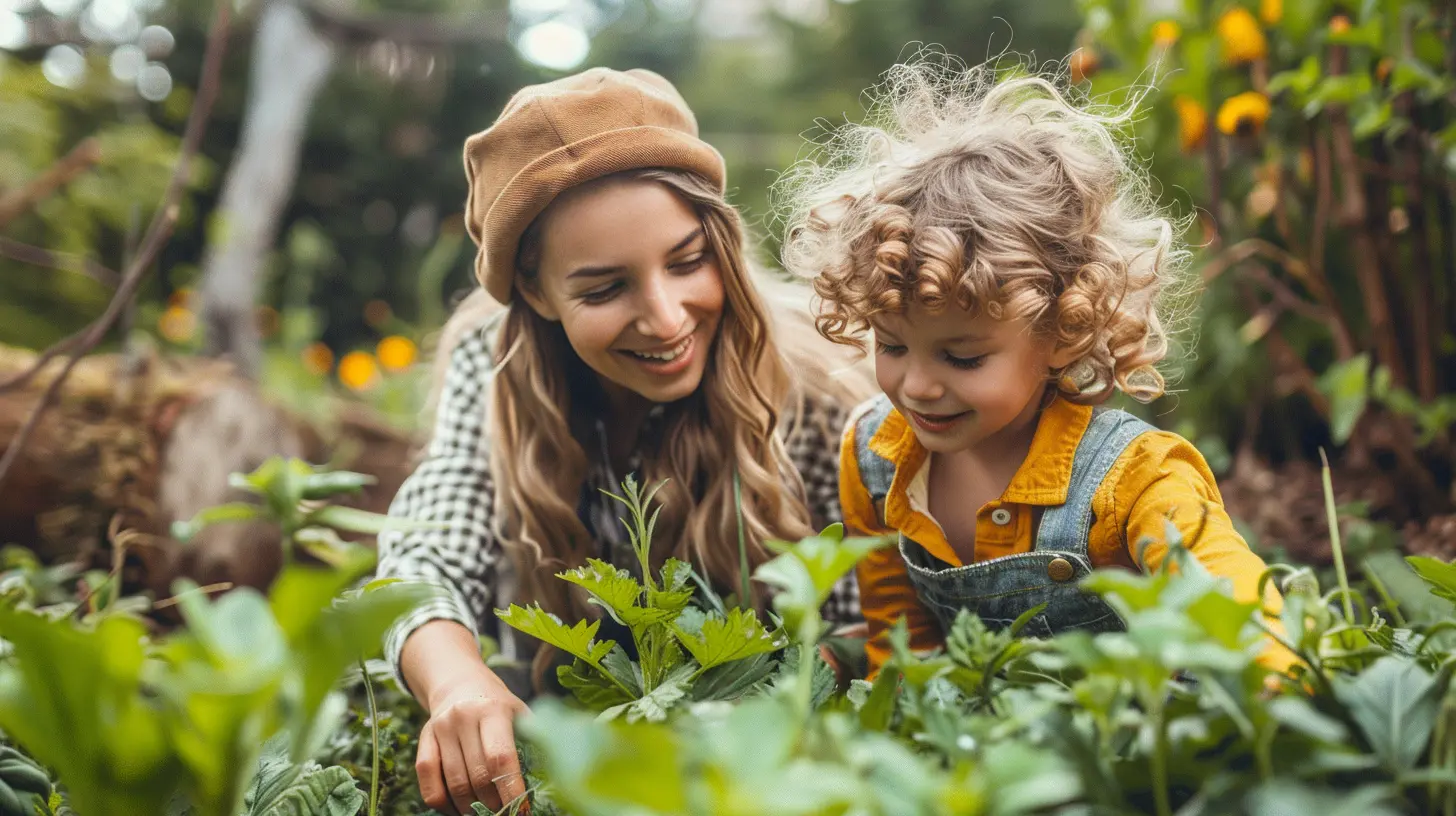
The Benefits of Forest School at Home
You might be thinking, Okay, this all sounds fun, but is it really that important?Short answer? YES!
Long answer? Here are just a few reasons why bringing forest school home is a game-changer:
1. Boosts Creativity & Imagination
Nature sparks creativity like nothing else. A pile of sticks can become a castle, a potion, or even a magic wand. The possibilities are endless!2. Improves Physical Health
Running, jumping, climbing—kids who spend time outdoors naturally develop better motor skills, strength, and coordination. Plus, playing in the dirt strengthens the immune system!3. Reduces Stress & Improves Mood
Ever noticed how a simple walk in the woods makes you feel lighter? That’s because nature has a calming effect. Kids who play outside are often less anxious and more focused.4. Encourages Independence & Problem-Solving
When kids explore on their own, they learn how to assess risks, solve problems, and trust their instincts—all essential life skills.5. Fosters a Love for Nature
The more kids connect with nature, the more they’ll grow up caring about it. And in today’s world, we need all the little eco-warriors we can get!Overcoming Common Challenges
So, what if you live in a city? Or what if your kid isn’t exactly the "outdoorsy" type? Don’t worry, forest school at home is flexible!No Backyard? No Problem!
Parks, community gardens, and even nature-themed indoor activities (think: growing houseplants, creating nature crafts) can still provide that forest school magic.Reluctant Explorers? Make it a Game!
Some kids need a little push to get outside. Turn activities into challenges—who can find the weirdest-looking rock? Who can build a den strong enough for a stuffed animal?Messy Play Worries? Embrace the Dirt!
Yes, kids will get dirty. Mud will get tracked inside. But messy play is an essential part of learning! Keep a designated "mud outfit" and a rinse station outside to ease the chaos.Final Thoughts
Bringing forest school into your home doesn’t mean uprooting your entire lifestyle—it’s about weaving nature into your everyday moments. With a little creativity and a lot of curiosity, you can create an environment where your kids can climb, dig, splash, and explore to their heart’s content.So, why not start today? Step outside, breathe in that fresh air, and watch your child’s love for the natural world come alive.
all images in this post were generated using AI tools
Category:
Outdoor ActivitiesAuthor:

Zelda Gill
Discussion
rate this article
2 comments
Samantha Newman
Embracing nature at home fosters creativity and connection; essential for our children’s growth.
March 19, 2026 at 5:22 PM
Zelda Gill
Absolutely! Embracing nature at home not only nurtures creativity but also strengthens the bond between children and their environment, essential for their holistic development.
Elias McCune
Who knew mud pies and stick forts could double as educational tools? Let’s embrace the messiness of nature and call it ‘hands-on learning’—way more fun than worksheets!
March 7, 2026 at 5:23 PM
Zelda Gill
Absolutely! Nature offers the best classroom. Embracing the mess makes learning exciting and memorable.