Nurturing Creativity Through Your Homeschool Curriculum
25 April 2026
Homeschooling is a bit like gardening. You plant seeds of knowledge, water them with patience, tend to them with love, and eventually watch something beautiful grow. But what if your garden could bloom with wild colors instead of just neat rows of veggies? What if your homeschool curriculum encouraged not just information, but imagination?
That's where nurturing creativity comes in. It’s not just a “nice to have.” It’s essential. Creativity fuels a child’s confidence, problem-solving skills, and emotional intelligence. And lucky for us, homeschooling gives the perfect setup to cultivate that creativity daily.
Let’s dive into some real-life ways to nurture creativity through your homeschool curriculum that go beyond crayons and glue sticks. Ready?
Why Creativity Matters Now More Than Ever
We’re living in a fast-changing world. Robots are coding, apps are teaching, and AI is doing things we never imagined. But guess what robots can’t replicate easily? Human imagination. That spark. That “what-if” thinking. That's why raising creative thinkers isn't just good for your child—it’s essential for their future.Creative kids become flexible adults. They adapt. They dream. They invent. Whether your kid dreams of becoming a designer, a coder, a chef, or even a YouTuber—creativity is the common thread.
Homeschooling = The Ultimate Fertile Ground for Creativity
Traditional schools often have to stick to a rigid structure—a schedule, standardized tests, and big group instruction. But homeschooling? You’ve got wiggle room. Lots of it.You can tailor your child’s learning experience. You can pause when they’re curious, skip ahead when they’re soaring, and dive deep when a topic lights them up inside. This freedom lets creativity not only survive—but thrive.
The Power of Play-Based Learning
Let’s get this straight—play is not the opposite of learning. In fact, it IS learning. Especially for younger kids (and hey, sometimes older ones too), play is where their brains light up the most.Here’s how to make room for play:
- Swap a history worksheet for creating a comic strip about the American Revolution.
- Use LEGO bricks to model fractions or geography.
- Let your child build a Rube Goldberg machine when learning about cause and effect.
When kids are “just playing,” they’re actually experimenting, exploring, and stretching their creative muscles.
Integrate Arts Into Daily Learning
You don’t need to schedule a separate “art class” to give your child creative exposure. Blend it into the subjects you’re already teaching:- Math + Art: Try geometric painting or origami to explore shapes and symmetry.
- Science + Creativity: Make stop-motion videos of plant growth or draw diagrams of the solar system.
- Language Arts + Expression: Encourage your child to write a poem, start a journal, or even craft songs about grammar rules.
When creativity overlaps with core subjects, learning becomes a multi-sensory adventure instead of a checklist.
Encourage Storytelling in All Forms
Not every child is a natural writer—but every child has stories to tell. Let them express those stories in their own way:- Comic books
- Podcasts
- Puppet shows
- Short films with your phone
- Storyboards for video games
Give them tools, space, and encouragement. Their imagination will do the rest.
And don’t stress about grammar or spelling right away. Let the ideas flow first. Polishing can come later.
Create a “Yes Environment”
Kids are more willing to try new things when they know mistakes are okay. If your homeschool environment feels like a place where wrong answers are punished, creativity will dry up like a puddle in Texas heat.Instead, try this:
- Celebrate effort over perfection.
- Invite questions—even weird ones.
- Let “failure” be just another word for experimenting.
Say “yes” more often—to messes, to strange projects, to wild ideas—and see what unfolds.
Build Creative Routines
Wait a second—doesn’t routine kill creativity?Actually, the opposite is true. Routines provide a safe structure where creativity can flourish. The key is to carve out space in the schedule specifically for open-ended exploration.
Try this:
- Creative Hour: Set aside 30-60 minutes each day for unstructured, screen-free “maker time.”
- Theme Days: Have “What-If Wednesday” where your kids invent solutions to imaginary problems.
- Inspiration Fridays: Watch a TED Talk, visit a museum (virtual or real), or explore a new artist.
Helping your child expect and anticipate creative time gives them both consistency and freedom.
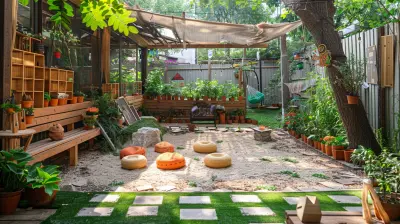
Use Nature as a Creative Classroom
You don't need four walls to inspire creativity. Step outside.Go on a nature walk and bring sketchbooks. Collect leaves and use them for printmaking. Observe insects and write mini science reports. Build fairy houses with twigs and moss.
Nature stirs the senses, unlocks curiosity, and refreshes the brain. Plus, it’s free.
Dive Into Passion Projects
Have you ever noticed how quickly kids light up when they talk about their favorite thing? Harness that energy.Encourage long-term creative “passion projects.” The rule? They pick the topic. You help guide the structure.
Some ideas:
- A handmade cookbook
- A self-written children’s book
- Designing a board game
- Building a birdhouse and documenting the birds that visit
- Creating a YouTube channel with educational videos
These projects not only nurture creativity, they also teach research, planning, and commitment. Win-win!
Bring In Creative Role Models
Kids are sponges. They soak up what they see. So let them see people who live and breathe creativity.Read biographies of artists, inventors, musicians, and entrepreneurs. Watch videos about how favorite movies are made. Attend a local theater production or art show.
Better yet, invite a local artist, baker, architect, or crafter to chat with your kids (even over Zoom). Real people doing real creative work make the path feel tangible.
Limit Screens, But Use Them Wisely
We don’t have to demonize technology—it’s a tool. But like any tool, it’s all about how you use it.Instead of mindless scrolling or passive viewing, encourage interactive, creative screen time:
- Coding games (try Scratch or Tynker)
- Stop-motion animation apps
- Digital drawing apps like Procreate
- Music-mixing platforms
- Online writing workshops
Set screen time boundaries, but make sure the time they get fuels imagination—not just consumption.
Don’t Forget Emotional Creativity
Creativity isn’t just painting and building. It’s also about expressing feelings and developing empathy. That’s why emotional intelligence and creativity are deeply linked.Use creative practices to help navigate big feelings:
- Journaling
- Drawing emotions as colors or monsters
- Making top-10 gratitude lists
- Role-playing tough situations
When kids learn to recognize and express emotions creatively, they're better equipped to understand themselves and others.
Parents, Get Creative Too
Now here’s the kicker—if you want your kids to value creativity, they need to see YOU valuing it.Are you modeling creativity in your own life?
Pick up a brush. Strum that dusty guitar. Write a silly poem. Tinker with a DIY project. Even if it’s imperfect, even if you feel rusty—it matters.
When your child sees you making space for your creative side, they’ll learn it’s a normal, lifelong pursuit.
Final Thoughts: Creativity Isn’t a Subject—It’s a Way of Life
Homeschooling gives you a golden opportunity to build a curriculum that’s as soulful as it is smart. By weaving creativity into your child’s daily learning, you’re doing something powerful.You’re teaching them that education isn’t just about filling in blanks or memorizing facts—it’s about asking questions, daydreaming, building, expressing, and putting their own unique stamp on the world.
And honestly? That might be the most important lesson of all.
all images in this post were generated using AI tools
Category:
HomeschoolingAuthor:

Zelda Gill
Discussion
rate this article
2 comments
Flint Montgomery
Who knew crayons and chaos could spark genius? Homeschooling is like crafting a masterpiece with a side of macaroni and glue. Just remember, if your kid's art looks like a tornado hit a rainbow, consider it abstract creativity in action. Embrace the mess... it might just be brilliance in disguise!
July 14, 2026 at 3:13 PM
Zelda Gill
Absolutely! Embracing the chaos can lead to unexpected creativity. It's all part of the process. Let those rainbows and tornadoes shine!
Orionyx Franklin
Empower creativity—integrate hands-on projects into your curriculum daily!
April 25, 2026 at 4:57 PM
Zelda Gill
Absolutely! Hands-on projects can really spark imagination and make learning more engaging. They bring creativity to life in a meaningful way.