Managing Sibling Rivalry with Emotional Intelligence
14 April 2026
Ah, sibling rivalry—a tale as old as time. If you've got more than one kid under your roof, congratulations! You’ve just signed up for a lifetime of refereeing, negotiation, and spontaneous peace treaties that last about as long as a toddler’s attention span.
But don’t worry, there is hope. By harnessing the mystical powers of emotional intelligence (a fancy term for helping kids recognize, understand, and manage their feelings without turning your living room into a WWE ring), you can turn sibling showdowns into golden opportunities for growth.
So, buckle up and grab some popcorn—because this is your survival guide to managing sibling rivalry with emotional intelligence! 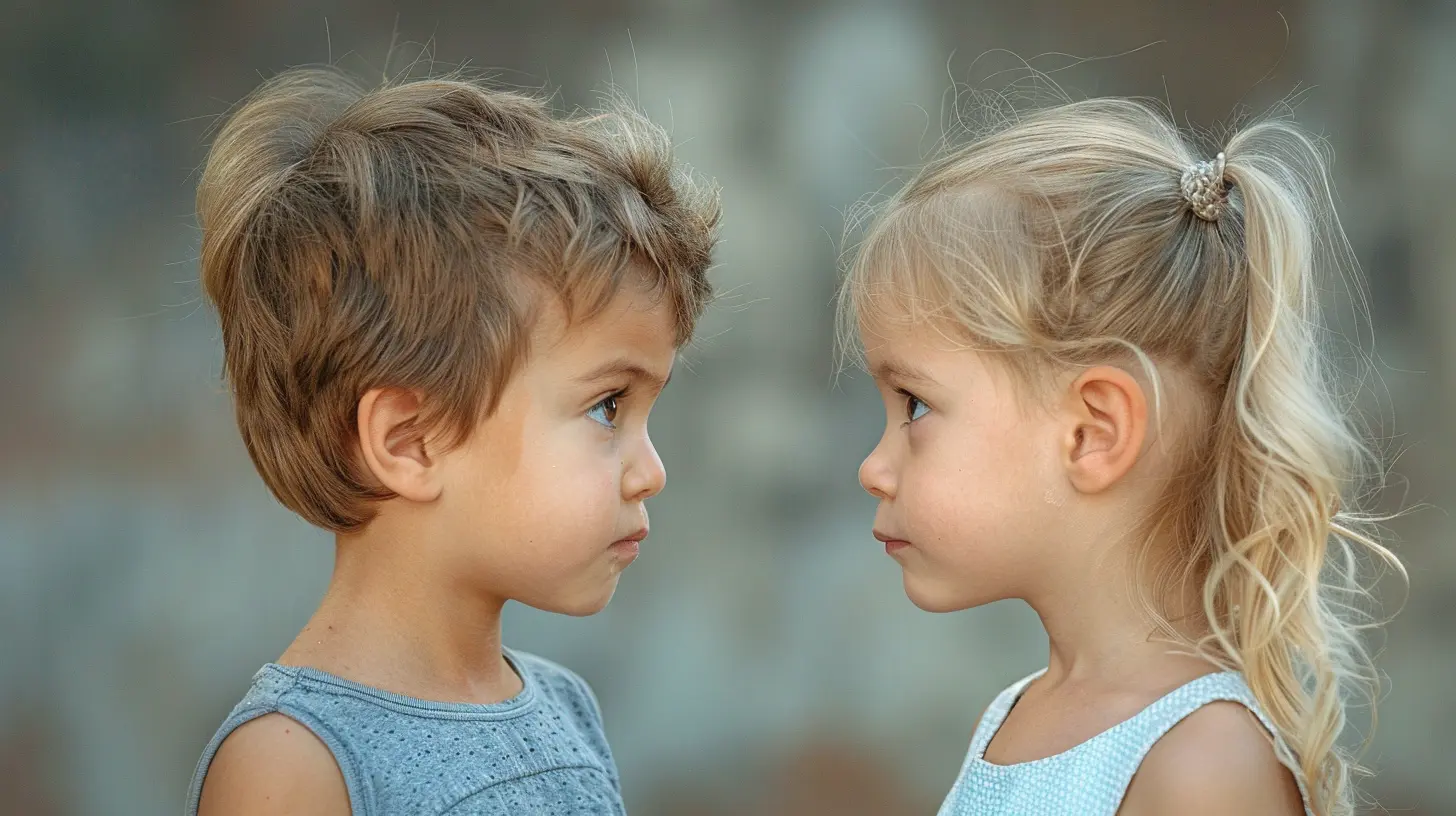
🎭 Why Do Siblings Fight? (Spoiler Alert: It’s Mostly Your Fault)
Let’s be real—sibling rivalry is as inevitable as stepping on Legos at 2 AM. But why does it happen? Here are the main culprits:- Attention Wars – Every child believes they should be the center of your universe. And when they sense that their sibling is stealing even a fraction of that spotlight, it's war.
- Jealousy & Competition – Who got the bigger slice of cake? Who got praised more? Who gets to sit in the front seat? Welcome to the Olympics of childhood competition.
- Personality Clashes – Some siblings are like peanut butter and jelly, and others are like oil and water (except oil and water don’t argue about who gets to pick the next Netflix show).
- Parental Comparisons – "Why can’t you be more like your brother?" If you’ve ever uttered these words, congratulations! You’ve just planted the seed for a lifelong rivalry.
The good news? You can manage this chaos with a dose of emotional intelligence. Let’s break it down. 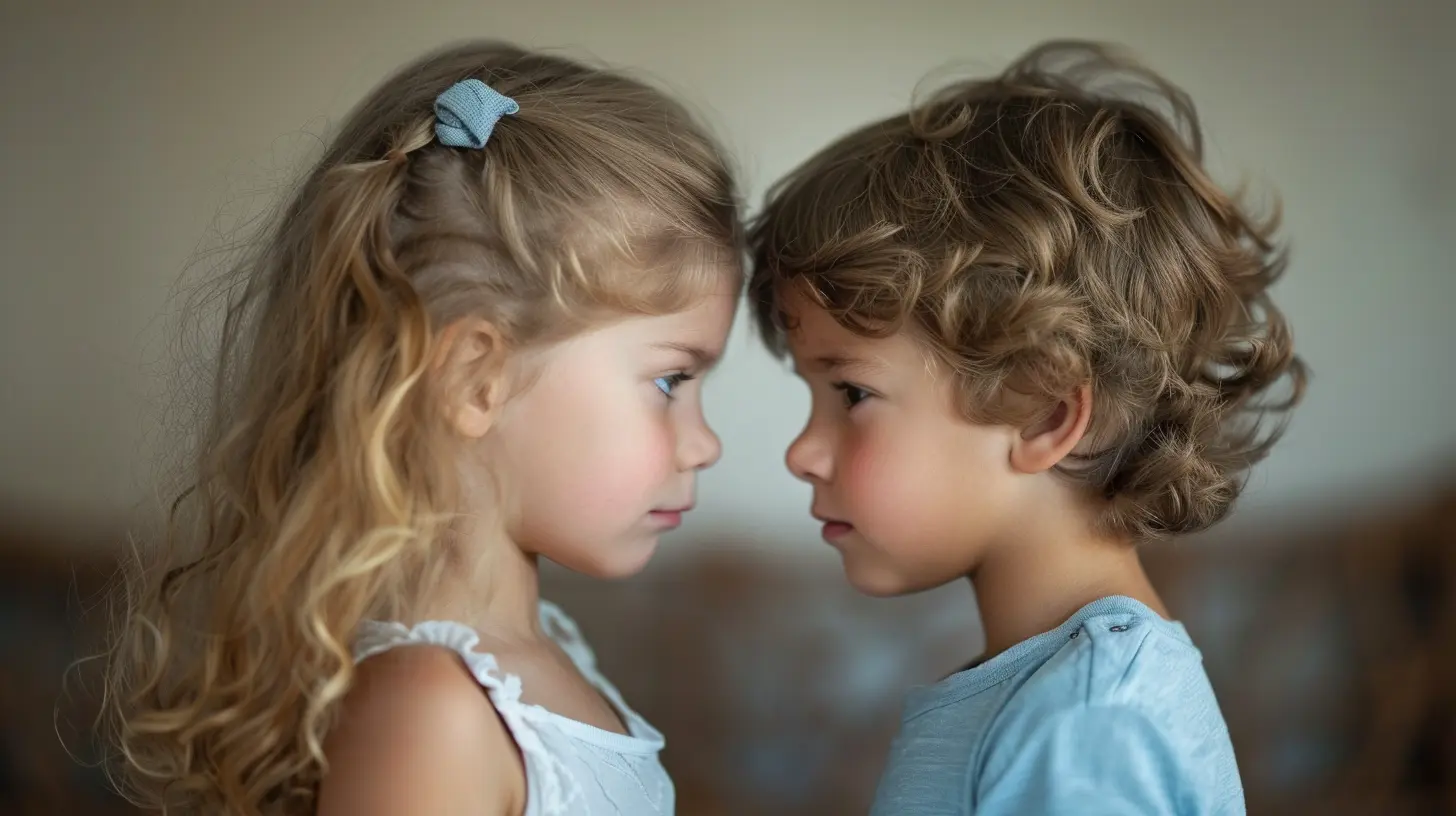
🧠 What Is Emotional Intelligence (And Why Should You Care)?
Emotional intelligence (EQ) is basically the ability to recognize, understand, and manage emotions—both our own and those of others. Think of it as a cheat code for handling tantrums, meltdowns, and full-blown sibling wars.By teaching your kids emotional intelligence, you're not just stopping fights—you're giving them lifelong skills in communication, empathy, and emotional regulation. And let’s face it, that’s way more useful than memorizing the capitals of random countries.
So, how do you actually do this? Let’s get into the nitty-gritty. 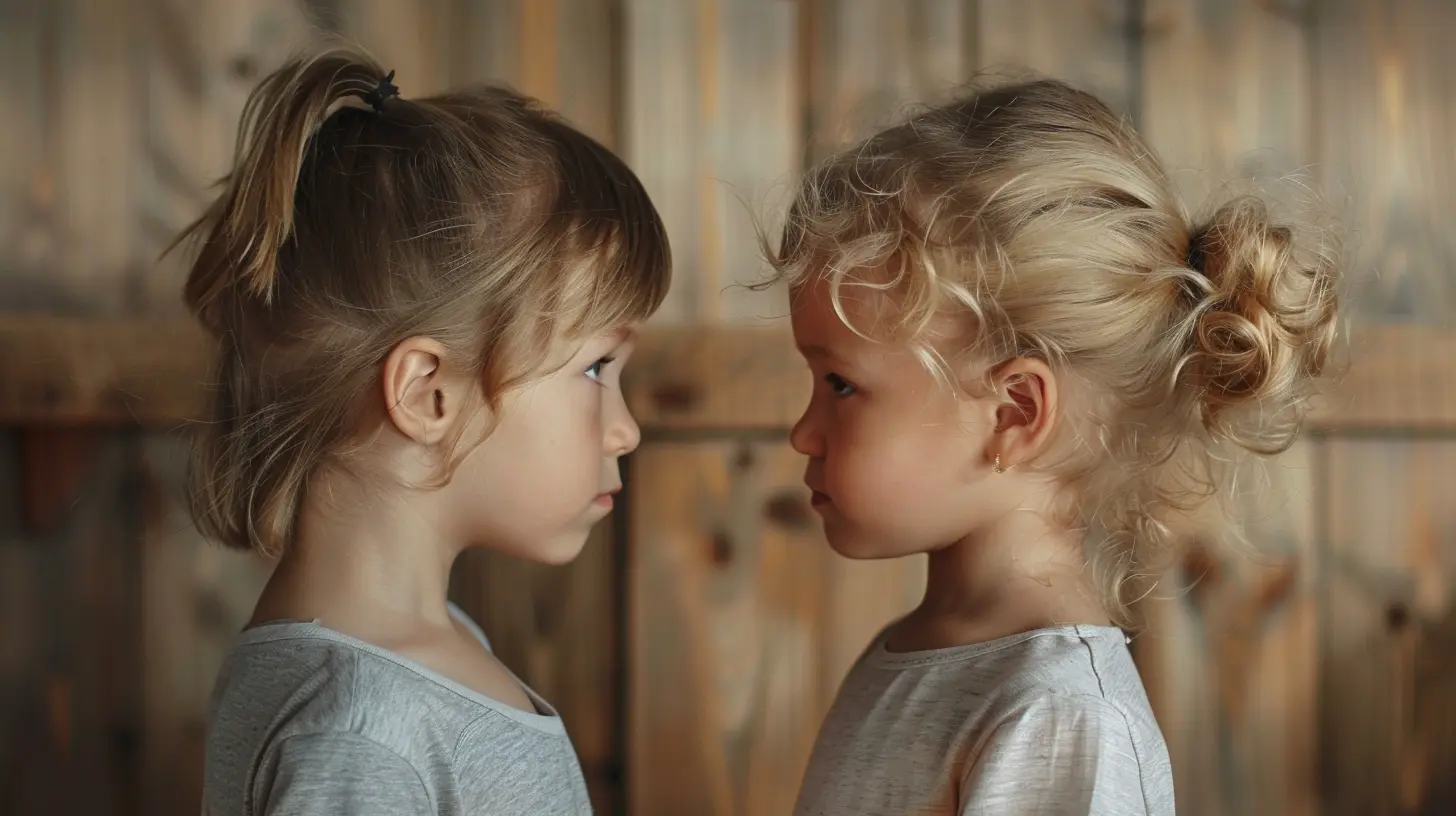
🏆 7 Genius Ways to Manage Sibling Rivalry with Emotional Intelligence
1. Acknowledge Their Feelings (Even the Ridiculous Ones)
Here’s the deal—kids want to be heard. Even when their complaints sound like something out of a courtroom drama.Instead of brushing off their feelings, try this:
- “I hear you’re upset that your sister borrowed your toy without asking. That must be frustrating.”
- “I can see that you feel like your brother gets more attention. That must be tough.”
By validating their emotions (even the overly dramatic ones), you're showing them that their feelings matter. And sometimes, that’s enough to de-escalate the situation.
2. Teach Them to Express, Not Explode
Kids tend to express emotions in two ways—screaming like banshees or throwing things. Neither is ideal.Instead, teach them to name their feelings:
- “I feel angry when my brother takes my things.”
- “I feel left out when my parents spend more time with my sister.”
Naming emotions helps kids process instead of react. And if they can do this, your chances of keeping the walls intact increase significantly.
3. Encourage Problem-Solving (Instead of Parental Dictatorship)
Let’s be honest, it’s easier to just lay down the law:🚨 "Stop fighting or everyone loses screen time!" 🚨
But here’s the problem—if you always solve their conflicts, they’ll never learn to do it themselves. Instead, try asking them:
- "How do you think we can solve this?"
- "What can you do to make things fair?"
Getting them involved in the solution-making process helps them develop conflict resolution skills. And trust me, that’s a life skill they’ll need long after they leave your house.
4. Praise Cooperation (Instead of Just Punishing Fights)
Kids live for praise. If you only give attention when they fight, guess what? They’ll keep fighting.Instead, catch them being good.
- “Wow, you guys shared without me asking? Are you feeling okay?”
- “I love how you worked as a team just now. That was awesome!”
Positive reinforcement works wonders. Suddenly, they're competing to be nice instead of competing to conquer each other. Genius, right?
5. Teach Empathy (Because the World Needs Less Jerks)
Empathy is a superpower. When kids learn to see things from their sibling’s perspective, battles automatically become less brutal.How do you teach empathy? Ask questions:
- "How would you feel if someone took your things without asking?"
- "How do you think your sister feels right now?"
Give them some real-life context, too:
- “Imagine if your best friend ignored you all day. Would you like that?”
When kids understand emotions, they’re less likely to intentionally inflict emotional wounds on their siblings.
6. Avoid Playing the 'Fairness' Game
Breaking news: Life isn’t fair. And attempting to distribute everything equally? That’s a one-way ticket to exhaustion.Instead of making everything fair, focus on giving each child what they need at the moment. Example:
- One child might need more help with homework.
- Another might need extra cuddles today.
Teach them that every person has different needs, and that’s okay. It helps curb resentment (and keeps you from pulling your hair out).
7. Set Boundaries and Stick to Them
While emotional intelligence is great, kids still need clear boundaries—otherwise, you're just nurturing tiny emotional masterminds who will outwit you every time.Basic rules like:
✔ No name-calling.
✔ No physical aggression.
✔ No snitching just to get the other in trouble.
Boundaries help siblings feel safe. And when they feel safe, they fight less. 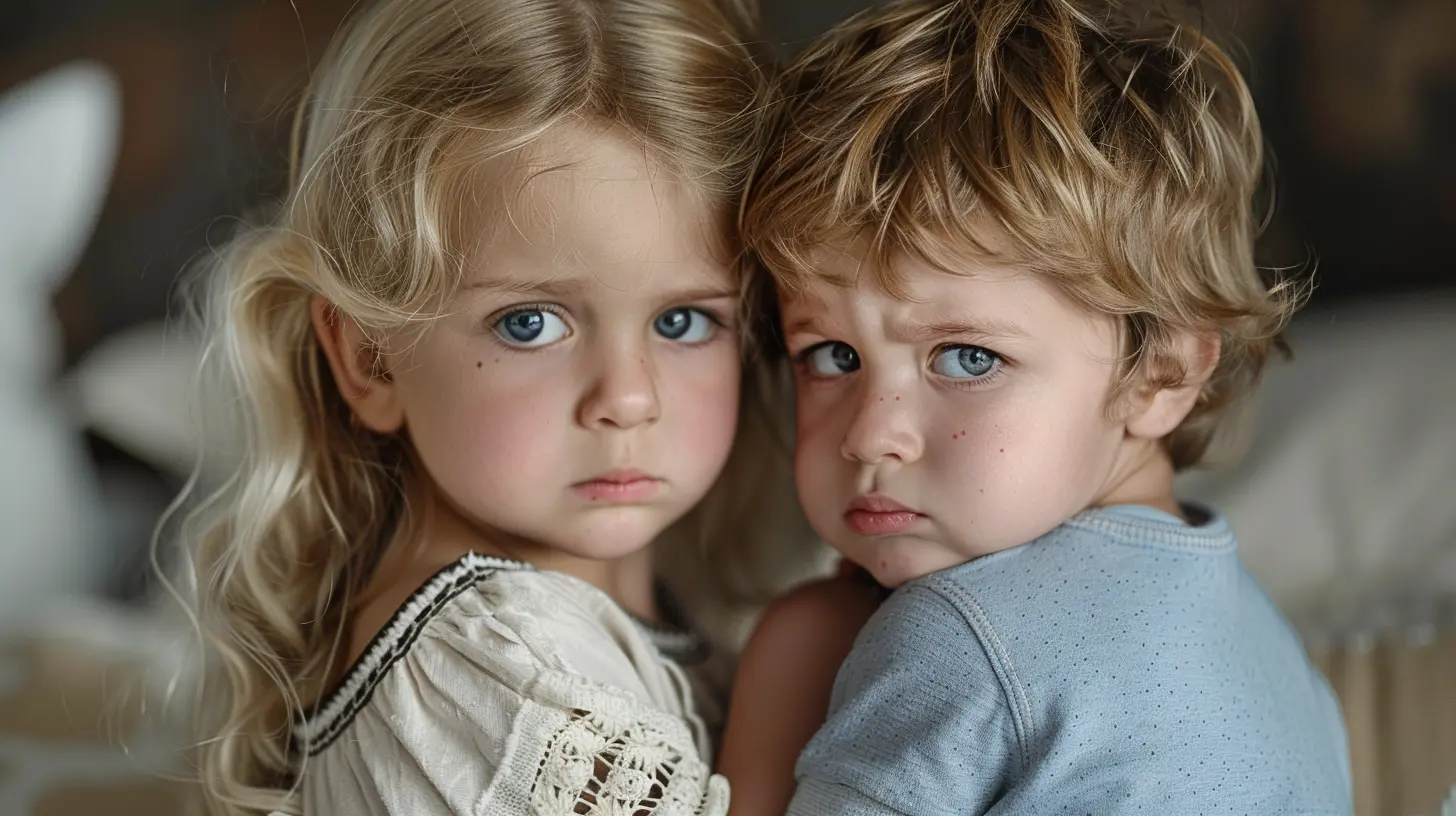
🌟 Final Thoughts: It’s Chaos, but It’s Manageable
Look, sibling rivalry isn’t going anywhere. But with some emotional intelligence strategies, you can reduce the screaming, the fighting, and the dramatic door slams.And if all else fails? Noise-canceling headphones were invented for a reason.
Remember—your goal isn’t to eliminate sibling rivalry (because that’s basically impossible). Your goal is to help your kids develop emotional intelligence so they can handle conflicts with maturity, empathy, and the occasional compromise.
Now, go forth and manage those sibling wars like the parenting ninja you are!
all images in this post were generated using AI tools
Category:
Emotional IntelligenceAuthor:

Zelda Gill
Discussion
rate this article
2 comments
Sadie McLemore
Emotional intelligence in parenting helps transform sibling rivalry into opportunities for growth. By modeling empathy and active listening, we teach our children to navigate conflicts, fostering stronger, more compassionate relationships with each other.
May 5, 2026 at 3:44 AM
Zelda Gill
Absolutely! Emotional intelligence equips parents to guide siblings through conflicts, turning rivalry into valuable life lessons about empathy and understanding. It's all about nurturing those relationships.
Shannon Ramirez
Great insights! Fostering emotional intelligence truly helps nurture harmony and understanding among siblings.
April 27, 2026 at 3:33 AM
Zelda Gill
Thank you! I'm glad you found the insights valuable. Emotional intelligence really can make a difference in sibling relationships.