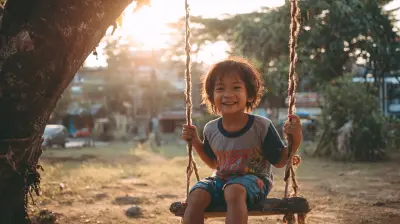
How to Tackle Bias in Your Own Parenting
9 November 2026
Parenting is one of the most rewarding yet challenging experiences in life. As parents, we strive to provide the best for our children, but our own biases can often cloud our judgment. Recognizing and addressing these biases is crucial for fostering an inclusive and supportive environment for our children. This article will delve into the types of biases that can manifest in parenting, their implications, and practical strategies for addressing them.

Understanding Bias in Parenting
Bias can be defined as a tendency to lean in a certain direction, often in a way that is unfair. In parenting, biases can stem from personal experiences, cultural background, societal norms, and even our own upbringing. These biases can shape our beliefs, behaviors, and expectations regarding our children's development, interests, and identities.Types of Bias
1. Gender Bias- Often manifests in the way we perceive and treat children based on their gender. For instance, parents may encourage boys to be more assertive and girls to be nurturing. This can limit their potential and reinforce stereotypes.
2. Racial and Ethnic Bias
- Racial bias can influence how parents interact with their children and how they perceive their children's capabilities. This bias can lead to lower expectations for children from certain racial or ethnic backgrounds.
3. Socioeconomic Bias
- Parents may unconsciously favor children from wealthier backgrounds, believing they have more potential or access to opportunities. This bias can lead to a lack of support for children from lower-income families.
4. Ability Bias
- This bias affects how parents perceive children with disabilities or learning differences. Parents may underestimate their abilities or overprotect them, limiting their opportunities for growth.

The Impact of Bias on Children
The biases parents hold can have profound effects on their children's self-esteem, identity, and overall development. Children are incredibly perceptive and can pick up on their parents' attitudes and beliefs. When parents exhibit bias, it can lead to:- Lower Self-Esteem: Children who feel they are not meeting their parents' expectations may struggle with self-worth.
- Limited Opportunities: Bias can lead parents to inadvertently restrict their children's experiences, limiting their growth and exploration.
- Reinforcement of Stereotypes: Children may internalize the biases they observe, perpetuating harmful stereotypes into the next generation.

Recognizing Your Own Biases
The first step in tackling bias is recognizing it. This requires self-reflection and a willingness to confront uncomfortable truths about our beliefs and behaviors.Self-Assessment Questions
1. What messages did I receive about gender, race, and ability while growing up?- Reflect on how your upbringing influences your current views.
2. How do I react when my child expresses interests or behaviors that do not align with my expectations?
- Consider whether you encourage or discourage these expressions.
3. Do I treat my children differently based on their gender, race, or abilities?
- Assess whether your actions are equitable across your children.
4. What assumptions do I make about children from different backgrounds?
- Identify any preconceived notions you may hold.
Seeking Feedback
Engaging with friends, family, or parenting groups can provide valuable insights into your parenting style. Ask for honest feedback about how your biases may be affecting your children. This can be difficult but is essential for growth.
Strategies to Address Bias
Once you have identified your biases, the next step is to actively work towards reducing their impact on your parenting. Here are several strategies to consider:Educate Yourself
Knowledge is a powerful tool in combating bias. Take the time to educate yourself about different cultures, genders, and abilities. Read books, attend workshops, and engage with diverse communities. Understanding different perspectives can help you become more empathetic and open-minded.Foster Open Communication
Encourage your children to express their thoughts and feelings. Create an environment where they feel safe discussing their interests, concerns, and experiences. Listen actively and validate their emotions, even if they differ from your own beliefs.Challenge Stereotypes
Be mindful of the language you use and the messages you send. Avoid reinforcing stereotypes in conversations or when discussing societal issues. For example, instead of saying "boys will be boys," encourage all children to express their emotions and understand the importance of consent.Embrace Diversity
Expose your children to diverse experiences, cultures, and perspectives. This could involve reading books by authors from different backgrounds, attending cultural events, or engaging in community service. These experiences can help broaden their understanding and appreciation of diversity.Set Realistic Expectations
Recognize that each child is unique and may have different strengths and interests. Avoid comparing siblings or setting rigid expectations based on gender or ability. Instead, focus on nurturing their individual talents and passions.Lead by Example
Children often model their behavior after their parents. Demonstrate inclusivity and acceptance in your everyday actions. Show respect for different cultures, lifestyles, and abilities. Your behavior will serve as a powerful lesson for your children.Common Mistakes and Misconceptions
Mistake: Assuming You Are Bias-Free
Many parents believe they are not biased simply because they do not consciously hold prejudiced views. However, biases can be implicit and deeply ingrained. It is essential to remain open to the possibility that biases may exist and actively work to address them.Misconception: Bias Only Affects Certain Groups
Bias is not limited to race or gender; it can affect anyone. For instance, parents may unconsciously favor children who excel academically over those who struggle. Recognizing that bias can manifest in various forms is crucial for addressing it effectively.Mistake: Overcorrecting Bias
In an effort to combat bias, some parents may swing too far in the opposite direction, inadvertently creating new biases. For instance, overemphasizing the importance of gender neutrality can lead to confusion or resentment. Strive for balance and authenticity in your approach.
Real-World Examples
Example 1: Gender Bias
Consider a family with two children, a boy and a girl. The parents may unconsciously encourage the boy to pursue sports while steering the girl towards arts and crafts. By recognizing this bias, the parents can actively encourage both children to explore a wide range of interests, helping them develop a more well-rounded skill set.Example 2: Racial Bias
A parent may have lower expectations for their child based on their racial background, believing they will face more obstacles in life. By challenging this bias, the parent can provide equal encouragement and support, helping their child to thrive academically and socially.Example 3: Ability Bias
A parent may be overly protective of a child with a learning disability, inadvertently limiting their opportunities for independence. By recognizing this bias, the parent can provide appropriate challenges that foster growth while still offering support.Best Practices for Inclusive Parenting
1. Model Empathy: Teach your children to be empathetic by demonstrating kindness and understanding towards others.2. Encourage Critical Thinking: Help your children develop critical thinking skills by discussing societal issues and encouraging them to form their own opinions.
3. Celebrate Differences: Create family traditions that celebrate diversity, such as cooking meals from different cultures or learning about various holidays.
4. Seek Support: If you struggle to address your biases, consider seeking support from a therapist or counselor who specializes in family dynamics and bias.
5. Reflect Regularly: Make it a habit to reflect on your parenting practices regularly. This can help you stay aware of your biases and adjust your approach as needed.
Conclusion
Tackling bias in parenting is an ongoing journey that requires self-awareness, education, and a commitment to growth. By recognizing and addressing our biases, we can create a more inclusive and supportive environment for our children. This not only benefits them but also enriches our own understanding and appreciation of the diverse world around us.As parents, we hold the power to shape the next generation's perspectives and values. By embracing this responsibility, we can help foster a more equitable and compassionate society.
all images in this post were generated using AI tools
Category:
Parenting EthicsAuthor:

Zelda Gill
Discussion
rate this article
1 comments
Ariana Kim
As parents, we need to confront our biases head-on. Ignoring them not only harms our children but perpetuates societal issues. It's our responsibility to create an open environment where differences are celebrated and discussed. Let's break the cycle and raise a generation that embraces diversity.
November 9, 2026 at 5:24 AM