Why Unstructured Play Is Key to a Joyful Childhood
9 October 2026
I once watched my nephew spend forty-five minutes building an elaborate castle out of cardboard boxes, only to knock it down with a plastic dinosaur and laugh until he nearly cried. No adult organized this. No app guided him. No timer told him when to stop. He was simply playing, and he was happier than I had seen him all week.
That moment stuck with me because it captured something we keep forgetting as parents. The best childhood memories are rarely scheduled. They happen in the messy, unscripted gaps between activities, when kids are left to their own devices and something magical takes over.
Unstructured play is not a new concept. It is not a parenting hack or a trend from a wellness blog. It is the oldest form of childhood there is. And somewhere between the rise of organized sports, enrichment classes, screen time, and our own anxiety about doing enough, we have quietly pushed it to the margins.
This article is about why that matters, what we lose when we do it, and how to bring it back without turning it into another item on your to-do list.

What Unstructured Play Actually Means
Unstructured play is exactly what it sounds like. It is play that has no predetermined outcome, no adult-imposed rules, and no specific goal. The child decides what happens, how it happens, and when it ends.That does not mean chaos. It means autonomy.
When a child picks up a stick and decides it is a sword, a fishing rod, or a magic wand, that is unstructured play. When a group of kids invents a game with rules they make up on the spot, that counts too. When a toddler pours water from one cup to another for twenty minutes, that is unstructured play in its purest form.
Compare that to structured play, which includes organized sports, board games with fixed rules, craft kits with instructions, and anything where an adult defines the parameters. Structured play has real value. It teaches teamwork, discipline, and how to follow directions. But it is not the same thing as free play, and it cannot replace it.
The key distinction is who holds the power. In structured play, the adult holds the power. In unstructured play, the child does.
Why Free Play Is Not the Same as Wasted Time
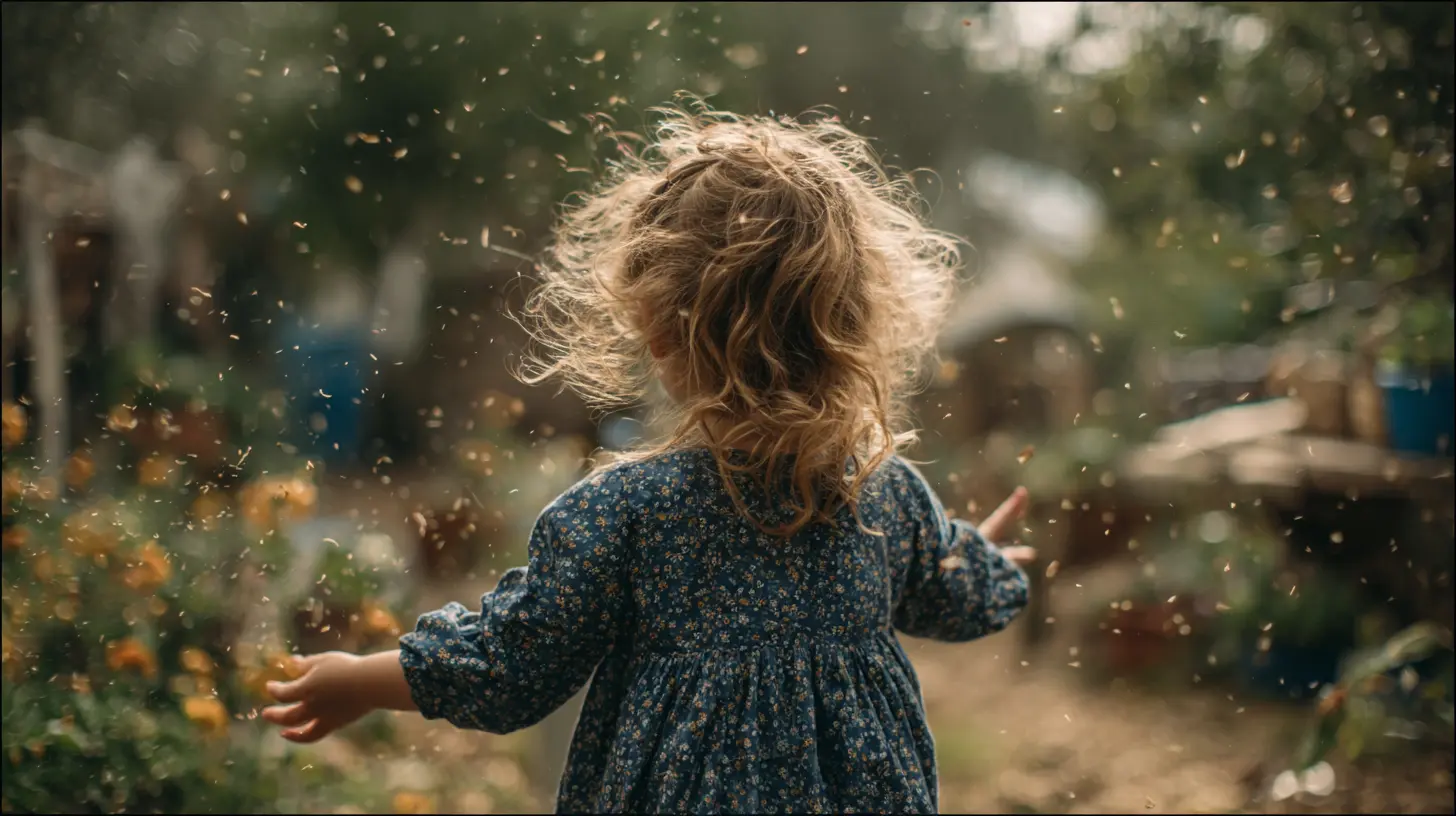
Many parents, myself included at times, feel a quiet pang of guilt when we see our kids doing "nothing." They are lying on the floor, staring at the ceiling, narrating a story to a stuffed animal. Our instinct is to intervene. We suggest a puzzle. We offer to set up a craft. We worry they are bored.Here is the thing. Boredom is not the enemy. It is the doorway.
When kids are bored, their brains start searching. They look for something to do, and in that search, they build something we rarely think about: internal motivation. They learn to generate their own entertainment, solve their own problems, and sit with discomfort until an idea arrives.
That process is not lazy. It is cognitively demanding. And it is one of the few times in a child's day when they are fully in charge of their own experience.
The Real Benefits of Unstructured Play
Let me be specific here, because "play is good for kids" is the kind of vague statement that helps no one.It Builds Executive Function
Executive function is the set of mental skills that let us plan, prioritize, switch tasks, and control impulses. It is a better predictor of long-term success than raw intelligence in many cases, and it is built through practice.Unstructured play is executive function boot camp. When a child decides to build a fort, they have to plan, adjust when the blanket falls, negotiate with a sibling about who holds the pillow, and resist the urge to quit when it collapses. That is a full workout for the prefrontal cortex.
It Teaches Social Negotiation
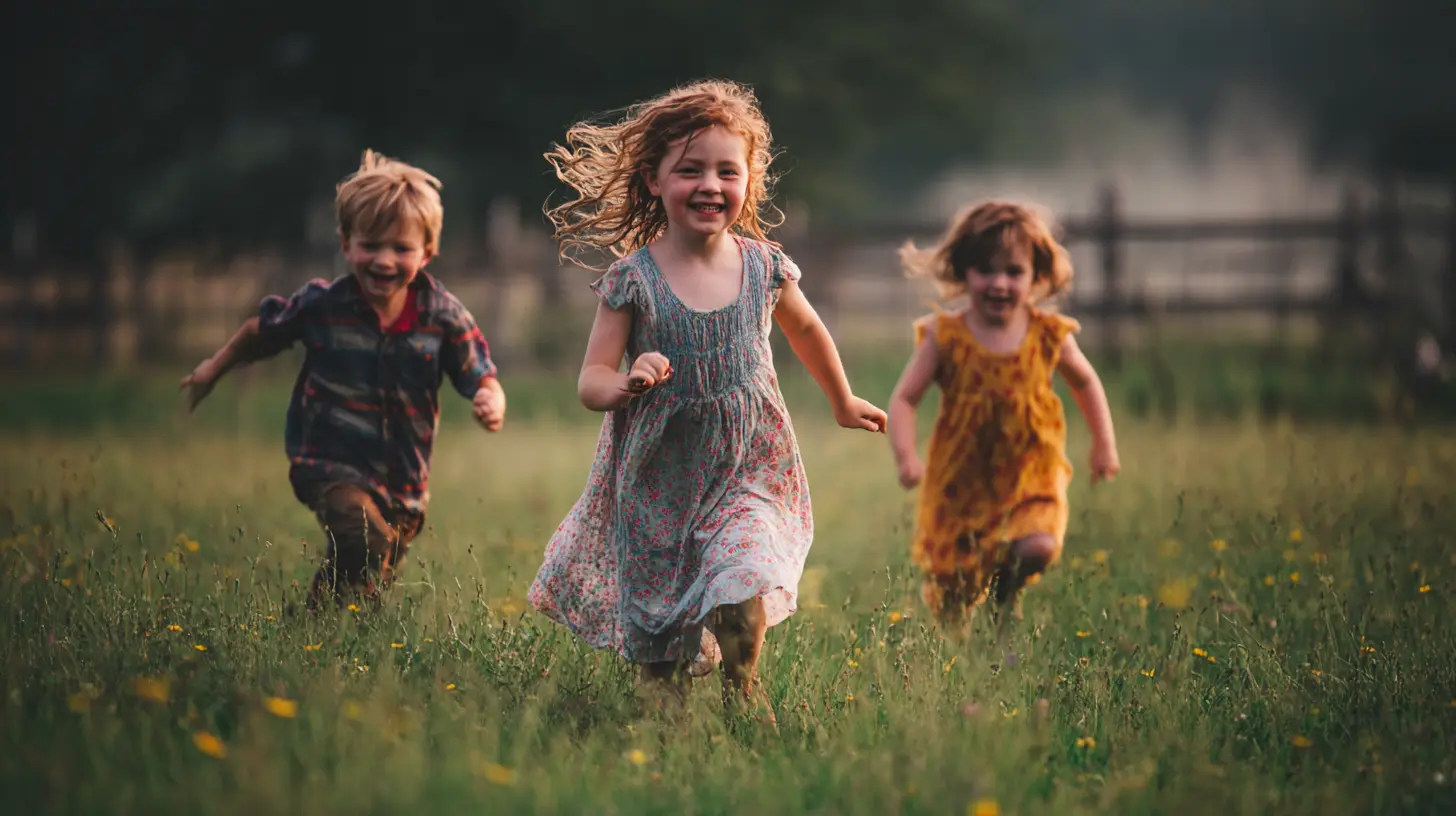
Watch a group of kids playing without adult supervision and you will see something remarkable. They argue. They compromise. They invent rules. They enforce them. They kick someone out and then let them back in five minutes later.This is social intelligence in the wild. No adult is there to referee, so they have to figure it out themselves. That is uncomfortable to watch as a parent, especially when your child is on the losing end of a negotiation. But it is also how they learn to read a room, stand up for themselves, and repair conflict.
It Fuels Creativity and Divergent Thinking
Structured activities tend to have one right answer. A puzzle has a solution. A worksheet has a correct response. Unstructured play has infinite answers.A cardboard box can be a spaceship, a house, a robot, or a boat. A child who practices seeing multiple possibilities in one object is a child who will grow into an adult who can think around problems instead of just through them.
It Supports Emotional Regulation
Kids carry a lot. School pressure, social dynamics, family stress, their own big feelings. Unstructured play gives them a safe container to process all of it.A child who has been anxious about a test might play school with her dolls and work through the fear. A child who felt powerless on the playground might build a fortress and defend it. This is not avoidance. It is rehearsal. It is how children make sense of their world.
It Protects Joy
This one matters more than we admit. Childhood is not a training program for adulthood. It is a stage of life with its own value. A childhood without free play is a childhood without joy, and that is a real loss, not just a sentimental one.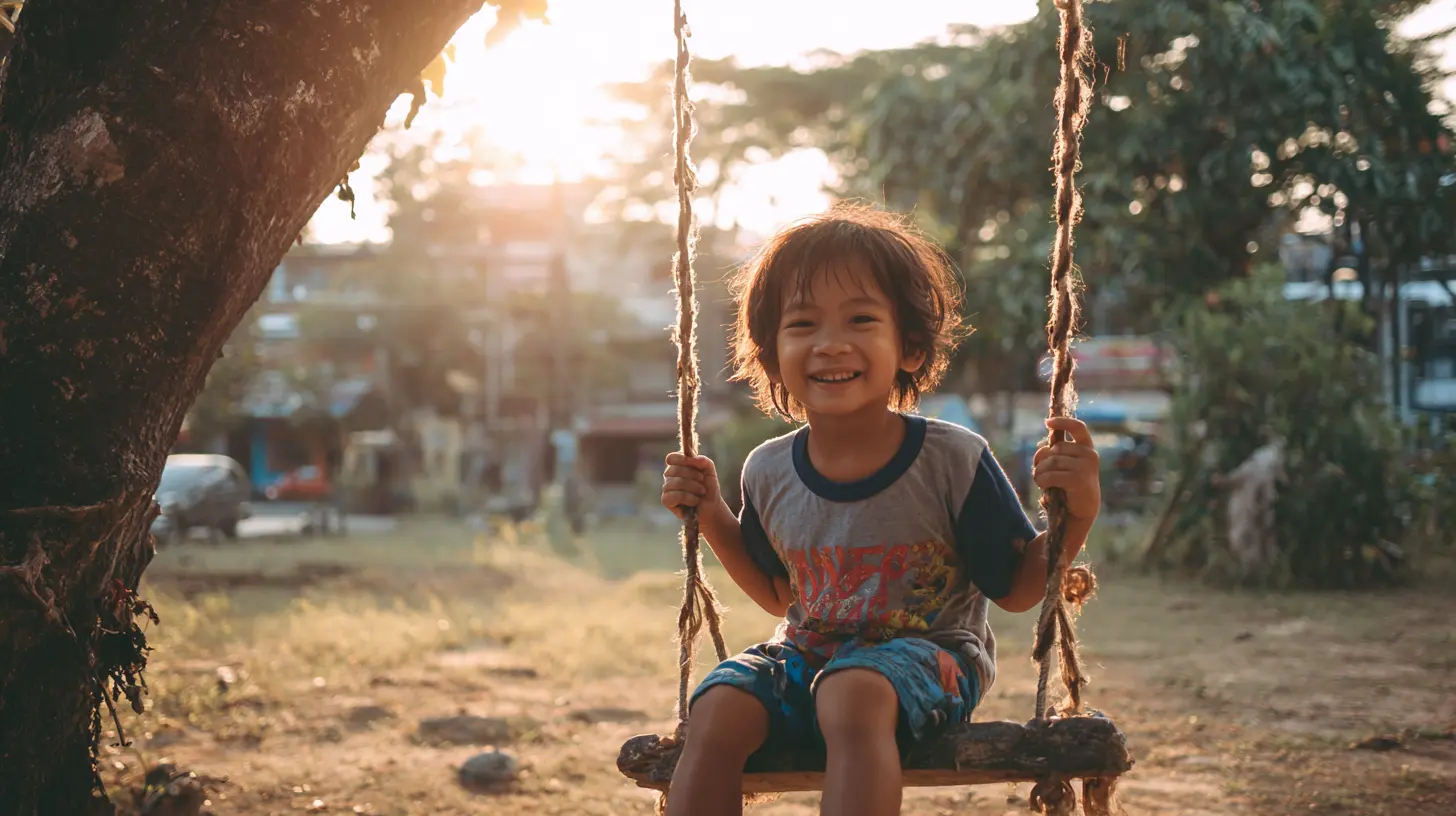
What Happens When We Over-Schedule Kids
I want to be fair here. Organized activities are not the villain. A kid who loves soccer should play soccer. A kid who thrives in music lessons should take them. Structure has real benefits.The problem is volume and ratio.
When every hour of a child's week is accounted for, something has to give. And what usually gives is the unstructured time that does not show up on a calendar. The result is a child who is busy but not fulfilled, accomplished but not grounded.
I have seen this play out in my own family. There was a season when my daughter had something scheduled every weekday afternoon. She was doing well in all of it. But she was also irritable, quick to cry, and strangely flat. We cut one activity and gave her back two free afternoons. Within a month, she was herself again.
That is not a scientific study. It is an observation. But it lines up with what many parents report when they pull back on the schedule.
Common Misconceptions About Unstructured Play
Let me clear up a few things that come up often."Unstructured means unsupervised."
No. Unstructured means the child directs the play. You can still be nearby. You can still keep them safe. For younger kids, you should be. The point is that you are not running the show."It only works for certain kids."
Some kids dive into free play easily. Others need a little scaffolding at first, especially if they are used to being entertained. That does not mean unstructured play is wrong for them. It means they need a transition period."It has to be outside."
Outdoor play is wonderful, and nature adds its own benefits. But unstructured play can happen in a living room, a bathtub, or a hallway. The setting matters less than the freedom."It is the same as screen time."
It is not. Passive screen consumption is the opposite of unstructured play. Interactive creative games are closer, but even then, the app is setting the boundaries. Free play is self-generated.
How to Make Room for Unstructured Play
This is where most advice gets vague. So let me get practical.Start With Time, Not Activities
You do not need to plan unstructured play. You need to protect the space for it. Look at your week and find two or three blocks of time that are genuinely open. Guard them like you would a dentist appointment.Resist the Urge to Fill the Silence
When your child says "I'm bored," do not panic. Wait. Give it ten minutes. Often, they will find something. If they do not, offer a minimal prompt. Not a full activity. Just a nudge. "There are some boxes in the garage if you want them."Reduce the Toy Overload
Too many toys can actually paralyze kids. They flit from one thing to another without ever sinking into play. Try rotating toys. Keep a smaller number accessible and store the rest. You will likely see deeper, longer play.Loosen the Rules Around Mess
Unstructured play is messy. Blanket forts take over the living room. Paint ends up on the table. Water splashes on the floor. If you can tolerate some mess, your kids will play more freely. Set boundaries that matter, like no painting on the walls, and let the rest go.Step Back, Literally
Sit farther away. Resist the urge to correct, direct, or praise every move. Your presence can be supportive without being central. The more you hover, the less they own the play.Let Them Be "Bad" at Things
Free play is not a performance. If your child builds a wobbly tower or draws a blob that is supposed to be a dog, let it be. The value is in the doing, not the result.When Structured Play Is the Better Choice
I want to be balanced here, because unstructured play is not a universal answer.Structured activities are better when:
- Your child needs to learn a specific skill, like swimming or a musical instrument.
- Your child thrives on routine and struggles with open-ended time.
- You need to build social connections in a new environment.
- Your child is in a season where they need adult guidance to feel safe.
The goal is not to eliminate structure. It is to make sure it does not crowd out everything else. A healthy childhood has both.
A Real-World Comparison
Consider two eight-year-olds.The first has a schedule packed with activities. Soccer on Monday, piano on Tuesday, coding club on Wednesday, tutoring on Thursday, and a playdate on Friday. On weekends, there is a tournament and a birthday party.
The second has one activity she chose herself, plus several afternoons with nothing planned.
The first child is learning a lot. She is exposed to different skills and different adults. But she rarely has to decide what to do with herself. She rarely has to solve a problem without a coach or a teacher. She rarely has to sit with boredom and see what comes up.
The second child might seem less impressive on paper. But she is practicing something the first child is not: self-direction. She is learning what she likes, what she does not, and how to make a day out of nothing.
Both kids will be fine. But they will carry different tools into adulthood.
What to Watch For
Unstructured play is not a free pass for neglect. Keep an eye on a few things.- If your child consistently cannot engage in any independent play, that is worth noticing. It might mean they need a gradual transition, or it might signal something else going on.
- If free play is consistently aggressive or distressing, step in. Some conflict is healthy. Ongoing cruelty is not.
- If your child is older and genuinely prefers structured activities, respect that. Autonomy includes the right to choose.
The point is not to force free play. It is to make sure it is available.
The Long Game
Here is what I keep coming back to. We are raising adults, not just children. And the adults who tend to do well are not always the ones who had the most enrichment. They are often the ones who know how to think for themselves, handle boredom, manage their own time, and find joy in small things.Those skills are not taught in a class. They are built in the messy, unscripted hours of childhood, when a kid has nothing to do and everything to figure out.
So the next time your child is lying on the floor, staring at the ceiling, or turning a box into a spaceship, resist the urge to intervene. Let them be. You are not wasting their time. You are giving them something far more valuable than a filled calendar.
You are giving them a childhood.
all images in this post were generated using AI tools
Category:
Raising Happy KidsAuthor:

Zelda Gill