How to Model Emotional Intelligence for Your Kids
22 January 2026
Let’s be real—parenting isn’t just about feeding our kids, making sure they do their homework, or keeping them alive until bedtime (although, let’s admit, that’s sometimes the hardest part). There's this often-overlooked part of parenting that can shape how our kids handle life for years to come: emotional intelligence (EQ).
Now, before we dive into the how-to’s, let’s clear up what emotional intelligence even means. It’s not some fancy psychological term reserved for the classroom or workplace. Emotional intelligence is all about understanding, managing, and expressing our emotions—while also recognizing and responding to the emotions of others. In short? It’s the secret sauce for good relationships, solid mental health, and problem-solving like a boss.
So, how do we teach that to our kids? Simple: we show it. Your kids are watching everything you do—yes, even when you think they’re ignoring you with their faces glued to tablets. Modeling emotional intelligence is like planting seeds. Let’s roll up our sleeves and start gardening.
Why Emotional Intelligence Matters (A Lot)
We all want our kids to be “smart.” But intelligence isn’t just about grades and test scores. Emotional smarts—knowing how to deal with feelings, bounce back from setbacks, or work through conflicts—can make or break how your child navigates school, friends, and eventually adulthood.Kids with high EQs are:
- Better at managing stress
- More empathetic and compassionate
- Stronger in relationships
- More resilient in failure
- Likely to make better decisions
Basically, we’re talking about major life skills here. The kind that determines how happy and successful your child will be beyond the classroom. Still with me? Good—because now we’re going to break down exactly how you can be your child’s emotional intelligence role model.
1. Label Emotions—Out Loud, All the Time
Seriously, talk feelings like you’re narrating a podcast.Kids learn language by hearing words, right? Same goes for emotional vocabulary. When you say things like “I’m feeling a little overwhelmed right now” or “That made me feel disappointed,” you’re attaching names to emotions. This gives your child an emotional map.
How to do it:
- Use every opportunity to name emotions—yours and theirs.
- Avoid judging the emotion. “You’re mad? That’s okay. Want to talk about it?”
- Help them connect feelings to situations: “You’re frustrated because your tower fell down—makes sense!”
You’re not just talking. You’re giving them tools.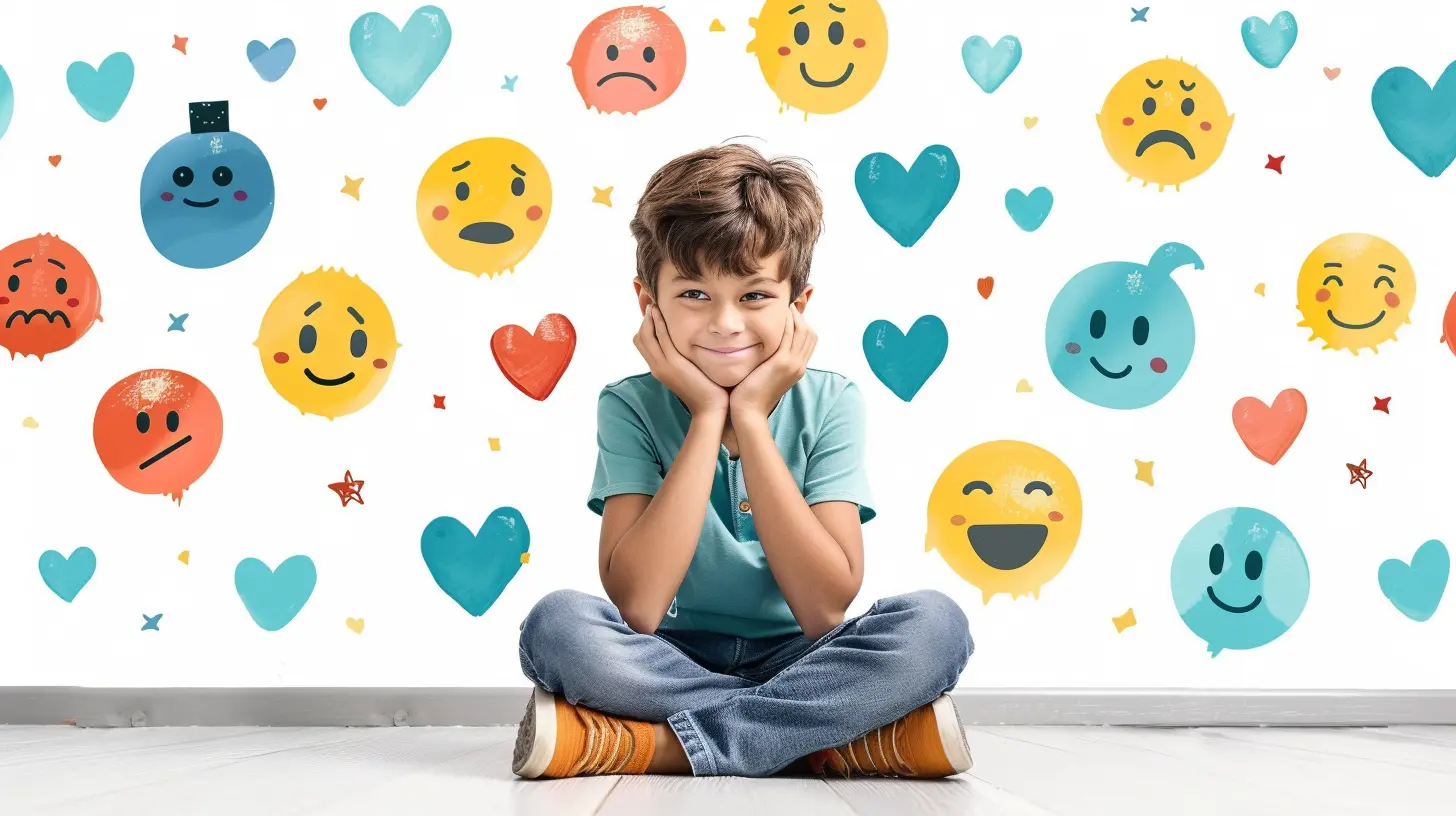
2. Show Them How to Handle Big Feelings (Even the Ugly Ones)
Let’s admit it—we’ve all lost our cool. Slamming cabinets. Snapping at someone. Crying randomly at a TV commercial. But here’s the trick: it’s not about pretending to be perfectly calm all the time. Kids don’t learn from perfection. They learn from how we respond to being imperfect.When you lose it:
- Pause. Take a deep breath. Say, “I’m feeling really angry, and I need a second to calm down.”
- Apologize when you overreact. It shows humility and teaches accountability.
- Model self-regulation techniques: deep breathing, a short walk, journaling, or even talking it out.
Think of it this way—your reaction is the emotional playbook your kid absorbs.
3. Be Curious, Not Critical
Imagine your child is sobbing because their drawing didn’t come out “perfect.” Ever feel the urge to say, “Don’t cry, it’s just a drawing”? 🤦♀️ We’ve all been there.But those small moments are big deals to kids. Instead of brushing it off, go deeper.
Try saying:
- “Tell me more about why this upset you.”
- “It sounds like you had a picture in your head, and it didn’t turn out that way—bummer.”
This opens up space for emotional exploration. The goal isn’t to fix every problem—it’s to understand what’s behind the tears.
4. Actively Listen (Put Down the Phone)
Oof, this one stings a little, doesn’t it? But let’s level with each other. If you’re always distracted or multitasking while your child is sharing their day—what they’re learning is, “My emotions aren’t important.”Active listening means:
- Making eye contact
- Nodding, mirroring their body language
- Reflecting their feelings back: “That sounds frustrating.”
It’s not about giving advice immediately. It’s about making them feel seen and heard. And trust me, nothing builds emotional trust more than that.
5. Teach Empathy by Practicing It
Want your kids to be kind, thoughtful humans? Show them what empathy looks like in real life.Lead by example:
- Talk about others’ emotions: “I think Grandpa seems a little quiet today—I wonder if he’s feeling lonely?”
- Involve your child in helping others: donate clothes together, write thank-you cards, or check in on a sick friend.
- Ask your child: “How do you think your friend felt when that happened?”
Do this enough, and empathy becomes second nature.
6. Create a Safe Space for Expression
Let your home be a judgment-free zone. Your child needs to know it’s okay to feel anything—joy, sadness, anger, fear. All emotions are part of being human, not problems that need fixing.How?
- Don’t punish or shame emotional outbursts.
- Talk about emotions regularly—not just during meltdowns.
- Celebrate vulnerability. If your child opens up, respond warmly, even if it’s something tricky.
Wouldn’t we all rather have our child cry to us at 10 years old than shut us out at 16?
7. Use Mistakes as Teaching Moments
We all mess up. You, me, the neighbor’s kid—everyone. But those mess-ups? Goldmines for developing emotional intelligence.When your child breaks something, yells, lies, or forgets something important—don’t just discipline. Reflect.
Ask:
- “What were you feeling before that happened?”
- “What can you do differently next time?”
- “Is there someone you need to talk to or apologize to?”
This isn’t about guilt-tripping—it’s about emotional accountability. With your guidance, mistakes become lessons, not landmines.
8. Prioritize Self-Care (Yes, Your Own)
Here’s the honest truth—if we’re burnt out, anxious, or emotionally unavailable, how can we model emotional health? Kids can smell stress from a mile away.Make space for your own emotional needs:
- Set boundaries. Say “no” when you need to.
- Connect with friends, journal, move your body—whatever fills you up.
- Let your kids see you practicing self-care. “Mommy needs a few minutes to recharge, then we’ll play Legos.”
When you take care of your emotional well-being, you’re not being selfish. You're showing your child how to do the same.
9. Encourage Problem-Solving Instead of Reacting
We all want to swoop in and save the day. But giving kids space to solve their own social or emotional problems builds confidence.Next time your child fights with a friend or feels left out, walk them through it:
- What happened?
- How did that make you feel?
- What do you think your friend felt?
- What can you do next?
You’re not solving it for them—you’re training them to be emotionally mature problem-solvers.
10. Make Emotional Language Part of Your Routine
Think of emotional intelligence like a muscle. The more you use it, the stronger it gets.Make it part of your daily habits:
- Do a “feelings check-in” at dinner.
- Read books and talk about the characters' emotions.
- Use games and role-play to act out different emotional scenarios.
Think of it like brushing teeth—but for the heart.
The Takeaway: Your Kids Learn Emotional Intelligence from Watching You
Here’s the bottom line—kids are emotional sponges. They soak up how we respond to stress, how we talk about feelings, how we comfort others, and even how we treat ourselves when we mess up.If we want emotionally intelligent kids, we have to start with ourselves. It doesn’t mean being perfect. It means being human, being aware, and showing our kids that emotional intelligence isn’t just a nice-to-have—it’s a way of living.
And hey, don’t stress if you’re still figuring it out. Modeling emotional intelligence isn’t about having all the answers. It’s about staying curious, staying connected, and showing up—feelings and all.
You’ve got this. And more importantly—so do your kids.
all images in this post were generated using AI tools
Category:
Emotional IntelligenceAuthor:

Zelda Gill
Discussion
rate this article
2 comments
Candice McNair
Oh sure, because kids totally pay attention to what we say! Let’s just act calm and collected while they’re throwing tantrums and competing for our attention. Emotional intelligence? More like advanced juggling with a side of chaos. Good luck, parents!
February 23, 2026 at 5:38 AM
Zelda Gill
I understand your frustration! It can be challenging, but modeling emotional intelligence is about showing resilience and empathy, even amid chaos. Every small effort counts!
Maverick Harris
Embracing emotional intelligence as parents helps create a nurturing environment where our children can thrive. By modeling empathy, self-awareness, and effective communication, we empower them to navigate their feelings and relationships. Let's cultivate a future generation that understands and values emotional health—one small step at a time!
January 25, 2026 at 3:50 AM
Zelda Gill
Absolutely! By modeling emotional intelligence, we equip our children with essential skills for their emotional and social well-being. Every small effort counts toward fostering a healthier future generation.