How to Address Racial or Cultural Bullying with Your Child
16 August 2026
As parents, we try to protect our children from all of life's hardships, but unfortunately, there are some things we can't always shield them from. One of those is bullying, particularly when it stems from racial or cultural differences. If your child faces this form of bullying, it can feel overwhelming to know where to start in helping them navigate such a painful experience. It’s like being thrown into a wave—you know you have to swim but aren’t sure how. So, what's the best way to address racial or cultural bullying with your child?
In this guide, we’ll unravel how you can have sensitive yet practical conversations about racial bullying, offer emotional support to your child, and equip them with strategies to handle these situations—helping them grow stronger rather than feeling discouraged.
What is Racial or Cultural Bullying?
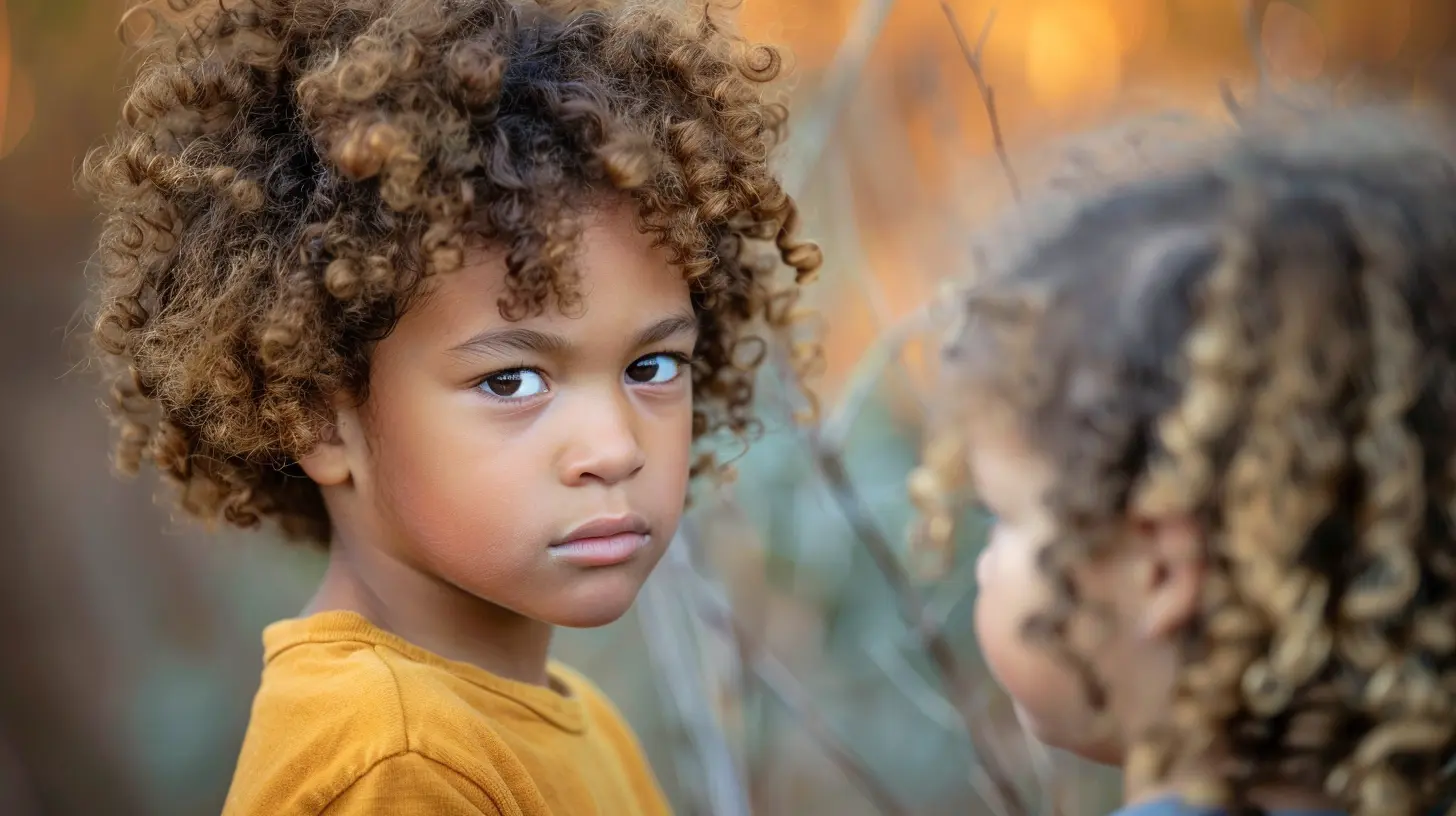
To effectively address this issue, it’s crucial to understand what we’re dealing with. Racial or cultural bullying refers to any form of harassment, aggression, or mistreatment directed at someone because of their race, ethnicity, or cultural background. This could involve name-calling, mocking accents, or even excluding someone because of their skin color or cultural traditions.It often stems from ignorant stereotypes, misunderstanding, or deeply ingrained prejudices. These behaviors can leave deep emotional scars on kids—and let’s be real—kids are just trying to make sense of the world. So when they're targeted for something as inherent as their racial or cultural identity, it’s not just painful; it can be utterly confusing.
Identifying the Signs of Racial or Cultural Bullying
One of the hardest parts about helping your child is identifying that bullying is happening in the first place. Children may not always come forward and tell you directly. They might feel ashamed, scared, or even think that you won’t understand. So how do you pick up on it?Here are some subtle (and not-so-subtle) indicators:
- Emotional changes: Is your child suddenly more anxious, withdrawn, or irritable?
- Academic performance: Has there been a noticeable decline in grades or a sudden disinterest in school?
- Physical symptoms: Complaints about headaches or stomachaches that don’t seem to have a medical cause could be stress-related.
- Avoidance: Does your child seem to avoid certain people, activities, or places — like school or the playground?
- Changes in social interaction: Look for signs that they’re being excluded or have fewer friendships.
If you notice any of these signs, don’t brush them off as "normal kid stuff." Trust your gut, and approach the situation with care.
Creating a Safe Environment for Open Dialogue
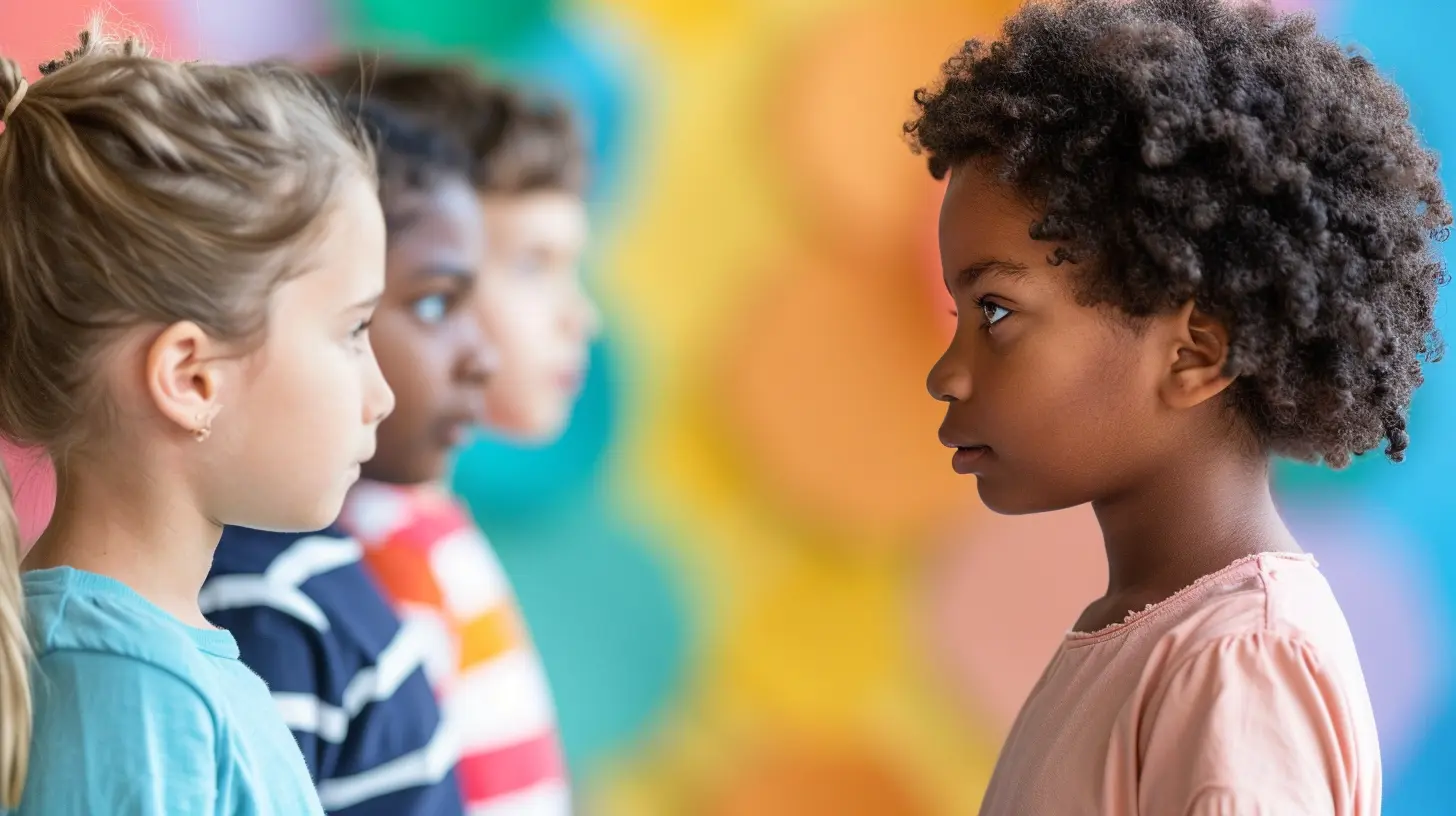
Now that we’ve pinpointed what racial bullying looks like, it’s time to talk about talking.You’ve probably heard how parents should create an "open line of communication" with their kids, but let’s get real—it's a whole different ball game when discussing sensitive issues like race. Open communication means your child feels entirely safe sharing their feelings. No judgment, no pressure. Just you, your child, and a listening ear.
Start the Conversation
Don’t wait for your child to come to you. Be proactive. You can pose open-ended questions like:- “How has school been going lately? Is there anything on your mind?”
- “Have you noticed anyone being treated unfairly or differently at school?”
- “Has anyone said anything to you that made you feel uncomfortable or upset?”
These questions open doors without sounding confrontational. They let your child know that it's okay to talk about challenging topics.
Validate Their Feelings
Validation is key. If your child opens up about racial bullying, your instinct may be to immediately jump into problem-solving mode. While your intentions are good, hold that thought for a second. The first thing you need to do is validate their feelings.Say something like, “I am so sorry you’re going through this. What that person said or did was wrong, and it's okay to feel hurt by it.” This not only reassures your child that their feelings are normal but also teaches them that what’s happening is not their fault.
Equip Your Child with Coping Strategies
Once the initial conversation is out in the open, it’s time to focus on how to help your child handle the bullying. Here’s where you transition from comfort-giver to coach. You want to empower your child with tools and strategies to face difficult situations head-on.Practice Social Responses
Role-playing is not just for fun—it’s a great way to help your child feel more confident in responding to bullying. It's like preparing them for a rainstorm by handing them an umbrella. You can practice different scenarios and teach them to respond assertively but calmly:- Ignoring the bully: Sometimes, maintaining composure and walking away is the best choice. Bullies often seek a reaction, and taking away that power diminishes their influence.
- Using a firm voice: Teach your child to assert their boundaries with responses like, “That’s not funny,” or “Stop saying that, it’s hurtful.”
- Seeking help: Let them know that seeking help from a teacher, counselor, or trusted adult is not “tattling”; it’s ensuring their emotional and physical safety.
Build Self-Esteem
Racial or cultural bullying can chip away at your child’s self-esteem. Boosting their confidence becomes crucial. Help them build a strong sense of identity by celebrating their cultural heritage at home. Read books, tell stories, or explore traditions that make your child feel proud of who they are.Encourage their talents and interests, whether it's joining a sports team, pursuing music, or joining a cultural club. When your child feels confident in their identity and abilities, they’ll be less likely to internalize negative messages from bullies.
Teach Empathy and Respect for Others
It’s essential that your child not only knows how to stand up for themselves but also recognizes the importance of standing up for others. Teaching empathy doesn’t just help them deal with their own challenges—it fosters kindness and understanding in all areas of life.Discuss the idea of bystander intervention with your child. A bystander has a lot of power. Even a simple act of standing up to a bully or showing support for a bullied peer can go a long way. The key is to remind your child that no one deserves to be mistreated, and those who witness bullying have the power to make a difference.
Involve the School
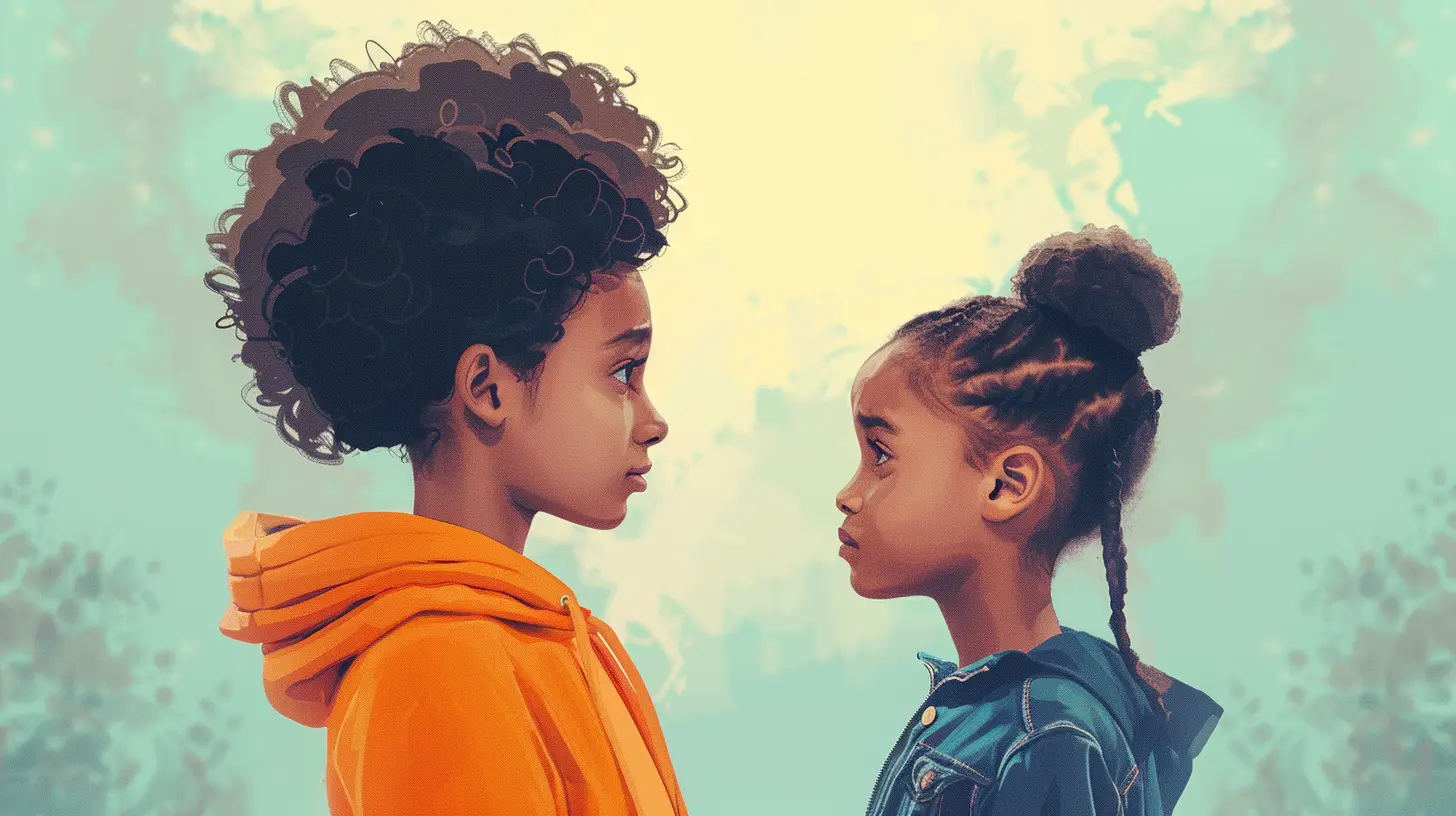
Educational institutions play a critical role in addressing and preventing bullying. If your child is experiencing racial bullying at school, it’s important to involve the right people. Don’t be afraid to engage in constructive discussions with teachers, school counselors, or administrators. They can be allies in ensuring a safe environment for your child.Document the Incidents
If the bullying persists, document everything that happens. This will be useful if more formal intervention is needed. Write down what was said or done, who was involved, when it happened, and how your child reacted. Having this detailed record can help school authorities take appropriate action.Advocate for School Programs
If your child's school doesn't already have anti-bullying or cultural sensitivity programs, this could be an opportunity to advocate for them. Ask the school if they can implement workshops or classes that promote diversity and inclusiveness. It's not just about your child—it’s about creating a safer environment for everyone.When to Seek Professional Help
Sometimes, dealing with racial or cultural bullying at home and through school interventions may not be enough. If you notice that your child’s emotional well-being is severely impacted—like persistent anxiety, depression, or withdrawal—it may be time to consider professional help.Counselors or therapists trained in dealing with racial trauma can offer an additional layer of support. They provide a neutral space where your child can express their emotions and gain new coping strategies.
Conclusion: Empowering Your Child for the Future
No parent wants to see their child suffer from bullying, especially when it comes from something as personal and deeply rooted as their racial or cultural identity. However, by approaching the situation with empathy, supporting your child emotionally, and equipping them with the right tools, you can help transform a painful experience into an opportunity for growth.Remember, this is not a one-and-done conversation. The dialogue about race, identity, and kindness should be ongoing. By keeping the conversation going, you’re not just helping your child overcome bullying—you’re preparing them to navigate a diverse world with confidence and empathy.
Before you go, take a deep breath. Parenting isn’t about having all the answers; it’s about showing up, listening, and guiding your child through the waves of life.
all images in this post were generated using AI tools
Category:
Dealing With BullyingAuthor:

Zelda Gill
Discussion
rate this article
1 comments
Payton Ross
This article provides practical steps for parents to tackle racial and cultural bullying. By fostering open conversations and encouraging empathy, we can equip our children to stand up against discrimination. It's vital to create a supportive environment where kids feel safe discussing these issues and understand the importance of kindness and respect.
August 17, 2026 at 4:11 AM
Zelda Gill
Thank you for your thoughtful comment. Creating a safe space for open dialogue is essential in helping our children navigate these tough issues. Together, we can raise empathetic and respectful individuals.