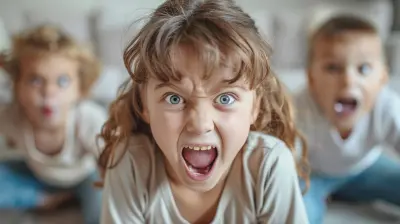
Building a Bully-Proof Mindset in Your Child for 2027 and Beyond
8 September 2026
The playground has changed. So has the classroom, the cafeteria, and even the ride home from school. Bullying in 2027 will not look like a bigger kid stealing lunch money in a hallway. It will be a coordinated smear campaign on a private group chat, a manipulated image circulating on a school-adjacent Discord server, and a quiet social exclusion engineered through disappearing messages. The physical push might still happen, but the most damaging blows now land where parents cannot see them.
Most advice about bullying focuses on reaction. Watch for signs, talk to the teacher, document everything. That approach is necessary, but it is not sufficient. A child who lacks internal resilience will crumble before you even spot the first red flag. The goal should not be to raise a child who never faces cruelty. That is impossible. The goal is to raise a child who can absorb a hit, process the pain, and still walk into the next room with their head up. That is the bully-proof mindset.
This is not about teaching your child to be tough in the traditional sense. It is not about ignoring feelings or telling them to shake it off. It is about building a psychological immune system. A child with this mindset does not become a target because they do not present the vulnerability that bullies instinctively hunt for. And when they are targeted anyway, they have the internal scaffolding to handle it without long-term damage.

What Bullying Actually Is in the Coming Years
To build the right defense, you need a clear picture of the offense. Bullying has always been about power imbalance and repetition. Those two elements remain constant. What changes is the medium and the speed.By 2027, the distinction between physical, verbal, and cyberbullying will be nearly meaningless. The same group of kids who mock your child in gym class will continue the mockery in a group chat that your child is not even part of, but somehow knows about. They will use AI tools to create embarrassing audio clips or fake photos that look disturbingly real. They will weaponize school assignment platforms to exclude your child from group projects. They will use location-sharing features to make sure your child knows they are having a party without them.
The traditional advice to just log off no longer works. Social life is not optional for most kids. It is oxygen. Asking a 13-year-old to disconnect from their phone is like asking a fish to ignore the water. The bullying follows them home because the home is now a node on the same network.
Here is a specific pattern that is emerging. A child gets excluded from a birthday party. The parent says, that is fine, we will do something fun that day. But the child sees the Instagram stories. They see the bowling alley, the cake, the group photo with their so-called friends. The exclusion is not a single event. It is a moment that gets replayed and amplified through every subsequent post and comment. The parent cannot block all of that. The child has to develop a way to process it that does not end in self-loathing.
The bully-proof mindset must therefore address three distinct layers. The first is the individual layer, which is how your child sees themselves. The second is the social layer, which is how your child navigates peer dynamics. The third is the digital layer, which is how your child interprets online interactions that are often distorted and decontextualized.
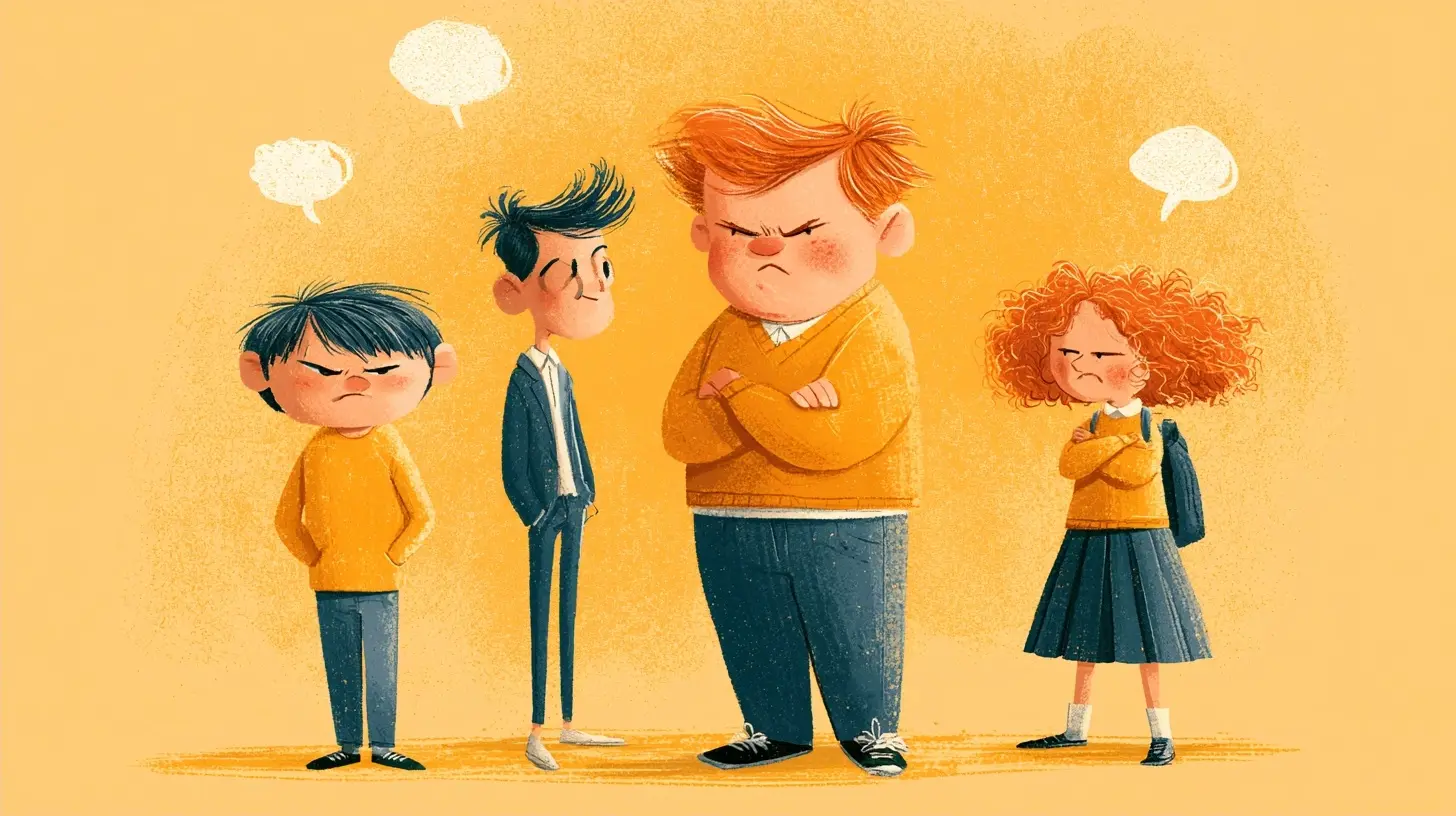
The Core Misconception: Self-Esteem Is Not the Shield
Parents hear that bullying damages self-esteem, so they conclude that high self-esteem will prevent bullying. This is not just inaccurate. It can be actively harmful.Children with inflated self-esteem often become more annoying to their peers, not less. A child who believes they are wonderful at everything, who cannot take a joke, who thinks they are the center of the universe, is a magnet for mockery. Bullies do not target the child with low self-esteem first. They target the child who reacts. They target the child who gets visibly upset, who cries, who begs to be included, or who lashes out in rage.
The child with high self-esteem who has never been challenged crumbles the moment someone calls them ugly or stupid. Their entire identity is based on a positive mirror that their parents held up. When a peer smashes that mirror, the fall is catastrophic.
What actually works is self-compassion combined with self-efficacy. Self-compassion means your child can acknowledge that being excluded hurts without concluding that they are worthless. Self-efficacy means your child believes they can influence outcomes in their life, that they are not just a passive recipient of other people's cruelty.
Here is the practical difference. A child with fragile self-esteem hears a rumor and thinks, they are right, I am weird. A child with self-compassion hears the same rumor and thinks, that is a mean thing to say, and it hurts, but I know who I am. A child with self-efficacy then decides what to do about it. Do they confront the rumor spreader? Do they ignore it? Do they talk to a friend? Do they report it? They have options because they believe they have agency.
You build self-compassion by modeling it. When you make a mistake in front of your child, do not say, I am so stupid. Say, I made a poor decision there, I am frustrated, but I will fix it. When your child fails a test, do not ask what is wrong with you. Ask, what happened, and what will you do differently next time. The language you use becomes the language they use internally.

Teaching Your Child to Read Social Predators
Bullies are not mysterious creatures. They follow predictable patterns. They probe for weakness. They test boundaries with small comments or actions to see who will push back and who will shrink.You can teach your child to recognize these probes. This is not about paranoia. It is about social literacy. A child who understands that a mean comment is a test, not a truth, is far less likely to be harmed by it.
The first probe is often disguised as a joke. A kid says something slightly insulting and then adds, just kidding, or, can you not take a joke. Your child has two choices. They can get upset, which signals that the probe landed. Or they can respond with calm indifference, which signals that this tactic will not work.
Role-play this at home. Have your child practice saying things like, that was not funny, or, I do not get it, explain it to me. The second response is particularly effective because it puts the burden on the bully. Bullies do not want to explain their jokes. They want a reaction. When they are forced to explain, they usually back down or reveal their intent.
Another common probe is the test of isolation. A bully will try to get your child alone or will try to turn one friend against them. The child who survives this is the one who has a broad social base. If your child has one best friend, losing that friend is devastating. If your child has three or four solid connections across different groups, losing one is painful but survivable.
This is why you should encourage your child to have diverse friendships. Do not let them put all their social energy into a single relationship. Encourage them to join clubs, play different sports, or participate in activities outside of school. A child who is on a soccer team, in a coding club, and has a neighborhood friend has three separate worlds. If one world turns hostile, they still have two others.
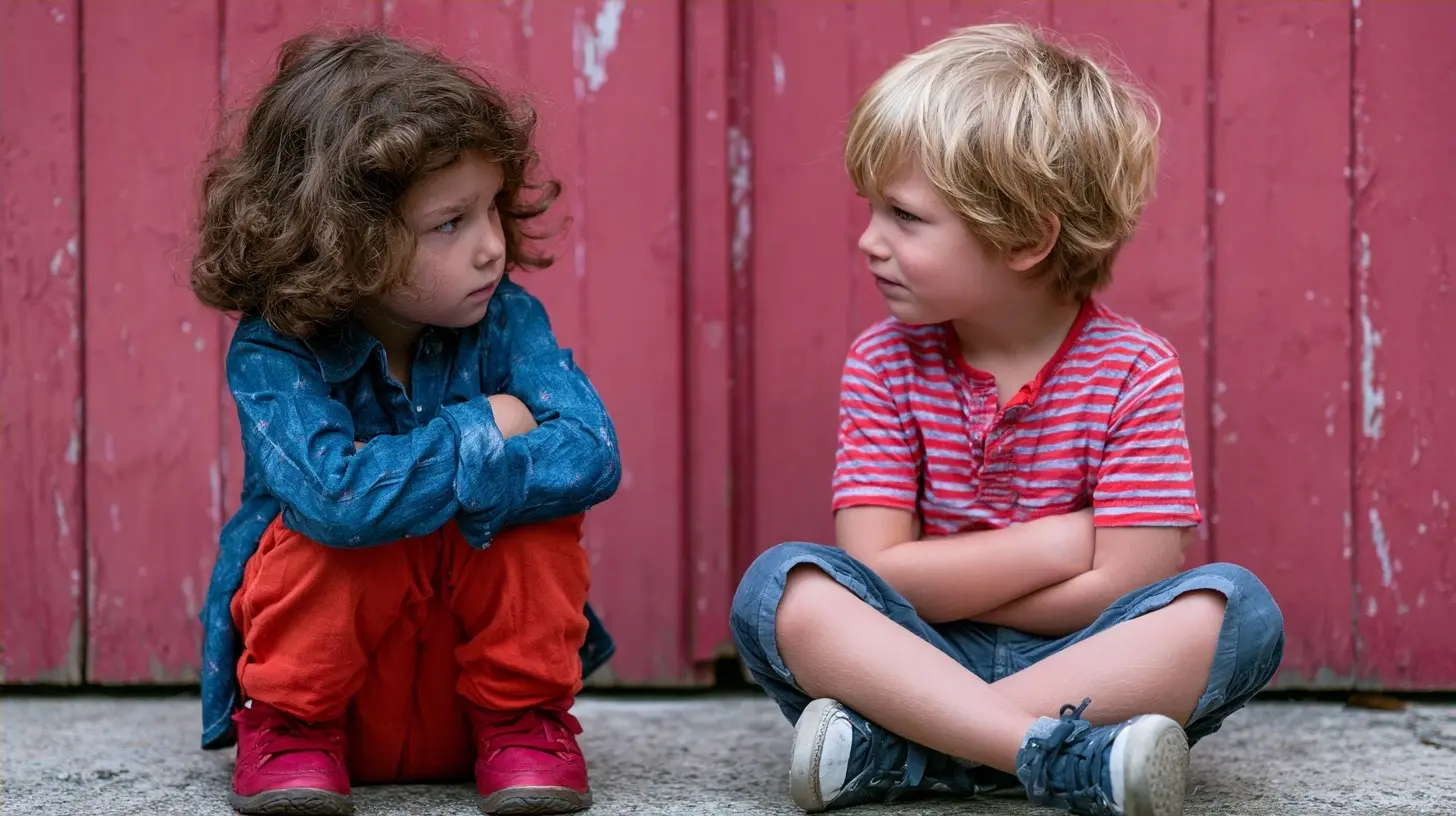
The Art of Boring Reactions
One of the most useful skills you can teach your child is how to be boring to a bully. Bullies feed on emotional reaction. They want to see anger, fear, or tears. When they do not get it, they lose interest.This does not mean your child should suppress their feelings. It means they should not display those feelings to the bully. There is a difference between feeling hurt and showing hurt. You can teach your child to feel the hurt, acknowledge it, and then choose how to respond.
The boring reaction is a neutral facial expression, a calm tone of voice, and a short response. Something like, okay, or, if you say so, or, thanks for sharing. Then your child walks away. They do not argue. They do not explain. They do not try to win the argument. They simply refuse to engage.
This is hard for children because their natural instinct is to defend themselves. They want to prove the bully wrong. But arguing with a bully is like playing chess with a pigeon. The pigeon knocks over the pieces, poops on the board, and struts around like it won. Your child will not win that game.
The boring reaction works because it denies the bully the reward. It also sends a signal to any onlookers that your child is not an easy target. Other kids are watching. They take cues from how your child reacts. A child who shrugs off an insult with indifference earns more respect than a child who screams or cries.
Practice this at the dinner table. Make it a game. You say something mildly insulting, and your child practices a neutral response. Then switch roles. This feels silly, but it builds muscle memory. When the real moment comes, your child does not have to think. They just respond.
Digital Self-Defense for the Next Generation
The digital world requires a different kind of armor. Online, bullies have the advantage of distance. They cannot see your child's face. They do not have to deal with immediate consequences. And they can recruit others to join in with a simple forward.The first rule of digital self-defense is curation. Your child needs to understand that they control their own feed. They can mute, block, and unfollow. This is not running away. This is setting a boundary. You would not let a stranger walk into your living room and insult your child. Why would you let a stranger do it on your child's phone?
Teach your child to mute accounts that make them feel bad. This is a low-stakes action that has immediate benefits. You do not need to have a big conversation about it. Just say, you can mute anyone you want. You do not have to announce it. You do not have to explain it. Just do it.
The second rule is about screenshots. Your child should know that every message, every comment, every post can be captured and used as evidence. If someone sends them something mean, they should screenshot it and then block the sender. They should not respond. Responding only gives the bully more material.
The third rule is about the permanence of content. By 2027, your child will be dealing with AI-generated content that looks real. They need to understand that just because something is posted does not mean it is true. They also need to understand that they should never post anything that could be doctored or taken out of context. This is not about blaming the victim. It is about reducing the surface area for attack.
A practical approach is to have a family rule about sensitive content. Nothing is posted that you would not want the principal, your grandmother, or a future college admissions officer to see. This rule protects your child from their own impulsivity, which is often the first step toward becoming a target.
When to Step In and When to Step Back
Parents often make one of two mistakes. They either swoop in at the first sign of conflict, or they ignore the situation until it becomes a crisis. Both approaches fail.The first approach fails because it teaches your child that they cannot handle their own problems. It also gives the bully a target. When a parent confronts a bully or the bully's parents, the situation often escalates. The bully learns they can get a rise out of the whole family. The child learns that they are not capable of managing their own social life.
The second approach fails because some situations are beyond a child's capacity. If your child is in physical danger, if they are being threatened, if they are showing signs of depression or self-harm, you must step in immediately. There is no room for hesitation.
The key is to match your response to the severity of the situation. For minor conflicts, let your child try to resolve it on their own. Offer coaching but not intervention. Ask questions like, what do you think you should do, or, what would happen if you said that. Let them practice their responses.
For moderate situations, such as repeated verbal bullying or social exclusion, work with your child to create a plan. This might involve talking to a teacher, but only after your child has tried their own strategies. You can role-play the conversation with the teacher. You can help your child script what they want to say.
For severe situations, such as physical violence, threats, or any form of sexual harassment, you intervene immediately. Document everything. Contact the school. If necessary, contact law enforcement. Your child's safety trumps any concern about seeming overprotective.
A useful framework is the intensity scale. Level one is a rude comment or a dirty look. Level two is repeated teasing or exclusion. Level three is ongoing harassment or intimidation. Level four is physical violence, threats, or destruction of property. Level five is any situation that involves weapons, self-harm, or illegal activity.
For levels one and two, your child handles it with your coaching. For level three, you work together as a team. For levels four and five, you take over completely. This scale gives your child a sense of control while also reassuring them that you will protect them when it really matters.
The Role of the Bystander and the Upstander
Your child will not always be the target. Sometimes they will be a witness. How they behave in that role shapes the entire social ecosystem.The research is clear that bullying stops when bystanders intervene. But it is also clear that most bystanders do not intervene. They fear becoming the next target. They do not know what to say. They assume someone else will handle it.
You can change this in your child. Teach them that silence is a form of complicity. When they see someone being bullied, they have three options. They can directly intervene, which is risky but effective. They can distract, which is safer and often works. Or they can report, which is necessary when the situation is dangerous.
Direct intervention does not mean physical confrontation. It means saying something like, that is not cool, or, leave them alone. Sometimes the simplest statement is enough to break the spell. The bully loses momentum when someone else speaks up.
Distraction is underrated. Your child can walk over to the target and start a conversation about something completely unrelated. Hey, did you finish the math homework? This breaks the dynamic. The bully loses their audience, and the target gets a way out.
Reporting is not tattling. Tattling is trying to get someone in trouble. Reporting is trying to keep someone safe. Your child needs to understand the difference. If they see a situation that is dangerous or that the target cannot handle, they need to tell an adult. This is not weakness. This is courage.
You can reinforce this by praising your child when they stand up for others. When your child tells you about a situation they witnessed, ask them what they did. If they did nothing, talk about what they could have done differently. If they intervened, celebrate that choice. You want to make being an upstander part of your child's identity, not just an occasional behavior.
Handling the Aftermath: What to Do When It Still Hurts
No matter how well you prepare your child, there will be moments when they are hurt. The bully-proof mindset does not mean being immune to pain. It means being able to recover from it.The first step in recovery is validation. Your child needs to hear that their feelings are normal. You say, it makes sense that you are upset. That was a mean thing to do. You do not say, just ignore them, or, it is not a big deal. Those phrases tell your child that their feelings are wrong.
The second step is perspective. Help your child see the situation in context. This is one person. This is one moment. This does not define your entire life. You can ask questions like, will this matter in a year, or, what do you think this bully is trying to achieve. This helps your child step outside the immediate pain and see the bigger picture.
The third step is action. Your child needs to do something to regain a sense of control. This could be talking to a trusted friend, writing in a journal, or engaging in a favorite activity. It could also be a practical action like blocking the bully online or talking to a teacher. The goal is to move from passive victim to active agent.
The fourth step is connection. Isolation makes bullying worse. Your child needs to be around people who make them feel safe and valued. This might be family, it might be friends from outside school, or it might be a counselor. The key is that they do not suffer alone.
A common mistake is to rush this process. Parents want their child to feel better quickly, so they minimize the pain or push the child to move on. But unresolved pain does not disappear. It shows up later as anxiety, depression, or anger. Let your child process at their own speed. Your job is to be present, not to fix everything.
Building the Long-Term Mindset for 2027 and Beyond
The specific technologies and social platforms will change. The fundamental dynamics of bullying will not. As long as there are children trying to establish dominance, there will be children who get hurt. Your goal is to raise a child who can navigate that reality without losing themselves.This requires a shift in your own mindset. You cannot protect your child from all pain. You cannot fight every battle for them. You cannot create a perfect social environment. What you can do is build a foundation that will hold up under pressure.
That foundation is made of several materials. It is made of unconditional love, which your child knows is not dependent on their popularity or success. It is made of honest feedback, which helps your child see themselves clearly without either false praise or constant criticism. It is made of real responsibility, which gives your child a sense of competence and purpose. It is made of healthy boundaries, which teach your child that they have the right to say no to mistreatment.
Start now. Do not wait for a bullying incident to begin these conversations. Talk about social dynamics at the dinner table. Ask your child how they handle conflict. Role-play difficult scenarios. Discuss what makes a good friend and what makes a toxic one.
The child who enters 2027 with this mindset will not just survive bullying. They will thrive in spite of it. They will be the kid who does not crumble under pressure, who does not chase approval from cruel peers, who knows their own worth independent of social validation. That child is not born. That child is built. And you are the builder.
The work is not glamorous. It is a thousand small conversations, a hundred gentle corrections, and a dozen moments where you have to hold back your own urge to fix everything. But it is the most important work you will do as a parent. Because the mindset you build today will carry your child through the playgrounds of tomorrow and far beyond.
all images in this post were generated using AI tools
Category:
Dealing With BullyingAuthor:

Zelda Gill
Discussion
rate this article
2 comments
Emory Johnson
Teach them to turn bullies into pizza toppings!
September 9, 2026 at 3:28 PM
Zelda Gill
That's a creative way to think about it! Turning negativity into humor can empower kids while tackling bullying.
Mary McAndrews
It's wonderful to see a focus on nurturing resilience in children. Teaching them to embrace their uniqueness and stand strong against negativity builds a foundation for confidence. Your insights will surely help parents guide their kids towards a brighter, more empowered future.
September 8, 2026 at 2:56 AM
Zelda Gill
Thank you for your thoughtful comment. I'm glad you see the value in nurturing resilience and confidence. It's crucial for our children's future.