Handling a Child's Emotional Outbursts with Emotional Intelligence
6 August 2026
Let’s be real—kids have meltdowns. Screaming in the candy aisle, crying when it’s bedtime, or even throwing toys out of frustration. If you’re a parent, you’ve been there (probably more than once). Emotional outbursts are part of a child's development, but that doesn't mean they're easy to deal with.
So, how do you handle these intense moments without blowing your own top? That’s where emotional intelligence comes into play. Think of it like your parenting superpower—a tool that helps you understand, respond to, and guide your child through emotional storms without creating a hurricane of your own.
In this article, we’re diving deep—and I mean deep—into handling your child’s emotional outbursts using emotional intelligence. We’ll talk about why kids lose it, how you can keep your cool, and even how these moments can become powerful teaching opportunities.
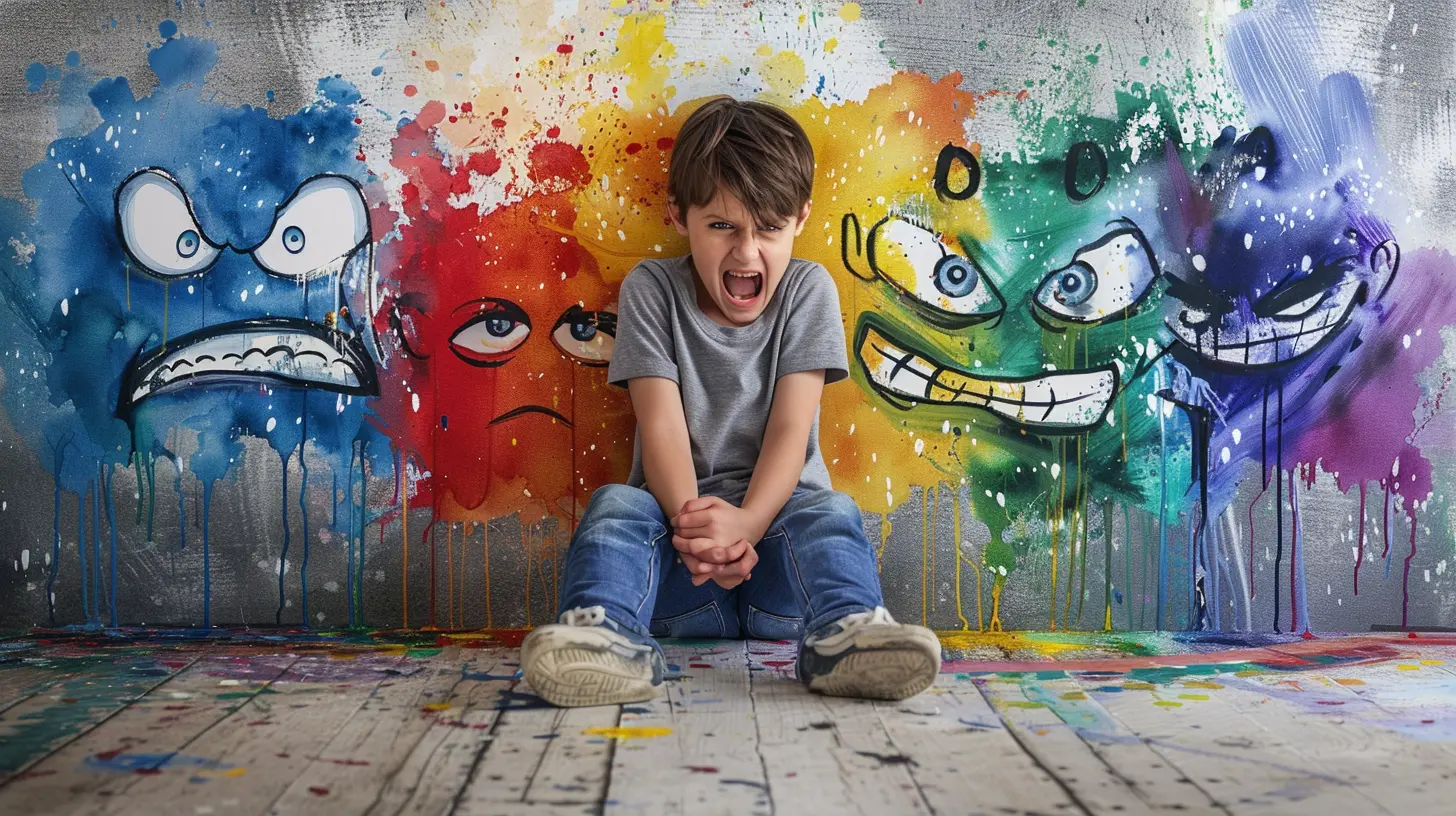
What is Emotional Intelligence (and Why Should Parents Care)?
Let’s break it down. Emotional intelligence (or EQ) is all about recognizing, understanding, and managing emotions—your own and others'. It helps you stay calm in chaos, empathize deeply, and communicate effectively. Now imagine bringing all that goodness into your parenting toolbox.Why should that matter? Because kids learn emotional skills from watching us. So when you handle an outburst with empathy instead of yelling, you're not just ending a tantrum—you're teaching emotional regulation.
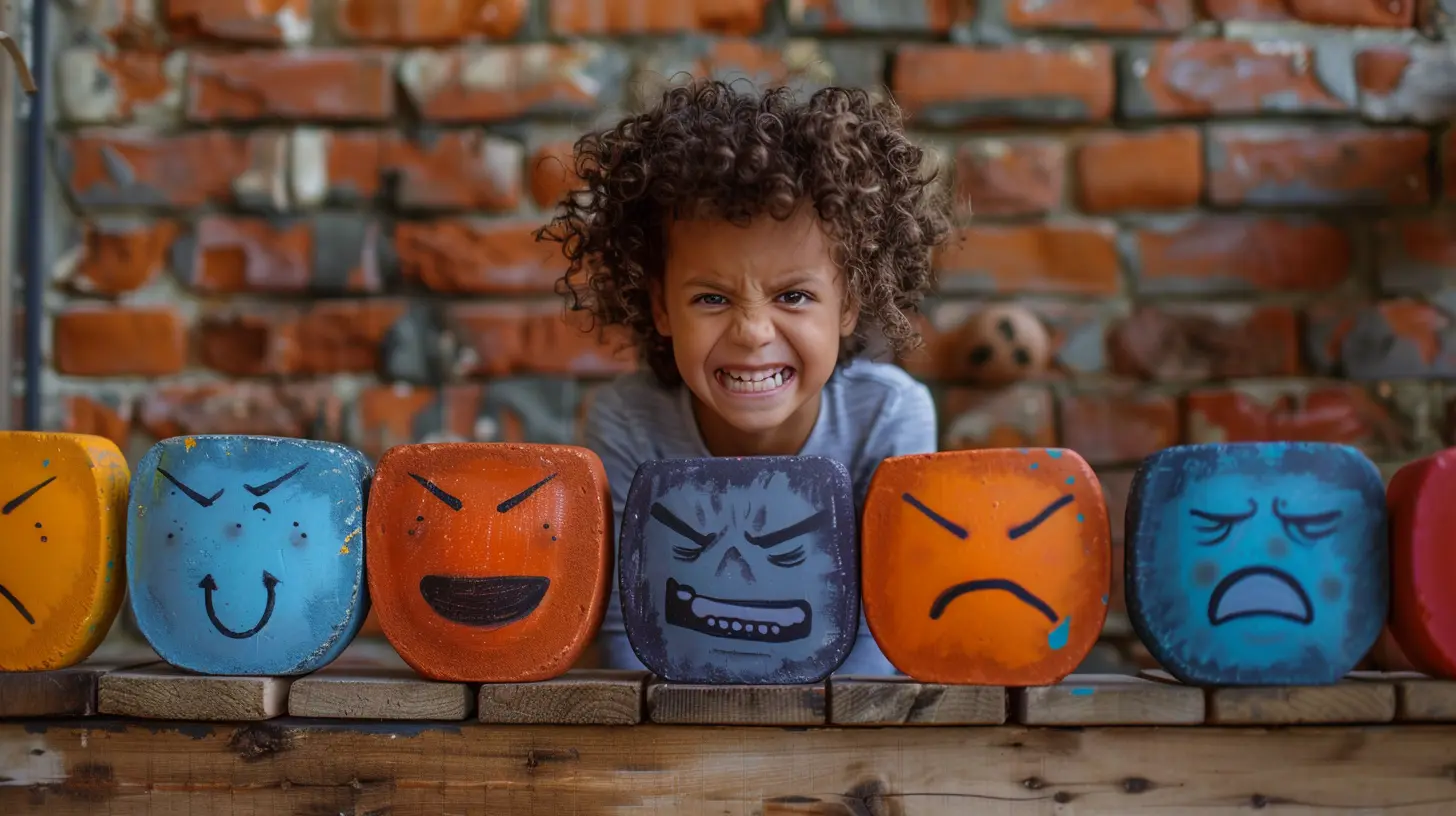
The Root of the Outburst: What’s Really Going On?
Before we talk about what to do, let’s understand what’s happening underneath the surface. Emotional outbursts aren’t just “bad behavior.” They're usually signs of unmet needs or overwhelming feelings.Think of your child’s emotions like a soda bottle. Each stressor shakes it a little—hunger, tiredness, overstimulation, fear, you name it. Eventually, one small thing (like the wrong color cup) makes it explode. And boom—there’s your outburst.
Understanding this helps you respond with compassion instead of frustration.
Common Triggers for Emotional Outbursts
- Hunger or fatigue – A hangry or overtired child is a ticking time bomb.- Transitions – Moving from one activity to another (like stopping playtime for dinner) can spark resistance.
- Lack of autonomy – Kids want to feel in control. When they don’t, they push back.
- Unrecognized feelings – Many kids don’t have the words to express big feelings, so they come out in behavior.

Step-by-Step: Handling the Outburst in Real-Time
So, your kid is mid-meltdown. What now? Here’s a roadmap you can follow to navigate the rollercoaster with emotional intelligence.1. Stay Calm (Even If You’re Screaming Inside)
Easier said than done, right? But your calm presence is the anchor your child needs when they’re emotionally adrift. Take a deep breath. Count to five. Pretend you’re a tree rooted to the ground.Why? Because your nervous system influences theirs. If you escalate, they will too.
Try This:
_"I see you're really upset. I'm here for you."_Even if your child can’t hear you through the tears, your tone and body language will speak volumes.
2. Acknowledge Their Feelings
Imagine how frustrating it is to be misunderstood. Kids feel that intensely. Saying something like, _"You’re really mad that we have to leave the park,"_ validates their emotions. You’re not agreeing with the tantrum, but you’re showing empathy.This simple step tells your child: “I see you. I hear you.” Often, that’s all they really want.
3. Offer Physical Comfort (If They Want It)
Some kids lean into a hug; others want space. Follow their lead. A calm touch or a warm embrace can help regulate out-of-control emotions. Think of it like grounding their emotional energy.Just don’t take it personally if they push you away. You're still showing them that support is available, and that matters.
4. Wait it Out (Yes, Really)
Let the storm pass. This isn’t the time for discipline, reasoning, or life lessons. Their brain is in "fight or flight" mode and can't absorb logic.Instead, stay close and create a safe space. Sometimes a meltdown just needs to run its course.
5. Talk it Through (When They're Calm)
Once your child is regulated and ready, revisit what happened. This step is golden because it builds awareness.Start with, _“Hey, earlier you were really upset. What were you feeling?”_ Use this as a chance to teach emotional vocabulary—mad, sad, frustrated, overwhelmed, etc.
Bonus? It also opens the door to problem-solving together.

Teaching Emotional Intelligence to Your Child Over Time
Children aren’t born with emotional intelligence—it’s something we teach and model. The more you integrate emotional awareness into daily life, the fewer outbursts you’ll see over time (not zero… but fewer!).1. Name Emotions Often
Use everyday moments to label feelings: _“You look excited!” or “That must have made you nervous.”_ These help kids recognize feelings in themselves and others.Your goal? To turn emotional awareness into second nature.
2. Model Emotional Regulation
Kids are watching you more than listening to you. If you lose it every time traffic is bad or your phone crashes, you’re setting a precedent.Instead, try narrating your own feelings: _“I’m feeling really frustrated, so I’m going to take a deep breath.”_ This shows that emotions are normal—and that we can choose how to respond.
3. Build a Feelings Toolbox
Create a list of calming strategies together: breathing exercises, squeezing a pillow, drawing, listening to music. When an outburst starts brewing, ask them to pick a tool from their “toolbox.”Think of it like giving them an emotional first-aid kit.
4. Use Books and Stories
Stories are a powerful way to talk about feelings without making it personal. Read together and ask, _“How do you think that character felt?”_ It builds empathy and critical thinking in one go.5. Praise Emotional Efforts
Notice and name it when they handle things well. _“I saw you took a deep breath when your tower fell. That was a great choice!”_Positive reinforcement builds confidence and motivates repeat behavior.
When to Seek Help: Knowing the Difference
Sometimes, emotional outbursts might signal something deeper—like anxiety, sensory challenges, or behavioral disorders. If your child frequently struggles to calm down, becomes physically aggressive, or their meltdowns are impacting daily life, it might be time to chat with a pediatrician or therapist.There’s no shame in getting support. In fact, it takes a ton of emotional intelligence to recognize when help is needed.
Your Emotional Intelligence Matters Too
Here’s the kicker: parenting with emotional intelligence doesn't just help your child—it helps you, too. You’re less reactive, more connected, and way more equipped to handle the madness of raising tiny humans.And let’s be honest, we all have our own emotional baggage. Parenting has a way of pressing every single button. The good news? Every meltdown is a chance—not just for your child to grow, but for you to grow alongside them.
Final Thoughts: Turning Outbursts Into Opportunities
Here’s the thing about emotional outbursts—they’re not signs that you’re failing. They’re just part of the messy, magical process of raising emotionally aware kids.Next time your child blows up over the wrong snack or a lost toy, take a breath. Ground yourself. Then, meet them where they are—with empathy, patience, and emotional intelligence.
Because those big feelings? They’re not problems to fix. They’re lessons waiting to be taught. And you, my friend, are more than capable of teaching them.
all images in this post were generated using AI tools
Category:
Emotional IntelligenceAuthor:

Zelda Gill
Discussion
rate this article
1 comments
Antonia Ford
Understanding your child's emotions is key to handling outbursts. Instead of reacting with frustration, validate their feelings and model calmness. This approach fosters trust and helps them learn to express emotions in healthier ways.
August 11, 2026 at 2:46 PM
Zelda Gill
Absolutely. Validating feelings and staying calm creates a safe space for kids to learn and grow emotionally. It's all about building trust and teaching them how to express themselves.