When Bullying Leads to School Avoidance: How to Address Anxiety
18 June 2026
Let’s face it—being a kid is tough. From worrying about who they sit with at lunch to figuring out long division, the school years are already filled with enough pressure. But when bullying enters the scene? It’s like adding a thunderstorm to an already cloudy day. And for some kids, the pressure gets too heavy… so heavy, they just stop going to school altogether.
If your child is starting to dodge the school bus like it’s a horror movie villain, it’s not a phase—it could be school avoidance sparked by anxiety from bullying. Don't worry, you're not alone in handling this. Many parents ride this rollercoaster. Let's walk through what’s really going on and how to help your child step back into school with confidence.
What Is School Avoidance?
School avoidance, also known as school refusal, isn’t about your child being lazy or rebellious. It’s rooted in anxiety—real, paralyzing anxiety. And when bullying is the trigger? That fear is amplified times ten.You may notice your child complaining about stomachaches, headaches, or suddenly crying every morning before school. These aren’t “excuses”—they're signs of emotional distress. Their mind is telling them that school = danger, and their body is responding like they're being chased by a bear.
So, What’s the Link Between Bullying and School Avoidance?
Bullying isn't just about name-calling or playground fights—it can be subtle, cruel, and constant. Whether it’s face-to-face, behind a phone screen, or through social media whispers, bullying leaves scars that aren’t always visible.After repeated torment, a child may start to associate the school environment with fear, shame, and helplessness. Can you blame them for not wanting to go? It’s like asking someone with a bee allergy to walk into a hive.
Spotting the Red Flags: Is Your Child Avoiding School Because of Bullying?
Not every tummy ache is linked to bullying, but when the excuses become routine, and the stress lingers, it’s time to look deeper. Here are some signs to watch for:- Frequent "mystery illnesses" that vanish on non-school days
- Changes in eating or sleeping habits
- Drop in grades or refusal to do homework
- Social withdrawal or fear of being alone
- Suddenly hating a once-loved activity (like sports, band, or clubs)
- Becoming clingy, anxious, or even angry on school mornings
If any of this sounds alarmingly familiar, it’s time to pull out your parental detective kit and dig a little deeper.
Talk It Out: Starting the Conversation
Before you storm the school gates with a bullhorn, start at home—with a calm, safe conversation. Your child needs to know they're not in trouble and that they can trust you.Here’s a tip: Don’t spring it on them while they’re overwhelmed or mid-outburst. Pick a relaxed moment, maybe during a car ride or while doing something low-pressure like baking cookies (chocolate chips are great therapy tools).
Try asking:
- "You’ve been feeling sick a lot lately before school. Can you tell me what’s making you nervous?"
- "Has anything or anyone at school made you feel uncomfortable or unsafe?"
- "You don’t have to name names, but has someone been treating you unkindly?"
Keep your tone gentle. Validate their feelings. Even if part of you is ready to go full ninja mode on the bully, your child needs your calm more than your rage right now.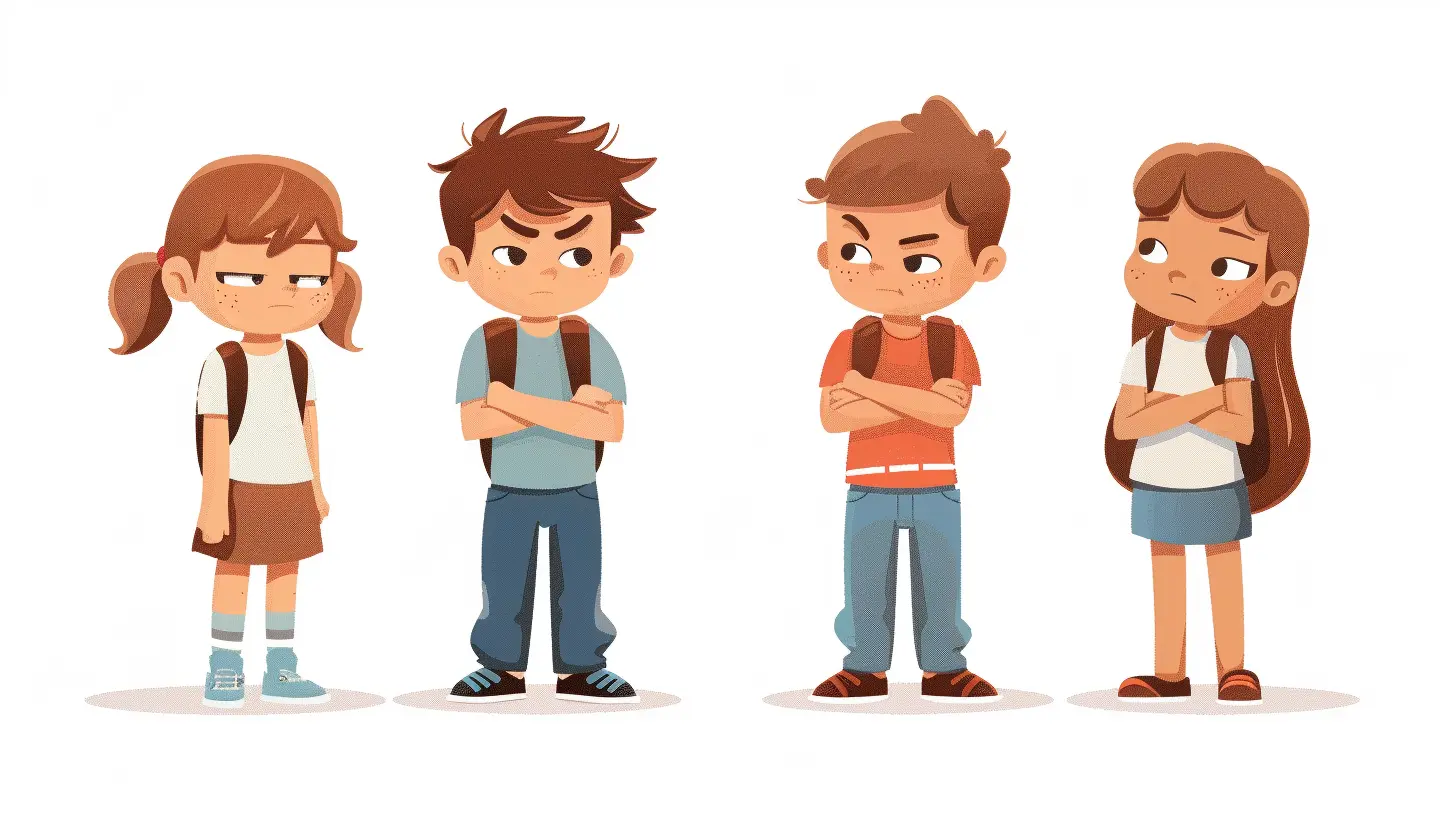
Don’t Hit Snooze on the Alarm
Once you’ve confirmed or strongly suspect bullying is the root of school avoidance, it’s GO time. Ignoring the problem won't make it vanish—it’ll just grow like mold in a damp basement.Step 1: Document Everything
Start a “Bullying Journal.” It may sound fussy, but writing down incidents, symptoms, and even your conversations with your child can be super helpful. It builds a solid case if you need to talk with school staff or, worst-case scenario, take legal action.Step 2: Team Up With the School
Set up a meeting with the teacher, school counselor, and principal. Be respectful but firm. You're not just a concerned parent—you’re your child’s number one advocate.Bring your notes, and calmly lay out what’s been happening. Ask about:
- Their bullying policies (seriously—ask to see the handbook)
- What interventions they can put in place
- Whether they can help with temporary accommodations like switching classes or lunch arrangements
Many schools want to help, but they can only act if they’re aware and involved.
Help Your Child Rebuild Confidence
Imagine this: someone steals your shoes and constantly mocks your feet. Would you be excited to go where that person hangs out every day? Probably not. That’s how your child feels about school right now—it’s their battlefield.Here’s how you can help them lace up those shoes and walk tall again:
1. Create a Morning Routine That Feels Empowering
Mornings set the tone. Make them calm, predictable, and filled with mini-wins. Maybe it’s their favorite breakfast, a funny YouTube video, or a pep talk playlist. Think of it as emotional armor.2. Small Steps Make a Big Difference
If your child refuses to go altogether, try a gradual return. One hour today. Half a day tomorrow. Each victory builds resilience and eases the anxiety fog.3. Empower Through Role-Playing
Practice different bullying scenarios together. Teach phrases like “Stop it. That’s not okay,” or how to walk away confidently. Help them find their voice—even if it’s a whisper at first.4. Encourage Healthy Outlets
Sports, art, karate, journaling, dance—whatever helps them express and release pent-up emotions. These outlets reinforce that they’re more than what the bully tries to make them believe.Don’t Underestimate Professional Help
Sometimes, anxiety grabs hold so tightly that even hugs and encouragement can’t loosen its grip. That’s okay. Seeking help from a child therapist or counselor isn’t waving a white flag—it’s recruiting a teammate.A mental health professional can teach your child coping skills, help them process trauma, and boost their emotional toolkit for the long haul.
What If the School Isn’t Helping?
Okay, tough love time. If you’ve reported bullying and the school plays the “kids-will-be-kids” card or sweeps it under the rug, it’s time to escalate.- Document everything. Always.
- Go up the chain—to school district officials or board members.
- Raise awareness: some parents find support in local advocacy groups.
- Know your rights: in many places, laws require schools to address bullying seriously.
You have every right to demand a safe learning environment for your child. Keep advocating until something changes.
Rebuilding Trust and Hope
Healing from bullying and school avoidance isn’t a one-and-done deal. It’s a journey, sometimes two steps forward and one emotional meltdown back. But don’t lose hope. With support, encouragement, and time, your child can—and will—find their way back to feeling safe, strong, and capable.Remind them often:
- They are loved, just the way they are.
- The bully does not define their worth.
- Asking for help is brave.
- They are not alone.
And hey—you’re doing a pretty amazing job figuring this all out. Parenting is no small feat, and when you're navigating bullying, school avoidance, and anxiety, it's like playing chess on a rollercoaster. But with patience, persistence, and a whole lot of heart, you’re showing your child how powerful love and advocacy can be.
Final Thought: Never Stop Showing Up
Even when your kid pushes you away, even when you’re both crying before 8 a.m., even when it feels like nothing is working—keep showing up.Because nothing, absolutely nothing, beats the power of a parent who refuses to give up.
all images in this post were generated using AI tools
Category:
Dealing With BullyingAuthor:

Zelda Gill
Discussion
rate this article
1 comments
Evelyn Curry
So, when your kid starts asking if today is "bring your pet rock to school" day, you might want to check in. Nothing says school avoidance like a perfectly good rock. Just remember, even rocks need to socialize... eventually. Hang in there, parents. You got this!
June 22, 2026 at 2:45 AM
Zelda Gill
Thanks for the reminder! It's important to recognize those signs and stay connected with our kids. Hang in there, everyone.