Gardening with Kids: Growing Curiosity and Green Thumbs
3 April 2026
Gardening with kids isn't just about planting seeds in the soil—it's about planting seeds in their minds. It’s about nurturing more than just plants. It’s about growing little hearts full of wonder, patience, and responsibility. Sounds poetic? Maybe. But let’s be real—it’s also messy, unpredictable, hilarious, and downright magical.
You might think, “Really? Gardening? With kids who can’t even locate their shoes?” Stick around. This isn’t just your average wholesome weekend activity—it’s a secret weapon in the parenting toolbox. Here's how growing green thumbs can grow curious minds, strong character, and maybe even a lifelong love of dirt (and not just the Minecraft kind).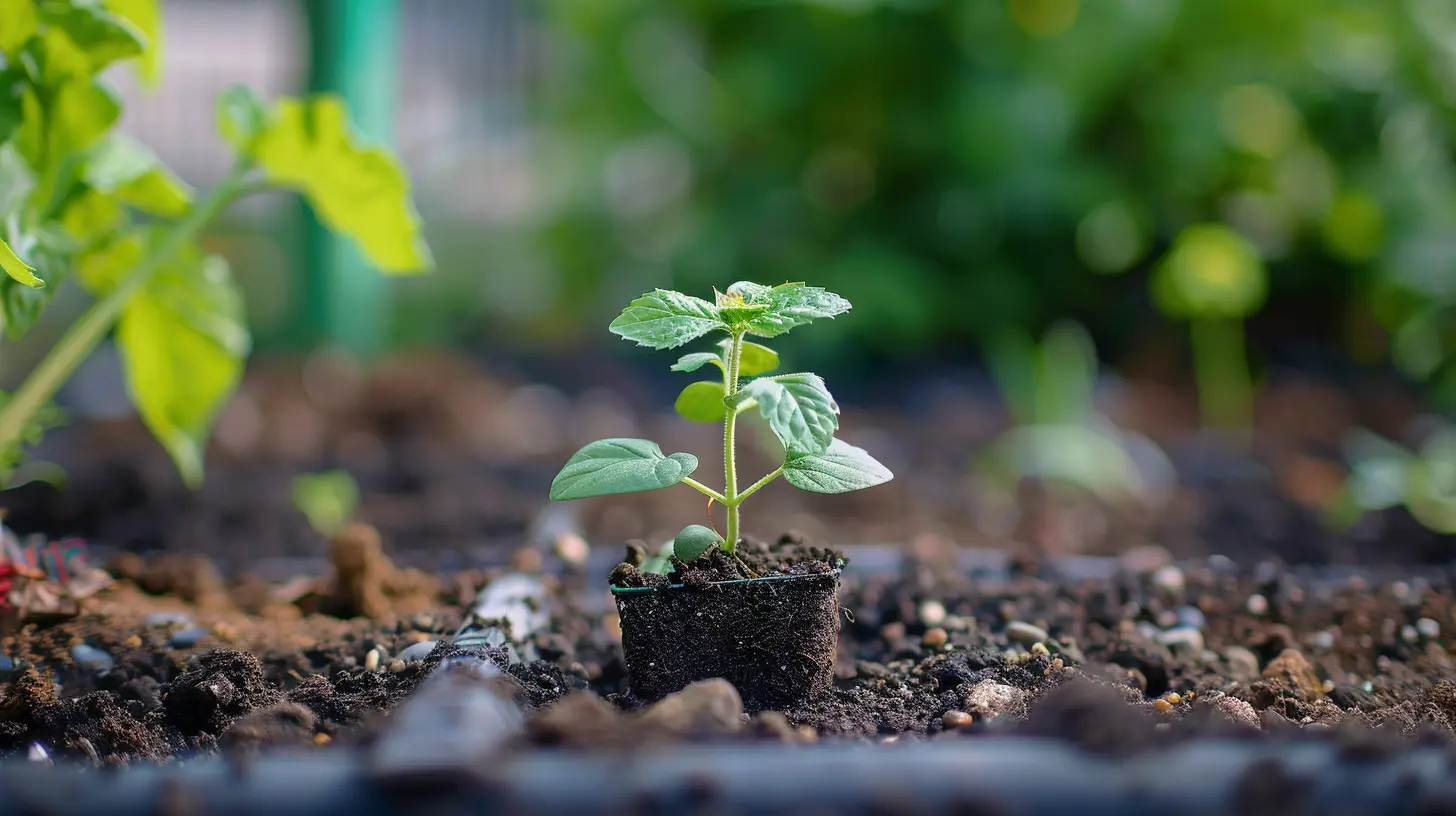
Why Gardening Strikes a Chord with Kids
Ever notice how kids are naturally drawn to mud like bees to flowers? There's something irresistibly hands-on about gardening—digging, watering, touching, smelling. It taps into all their senses and gives them something most activities lack: ownership.Unlike some structured activities, gardening lets them be in control (sort of). Seeds sprout because they made it happen. They’re not just following instructions—they're creating life with their tiny hands. That's empowering.
Plus, it turns out, kids are naturally curious about how things grow. "Why do beans grow up and not down?" "Do worms have birthdays?" Gardening doesn’t just entertain questions—it encourages them.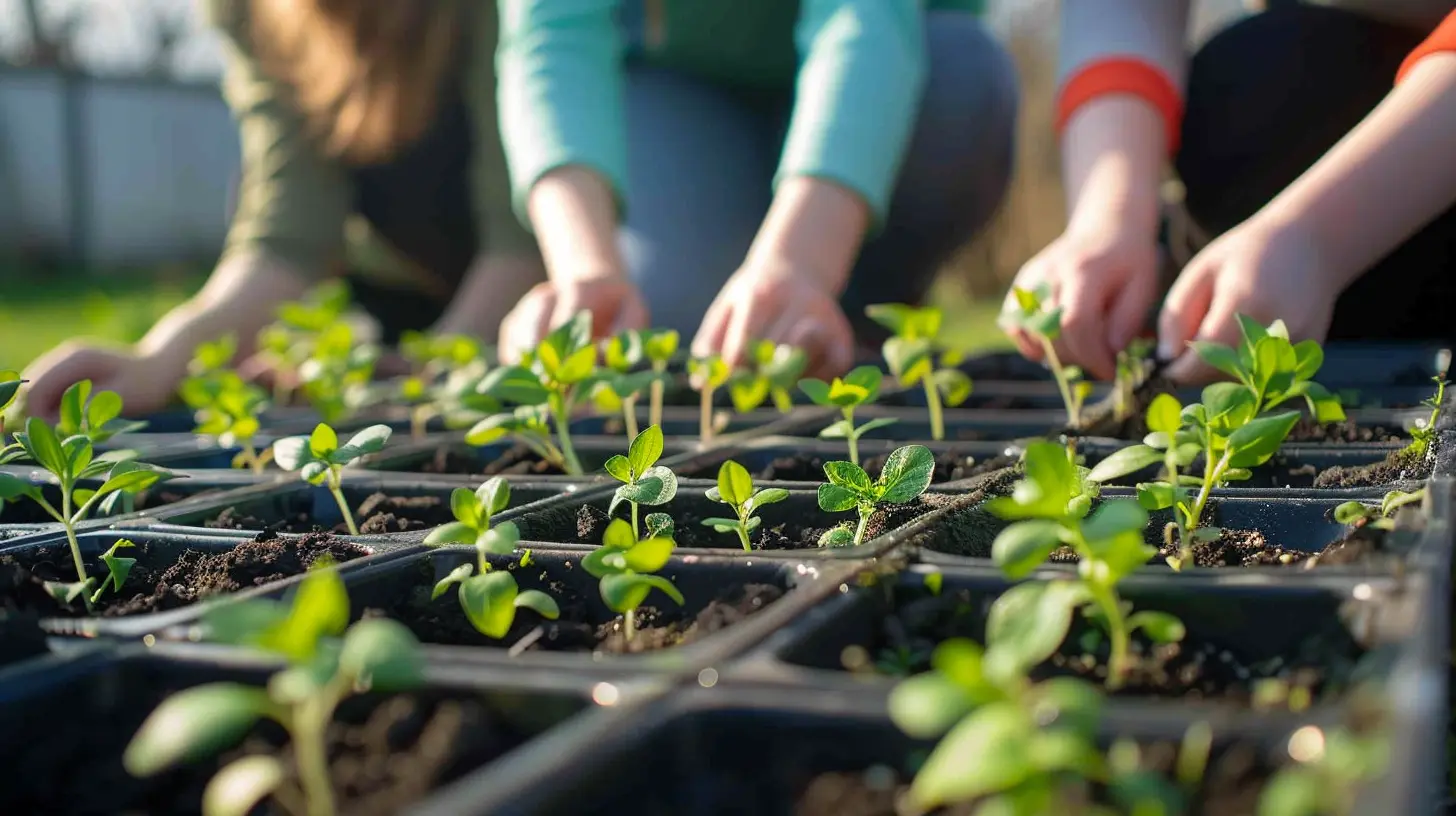
The Curious Connection: How Plants Grow Curiosity
Curiosity is a lot like a seed itself. Give it a little sunlight, some time, and it blossoms. Gardening is the perfect curiosity-fertilizer. The process is full of mystery and delayed gratification. Today’s dirt patch becomes tomorrow’s sunflower. That’s magic in slow motion.Think about it—when a child plants a tiny, dry, unimpressive seed and watches it sprout into something lush and alive, it’s basically nature’s biggest science experiment. They’re learning botany, weather, ecosystems, nutrition—all by accident.
But it doesn't stop there. Gardening opens the door to questions like:
- "What do roots look like underground?"
- "Why do tomatoes get spots?"
- "How do bees know where to go?"
And here’s the best part: Not only are they asking questions, but they’re also learning how to observe, hypothesize, and test. It’s science wrapped in soil.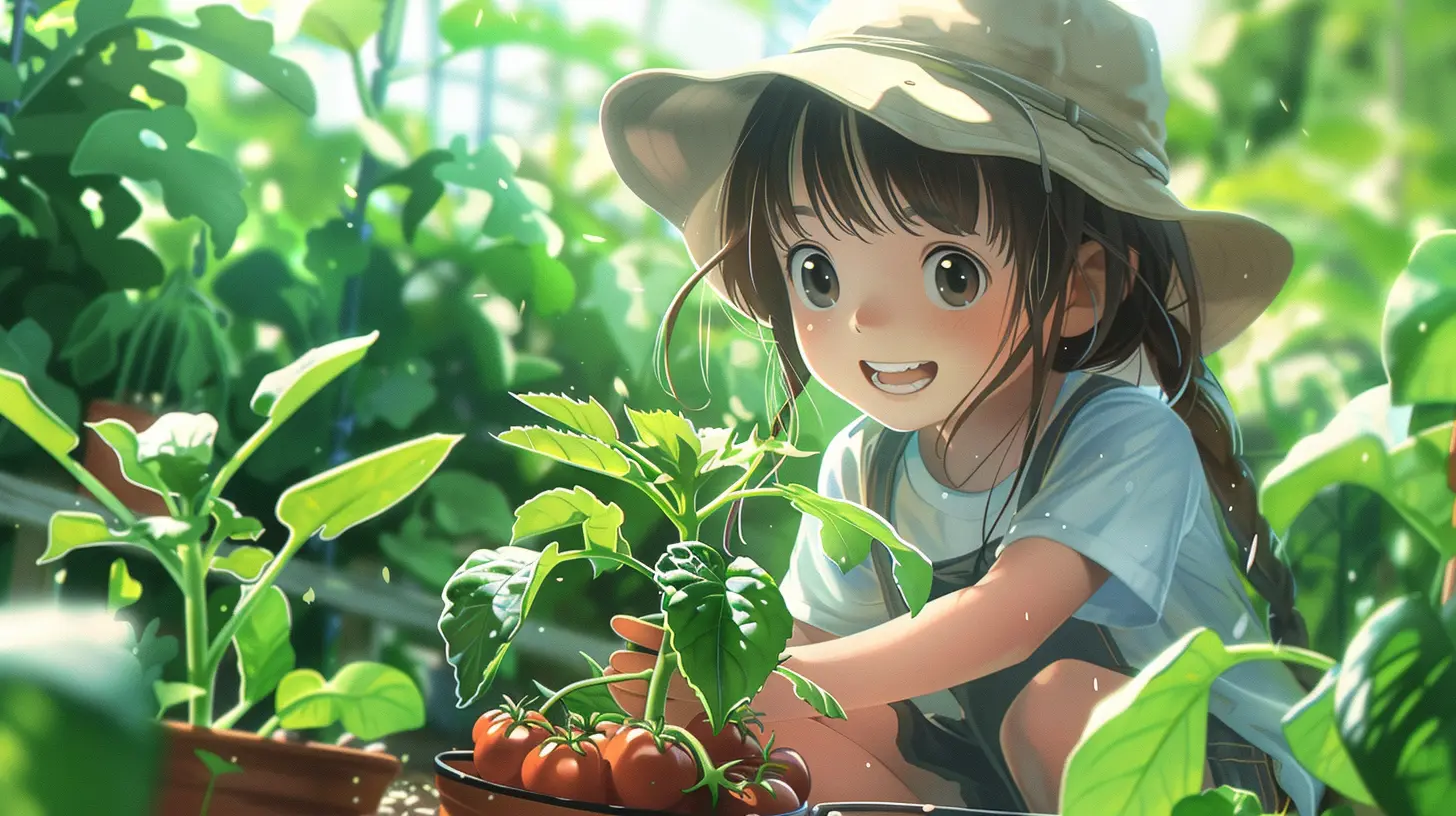
Step-by-Step: Getting Dirty (Without Losing Your Mind)
Okay, let’s talk logistics. If the idea of gardening with small, wriggly, easily distracted children sounds insane—don't worry. You don’t need a backyard or a fancy greenhouse. You don’t even need a green thumb.Here’s how to start small and keep everyone (mostly) sane:
1. Start with the Right Plants
Pick plants that grow quickly and don’t require a degree in horticulture. Kids need to see progress fast or they’ll lose interest. Some crowd-pleasers:- Sunflowers (dramatic and tall)
- Radishes (they grow fast—like, 3 weeks fast)
- Strawberries (because who doesn’t love a juicy reward?)
- Snap peas (fun to pick and snack on straight from the vine)
- Tomatoes (cherry tomatoes are bite-sized excitement)
2. Create a Kid-Sized Garden
Even if you only have a windowsill or a balcony, you can build a mini-garden. Use pots, containers, or recycled yogurt tubs. Let them decorate their containers with paints or stickers—it adds a sense of ownership.Got space? Designate a small patch as the “kid zone.” Let them dig, plant, and get messy.
3. Keep the Tasks Age-Appropriate
Toddlers can water and dig. Preschoolers can plant seeds and harvest. Older kids can even help plan layouts or keep a garden journal.The key? Give them just enough responsibility that it feels like "theirs" but not so much that it turns into a chore.
4. Make it a Sensory Activity
Don’t just focus on the results. Gardening is full of smells, textures, and colors. Encourage them to touch the soil, smell the herbs, or listen to the buzz of insects. It’s nature’s own fidget toy.5. Turn Mistakes into Lessons
Plants will die. Leaves will yellow. You’ll forget to water. Don’t panic—it’s all part of the journey. Use it as a chance to talk about resiliency and learning. “What do you think happened?” can go a long way.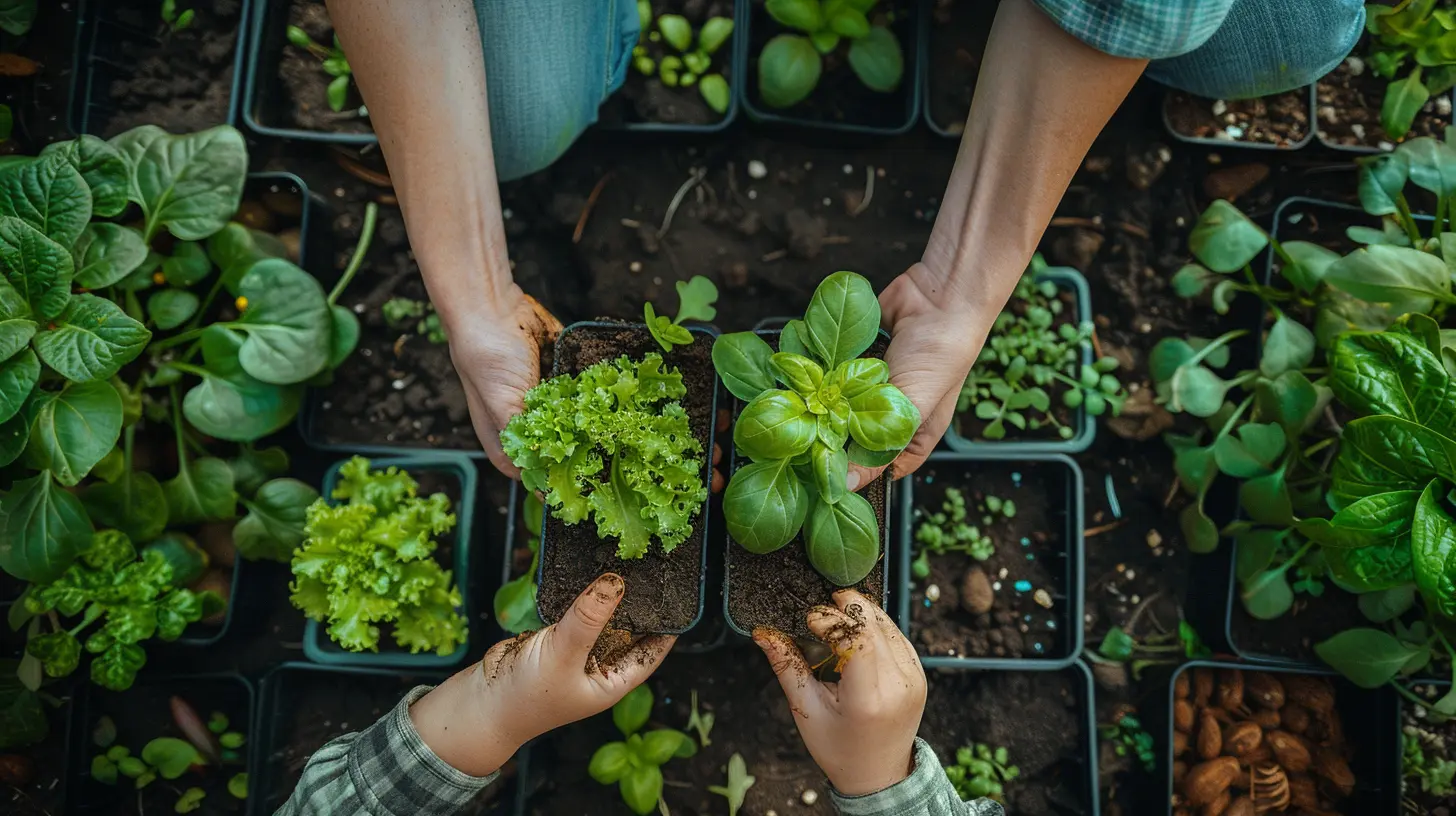
The Hidden Benefits: More Than Just Plants
Sure, your kid might grow a pumpkin or two, but that’s not the real harvest. Here’s what they’re really growing:✔️ Patience
Plants don’t rush. Seeds sprout on their own timeline. Kids learn that not everything in life is instant—even if their videogame downloads are.✔️ Responsibility
When it’s their job to water the basil or check the beans, they begin to understand commitment. It’s like getting a pet without the fur and vet bills.✔️ Empathy
Plants are living things, and kids who grow them learn to care, nurture, and notice needs—quiet skills that ripple into other relationships.✔️ Confidence
Every sprout is a victory. “Look what I grew!” is a powerful statement. It shows them they can impact the world in real, tangible ways.From Garden to Table: Getting Kids to Eat the Rainbow
Struggling to get your kid to eat anything green that isn’t a gummy bear? Gardening might just be your secret weapon.When kids grow it, they’re way more likely to try it. Something about pulling a carrot straight from the earth makes it way more appealing than mystery mush on a plate.
Try this:
- Let them harvest what they grow.
- Involve them in simple recipes (salads, smoothies, pizzas with homegrown herbs).
- Talk about the flavors, colors, and smells during meals.
You might be shocked when your picky eater becomes a kale ambassador.
Sneaky Science and Stealthy Learning
What they see as fun, we see as education. Gardening gently introduces kids to biology, math (measuring plants, counting seeds), weather patterns, and even art (drawing what they see).If you want to take it further, try adding:
- A garden journal: Track growth, draw pictures, or write down questions.
- A bug hunt: Identify worms, bees, beetles—learn who’s friend or foe in the garden.
- A compost project: Teach about food waste, recycling, and how decay plays a role in life.
They’ll be learning without even realizing it. It's like slipping spinach into a smoothie.
Making Gardening a Family Ritual
Gardening isn’t just an activity—it can become a shared ritual. Something you do together, season after season. Maybe it’s planting spring bulbs, harvesting summer tomatoes, or prepping soil in the fall. These recurring moments build belonging, tradition, and family lore.Even those funny "remember when" stories start here:
- "Remember when you watered the dog instead of the tomatoes?"
- "Remember when Dad planted the whole packet of seeds in one hole?"
These aren’t just garden memories. They’re childhood memories.
Overcoming the Dirt Roadblocks (Because It’s Not Always Picture Perfect)
Okay, let’s not pretend everything’s rosy. Gardening with kids can be messy (literally and figuratively). There will be tantrums. Things will get trampled. Slugs might invade.Here are a few quick fixes when things go sideways:
- Overwhelm? Start small. One pot, one plant.
- Boredom strikes? Involve storytelling. “This seed came from a magic forest…”
- Too messy? Embrace it. Designate a “garden shirt.” Hose them off later.
- Everything dies? Try again. Gardening is trial and error.
Perfection isn't the goal. Participation is.
Taking It Beyond the Backyard
Want to go even deeper? Stretch the experience beyond your garden.- Visit a local community garden or farmers’ market.
- Read gardening-themed picture books or watch time-lapse plant videos.
- Connect with local gardening clubs or kid-friendly nature walks.
- Volunteer at urban farms or participate in planting trees.
The idea is to help kids see gardening not just as something they do, but something they’re part of.
Final Thoughts: The Best Things Grow Slowly (Like Kids)
In a world that runs at the speed of wi-fi, gardening lets kids slow down. It teaches them that beautiful things take time. That growth isn’t always visible. And that sometimes, you have to get your hands dirty to make something truly amazing.So whether you’re wrangling toddlers or bonding with preteens, carve out a little garden space—physical or metaphorical. Because when we root our kids in nature, curiosity, and care, we raise more than gardeners.
We raise good humans.
all images in this post were generated using AI tools
Category:
Outdoor ActivitiesAuthor:

Zelda Gill
Discussion
rate this article
2 comments
Delta Hudson
Great tips! Gardening fosters creativity and responsibility in kids!
April 14, 2026 at 3:07 AM
Zelda Gill
Thanks! I'm glad you found the tips helpful. Gardening truly is a wonderful way for kids to explore and learn.
Taryn Bell
What a delightful read! Gardening with kids is the perfect way to nurture both their curiosity and a love for nature. Watching them dig, plant, and explore is a joy like no other. Let’s cultivate those green thumbs together—growing moments and memories that blossom for years to come!
April 5, 2026 at 3:42 AM
Zelda Gill
Thank you! I couldn’t agree more—gardening with kids truly fosters a lifelong appreciation for nature and creates unforgettable memories. Let's keep nurturing that curiosity!