Fostering a Home Environment That Reduces the Risk of Bullying
29 January 2026
Let’s be real for a sec—most parents are juggling life like they’re in a circus act. Between the “where’s-your-homework?” routine and the “eat-your-veggies” battles, the idea of preventing bullying at home might feel like adding another spinning plate. But here’s the truth: bullying often begins—or can be prevented—right at home.
Yep, your kitchen table might just be the frontline defense against bullies. Let’s break this down, in an easy-breezy, parent-to-parent kind of way. Buckle up for some quirky reflections, practical tips, and heartfelt truths about fostering a home that acts like a big ol’ anti-bullying bubble.
Why Should Home Be the Starting Point?
You know that warm, snuggly blanket your kid clings to? That’s what home should feel like emotionally—safe, secure, and comforting. Kids don’t just learn how to walk or tie their shoes under your roof. They learn how to treat others, how to handle conflict, and—here’s the kicker—how to feel about themselves.And guess what? Confident, empathetic kids are way less likely to bully or be bullied.
So, building a nurturing home environment isn’t just good parenting—it’s powerful, preventative magic.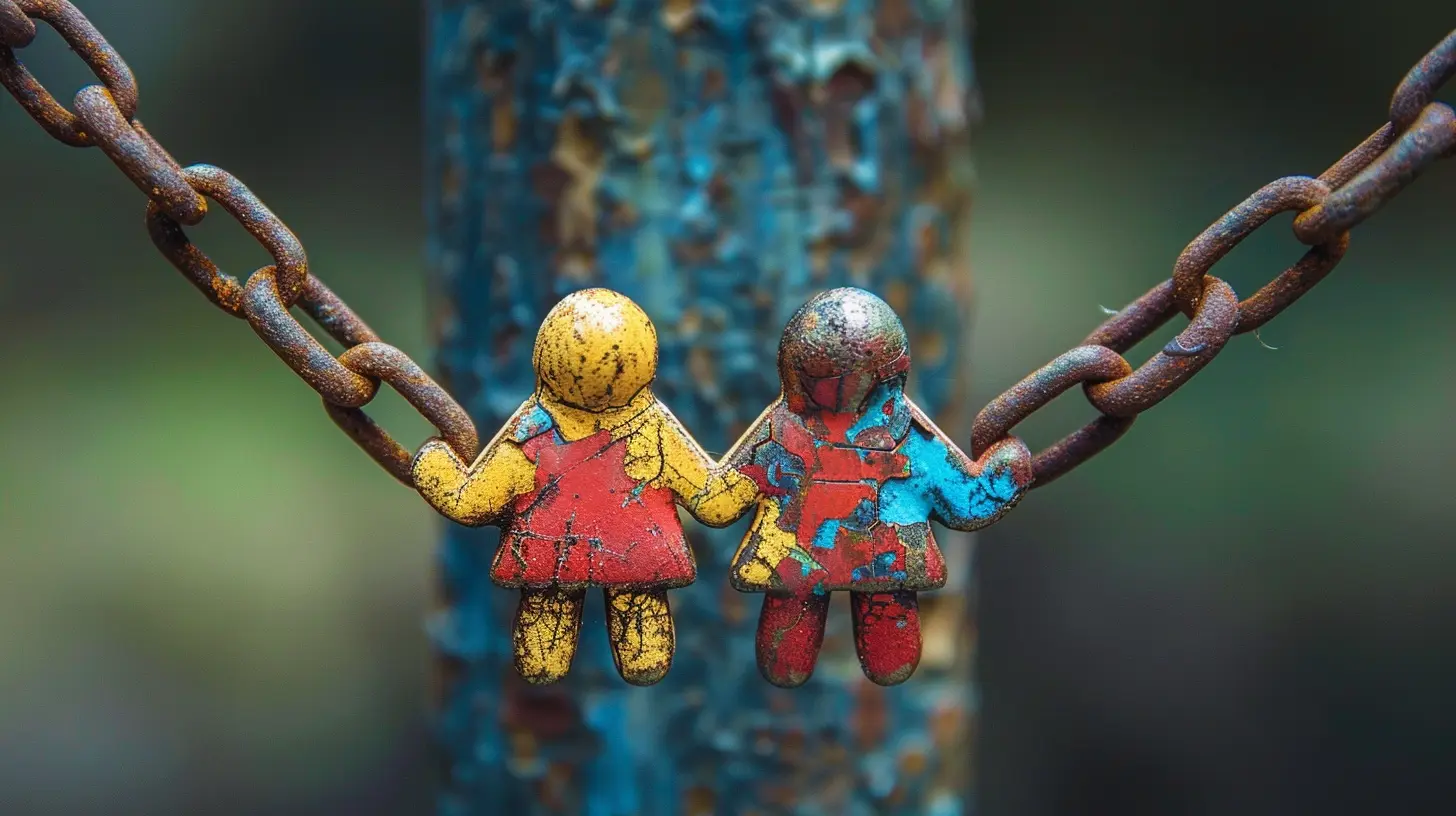
Start With Emotional Armor: Building Self-Esteem
Ever seen a marshmallow with a heartbeat? Meet your kid. They’re soft, squishy, and oh-so-impressionable.1. Celebrate the Weird
Got a kid who invents languages or insists on wearing Halloween costumes in July? Let them. Yes, even the vampire cape in the supermarket.Encouraging individuality builds self-confidence. And confident kids? They’re less likely to belittle others to feel superior. They don’t need to fit in because they’re too busy standing out.
2. Let Them Fail (Seriously)
I know, watching your kid bomb their science project hurts worse than stepping on LEGO barefoot. But hear me out—resilience grows where failure is allowed.Supporting them through challenges, not shielding them, teaches them that self-worth isn’t tied to perfection. And kids who aren’t scared of failure have no need to drag others down for a win.
Create an Atmosphere of Open Communication
Imagine trying to solve a mystery with no clues. That’s what it’s like trying to help a child who doesn’t talk about their feelings.1. Ditch the Interrogation
Instead of the classic “How was school?” (cue the dreaded “fine”), try something more unexpected like, “What made you laugh today?” or “Did anyone chew loudly and annoy you?”Weird? Maybe. But quirky questions get better responses. And with regular chats, your kid will feel safe sharing the serious stuff too—like if they’re being picked on or if they saw Tommy pushing Timmy at recess.
2. Listen. No Really, Listen.
Kids have a sixth sense for sniffing out fake interest. When they’re talking, put down the phone. Look them in the eye. Nod like your neck depends on it.When they know you hear them, they’ll keep talking. And that’s the gold mine.
Model the Behavior You Want to See
Let’s not kid ourselves—kids are master copy machines. They watch, absorb, and mimic everything, even when we think they’re zoning out in front of Bluey.1. Use Kind Words
Even when you're cursing the driver who cut you off or mumbling about your boss—watch your words. Kids soak it all in like little emotional sponges.Speak kindly about others. They’ll learn that being decent isn’t optional—it’s just how your family rolls.
2. Apologize When You Mess Up
Dropped the F-bomb when your toast hit the floor? Apologize. Was unfairly snappy during the morning rush? Say sorry.Showing humility teaches kids that making mistakes is okay—and fixing them is what matters.
Establish Clear Boundaries and Expectations
Rules aren’t about being the fun police. They’re the guardrails that keep your family from veering off into chaos (and trust me, chaos is no friend of kindness).1. Set House Rules About Respect
Don’t let siblings call each other names like “dingleberry” (even if it sounds funny—come on, you laughed).Make it clear: everyone in the house deserves respect, even the dog.
2. Enforce Consequences with Compassion
When your kid crosses the line, don’t explode like a volcano. Stay cool, be firm, and explain the why behind the consequence.Punishment without purpose teaches fear. Discipline with discussion teaches growth.
Encourage Empathy in Everyday Moments
Empathy isn’t just some fluffy-bunny feeling—it’s the superglue of human connection. And it can be taught.1. Watch Movies That Spark Emotion
Disney movies are basically empathy bootcamp. Talk through feelings: “How do you think Elsa felt when Anna turned into ice?” (Bonus parenting points if your kid answers mid-popcorn bite.)2. Volunteer Together
Whether it’s walking dogs at a shelter or writing thank-you cards to hospital staff, doing good together shows your child they have the power to impact others positively.Limit Screen Time & Monitor Digital Behavior
Bullying doesn’t take breaks. Especially not online. That iPad your child clings to like a teddy bear? It's a potential battlefield.1. Be the Digital Lifeguard
Know what apps they’re using. Use parental controls. And yep, snoop a bit if you have to. You're not being invasive—you’re being proactive.2. Teach Online Etiquette
If your kid wouldn’t say it to someone’s face, they shouldn’t type it into a comment box. Easy rule. Repeat it often.Build Healthy Peer Relationships
Let’s face it—friends influence your kids almost as much as you do. Sometimes more. (Ouch.)1. Get to Know Their Friends
Invite them over. Offer snacks. Eavesdrop a little. It’s not creepy—it’s protective parenting!Knowing your child’s social circle helps you spot unhealthy dynamics before they spiral into real problems.
2. Encourage a Mix of Friendships
Encourage your kid to connect with classmates, neighbors, cousins—diverse friendships reduce isolation and foster empathy. Plus, more friends = more birthday cake invites (win-win).Watch for Warning Signs of Trouble
Even in the safest homes, bullying can sneak in. Early detection is key.1. Look for Changes in Behavior
Is your child suddenly quiet? Anxious? Refusing school like it’s jail? These might not be “just a phase.”Be gentle, be observant, and trust your gut.
2. Keep Teacher Communication Open
Teachers see your child in their natural habitat all day. If something’s off, they’ll often know before you do.Keep those email chains alive and check in regularly. You’re a team, remember?
Celebrate Kindness Like It’s a Superpower
Imagine if we treated random acts of kindness like touchdowns. Cue the confetti!1. Create a Kindness Jar
Every time someone in the fam does something kind—big or small—write it down and drop it in the jar. Read them together at the end of the week. Instant mood booster.2. Play the Compliment Game
At dinner, each person has to give a sincere compliment to someone else. Laughter? Guaranteed. Sibling love? Maybe. But it’s worth a shot!Keep It Real: Perfect Parenting Isn’t the Goal
Look—we’re not trying to raise a squad of empathy robots. Your kid will mess up. You will mess up. That’s life.The goal isn’t perfection. It’s presence. It’s persistence. It’s creating a space where your child feels loved, heard, and valued, even when their socks are on the ceiling fan (again).
So, take a breath. Hug your mini-human. And remember: a bully-proof home isn’t built in a day. But every bedtime story, kitchen dance-off, and heart-to-heart chat? That’s a brick. And you’re doing just fine with the blueprint.
Final Thoughts
Fostering a home environment that reduces the risk of bullying isn’t about bubble-wrapping your kids in safety—it’s about giving them the tools to stand tall, speak kindly, and navigate the world with courage and empathy.And guess what? You've already started—just by caring enough to read this.
Now go out there and raise kind kids. Also, maybe hide that vampire cape until October. Or not. You do you.
all images in this post were generated using AI tools
Category:
Dealing With BullyingAuthor:

Zelda Gill
Discussion
rate this article
2 comments
Tracie McLaury
Creating a loving and open home sets the foundation for empathy and kindness. When kids feel safe and valued, they learn to extend that kindness to others. A little love goes a long way!
March 7, 2026 at 5:23 PM
Zelda Gill
Absolutely! A nurturing home truly cultivates empathy, laying the groundwork for compassionate interactions beyond the household. Thank you for highlighting this essential aspect!
Kathleen McCray
Creating a supportive home with open communication, empathy, and strong values empowers children to stand against bullying and fosters healthy relationships with peers.
January 30, 2026 at 6:00 AM
Zelda Gill
Absolutely! A nurturing home is key to building resilience in children and equipping them with the skills to navigate social challenges like bullying.