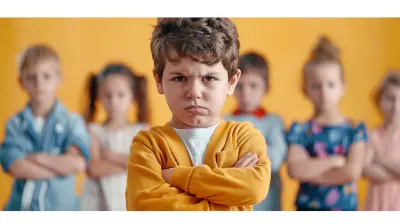
Encouraging Your Child to Take Ownership of Their Actions
14 March 2026
Raising responsible kids isn’t just about teaching them right from wrong—it’s about helping them understand the consequences of their choices. When children learn to take ownership of their actions, they develop integrity, problem-solving skills, and a sense of accountability that serves them well in adulthood.
But let’s be honest—it’s not always easy. Kids (and, let’s face it, adults, too) have a natural tendency to deflect blame. "It wasn’t me!" or "She started it!" sound familiar? Encouraging responsibility takes patience, persistence, and a little bit of strategy. So, how do we make it happen? Let’s dive in.
Why Taking Ownership Matters
Before we jump into the how, let's talk about why this skill is so crucial.- Builds Character – When kids take responsibility for their actions, they develop honesty, integrity, and dependability.
- Encourages Problem-Solving – Instead of looking for someone else to blame, they figure out ways to fix their mistakes.
- Strengthens Relationships – People respect those who own up to their actions. Whether it's friends, teachers, or future employers, accountability builds trust.
- Prepares Them for the Real World – Life is full of consequences. Learning how to accept and deal with them early sets kids up for success later on.
Now that we know why it matters, let’s explore how we can help our kids take responsibility for their choices.
1. Lead by Example
Kids are like little sponges—they pick up everything, including how we handle our own mistakes. If we mess up (and we all do), owning it can be a powerful teaching moment.For example, if you accidentally forget an important commitment, say, "I made a mistake, and I take responsibility for it. I’ll make sure to do better next time." This shows kids that even adults make mistakes, and, more importantly, it’s okay to admit them.

2. Help Them Understand Consequences
Children don’t always connect actions with outcomes. If they spill juice on the carpet and you immediately clean it up, they might not realize the impact of their carelessness. Instead, involve them in the resolution.Say, "Oops! That’s a mess. Let's grab a towel and clean it together." This simple act helps them see that actions have consequences—and that they play a role in making things right.

3. Avoid Immediate Rescue
It’s natural to want to protect our kids from discomfort, but constantly bailing them out doesn’t help them grow.If your child forgets their homework at home, resist the urge to rush it to school. Let them experience the small consequences. A missed assignment now is better than a missed deadline at their first job.
4. Use “I” Statements
Blame triggers defensiveness, and when kids feel attacked, they shut down. Instead of saying, "You're so careless! You never put your toys away," reframe it with an “I” statement:"I feel frustrated when toys are left on the floor because they could get broken. Let’s figure out a way to make clean-up easier."
This shift encourages accountability without making them feel like they’re under attack.
5. Encourage Problem-Solving
Rather than doling out punishments, guide kids toward solutions. If they’ve wronged a sibling, ask, "How do you think we can make this right?"This teaches them to think critically about their actions and take steps to correct missteps.
6. Celebrate Honesty
If your child admits to a mistake, don’t react with anger. Instead, reinforce that telling the truth is the right path.For instance: "I really appreciate that you told me the truth. That took courage. What do you think we should do to fix it?"
By focusing on honesty rather than punishment, kids become more willing to take ownership in the future.
7. Teach Self-Reflection
Encouraging kids to pause and reflect helps them internalize lessons. Ask open-ended questions like:- "What happened?"
- "What could you have done differently?"
- "What can you do next time?"
Guiding kids to analyze their choices empowers them to make better decisions in the future.
8. Praise Responsible Behavior
Kids thrive on positive reinforcement. When you notice them taking responsibility, acknowledge it.- "I saw that you admitted your mistake and fixed it. That was very responsible!"
- "I love how you helped clean up even without being asked. That shows great ownership!"
Small affirmations like these encourage them to keep taking responsibility.
9. Be Patient and Consistent
Learning responsibility doesn’t happen overnight. Kids will backslide, make excuses, and sometimes resist accountability. But consistency is key.If they blame others today, gently guide them back to self-reflection. If they dodge responsibility tomorrow, remind them again. Over time, it will become second nature.
10. Set Clear Expectations
Make your expectations known. Kids do better when they understand what’s expected of them.For example, instead of saying, "Be responsible," be specific:
- "You are responsible for cleaning up your toys every evening before bedtime."
- "If you forget your homework, you’ll need to explain that to your teacher."
Clarity helps kids grasp what responsibility actually looks like in action.
What If They Keep Blaming Others?
If your child refuses to take ownership, don’t panic. Blaming is often a defense mechanism, especially when kids fear punishment or embarrassment.Here’s what to do:
1. Stay Calm – Getting frustrated only reinforces their defensiveness.
2. Ask Reflective Questions – "What part of this situation do you think you had control over?"
3. Model Responsibility – Continue showing them what accountability looks like through your own actions.
4. Give Them Time – Some lessons take longer to sink in. Keep reinforcing the message patiently.
Final Thoughts
Teaching kids to take ownership of their actions is one of the greatest gifts we can give them. It shapes them into responsible, honest, and capable individuals.Remember, it’s not about punishment—it’s about growth. By creating an environment where mistakes are learning opportunities rather than shameful events, we help our children gain the confidence to admit, own, and correct their actions.
And who knows? Maybe we adults can learn a thing or two along the way.
all images in this post were generated using AI tools
Category:
Building ConfidenceAuthor:

Zelda Gill
Discussion
rate this article
2 comments
Tessa Rodriguez
Great insights! Empowering kids to take ownership fosters responsibility, confidence, and essential life skills they’ll carry into adulthood.
March 25, 2026 at 5:31 PM
Zelda Gill
Thanks! I'm glad you found the insights valuable. Encouraging ownership truly makes a difference in a child's growth.
Selina Nelson
Empowering our kids to own their actions is non-negotiable. It builds resilience, responsibility, and character. Let’s ditch the excuses and foster accountability—because strong kids make strong adults.
March 14, 2026 at 5:50 PM
Zelda Gill
Absolutely! Encouraging ownership is key to developing resilience and character in children. Let's inspire them to be accountable for their actions!