Exploring National Parks with Kids: A Beginner’s Guide
11 June 2026
There’s something magical about stepping into the great outdoors, isn’t there? The rustle of leaves in the wind, the distant call of a bird, the sparkle of sunlight dancing on a stream—it’s like pressing the pause button on our hectic lives. But when you throw kids into the mix, you might wonder: “Is this going to be an epic adventure or a total meltdown waiting to happen?”
Let me tell you, exploring national parks with kids can be one of the most rewarding experiences for your family. Sure, there’s some planning involved (okay, a lot of planning), but the memories you’ll create? Totally worth it. Whether your little ones are toddlers who insist on bringing that one stuffed animal everywhere (even to the wilderness) or slightly older kids itching to earn a Junior Ranger badge, this guide has got you covered. 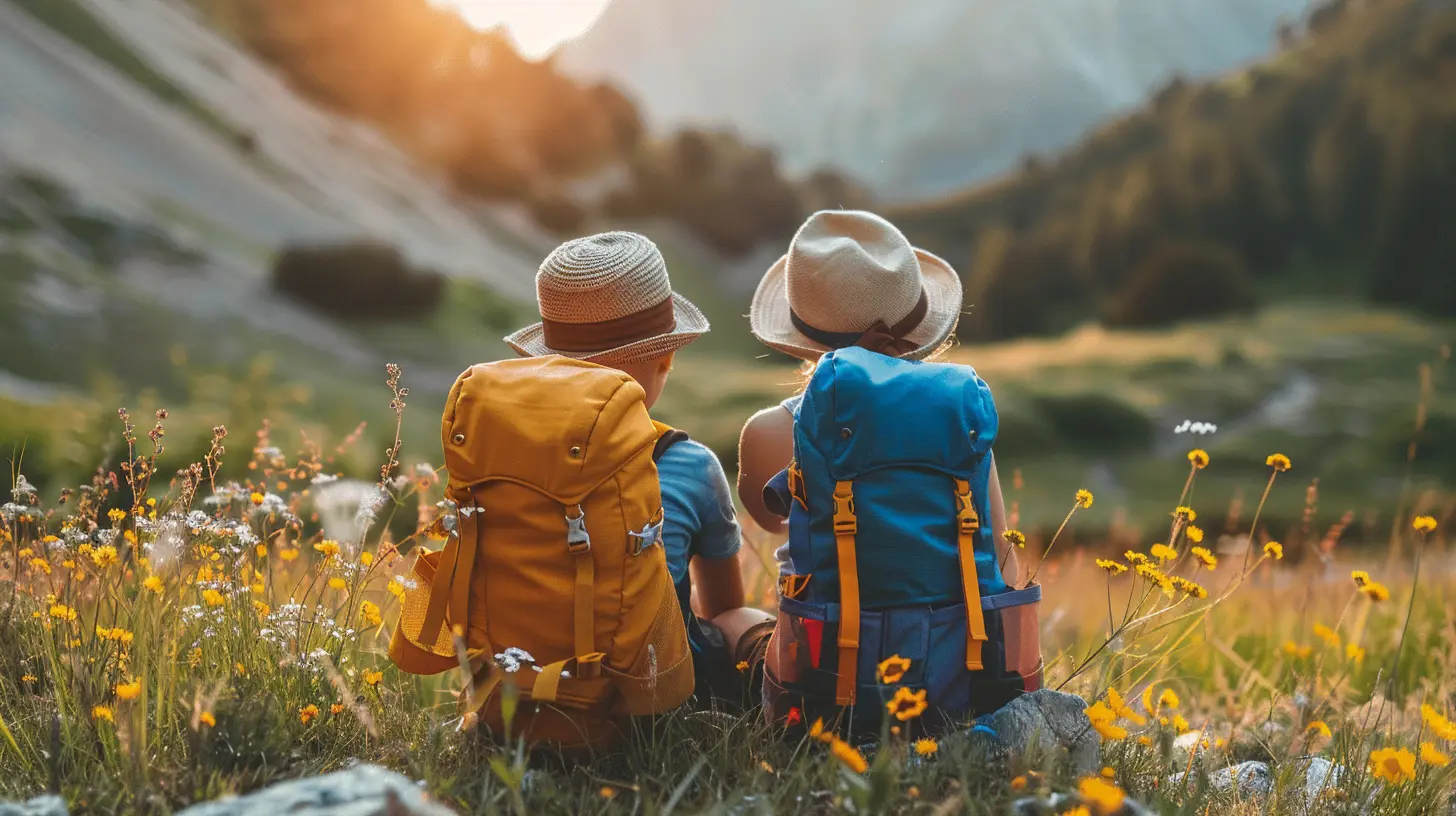
Why National Parks are Perfect for Families
Let’s start big: why choose national parks at all? It’s simple. They’re like nature’s classroom, brimming with opportunities to connect, learn, and grow. Forget about screens for a bit—national parks offer hands-on learning that no tablet can compete with.Kids get to see animals in their natural habitats, touch actual rocks (not virtual ones in a game), and breathe fresh air that smells like pine, not car exhaust. Plus, national parks are safe. They’re designed for visitors, so trails are marked, facilities are available, and rangers are on hand to help. It’s a win-win for everyone.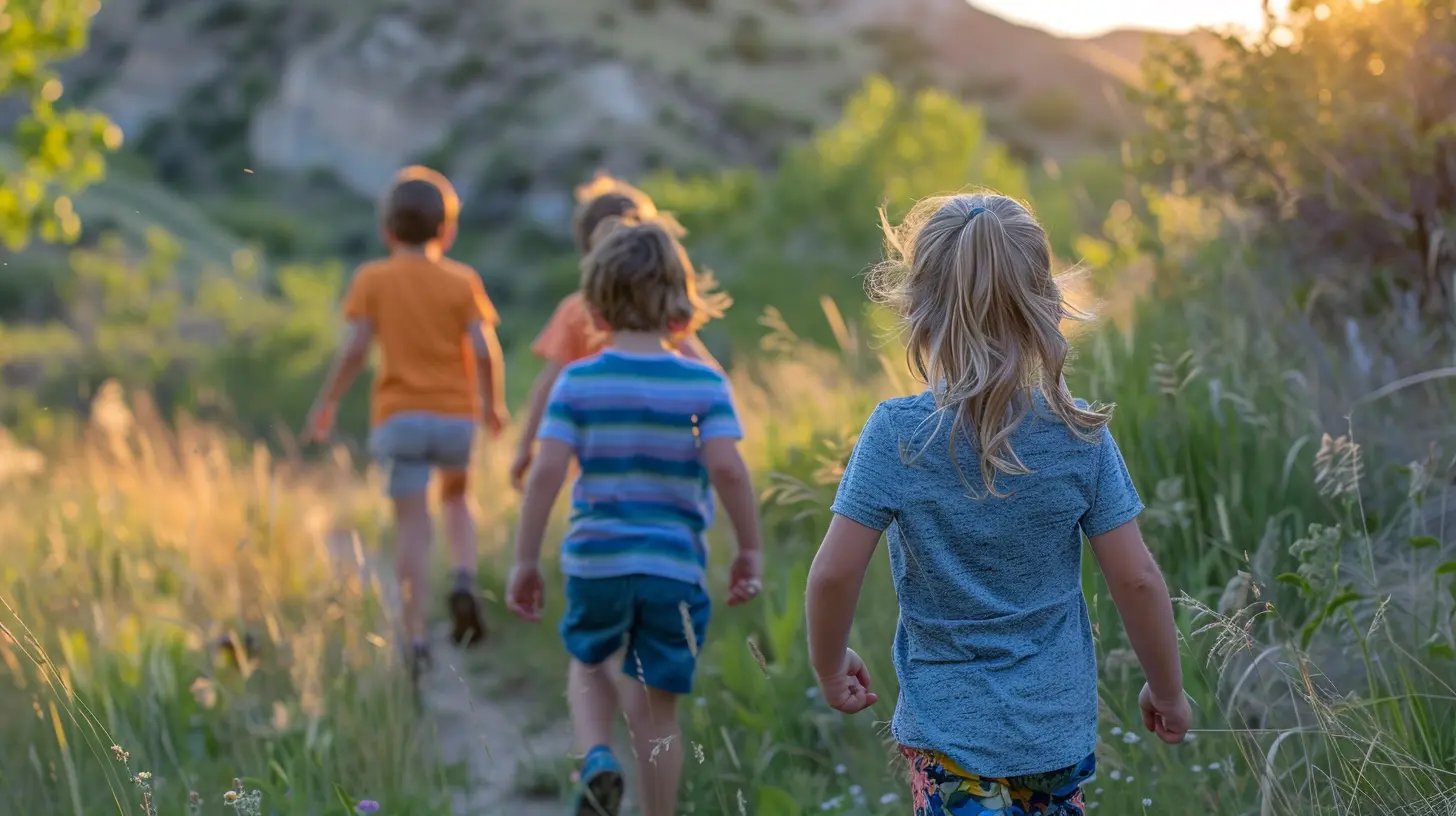
Planning Ahead: The Key to a Smooth Trip
I know, planning might not sound glamorous, but trust me—it’s essential. You don’t want to be “that family” on the trail whose kids are crying, everyone’s starving, and no one knows how far it is back to the parking lot. (Been there, done that. Zero stars. Do not recommend.)1. Pick the Right Park
Okay, first things first: not all parks are created equal when you’ve got kids in tow. Some parks, like Yellowstone or Acadia, are super family-friendly, with plenty of shorter trails, activity centers, and rest stops. Others? Not so much.Think about your kids’ ages and interests. Are they into animals? Choose a park known for wildlife, like Everglades or Yosemite. Ocean lovers? Try Olympic National Park or Cape Cod National Seashore.
2. Time it Right
Timing is everything. Avoid peak season if you can—crowds can make even the most patient kids (and adults) cranky. Early mornings or late afternoons are usually quieter. Oh, and always check the weather. Certain parks, like Death Valley, can be unforgiving if you visit at the wrong time of year. (Spoiler alert: Don’t go there in July with toddlers.)3. Plan Your Activities
Research trails and activities in advance. Look for ones labeled “easy” or “family-friendly.” Trust me, no one wants to hike seven miles uphill with a 4-year-old who insists on being carried the whole way.And don’t forget to check for ranger-led programs! Most parks have kid-focused activities like nature walks or storytelling sessions. Bonus: they’re educational and fun. 
Packing Essentials for Exploring with Kids
Let’s talk gear. You don’t need to pack like you’re climbing Mount Everest, but you do need a solid checklist. Here's what I recommend:1. Clothing Layers
Parks can be unpredictable—sunny one moment, chilly the next. Dressing your kids in layers is like giving them a weather-proof shield: a t-shirt, jacket, and hat should do the trick.2. Snacks, Snacks, and More Snacks
I cannot stress this enough. Snacks are the secret weapon of parenting, and this is doubly true on a trail. Someone’s going to get hangry, and instead of negotiating over the last granola bar, pack more than you think you’ll need. (Pro tip: single-serve packs avoid arguments over who got more.)3. Hydration
Kids get thirsty fast—probably faster than you think. Bring refillable water bottles for everyone. Some parks have refill stations, but not all, so plan accordingly.4. First Aid Kit
It doesn’t have to be fancy, but it should have band-aids, antiseptic wipes, and sunscreen. Blisters and bug bites are inevitable, and a small first aid kit can save the day.5. Kid-Friendly Gear
For younger kids, a sturdy carrier backpack can be a lifesaver if (okay, when) they get tired. Older kids might enjoy their own mini backpack—they’ll feel like explorers in training!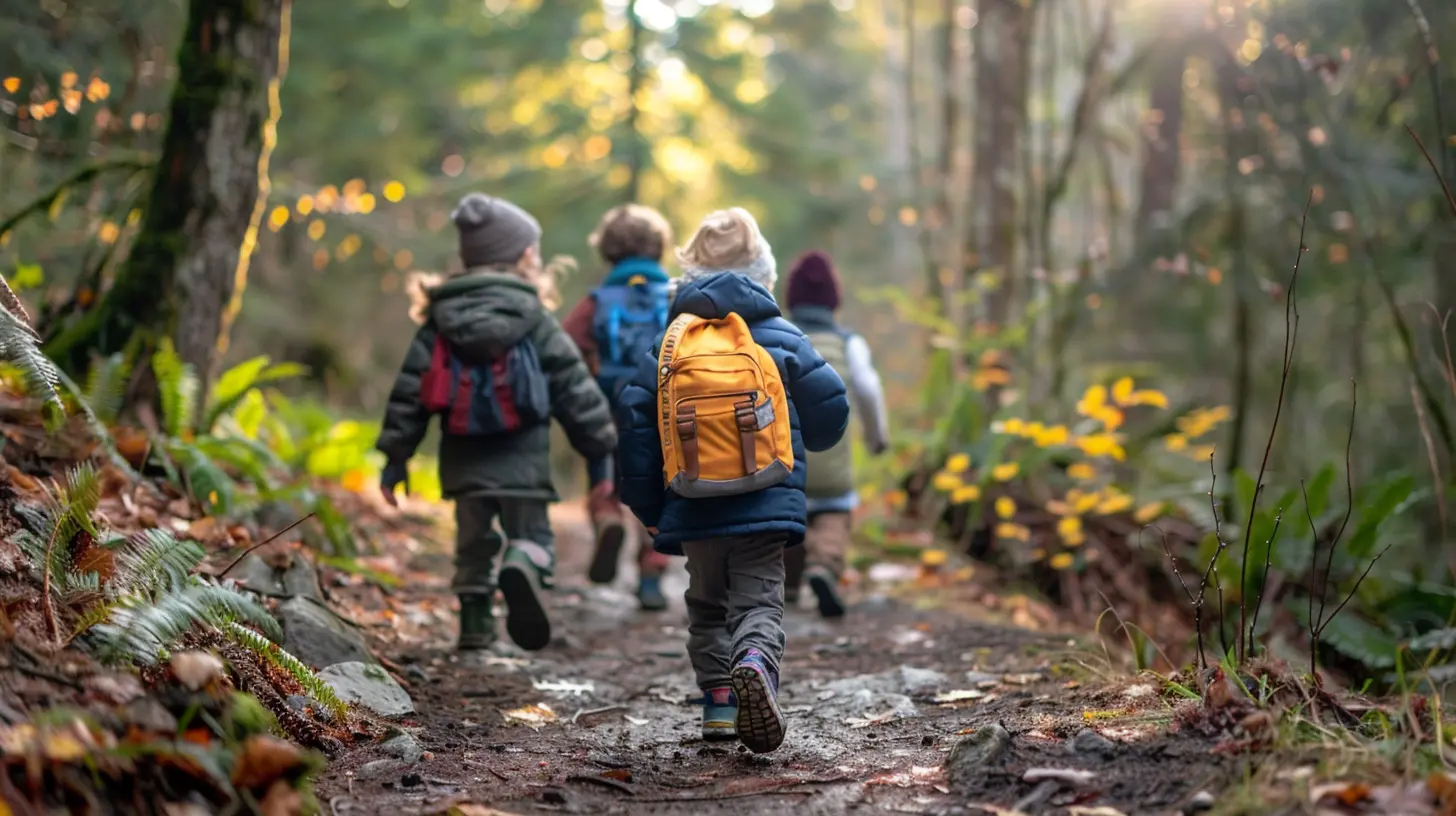
Tips for Keeping Kids Engaged
Let’s be honest: kids’ attention spans can sometimes be shorter than the line for coffee on a Monday morning. You’ll need to get creative to keep the “I’m bored” complaints at bay.1. Make it a Game
Kids love games, so turn the hike into a scavenger hunt! Give them a list of things to find—like a butterfly, a funny-shaped rock, or a wildflower. It’s amazing how far a little friendly competition can go.2. Take Breaks
Don’t push it. Plan for frequent breaks, whether it’s to admire a cool view, eat a snack, or just sit and rest those tiny legs. Little moments of downtime make a big difference.3. Junior Ranger Programs
Have you heard of these? Almost every national park has a Junior Ranger program where kids complete fun activities to earn a badge. It’s like Pokemon for nature lovers—gotta catch them all!4. Let Them Lead
Sometimes, kids just want to feel like they’re in charge. Let them choose which trail to take (from pre-approved options, obviously) or let them hold the map. It gives them a sense of ownership over the adventure.Common Challenges and How to Tackle Them
Let’s be real—it’s not all picture-perfect Instagram moments out there. But forewarned is forearmed, so here’s how to handle a few common challenges:1. Meltdowns
They happen, even in the most beautiful places. Stay calm, find some shade, and give your child a chance to regroup. Sometimes, all they need is a snack or some cool water.2. Lost Items
Nothing derails an outing like losing a favorite toy or water bottle. Designate a “base” spot in your backpack for must-have items and check periodically.3. Unexpected Weather
Rain, heat, wind—you name it. Always have a backup plan, whether it’s a nearby visitor center or a museum in town.Make It About the Journey, Not Just the Destination
One of the biggest lessons I’ve learned? Don’t get too caught up in ticking every box off your itinerary. Sometimes, the best memories are the unplanned ones—the giggles when your kid sees a squirrel for the first time, the stories they tell about skipping stones in a river, or the quiet moment you all share watching a sunset.There’s a saying I love: "The best view comes after the hardest climb." But with kids, I’ve realized the best views are often in the little things we experience along the way.
Wrapping It Up
Exploring national parks with kids isn’t just about seeing the sights—it’s about building connections. Connections with nature, with your family, and with yourself. It’s your chance to unplug, bond, and create stories you’ll laugh about for years to come.So, pack your bags, grab those snacks, and hit the road. Adventure is calling, and trust me, your kids will thank you for answering—even if they don’t say it right away.
all images in this post were generated using AI tools
Category:
Outdoor ActivitiesAuthor:

Zelda Gill
Discussion
rate this article
1 comments
Fenris Reynolds
As you wander through ancient trees and whispering winds, each step hides a secret waiting to be discovered. What stories will your kids uncover in the heart of nature's untouched beauty?
June 23, 2026 at 4:54 PM
Zelda Gill
Nature is full of wonders. Kids will find magic in every twist and turn, creating their own stories along the way.