Understanding School Anti-Bullying Policies: What Parents Should Know
25 May 2026
Bullying. Just the word itself is enough to make any parent’s protective instincts kick into high gear. In an ideal world, school would be a place where our kids learn, make friends, and thrive. But let’s be real—sometimes, it’s more like an emotional WWE match in the cafeteria.
That’s where school anti-bullying policies come in. But are they really as effective as they claim? How do they work? And, most importantly, what should parents actually know to help their kids navigate this complex issue? Let’s break it all down—without the boring legal jargon.
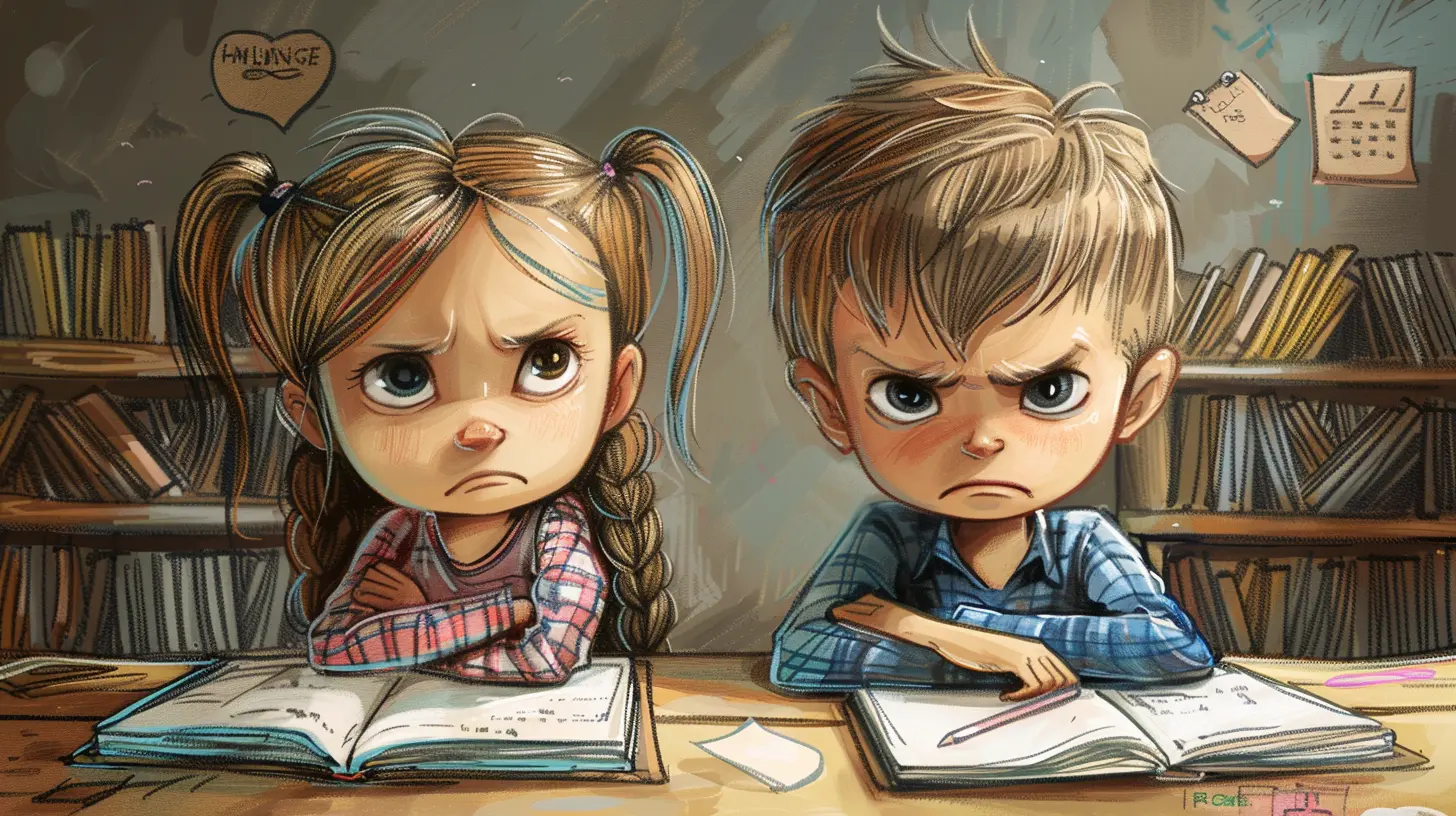
What Is an Anti-Bullying Policy?
Basically, an anti-bullying policy is the school's official rulebook for handling bullying. Think of it like the "terms and conditions" of school behavior—except this one actually matters.Most schools are required to have one, and it usually includes:
- A definition of what constitutes bullying (yes, stealing someone’s lunch counts)
- Rules on how bullying should be reported
- The punishment for bullies (no, they don’t get sent to a deserted island, unfortunately)
- How the school plans to prevent bullying in the first place
Sounds great in theory, right? Well, let's dig a little deeper.
How Schools Define Bullying (Because It’s Not Just Playground Punches)
A lot of parents picture bullying as the classic "give me your lunch money" scene from an old-school cartoon. But bullying has evolved—it’s sneakier, more digital, and sometimes even disguised as "just joking."Most schools define bullying as:
- Physical bullying – The obvious stuff: hitting, pushing, stealing, or damaging property.
- Verbal bullying – Insults, name-calling, and all those nasty comments that stick with kids forever.
- Social bullying (a.k.a. relational aggression) – Excluding someone from a group, spreading rumors, or turning friends against them (this one is especially common among tweens and teens).
- Cyberbullying – The modern nightmare. This includes online harassment, mean texts, or any form of digital torment.
Basically, if it makes a kid feel like absolute garbage and is repeated over time, it meets the definition of bullying. The issue is—does the school always treat it that way?

What Parents Should Look for in Their School’s Anti-Bullying Policy
Not all anti-bullying policies are created equal. Some are as solid as a concrete wall, while others have more loopholes than your toddler’s excuses at bedtime. Here’s what you should check for:1. Clear Reporting Procedures
If your child gets bullied, how do they report it? If the process is more complicated than assembling IKEA furniture, there’s a problem. Schools should have a simple, accessible way for students to seek help.2. Confidentiality for Reporting Students
Let’s be honest—kids don’t always report bullying because they fear retaliation. A good policy ensures their report is taken seriously and handled discreetly.3. How the School Investigates Cases
Does the school actually do something, or is it just a "let’s all be friends" talk? A strong policy should outline how staff investigates bullying complaints and what steps they take to resolve the issue.4. Consequences for Bullying
Are the punishments clear and consistent? Or is it one of those "depends on who you are" situations? There should be structured consequences that deter bullying rather than just a slap on the wrist.5. Preventative Measures
A good school isn’t just reactive—it’s proactive. Are they doing anything to stop bullying before it happens? Anti-bullying programs, social-emotional learning, and kindness initiatives are all signs of a solid policy.
How Parents Can Help Their Kids Navigate School Policies
Even the best anti-bullying policy is useless if kids don’t know how to use it. Here’s how you can guide your child:1. Teach Them to Recognize Bullying
Some kids don’t even realize they're being bullied. They might brush it off as "just joking" or feel like they’re overreacting. Let them know that if another student’s behavior makes them feel unsafe, embarrassed, or powerless—it’s not okay.2. Encourage Them to Report It
Assure your child that speaking up is not tattling. Reporting bullying isn’t about getting someone in trouble—it’s about making sure no one else gets hurt.3. Know When to Step In
Sometimes, schools don’t take action as quickly as they should. If you feel like your child’s complaints are being ignored, it’s time to swap out the "concerned parent" hat for the "advocate warrior" helmet. Talk to teachers, administrators, or even escalate the issue if necessary.4. Document Everything
If your child is being bullied, keep records—messages, emails, anything that provides proof. If the school drops the ball, having documentation makes it easier to push for action.5. Help Your Child Build Confidence
Bullies often target kids who seem vulnerable. Encourage your child to stand tall, use confident body language, and seek out supportive friends who’ve got their back.When the School’s Policy Isn’t Enough
Okay, so what if you’ve done everything by the book, but your child is still being bullied, and the school is moving at the speed of a sloth on vacation? Here’s what to do:- Request a formal meeting with school staff and ask for an action plan.
- Go above the school – If the principal isn’t helping, contact the school district or board.
- Check legal options – In severe cases, bullying that leads to harassment or physical harm may have legal consequences.
- Consider a school change – If the school is failing to protect your child, it may be time to explore other educational options.
The Role of Parents in Preventing Bullying
We can’t rely on schools alone—bullying prevention starts at home. Here’s how you can be part of the solution:- Model kindness and empathy – Your kids are always watching. If they see you treating others with respect, they’ll be more likely to do the same.
- Teach conflict resolution skills – Not every disagreement is bullying. Help your child learn the difference between mean behavior and everyday conflict.
- Encourage open conversations – Make sure your child knows they can always talk to you—without fear of judgment or punishment.
- Monitor their online activity – Cyberbullying is real. Keep an eye on their digital world just like you'd watch them in the real world.
The Bottom Line
School anti-bullying policies are great in theory—but they only work when schools, parents, and students take them seriously. While schools have a duty to protect kids, parents play a key role in making sure those policies aren't just words on a piece of paper.At the end of the day, the goal isn’t just to stop bullying—it’s to create a culture where kindness and respect aren’t the exceptions but the norm. Because, let’s be honest, middle school drama is tough enough without adding bullying into the mix.
all images in this post were generated using AI tools
Category:
Dealing With BullyingAuthor:

Zelda Gill
Discussion
rate this article
1 comments
Malia Fields
Thank you for this informative piece. It's crucial for us as parents to stay informed about anti-bullying policies to support our children effectively.
May 31, 2026 at 4:10 AM
Zelda Gill
I'm glad you found it helpful. Staying informed is key to supporting our kids. Thank you for your engagement!