Empowering Your Child to Speak Up Against Bullying
31 March 2026
Let’s get real—bullying isn’t just about kids being “mean” or going through a “phase.” It’s serious. It hurts. And the worst part? So many kids stay silent, scared of making things worse or being labeled a tattletale. That’s why as parents, it’s our job to raise confident, brave, and outspoken kids who know how to stand up for themselves—and for others.
This article is your go-to guide for empowering your child to speak up against bullying. No complicated advice here. Just practical tips, heartfelt encouragement, and straight talk you can actually use.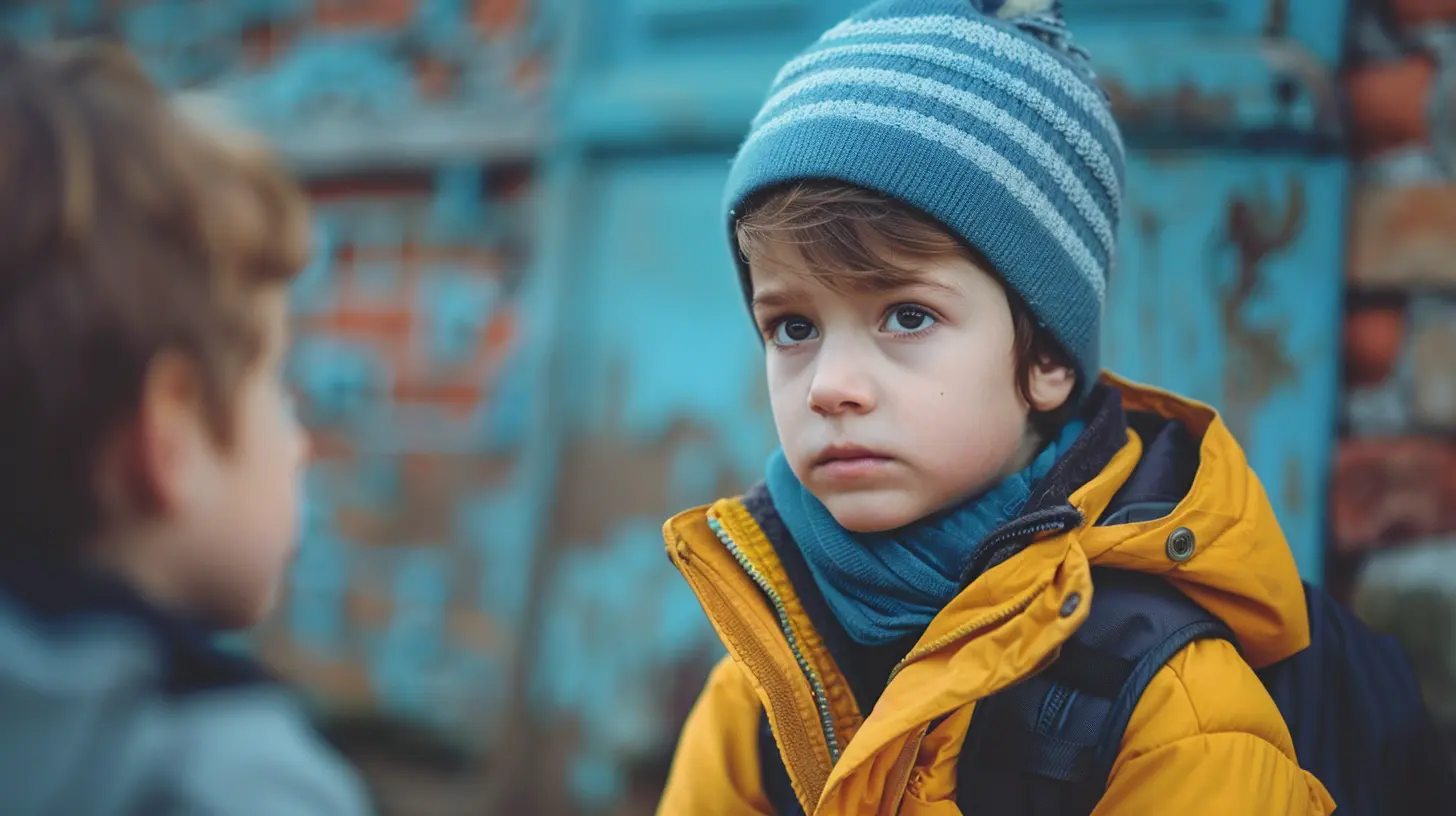
What Counts as Bullying—And Why It Matters
First, let’s break it down. Bullying isn’t always a black eye or a stolen lunch. It can be sneaky:- Verbal bullying – name-calling, teasing, insults
- Social bullying – exclusion, spreading rumors, public humiliation
- Physical bullying – hitting, pushing, or any kind of physical harm
- Cyberbullying – hurtful messages, posts, or content online
Kids can be cruel sometimes, sure. But consistent, repeated actions that harm or intimidate? That’s bullying. And it takes a toll—on confidence, mental health, and even academic performance.
So what do you do? You make sure your child knows they have power—that their voice matters.
Why Kids Stay Silent
You might be wondering, “Why doesn’t my child just tell someone?”Here’s the thing: Kids often keep bullying to themselves because…
- They feel ashamed or embarrassed
- They think it’s their fault
- They’re afraid of retaliation
- They don’t think the adults will believe them or do anything
- They don’t want to “snitch” or make a big deal out of it
Sound familiar? The silence is a defense mechanism. But it's also where change must start.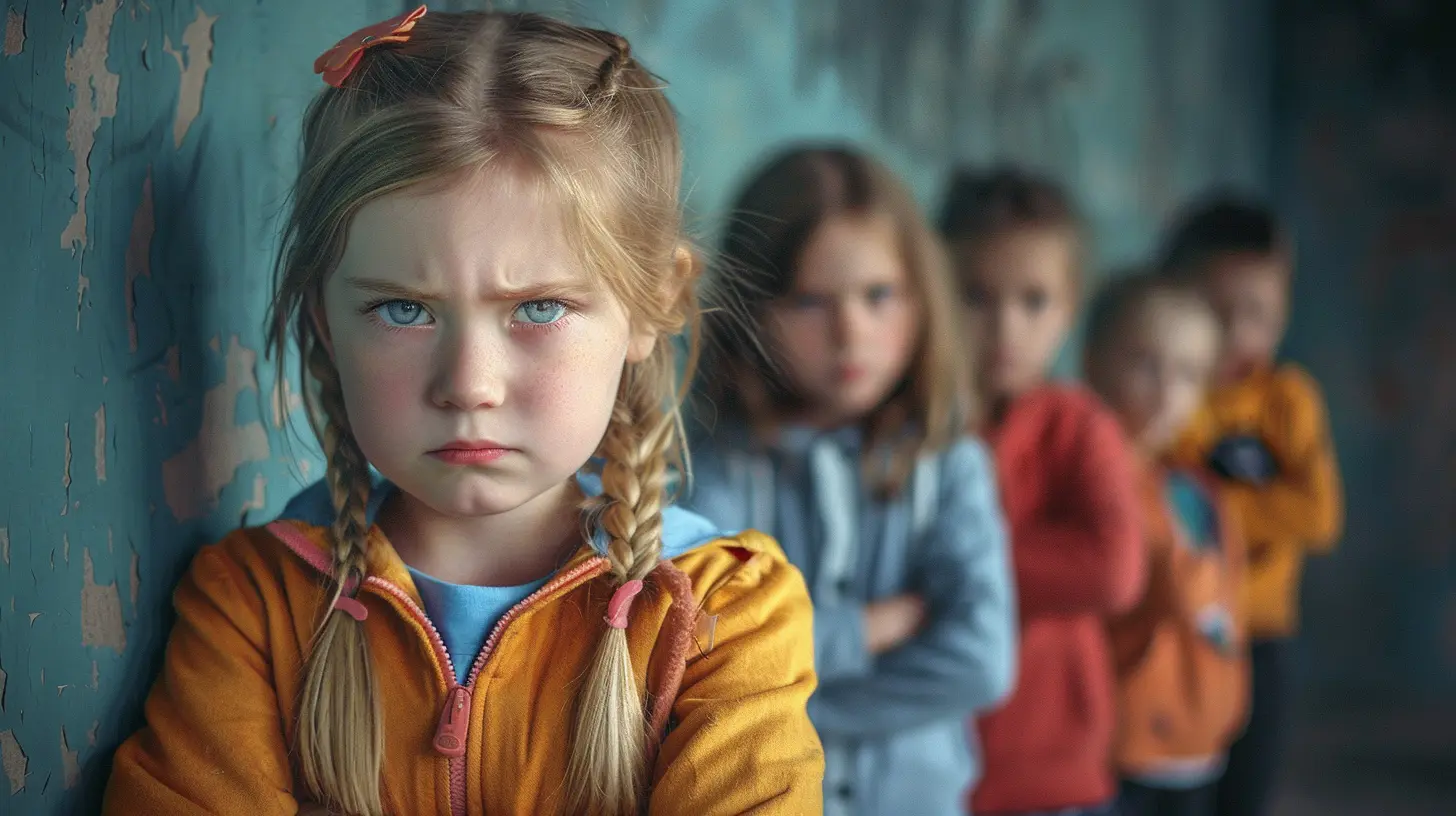
How to Create a Safe Space at Home
Let’s be honest—kids won’t open up if they don’t feel safe. Your home should be their emotional safe zone.Here’s how to build that:
1. Start the Conversation Early
Don’t wait until something bad happens. Start talking about bullying in age-appropriate ways as early as preschool. Use books, TV shows, or stories to prompt the conversation._"Hey, how would you feel if someone said that to you?"_
_"What would you do if you saw that happen at school?"_
Keep asking. Keep listening.
2. Make Communication Routine
Instead of interrogating your child after school, create space for casual check-ins. Dinner, car rides, bedtime—these moments are golden.Talk about highs and lows of the day. If they know you're always there to listen (without overreacting), they'll be more likely to share the tough stuff.
3. Stay Calm and Composed
If your child tells you they’re being bullied, don’t freak out. Yep, it’s hard not to. But they need you to stay grounded and focused.You’re their anchor. Be supportive, ask questions, and validate their feelings:
_"That sounds really hard. I’m so proud of you for telling me."_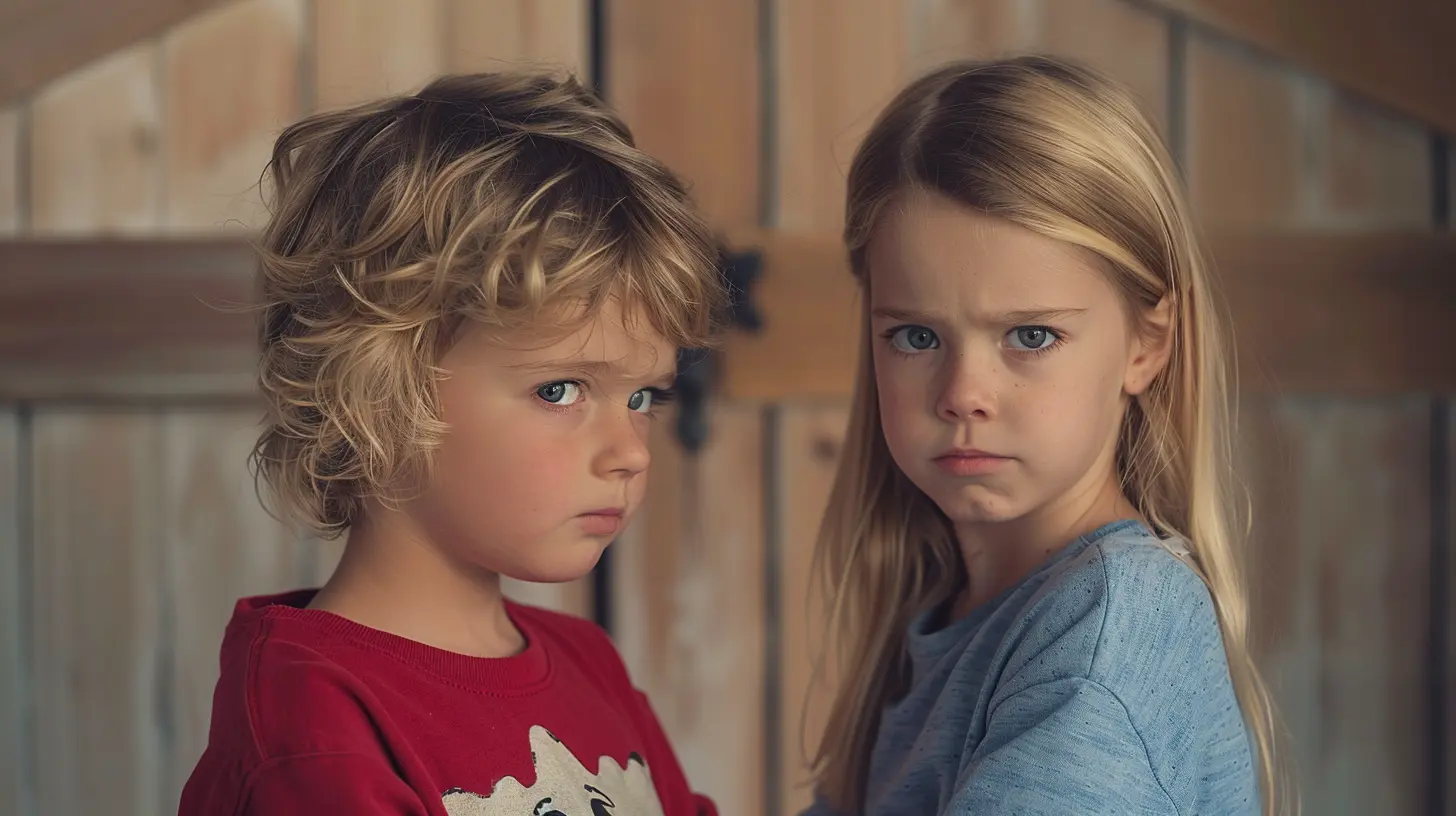
Building Confidence from the Inside Out
Bullies prey on those who seem uncertain or vulnerable. That’s why confidence is your kid’s secret weapon.Let’s talk strategy.
1. Encourage Independence
Give your child small responsibilities—choosing their clothes, packing their lunch, walking the dog. These teach decision-making and build their sense of autonomy.A kid who believes in their ability to handle everyday stuff is more likely to believe they can handle bigger challenges too.
2. Help Them Find Their “Thing”
Whether it’s art, sports, music, coding, or chess—every child shines somewhere. Support their interests. When they feel proud of who they are, they’re less likely to be shaken by someone else’s opinion.3. Model Positive Self-Talk
Kids learn by watching. If you constantly say things like, “I’m so stupid,” or “I can’t do anything right,” guess what? They absorb it.Instead, show them how to be kind to themselves. Out loud.
_"That was tough, but I did my best."_
_"I'm learning something new every day."_
Teaching Assertiveness (Not Aggression)
There’s a big difference between being assertive and being aggressive. Assertiveness is about standing your ground—with respect.Here’s how to teach it:
1. Role-Play Scenarios
Practice makes perfect. Sit with your child and walk through possible bullying situations. What could they say? How should they stand?Examples:
👎 Passive: “Okay… whatever.”
👍 Assertive: “Stop that. I don’t like it.”
Body language matters too—shoulders back, eye contact, calm voice.
2. Teach the Power of “I” Statements
“I” statements take the blame game out of it. They focus on your child’s feelings and make the message clear.Instead of “You’re mean,” they can say:
“I feel upset when you call me that. Please stop.”
It’s simple, respectful, and effective.
3. Emphasize Boundaries
Your child needs to know they have every right to say no, walk away, and ask for help. That isn’t weakness—it’s strength.Reinforce this: _“You don’t have to accept mistreatment. Ever.”_
The Role of Friendships
Bullies love isolation. That’s why having a strong social circle can act like armor.1. Help Your Child Build Social Skills
Some kids are naturally outgoing. Others need a little help. Teach them how to start conversations, listen actively, and join group activities.Friendships don’t guarantee safety—but they make your child less of a target and give them allies.
2. Encourage Empathy and Inclusion
Show your child what it means to be a good friend—and how to help others who might be struggling. When your child stands up for someone else, they reinforce their own strength, too._"If you see someone sitting alone, invite them to join."_
_"If someone’s being picked on, speak up or tell a teacher."_
Being kind isn’t weak—it’s courageous.
Working with the School
You’re not in this alone—at least, you shouldn’t be. Schools have a responsibility to protect students.1. Know the Policy
Every school should have an anti-bullying policy. Ask for a copy. Know the procedures, your rights, and what actions the school must take if bullying is reported.2. Document Everything
If your child is being bullied, start keeping records: dates, incidents, who was involved, and who you contacted.Documentation gives you credibility. It also holds everyone accountable.
3. Speak Up, Respectfully
Approach the teacher or principal calmly but firmly. Focus on solutions._"My child is being targeted, and it’s affecting their well-being. How can we work together to keep them safe?"_
Don’t let anyone downplay the issue. Your child deserves action—not empty promises.
When to Seek Outside Help
Sometimes, bullying leaves deep emotional scars. If you notice signs of anxiety, depression, sleep troubles, or changes in behavior, get help.There’s no shame in seeing a counselor or therapist. In fact, it can be life-changing.
Remind your child that asking for help is brave—not weak.
Empowering Bystanders, Too
Not every child is a target—but every child can make a difference. Teach your kids that if they see bullying, they shouldn’t just look the other way.They can:
- Speak up if it’s safe to do so
- Comfort the victim afterward
- Report the situation to an adult
When kids unite against bullying, it loses its power. That’s how real change begins.
Final Thoughts: You Have More Influence Than You Think
It’s easy to feel helpless watching your child navigate the social jungle of school. But here’s the truth: Your love, guidance, and support matter more than you know.When you empower your child to speak up against bullying, you’re not just keeping them safe. You’re raising a human who values respect, courage, and justice.
And trust me—those are the qualities the world needs a whole lot more of.
So keep talking. Keep listening. And never, ever let your child forget:
They are worthy. They are powerful. And they are never alone.
all images in this post were generated using AI tools
Category:
Building ConfidenceAuthor:

Zelda Gill
Discussion
rate this article
2 comments
Mia Sweeney
Empowering children to confront bullying is crucial for their emotional development. Teaching them to express their feelings and seek support fosters resilience. Open communication and role-playing scenarios can equip them with the confidence to stand up for themselves and others.
April 9, 2026 at 3:23 AM
Zelda Gill
Absolutely, fostering open communication and role-playing can make a significant difference. It's all about building that confidence for kids to stand up for themselves.
Katie Chavez
Empowering children to voice their concerns is crucial; it builds confidence and fosters a supportive environment against bullying.
April 4, 2026 at 3:09 AM
Zelda Gill
Thank you. Absolutely — giving children that voice is the foundation of both resilience and a safer community.