Bullying in the Early Years: What Parents Should Watch For
13 June 2026
Let’s face it—bullying isn’t just a high school thing. It can start much earlier than we think. Yep, even preschoolers can be bullies or victims of it. Shocking, right? As parents, we don't always expect to deal with bullying in the early years. We expect scraped knees and spilled juice, not teasing, exclusion, or meanness. But it’s happening, and we need to be aware.
In this article, let’s break it all down—what early bullying looks like, the signs to watch out for, and how you can help your little one manage it before it becomes a bigger problem.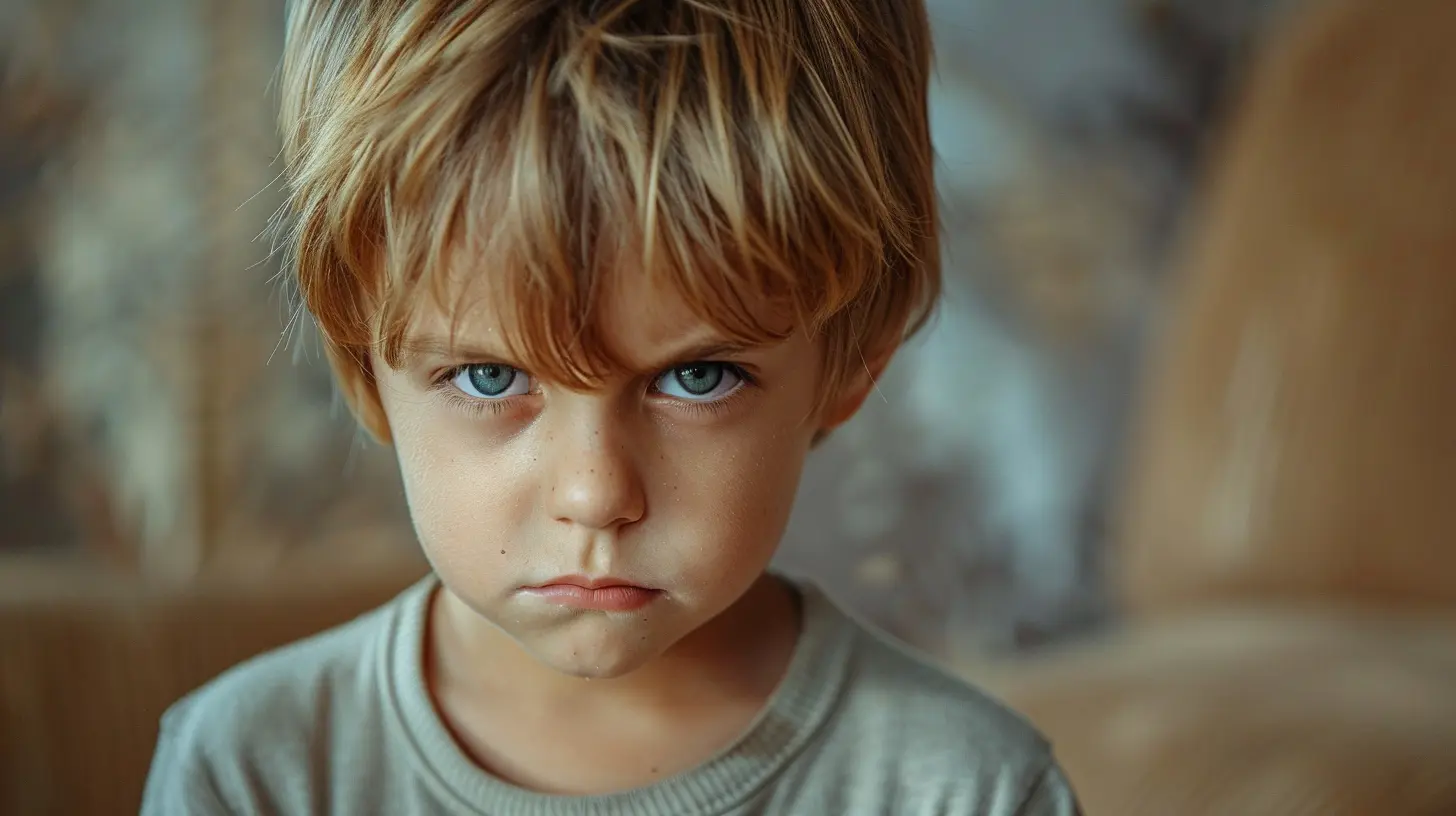
What Exactly Is Bullying in Early Childhood?
When you think of bullying, you probably picture name-calling or physical fights on the playground. But in the early years, it’s way more subtle. Kids this young are still figuring out how to interact with others, so the lines can get blurry.Early childhood bullying is repetitive, intentional harm—whether physical, verbal, or emotional. And yep, even a four-year-old can be intentional. The key is recognizing the pattern. A one-time scuffle over a toy? Totally normal. Constant targeting and exclusion? That’s bullying territory.
It can look like:
- Pushing or hitting
- Calling other kids names
- Leaving a child out of games or playtime on purpose
- Laughing at another child to hurt their feelings
- Manipulating friendships (aka, “You can’t play with us if you talk to her!”)
Why It Starts So Early
Honestly, it’s not just about “bad seeds” or mean kids. Little ones are watching and learning from everything—TV shows, adults, siblings, and yes, even us. They may mimic aggressive behavior to get attention, feel in control, or because they don't yet know how to cope with big emotions.Kids also pick up on social hierarchies early. In group settings, they sometimes try to climb the “social ladder” by putting others down. It’s not okay, but it is common—and that’s why we need to nip it in the bud.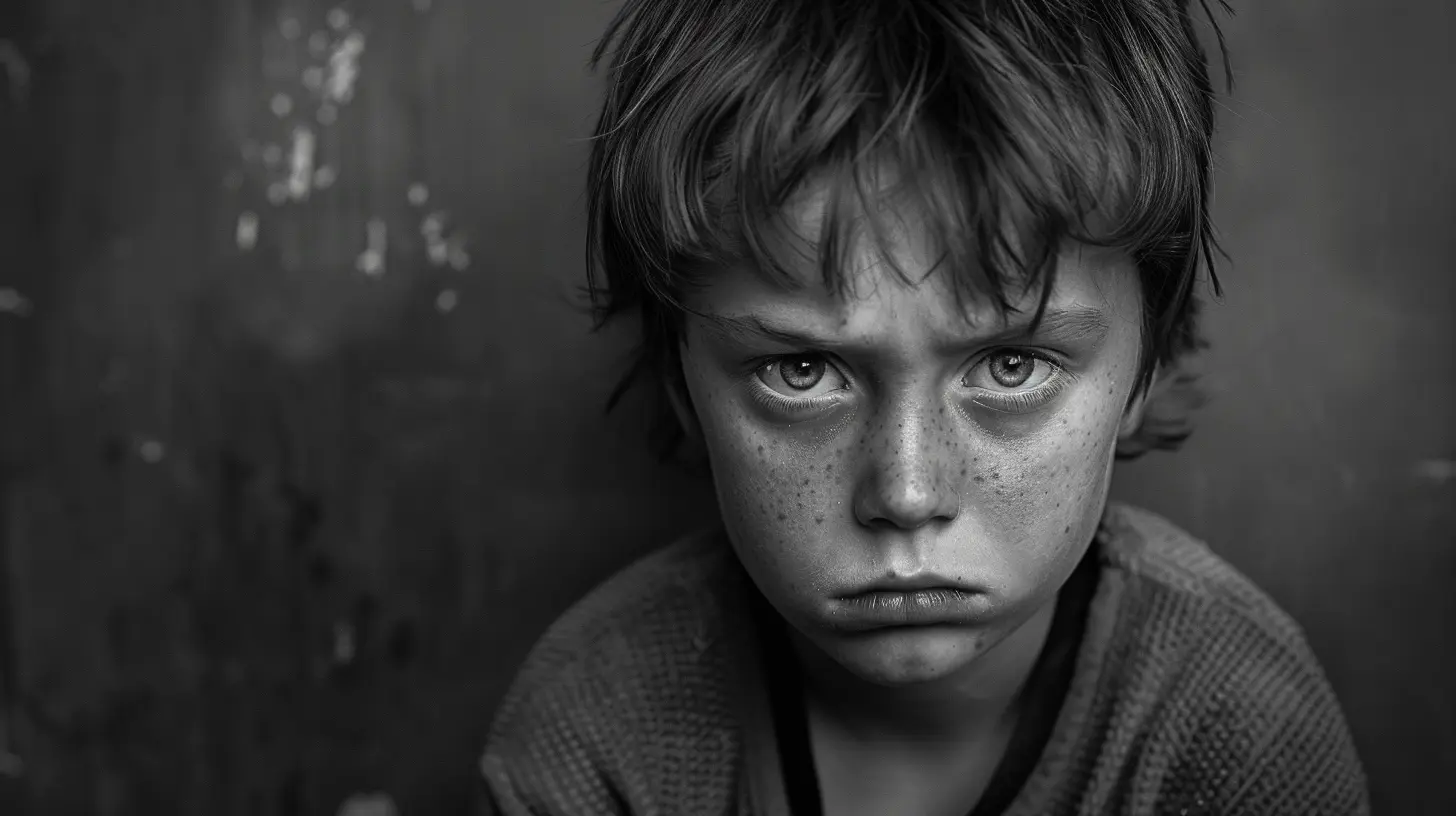
Key Signs Your Child Might Be Getting Bullied
Kids don’t always come home saying, “Someone bullied me today.” Sometimes, they don’t even have the words to explain what’s happening. You’ll need to play detective.Here’s what to look for:
1. Sudden Changes in Behavior
Did your usually bubbly kid suddenly go quiet or withdrawn? That could be a red flag. You might notice:- They don’t want to go to preschool or daycare.
- They’ve become clingy or anxious.
- They have frequent mood swings or tantrums that feel “off.”
2. Physical Signs
We’re talking unexplained bruises or scratches. Kids roughhouse, sure—but if there’s a pattern and they hesitate to explain how it happened, something might be up.3. Sleep Issues or Nightmares
Bullying affects kids emotionally. Anxiety might lead to bad dreams, trouble sleeping, or even bedwetting in kids who had already outgrown it.4. Loss of Interest
Did your little one stop wanting to play with certain toys or talk about their friends? This could be a subtle sign that social play has become a source of stress.5. Changes in Eating Habits
Some kids lose their appetite when they're upset. Others might overeat for comfort—yes, even at age 5. Pay attention to changes here.
Signs Your Child Might Be the Bully
Okay, this one’s tough. No parent wants to imagine their child bullying others. But awareness is better than denial. Catching it early lets you guide them toward better behavior.Watch for:
- Frequent bossiness or need to control others during play
- Enjoyment from upsetting others (like if they laugh when someone cries)
- Being overly competitive or needing to “win” at everything
- Excluding other kids or dictating who can/can’t join in
- Not taking responsibility and frequently blaming others
The earlier you recognize this, the easier it is to correct. Remember, bullying behavior doesn’t mean your child is a “bad kid”—it just means they need help learning empathy and communication.
What Causes Early Childhood Bullying?
There's no one-size-fits-all answer here. But some common factors include:1. Family Dynamics
Children who experience harsh discipline, neglect, or aggression at home may model that behavior with their peers.2. Lack of Social Skills
Some kids just haven’t learned how to ask nicely for what they want—or how to handle frustration.3. Environmental Influences
TV, games, or even older siblings can expose children to aggressive or manipulative behavior.4. Desire for Power or Attention
If a child feels helpless in some areas of life, they might exert control over others to feel powerful.How Parents Can Help: If Your Child Is Being Bullied
Take a deep breath. This is hard stuff, but you’re not alone—and you’re not powerless.1. Open the Door for Conversation
Start slow. Instead of asking, “Are you being bullied?” try:- “Who did you play with today?”
- “Did anything happen that made you feel sad?”
- “Is there anyone at school who isn't kind to you?”
Make this a regular part of your chats, so it doesn’t feel intimidating.
2. Validate Their Feelings
Never downplay their experience. Saying “Just ignore them” or “That’s part of growing up” can be deeply hurtful. Instead, say something like:- “That sounds really tough. I’m so proud you told me.”
3. Strengthen Their Confidence
Enroll them in activities where they can shine—dance, art, sports. When kids feel good about themselves, they’re less likely to be targeted and more likely to speak up.4. Speak With Teachers or Caregivers
They might not be aware of what's happening. Share your concerns calmly and ask them to monitor interactions. Most schools have a policy—even for toddlers.5. Teach Assertiveness
Teach your child simple phrases like:- “Please stop, I don’t like that.”
- “That’s not kind.”
Role-play different situations, so it becomes second nature.
What To Do If Your Child Is the Bully
Again—deep breath. This isn’t a reflection of your parenting; it’s a parenting opportunity.1. Don’t Shame Your Child
They need your guidance, not your anger. Ask open-ended questions like:- “What were you feeling when that happened?”
- “How do you think that made them feel?”
2. Set Clear, Consistent Boundaries
Let them know that hurting others—physically or emotionally—is never okay. Build in consequences and follow through calmly.3. Model Kindness at Home
Kids mirror what they see. Practice kindness, empathy, and active listening in your daily life.4. Praise Positive Behavior
Catch them being good. Praise when they share, use kind words, or include others.5. Get Professional Help if Needed
Sometimes bullying is a sign of deeper emotional or behavioral issues. A child therapist can help both your child and you work through it.Teaching Empathy Early: Your Secret Weapon
Empathy is like a muscle—it grows with use. The earlier you start nurturing it, the better. Here are some simple ways to raise kind, compassionate kids:- Read books about feelings and friendships.
- Label emotions: “You look upset. Are you sad?”
- Encourage them to think about how others feel.
- Celebrate diversity—show them how differences make us awesome.
- Create a home environment where kindness is the norm.
The Long-Term Impact of Early Bullying (And Why It Matters Now)
Here’s the thing: bullying in early childhood isn’t just a phase. For the victim, it can impact their self-esteem, academic performance, and relationships. For the bully, unchecked behavior can snowball into more serious aggression later on.Addressing it now sets the foundation for healthier relationships—with peers and themselves—down the road.
When to Seek Outside Help
If things feel out of hand, and you’ve tried all the standard steps—reach out. Child psychologists, parenting coaches, or trained counselors can provide insight and strategies tailored to your child.And if the school isn’t stepping up? It’s okay to advocate hard for your child. Your voice matters.
Final Thoughts
Bullying in the early years might feel like something you shouldn’t have to deal with yet—but here you are. The good news? You’ve got this. You’re your child’s biggest advocate, greatest teacher, and strongest supporter.Keep the lines of communication open. Model kindness. Step in when needed. And above all—trust your gut. Young children may not say it outright, but they’re counting on you to help them feel seen, safe, and supported.
all images in this post were generated using AI tools
Category:
Dealing With BullyingAuthor:

Zelda Gill
Discussion
rate this article
1 comments
Anastasia Larsen
This article highlights important signs of bullying that parents should recognize early on. By fostering open communication and teaching empathy, we can help children navigate these challenges. Awareness and proactive engagement are key. It's crucial for parents to trust their instincts and seek help if needed for their child's well-being.
June 22, 2026 at 2:45 AM
Zelda Gill
Thank you for your thoughtful comment. Open communication and empathy are indeed vital in addressing bullying early on. It's all about creating a supportive environment for our kids.