Why It's Important to Know Your Child's Friends: Preventing Bullying
15 March 2026
As parents, we’re constantly juggling a million responsibilities. Between managing work, home, and the never-ending to-do list, it’s easy to assume that if your child is doing well in school or seems happy at home, everything must be fine. But there’s one often-overlooked area that can impact your child’s emotional and mental well-being more than you might think — their friendships.
Yep, you read that right. The friends your child spends time with can either lift them up or slowly pull them down. And when it comes to bullying — whether your child is the target, the bystander, or even unknowingly part of the problem — knowing who their friends are can make all the difference.
Let’s break down why this is so important and what you, as a parent, can do about it.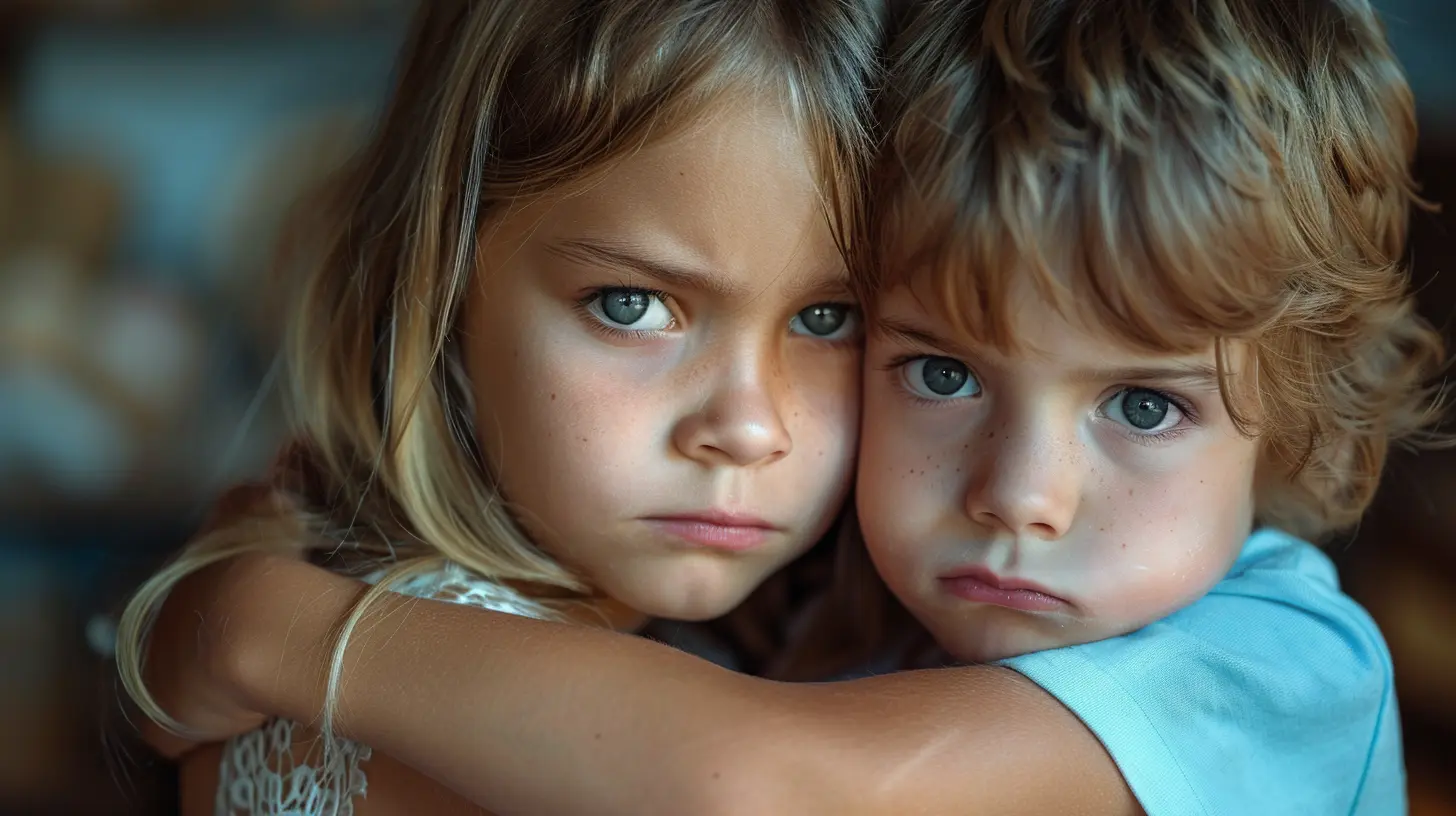
Understanding the Power of Peer Influence
Let’s face it, kids are impressionable. And during their school years, peers often become a stronger influence than parents — at least for a time.Think of your child as a sponge. They soak up behaviors, language, values, and attitudes from those around them. If they’re surrounded by supportive, kind friends, they’re likely to mirror that behavior. But if their circle includes bullies, enablers, or kids who just make poor choices, your child might start walking down a dangerous path — without even realizing it.
So, knowing who your child is hanging out with isn’t just being nosy — it’s being proactive.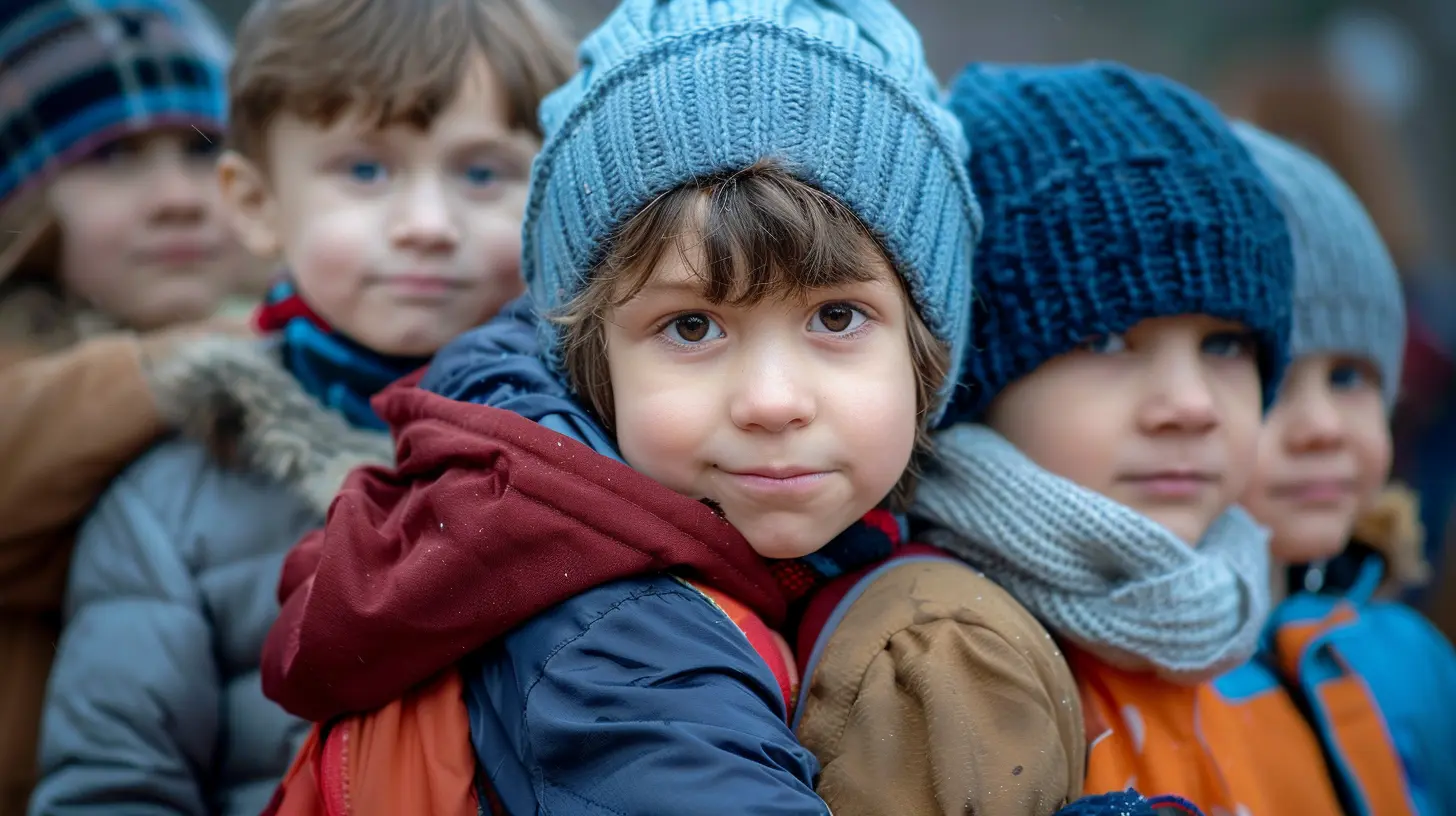
Bullying Isn’t Always Obvious
We often think of bullying as black eyes, harsh words, or lunchroom humiliation. But it can be sneakier than that. Emotional manipulation, exclusion, sarcastic “jokes,” or even social media mind games — all of these fall under bullying too.If your child is in a group where bullying is normalized — even if they’re not the victim — the effects can still be damaging. At best, your child learns to look the other way. At worst, they might start participating just to fit in.
But if you know their friends, you have more insight and more opportunities to intervene early.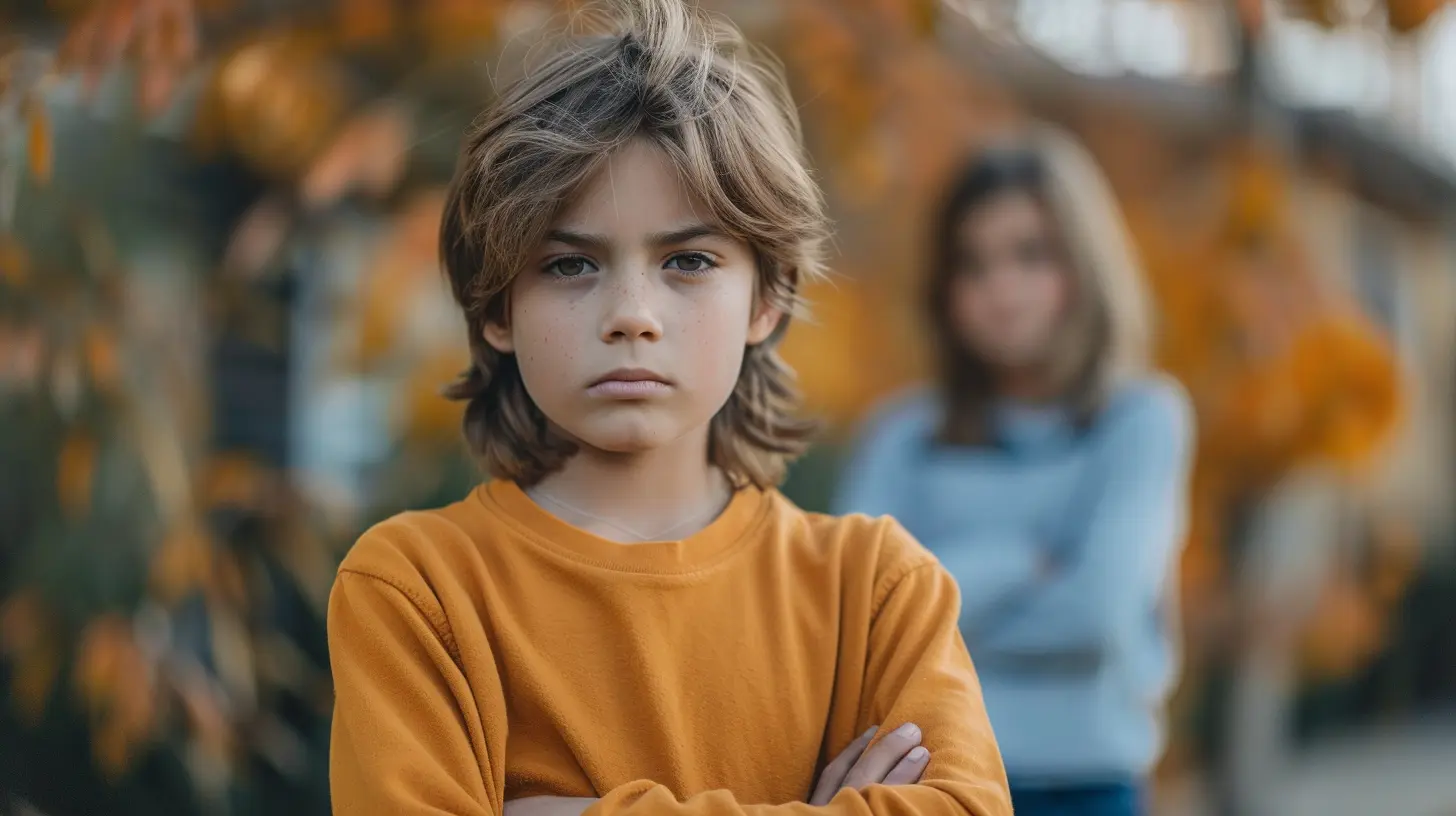
Signs Your Child May Be In a Toxic Friendship Group
Not sure where to start? Let’s look at a few red flags that may indicate your child’s friend group isn’t the healthiest:- They're suddenly withdrawn or moody after hanging out with friends
- They seem anxious about social events or school
- They drop old friends without explanation
- They mimic negative or aggressive behavior they didn’t have before
- They get secretive about who they’re spending time with
- You notice them constantly checking their phone, especially with visible stress
These little signs can be breadcrumbs leading toward a bigger issue. Trust your gut — if something feels “off,” it often is.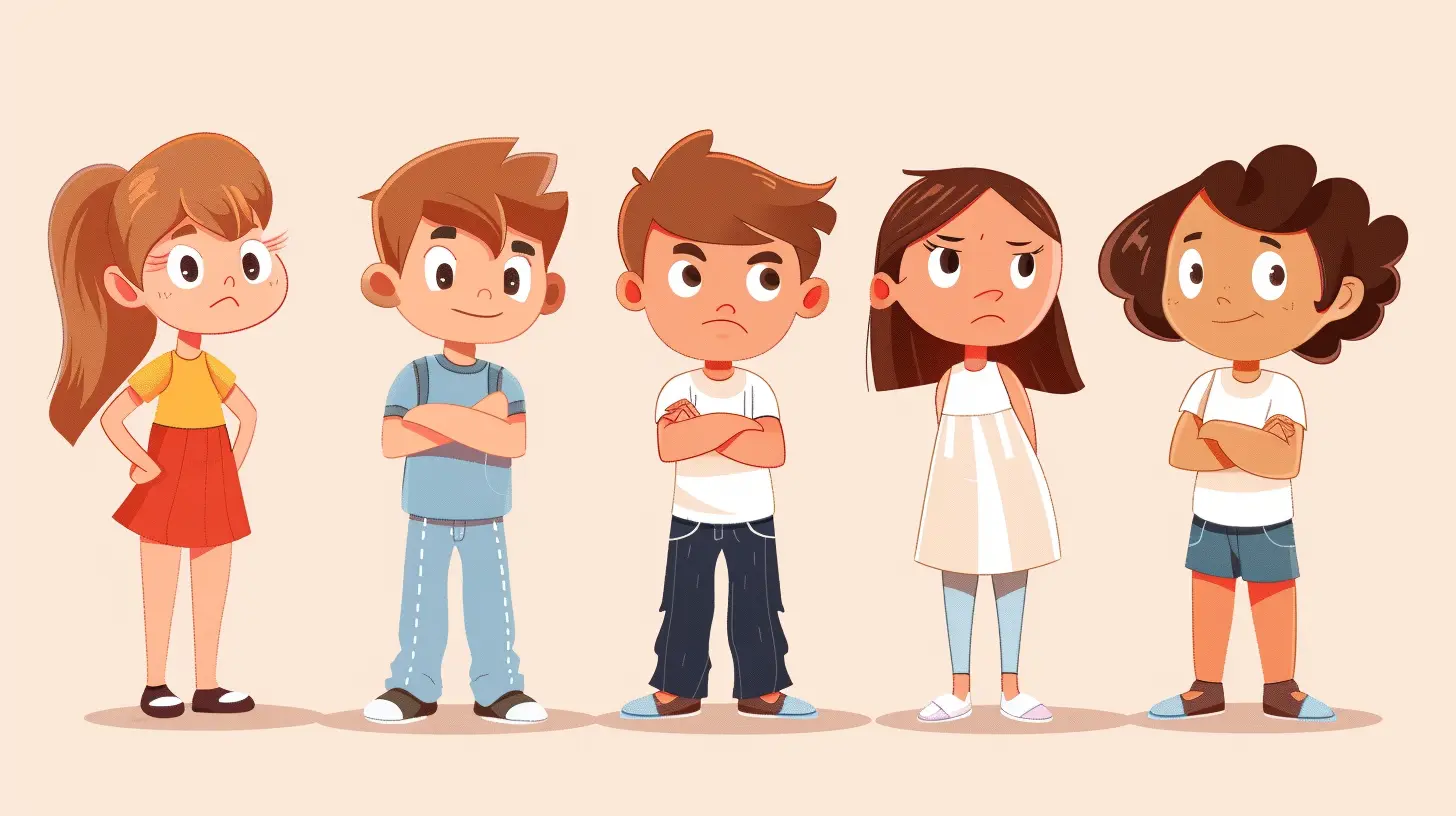
The Role of Friends in Bullying: The Good, the Bad, and the Ugly
Let’s dive deeper into how friends play different roles when it comes to bullying. Understanding these dynamics can help you have more productive conversations with your child.1. The Victim
Sometimes, your child may be on the receiving end of bullying — and might not even recognize it if it's subtle. Maybe their “friends” constantly make fun of their appearance or interests, and they laugh it off. But the damage adds up. Friends should build you up, not break you down.2. The Bystander
Even if your child isn't the one being bullied, being part of a group that allows it sends a strong message. Silence can be seen as approval. If a friend is being bullied and your child isn’t speaking up or seeking help, they’re caught in a tough moral bind.3. The Bully
Here’s a hard pill to swallow — your child could be the one doing the bullying. And it may not be intentional. Maybe they’re trying to fit in. Maybe they don’t realize how hurtful their words or actions are. That’s why knowing who they're with matters — behavior is contagious.Why Parents Don’t Always Know the Full Picture
It’s not that we don’t care. A lot of the time, we just don't know what questions to ask or our kids simply don’t open up. They might feel embarrassed, scared of getting their friends into trouble, or unsure how to explain what’s going on.That’s why building a strong relationship with your child — and their friends — is key.
Practical Ways to Get to Know Your Child’s Friends
No need to channel your inner spy. Getting to know your child’s friends can be pretty straightforward if you approach it right. Here are a few tried-and-true methods:Host at Home
Want a front-row seat into your child’s social life? Invite their friends over! Host pizza nights, game nights, or movie afternoons. It’s a low-stakes way for kids to hang out and for you to observe from the sidelines.You’ll get a feel for their personalities, how they talk to each other, and if there’s any concerning behavior.
Ask Casual Questions
Forget the detective-style interrogation. Try casual, open-ended questions like:- “Who did you sit with at lunch today?”
- “What’s [friend’s name] like?”
- “What do you usually do when you all hang out?”
These conversations create opportunities for insight without putting your kid on the defensive.
Connect with Other Parents
Community matters. Touch base with other parents from your child’s friend circle. You’d be amazed what you can learn just by sharing experiences and concerns.Talk About What Makes a Good Friend
This sounds simple, but it’s often overlooked. Sit down with your child and talk about what friendship should look like. Respect, support, kindness, honesty — these aren't just buzzwords. They're the foundation for healthy relationships.Ask them:
- How do your friends make you feel?
- Do you feel safe being yourself around them?
- Can you trust them?
Teach them that good friendships should feel like warm blankets, not emotional roller coasters.
Monitor Online Activity (Respectfully)
Ah yes, social media — the double-edged sword of modern parenting. It’s where a lot of bullying happens now, especially the subtle, passive-aggressive kind.You don’t need to stalk their every move, but keeping an eye on their digital interactions — with their knowledge — can help you spot red flags early.
Set healthy boundaries around screen time. Encourage open conversations about what they’re seeing or experiencing online. And revisit these often — kids outgrow your rules, and fast.
What to Do If You Suspect Bullying in Their Friend Group
So, what if something feels off? Don’t panic. Approach the situation calmly and keep these steps in mind:1. Talk Before You Act
Ask open-ended questions to get your child talking. Validate their feelings without jumping to conclusions.
2. Avoid Blaming
Your child might feel loyal to their friends, even if things are toxic. Avoid phrases like “Why would you hang out with someone like that?” Instead, ask, “How did that make you feel?”
3. Offer Tools, Not Just Rules
Give them ways to set boundaries, stand up for themselves, or seek help. Roleplay if needed. It might feel silly, but it works!
4. Loop in the School If Necessary
If the issue is serious or ongoing, don’t hesitate to involve teachers or counselors. They’re there to help.
Long-Term Benefits of Knowing Your Child’s Friends
Let’s end on a high note. Being aware of who’s influencing your child isn’t just a “bully-prevention” tactic — it’s foundational parenting.When you’re involved:
- You build stronger trust with your child
- You can spot and address issues before they explode
- You help shape their character and confidence
- You support their ability to form meaningful, healthy relationships
- You teach them what respect and kindness actually look like in action
Think of it like gardening. If you want your child to grow into a strong, happy, resilient adult, you have to pay attention to what’s around them — including the other “plants” in their social “garden.”
Final Thoughts: It Takes a Village (And That Includes You)
Knowing your child’s friends isn’t about control — it’s about connection. Your child may roll their eyes when you ask who they’re texting or what their plans are, but deep down, they’ll feel safer knowing you care.Don’t underestimate the power of your presence. You’re not just a parent — you’re their guide, their anchor, and their first line of defense.
So stay curious. Stay involved. And keep those communication lines wide open. It's one of the best ways to keep bullying at bay — and to help your child thrive in a world that’s not always kind.
all images in this post were generated using AI tools
Category:
Dealing With BullyingAuthor:

Zelda Gill
Discussion
rate this article
2 comments
Ivy McDonough
Understanding your child's friendships is crucial for fostering a safe environment. By knowing their friends, parents can help identify negative influences and encourage healthy relationships, ultimately empowering children to navigate social challenges and stand against bullying with confidence and support.
March 27, 2026 at 3:34 PM
Zelda Gill
Thank you for your insightful comment! Understanding our children's friendships is indeed vital for nurturing a supportive environment and helping them navigate social challenges effectively.
Esme Snow
Understanding your child's friends helps prevent bullying and fosters positive relationships.
March 16, 2026 at 4:08 PM
Zelda Gill
Absolutely. Knowing your child's friends can create a supportive environment and help them navigate social challenges more effectively.