When Silence Isn't Golden: Encouraging Kids to Speak Out
23 June 2026
Let’s face it—parenting doesn’t come with an instruction manual. Most of us are just winging it, armed with coffee and Google searches at 2 AM. And while teaching kids to say “please” and “thank you” is on the list, one thing that often gets overlooked is teaching them to speak up—especially when it counts.
We often say, “silence is golden.” But is it really?
Well, not always. Certainly not when it comes to our little ones navigating big feelings, sticky situations, or even simple preferences. Teaching kids to find—and use—their voice isn’t just about making them great public speakers. It’s about helping them be confident, safe, and emotionally healthy humans.
So grab your cuppa, settle in, and let’s unpack this together.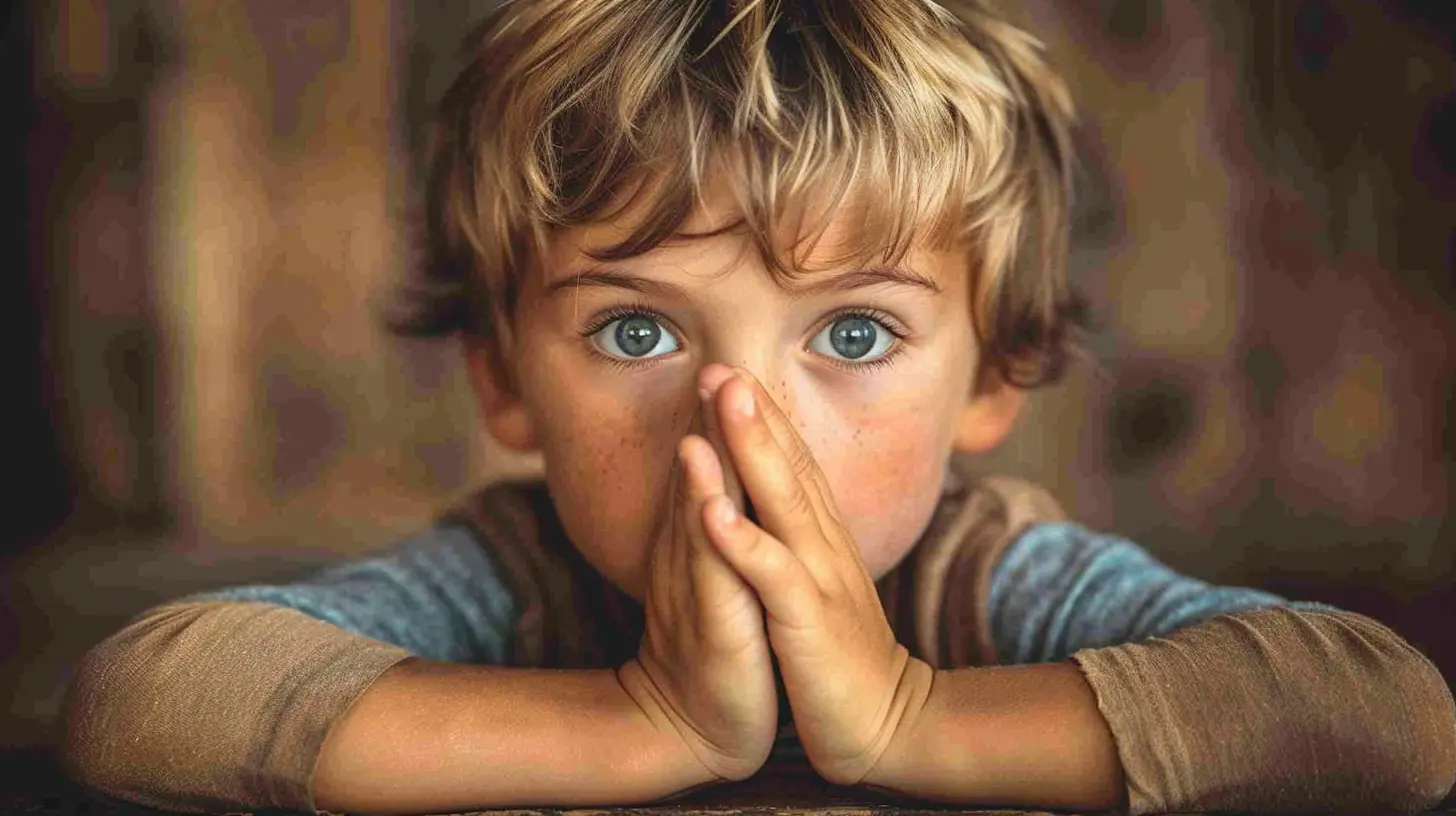
Why Silence Isn't Always Golden
Sure, quiet time is lovely—especially if you’ve been listening to the Baby Shark song on repeat. But sometimes, that silence can be a red flag.Maybe your child isn't telling you about being bullied. Maybe they’re quietly battling anxiety. Or maybe they just didn’t want to offend anyone by saying they don’t like broccoli (relatable, right?).
Kids stay silent for all sorts of reasons:
- They don’t want to upset anyone.
- They don’t feel safe enough to speak up.
- They're not sure how to express themselves.
- They think their opinion doesn’t matter.
The problem? A child who doesn’t speak up risks becoming an adult who struggles with boundaries, advocacy, or emotional expression.
That’s why encouraging kids to speak out—even about the small stuff—is a big deal.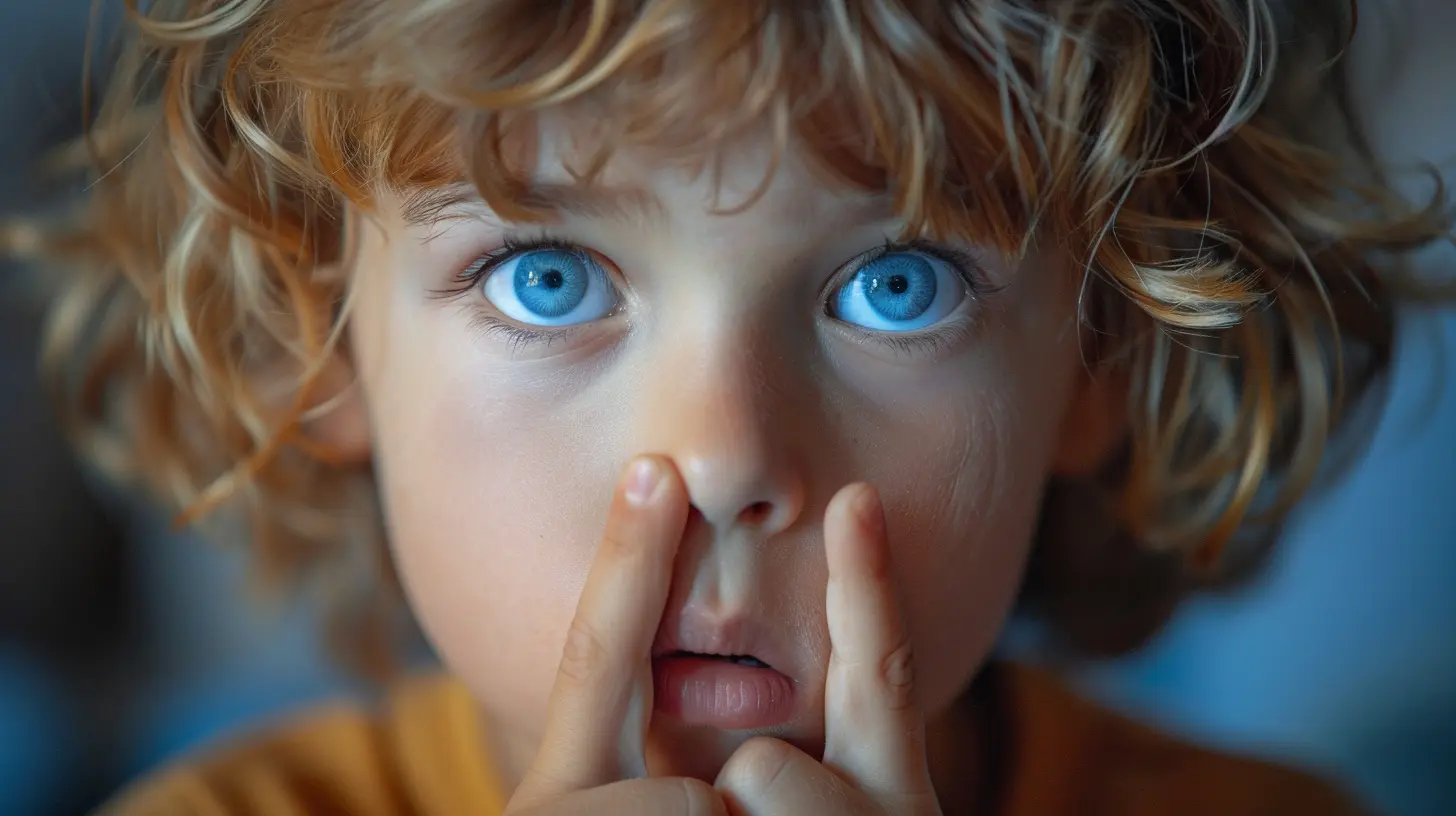
The Power of a Voice: Why It Matters
When kids use their voices, something magical happens. It’s not just about words flowing from their mouths—it’s about self-worth, empowerment, and building trust.Let’s break it down:
1. Confidence Boost
Every time a child says what they’re thinking or feeling and is met with a calm, supportive response, they gain confidence. It’s like emotional weightlifting—the more they express, the stronger they get.2. Stronger Emotional Health
Bottling things up isn’t healthy (that applies to juice and emotions). When children share their worries or fears, it gives us a chance to help them process and cope.3. Improved Communication Skills
Speaking out encourages kids to grow into great communicators. They learn how to express disagreements respectfully, ask questions, and navigate tricky social dynamics.4. Safety First!
This one is huge. A child who feels safe enough to say, “That made me uncomfortable,” or “I don’t like what this person said/did,” is far less likely to become a silent victim of abuse or bullying.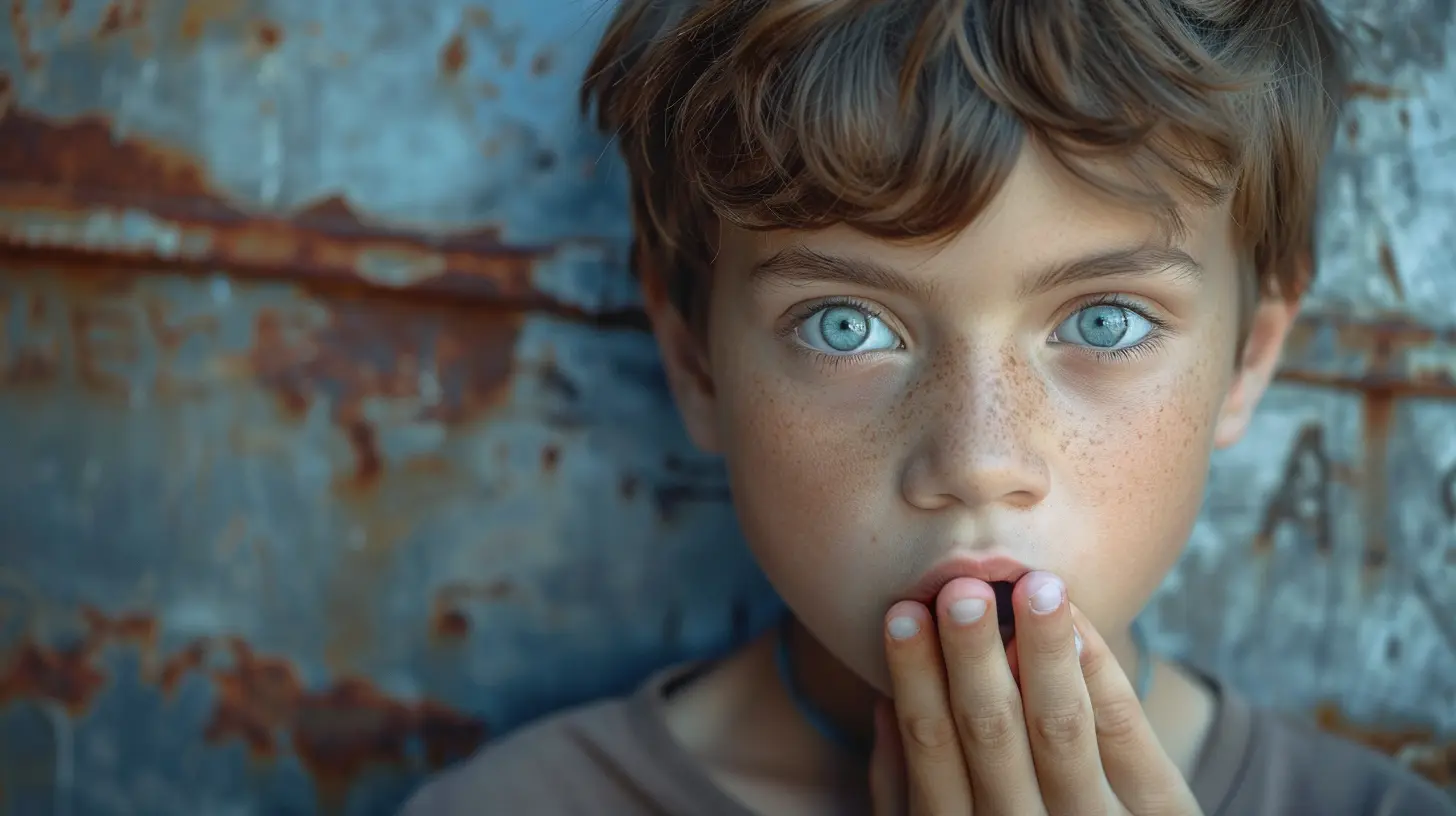
Signs Your Child Might Be Bottling Things Up
Some kids are chatty little chatterboxes. Others? Not so much. But silence doesn’t always mean all is well. Here are a few signs to look out for:- Sudden mood changes or frequent meltdowns
- Becoming withdrawn or unusually quiet
- Trouble sleeping or sudden bedwetting
- Clinginess or separation anxiety
- Avoiding certain people or places
These can all be indicators that a child is carrying something they’re not ready—or don’t know how—to share.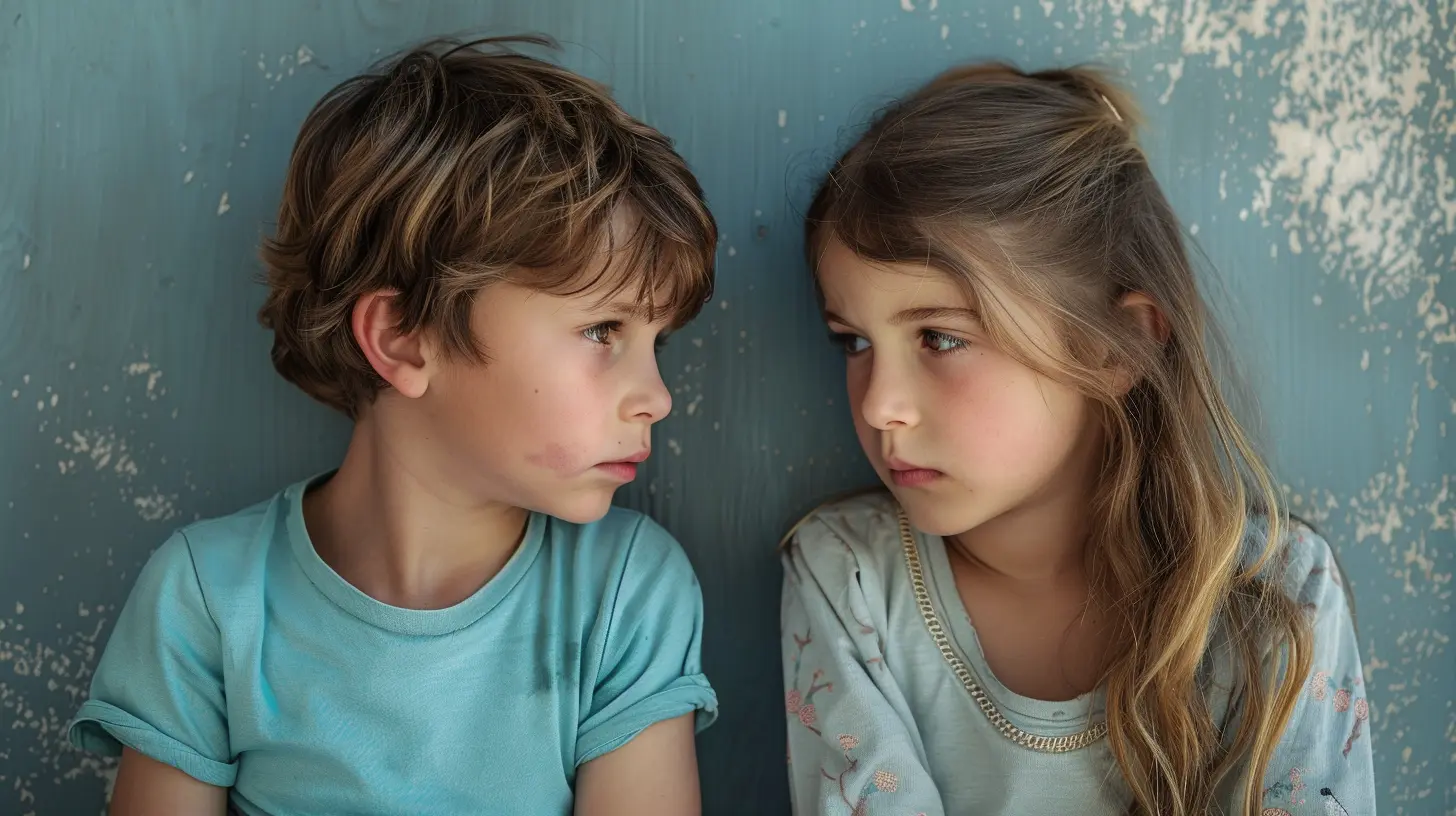
Creating a Safe Space to Speak
Okay, so we want our kids to open up. But how do we actually get them to talk—without sounding like a detective from a crime show?Simple: we build trust, keep the door open, and let them know their voice matters every single day.
? Be a Safe Listener
Listen without interrupting. Let them finish their thought, even if it takes a while to get there. Resisting the urge to swoop in with advice or correction is key—sometimes, they just want to be heard.? Use "How" and "What" Questions
Instead of asking, “Are you okay?” (cue the automatic “yes”), try:- “What was the best part of your day?”
- “How did you feel when that happened?”
- “What would you do differently next time?”
Open-ended questions invite more than just a nod or shrug.
? Avoid Overreacting
Even if your child drops a bombshell—like they failed a test or pushed someone at recess—keep your cool. Big reactions can scare kids into silence going forward. Stay calm, ask thoughtful questions, and save the high-pitched drama for when you’re out of earshot.?️♀️ Watch the Little Moments
Sometimes, the best conversations happen during non-conversation times—like during a car ride or while building a LEGO tower. No eye contact? Less pressure. Let things flow naturally.Teaching Assertiveness Without Aggression
Teaching kids to speak up doesn’t mean turning them into loudmouths or mini-CEOs demanding five-star treatment. It’s about assertiveness—voicing needs and feelings with honesty and respect.? Practice Boundaries at Home
Let them say “no”—even to you. Seriously. If your child says, “I don’t want to hug right now,” respect it. That little moment reinforces that their voice and body boundaries matter.? Role-Play Different Scenarios
Pretend play isn’t just for fun—it’s a powerful learning tool. Act out situations like:- What to say if someone takes your toy without asking
- How to tell the teacher you didn’t understand something
- What to do if you're uncomfortable with a friend's behavior
Make it silly, make it fun—but make it stick.
? Teach "I" Statements
Instead of “You’re mean!” show them how to say:“I feel sad when you leave me out.”
This little tweak helps kids express emotions without sounding accusatory.
Encouraging Kids to Speak for Others, Too
Using their voice isn’t just about them—it’s about speaking up for others, too. Teaching kids to be upstanders, not bystanders, builds empathy and courage.- Talk about bullying and what to do if they see it.
- Encourage them to include others who are left out.
- Celebrate brave acts—big or small—when someone stands up for what’s right.
Give your child the words to use and the confidence to use them.
What If Your Child Still Won’t Talk?
Yep, some kids are tight-lipped no matter how many “safe space” signs you hang up around the house. That’s okay. Don’t force the issue, but don’t give up either.? Try Books and Stories
Reading books with characters dealing with tough emotions or situations can open up discussions. Ask, “What would you do if you were them?” It’s a soft entry point into deeper conversations.? Get Creative
Drawing, playing with puppets, or writing in a journal can help non-verbal kids express themselves. Art can often say what words can't.?⚕️ Consider Talking to a Pro
If your child seems deeply distressed or persistently withdrawn, don’t hesitate to reach out to a child therapist or counselor. Sometimes a neutral third party can help more than a well-meaning parent.Everyday Tips to Nurture a Chatty, Courageous Kid
Let’s wrap up with some quick wins—daily tiny tweaks that help build a culture of communication in your home:- Model it: Let your kids hear you express your feelings in healthy ways.
- Praise effort, not just results: “I’m proud of you for telling me that,” goes a long way.
- Avoid shaming or mocking: No matter how silly their worries seem, validate them.
- Give them choices: Let them pick their outfit, their snack, or bedtime story. It reinforces that their voice has power.
And above all, remind them (often) that they can tell you anything—no matter how big, small, scary, or silly.
Final Thoughts
Silence can be peaceful—but when it comes to our kids, silence can also be a sign that something’s off. Empowering children to use their voices isn’t just about talking—it’s about trust, empathy, and connection.So, the next time your child starts a sentence with, “I need to tell you something…” put down the phone, turn off the stove, and give them your full attention. Because in that moment, their voice is golden.
all images in this post were generated using AI tools
Category:
Dealing With BullyingAuthor:

Zelda Gill
Discussion
rate this article
1 comments
Maverick McQuillen
Thank you for this important reminder about the value of our children's voices. Encouraging them to express their feelings not only builds their confidence but also strengthens our connections. Let's create safe spaces for open dialogue so they know their words truly matter.
June 27, 2026 at 2:30 PM
Zelda Gill
Absolutely! When we listen to our kids, we empower them. Let's keep fostering those safe spaces for honest conversations.