The Role of Sports in Building a Child’s Self-Belief
19 June 2026
Let’s be real—raising confident kids in today’s world isn’t exactly a walk in the park. With social media pressures, academic stress, and the constant comparisons kids face every day, helping them build a strong sense of self-belief feels more important than ever.
You know what’s a surprisingly powerful tool for this? Sports.
Whether it’s soccer, swimming, or even a friendly game of tag, sports can do wonders when it comes to boosting your child’s confidence and shaping their self-perception. So let’s dive into how and why sports can play a big role in building your child's self-belief—and why that matters more than you might think.
Why Is Self-Belief So Important for Kids?
Before we sprint into the sports bit, let’s pause and unpack what “self-belief” actually means. Simply put, it’s a child’s belief in their own abilities. It’s that inner voice that whispers (or shouts), “I can do this” when they’re faced with a challenge.Kids who believe in themselves are more likely to:
- Try new things without fear of failure
- Bounce back from setbacks
- Handle peer pressure better
- Take pride in their accomplishments
- Set and pursue goals independently
Sounds pretty great, right?
But here’s the kicker: self-belief isn’t something kids are just born with—it’s built. One practice session, one team huddle, and one small victory at a time.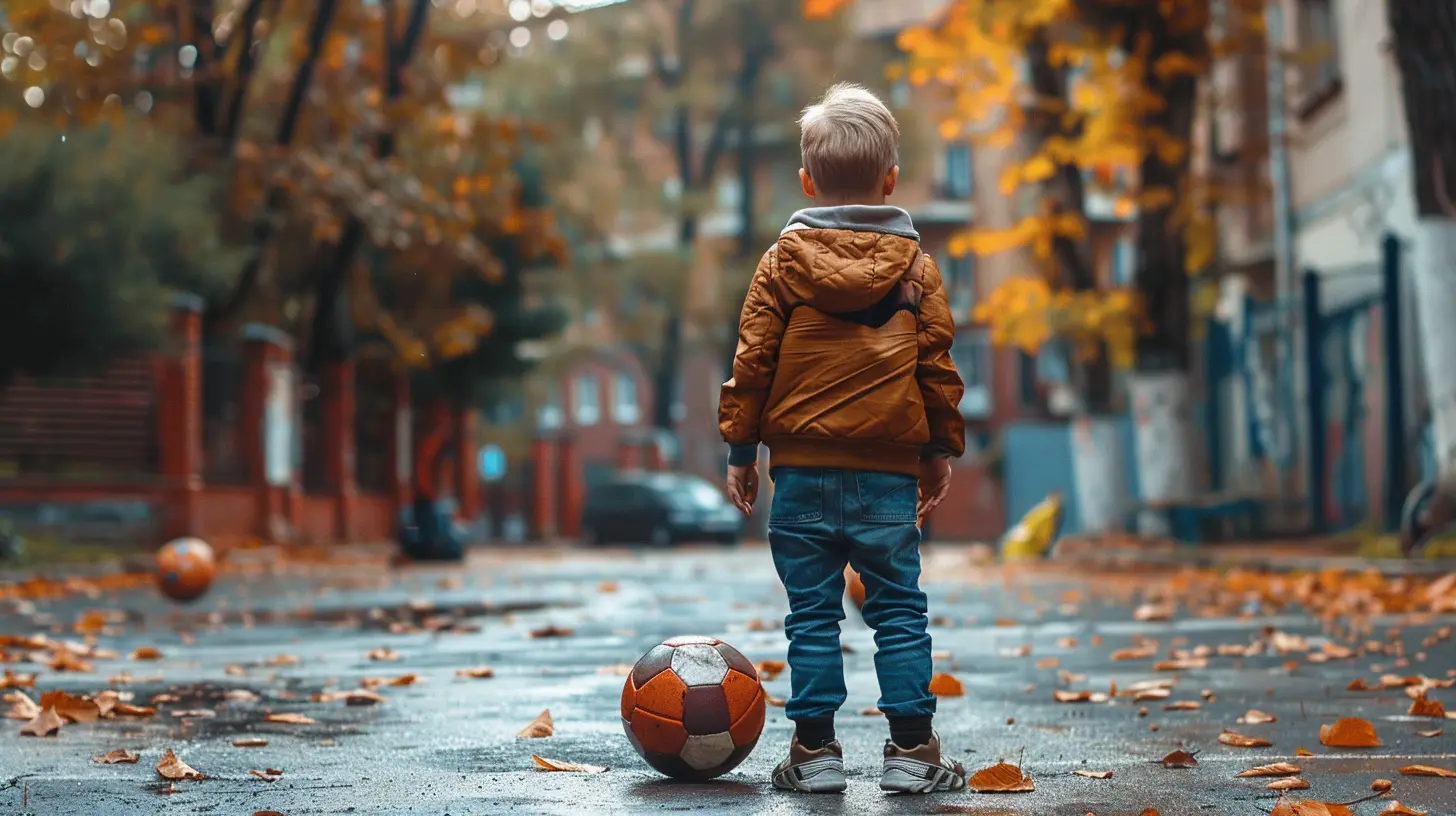
The Natural Confidence Boosters in Sports
You ever notice how kids seem to literally grow taller after scoring a goal or winning a race? That’s confidence kicking in. Sports offer a built-in system for building self-belief. Here’s how:1. Setting and Achieving Goals
Sports are full of mini milestones. From learning how to dribble a basketball to shaving seconds off a swim time, kids are constantly setting, chasing, and smashing goals.And each of those wins tells their brains: “Hey! You did that. What else can you do?”
Small wins lead to bigger dreams—and bigger confidence.
2. Overcoming Failure and Learning Resilience
Let’s face it, sometimes you win and sometimes... you totally miss the shot. And that’s okay.In sports, kids learn that failure isn’t the end—it's just part of the game. Literally. That missed goal? It’s a lesson. That second-place trophy? Motivation.
They learn how to bounce back, and that resilience becomes a superpower in other areas of life—school, friendships, and beyond.
3. Teamwork and Belonging
There’s something magical about being part of a team. The high-fives, the group chants, the shared goals—it all fosters a sense of belonging. And when a child feels accepted and valued, their self-worth skyrockets.Even in solo sports, like gymnastics or martial arts, kids often train in groups or represent a club. That collective spirit still boosts their belief in themselves and their ability to be part of something bigger.
4. Positive Reinforcement from Coaches and Peers
Sometimes, a young athlete needs to borrow someone else’s belief in them. That’s where coaches come in.A good coach doesn’t just teach technique—they encourage, affirm, and cheer from the sidelines. That steady reinforcement helps kids internalize confidence. And when teammates cheer each other on? Even better.
Affirmation from others helps shape a child’s internal narrative: “I’m brave. I’m strong. I matter.”
5. Consistency and Discipline
Training regularly teaches kids that improvement takes work. It doesn’t happen overnight, and that consistency matters. They begin to trust the process and see that dedication pays off.Over time, this builds a quiet, grounded type of confidence—the kind that says, “I’ve done the work. I’ve got this.”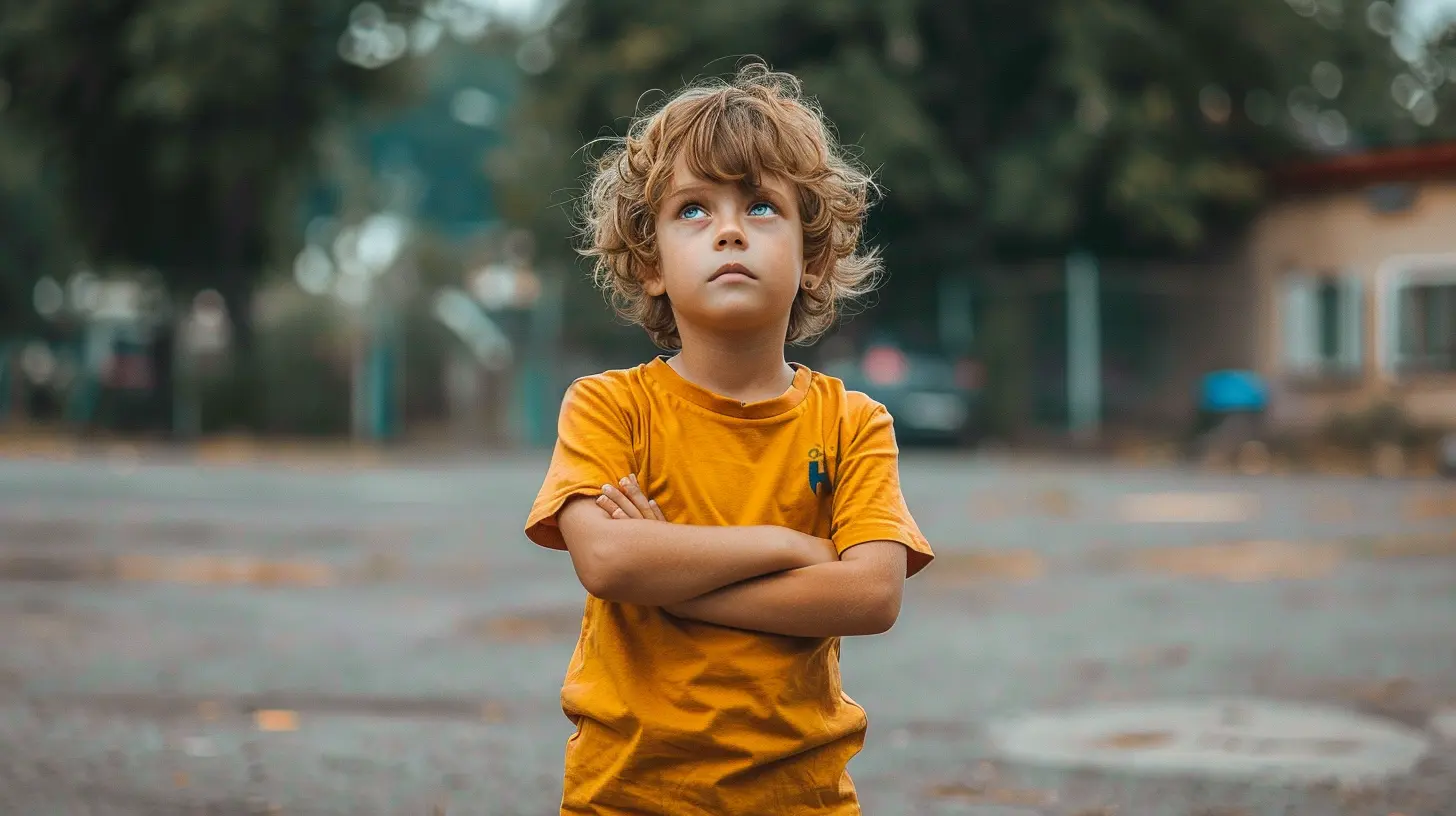
Sports vs. Other Confidence-Builders
Now, you might be wondering—can’t hobbies like music or art also build self-belief? Absolutely! Any passion or interest that allows a child to express themselves and overcome challenges can help grow their confidence.But sports are unique in a few key ways:
- Physicality: Moving your body and mastering physical skills has a direct impact on how kids feel about themselves. There’s a real mind-body connection here.
- Immediate feedback: In sports, you usually know right away if something worked. That instant feedback can be incredibly motivating.
- Social dynamics: Navigating wins, losses, and teamwork in real time helps sharpen social-emotional skills.
So yes, arts and academics are great—but sports bring an energy, a momentum, and a set of life lessons you just can’t get anywhere else.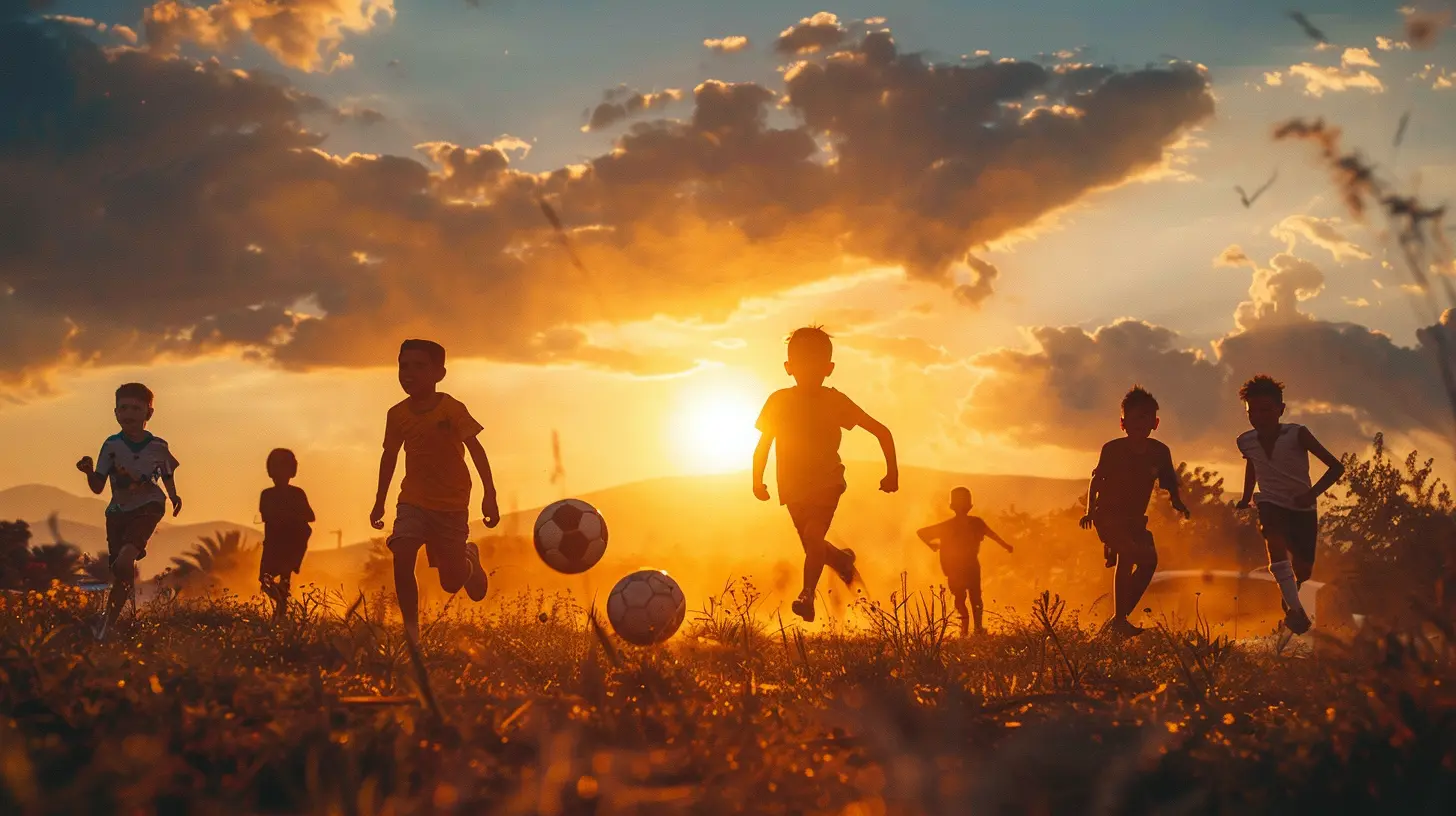
What Type of Sports Are Best for Building Self-Belief?
Trick question—there’s no “one-size-fits-all” here.The best sport for YOUR child is whatever makes them feel excited, engaged, and like they’re part of something. That said, here’s a little breakdown to help:
1. Team Sports (e.g., Soccer, Basketball, Volleyball)
Ideal for kids who thrive on collaboration. These sports help build communication skills, trust, and a sense of shared triumph.2. Individual Sports (e.g., Tennis, Swimming, Martial Arts)
Perfect for kids who like to set personal goals and track their own progress. These teach self-discipline and personal accountability.3. Creative Sports (e.g., Dance, Gymnastics, Skating)
Great for expressive kids who love to perform and want to blend physical skill with artistic flair.The key? Let your child try different things. Watch what lights them up. That joy is a compass—it’ll point you in the right direction.
Signs Your Child Is Growing in Confidence Through Sports
Sometimes, the shifts in self-belief are subtle. Here’s what to look out for:- They speak up more often, even in non-sports settings
- They’re more willing to try new things
- They bounce back from mistakes quicker
- They encourage others more
- They talk about their goals with excitement, not fear
If you’re seeing these signs, give yourself a high five. Your child’s on the right track.
The Parent’s Role: How You Can Help Nurture That Growth
Let’s be honest, it’s tempting to get super invested in your child’s performance, right? But here’s the thing—your role isn’t to critique or push. It's to support, encourage, and celebrate the effort.Here’s how to be the MVP in your child’s confidence journey:
1. Focus on Effort, Not Outcome
Win or lose, the question should always be: “Did you try your best?” That keeps the attention on growth, not perfection.2. Praise Specific Actions
Instead of generic “Good job,” try things like:- “I saw how you kept going even when it got tough—so proud of your perseverance.”
- “You passed the ball so well today—that teamwork was awesome!”
Specific praise helps kids connect actions with results.
3. Model Resilience
Show them how YOU handle setbacks. Missed a deadline? Forgot something important? Talk it through with them. Kids learn by watching.4. Encourage Rest and Balance
While sports are awesome, burnout is real. Help your child find balance so they don’t equate self-worth with performance.When Sports Hurt More Than Help (And What to Watch Out For)
Not all sports environments are healthy. It’s important to look out for signs that something isn’t quite right:- Excessive pressure from coaches or teammates
- Bullying or exclusion
- Frequent injuries or overtraining
- Dread or anxiety before practice
If your child starts to seem withdrawn, overly self-critical, or loses joy in playing, it might be time to switch teams—or even take a break.
Always listen to your child's feelings and don’t hesitate to advocate for their well-being.
Final Thoughts: Confidence Is a Lifelong Game
Here’s the thing—confidence isn’t a trophy your child wins once and keeps forever. It’s more like a muscle. It grows, it stretches, it sometimes gets sore, and it needs regular use.Sports help kids build, flex, and strengthen that muscle every single day.
More than just teaching them how to kick a ball or swim a lap, sports teach kids that they are capable. That they can handle challenges. That they are stronger—mentally and physically—than they think.
And that kind of self-belief? That’s a game-changer.
So whether your kid is shooting goals, doing somersaults, or just running around the backyard with friends—know that they’re not just playing.
They’re building.
all images in this post were generated using AI tools
Category:
Building ConfidenceAuthor:

Zelda Gill
Discussion
rate this article
1 comments
William Hayes
Great article! I've seen firsthand how sports can really boost a child's confidence. Watching my kids learn to push through challenges on the field has been incredible. It's not just about winning; it's about believing in themselves and growing as individuals. Keep sharing this important message!
June 23, 2026 at 4:10 AM
Zelda Gill
Thank you for your kind words! It's inspiring to hear how sports have positively impacted your kids. Building confidence through challenges is truly a vital lesson. I appreciate your support!