The Role of Social Media in Modern Bullying Dynamics
2 August 2026
Social media has transformed how we connect, share, and communicate. But with this evolution comes a dark side—cyberbullying. Unlike traditional bullying, which was often confined to schoolyards or neighborhoods, social media has made bullying a 24/7 nightmare for many kids and teenagers.
How has social media changed the dynamics of bullying? Why is it so much harder for kids to escape it today? And what can parents do to protect their children? Let’s dive deep into this growing issue. 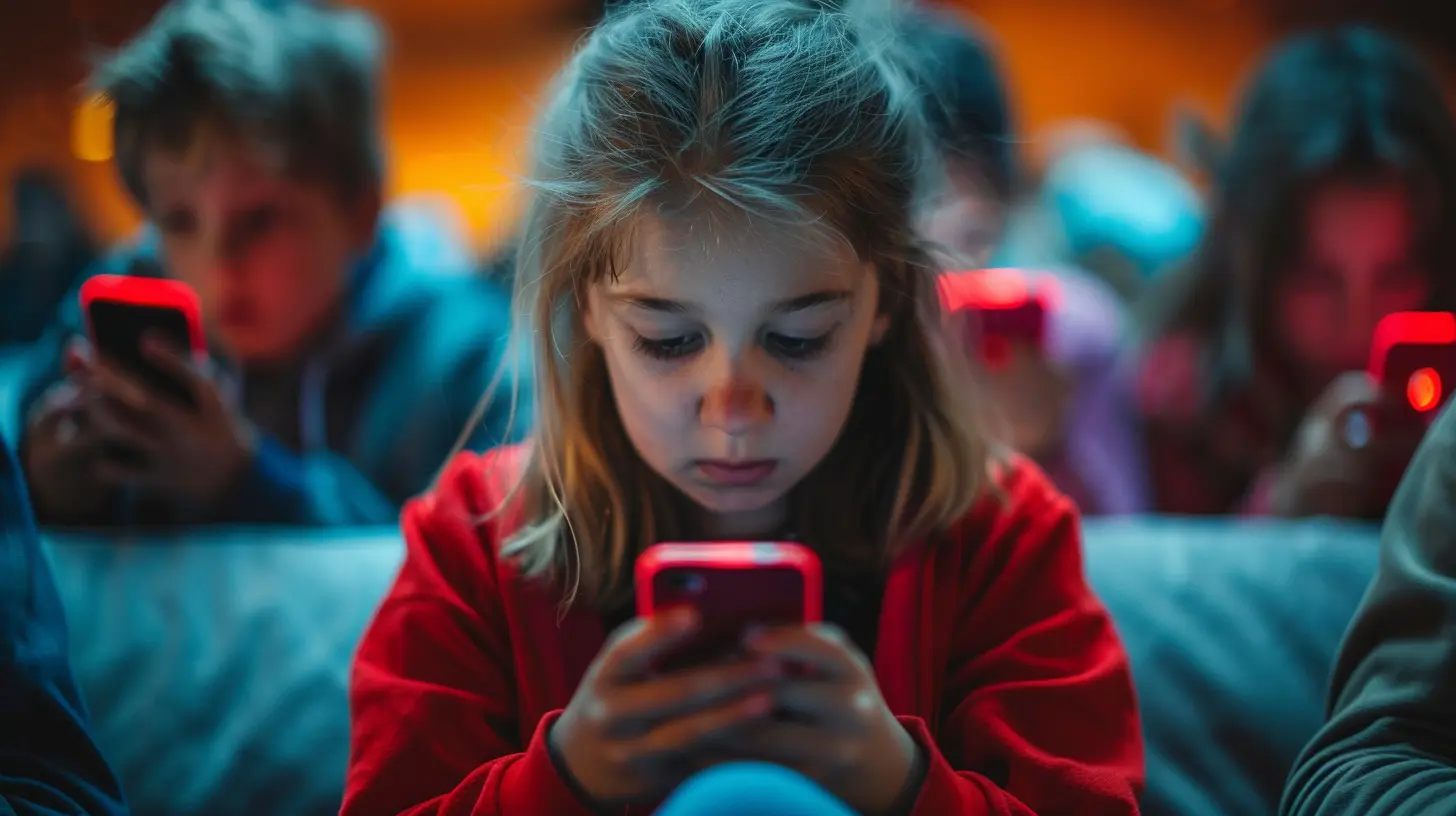
How Social Media Has Changed Bullying
Bullying used to be an in-person issue—mean comments whispered in hallways, pranks pulled at recess, or physical confrontations after school. Once kids got home, they had a break from it. Not anymore.Now, with smartphones and social media, bullying follows kids everywhere. Whether it's a cruel comment on a post, a humiliating meme, or exclusion from a group chat, social media has given bullies a powerful new platform.
1. It’s Constant and Inescapable
Before social media, home was a safe zone. Kids could at least find some relief from school bullies. But with platforms like Instagram, Snapchat, TikTok, and WhatsApp, bullying doesn’t stop when the school bell rings—it follows kids onto their screens, making it nearly impossible to escape.2. Anonymity Makes It Worse
One of the most terrifying aspects of cyberbullying is the anonymity. Some bullies hide behind fake profiles, feeling confident that they won’t face consequences. This anonymous shield often leads to even crueler comments and threats than what might be said in person.3. Public Humiliation Spreads Like Wildfire
Before social media, embarrassing moments were limited to those who witnessed them in person. Now, one mean post, screenshot, or video can go viral in minutes, making humiliation significantly more intense and long-lasting.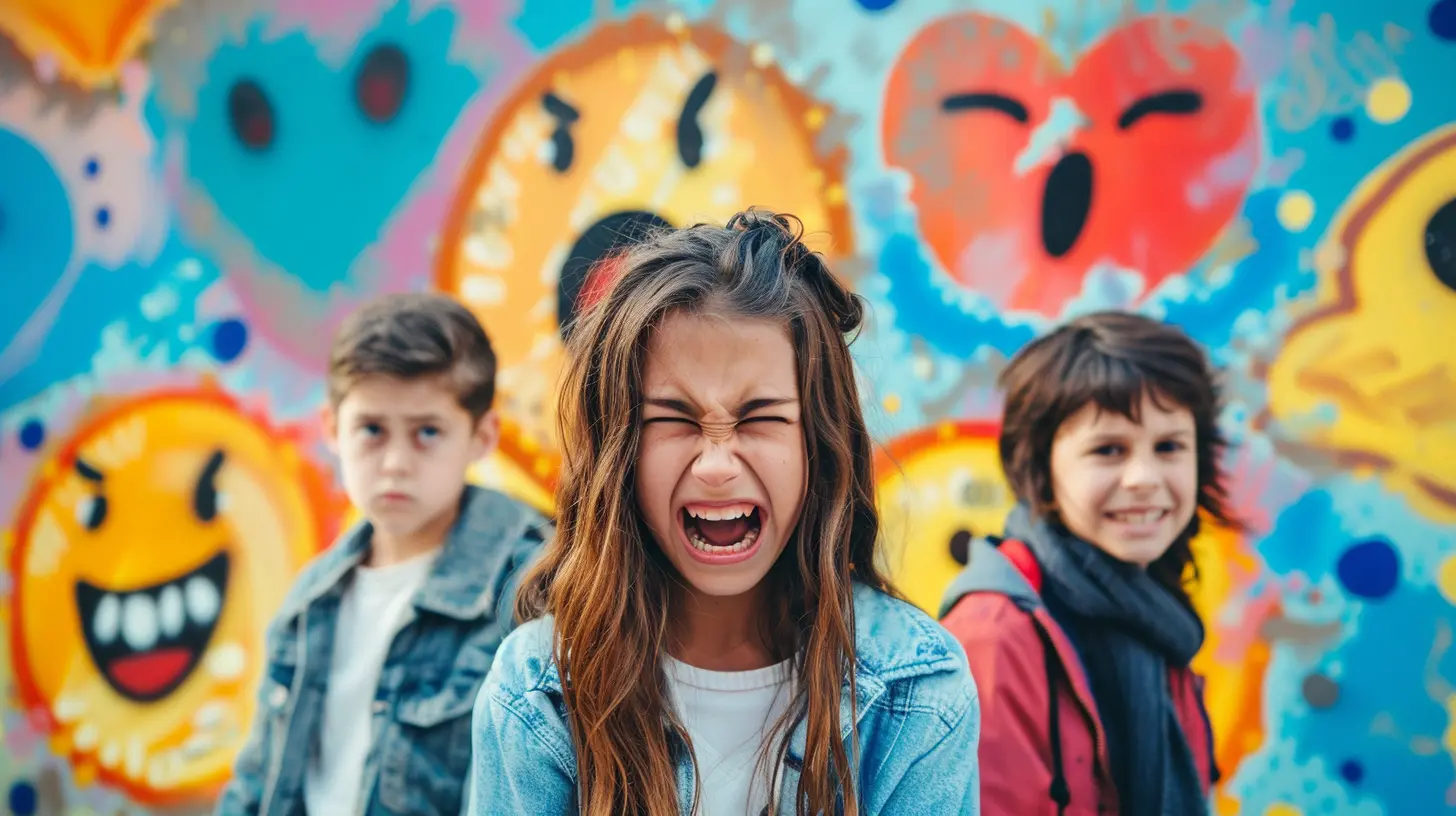
The Different Forms of Social Media Bullying
Bullying isn't just one thing—it takes many different forms online.1. Harassment
This could be relentless messages, nasty comments, or aggressive DMs. Some kids receive daily hate messages that destroy their self-esteem.2. Doxxing
Some bullies take it even further by exposing personal information like addresses, phone numbers, or even private messages to embarrass or harm their target.3. Exclusion
Being deliberately left out of a group chat or an event posted online can deeply affect a child’s emotional well-being. It reinforces feelings of isolation and rejection.4. Impersonation and Fake Profiles
Some bullies create fake accounts to humiliate their victims—stealing their photos, spreading lies, or pretending to be them to cause damage.5. Outing and Public Shaming
Sharing someone’s private messages, secrets, or personal photos without consent can be devastating. Once something is online, it’s almost impossible to erase entirely.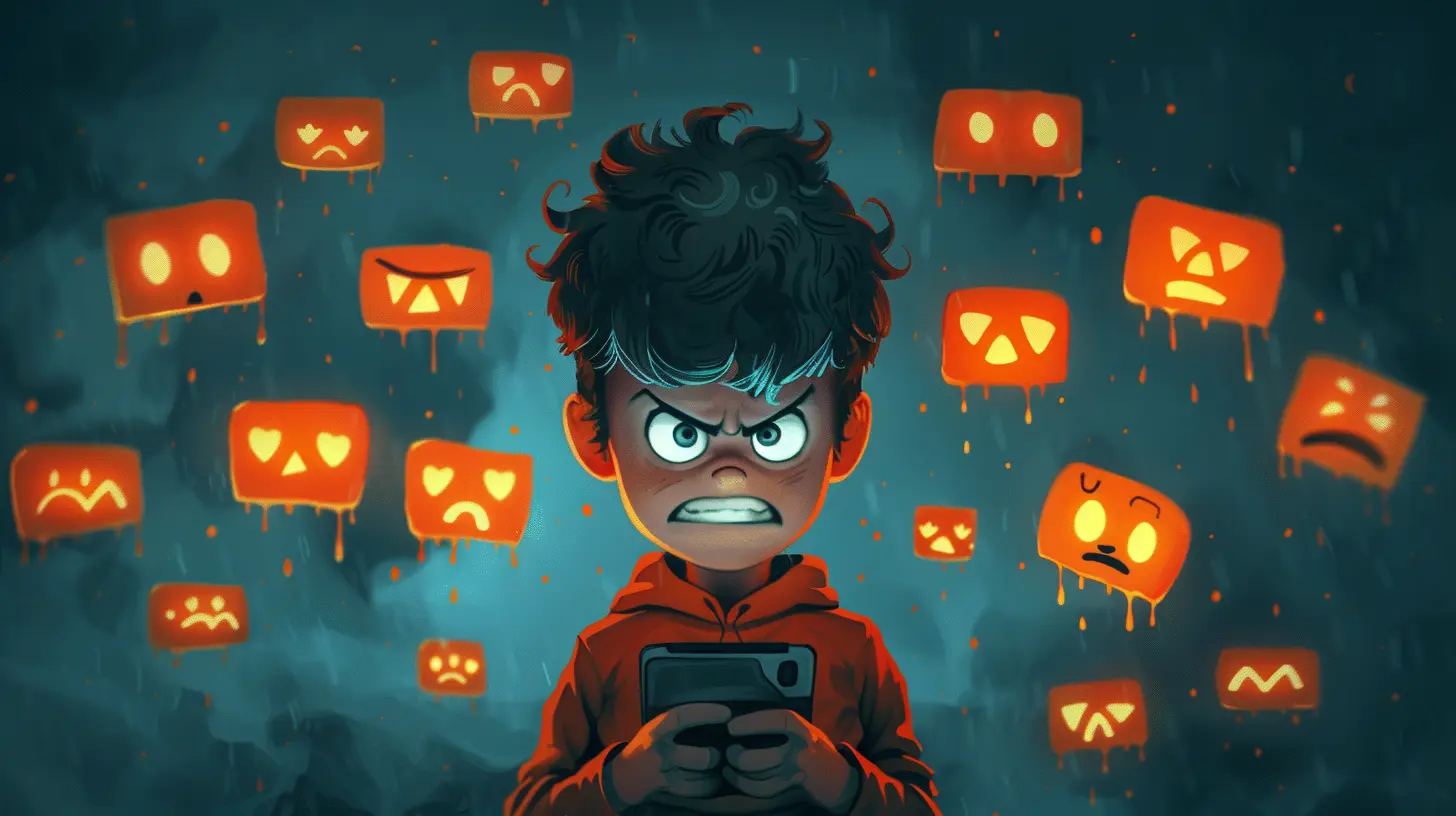
Why Social Media Bullying Feels Worse
Bullying has always been a problem, but social media intensifies the impact in several ways.1. It Reaches a Wider Audience
A cruel note passed around a classroom is one thing. A humiliating video shared on TikTok is another. Social media gives bullies an audience, often making their attacks feel even more powerful and hurtful.2. It's Permanent
In most cases, words spoken in anger are forgotten. But online, posts and comments can last forever. Even if deleted, screenshots and shares can keep the damage alive indefinitely.3. Victims Feel Trapped
Blocking a bully doesn’t always work—they can create new accounts, involve others, or use different online platforms. This makes kids feel like there’s no escape.
The Psychological Impact of Social Media Bullying
The effects of cyberbullying aren’t just limited to hurt feelings. It can seriously impact a child's mental health.Anxiety and Depression
Kids who are bullied online often suffer from anxiety, low self-esteem, and even depression. They may start withdrawing from activities they once loved, struggle with their schoolwork, or show signs of extreme emotional distress.Suicidal Thoughts
Tragically, cyberbullying has been linked to cases of self-harm and suicide. Feeling publicly humiliated or endlessly harassed can make kids feel like there’s no way out.Sleep Problems and Social Withdrawal
Many victims develop sleep disturbances due to stress, and some even stop using social media altogether just to avoid the harassment. While stepping away from social media can help, it also isolates them from friends and important social connections.How Parents Can Help Prevent or Address Social Media Bullying
The good news? Parents can play a crucial role in keeping their children safe online. Here’s how:1. Open Communication is Key
Talk to your kids about their online experiences. Ask them about the apps they use, the people they interact with, and if they’ve ever felt uncomfortable online. Let them know they can come to you without fear of overreaction.2. Set Boundaries and Monitor Usage
Establish screen time limits and keep an eye on their social media activity. This doesn’t mean invading their privacy but ensuring they’re in a safe digital environment.3. Teach Digital Etiquette
Help your kids understand that what they post online stays online. Encourage kindness and empathy, and remind them not to engage in harmful behaviors themselves.4. Encourage Them to Report and Block Bullies
Most social media platforms have reporting features that allow users to flag inappropriate behavior. Teach your child how to block harmful individuals and report cyberbullying incidents.5. Lead by Example
Children often imitate their parents’ behavior online. Show them how to engage positively and responsibly on social media.6. Get Professional Help if Needed
If your child seems deeply affected by online bullying, consider seeking counseling or therapy. Having professional support can make a huge difference in coping with emotional trauma.The Role of Schools and Social Media Companies
While parents play a huge role, schools and social media platforms also have a responsibility in tackling online bullying.Schools Should:
- Educate students on the dangers of cyberbullying.- Implement anti-bullying policies that include online harassment.
- Provide support for victims, such as counseling and peer mentoring.
Social Media Platforms Should:
- Strengthen anti-bullying measures, like better reporting systems.- Monitor harmful content more effectively.
- Enforce stricter consequences for cyberbullies.
Final Thoughts
Social media has reshaped bullying in ways that make it more dangerous and harder to escape. Unlike the past, where kids could leave their bullies at school, cyberbullying follows them everywhere. It affects mental health, self-esteem, and even safety.The best thing parents can do is stay informed, maintain open communication, and teach their children how to navigate the online world safely. By working together—parents, schools, and social media companies—we can take stronger steps to prevent and address this growing issue.
all images in this post were generated using AI tools
Category:
Dealing With BullyingAuthor:

Zelda Gill
Discussion
rate this article
1 comments
Kenneth McInnes
This article sheds light on an important topic! Understanding how social media impacts bullying can empower parents and kids alike. Let's tackle these challenges together and create a safer, kinder online environment for everyone...
August 8, 2026 at 2:32 AM
Zelda Gill
Thank you for your thoughtful comment! I'm glad you found the article important. Together, we can make a difference in addressing these issues.