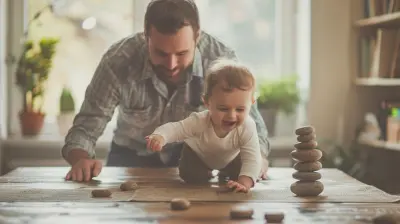
The Power of Play in Your Homeschool Routine
21 January 2026
Homeschooling is a wild ride, right? Some days feel like smooth sailing, while others leave you wondering if anyone actually learned anything that day. It’s a juggling act—balancing academics, chores, meals, and those inevitable meltdowns. But there’s one little secret that can shift your whole homeschool vibe: play.
Yep, play.
It sounds too simple to be powerful. But hear me out. Play is more than downtime or a reward after work is done. It’s a serious tool for learning, growth, and making homeschool feel less like a grind and more like – dare I say – fun.
In this post, we're diving deep into the magic of play in homeschooling. Why it works, how it works, and how to make it actually fit into your day without throwing off your rhythm. Get comfy—you’re about to look at your homeschool schedule in a whole new way.
What Exactly Counts as “Play”?
Before we talk benefits, let’s get clear on what we mean when we say “play.”We’re not just talking about a wild game of tag or a round of hide and seek—although those totally count. Play can be:
- Building cities with LEGOs
- Acting out stories with toys
- Drawing, coloring, or painting just for fun
- Telling jokes (yes, really!)
- Creating obstacle courses in the living room
- Making up songs about fractions (trust me, it happens)
Basically, play is anything your child does voluntarily, for the joy of it. No pressure, no goals—just imagination, curiosity, and fun leading the way.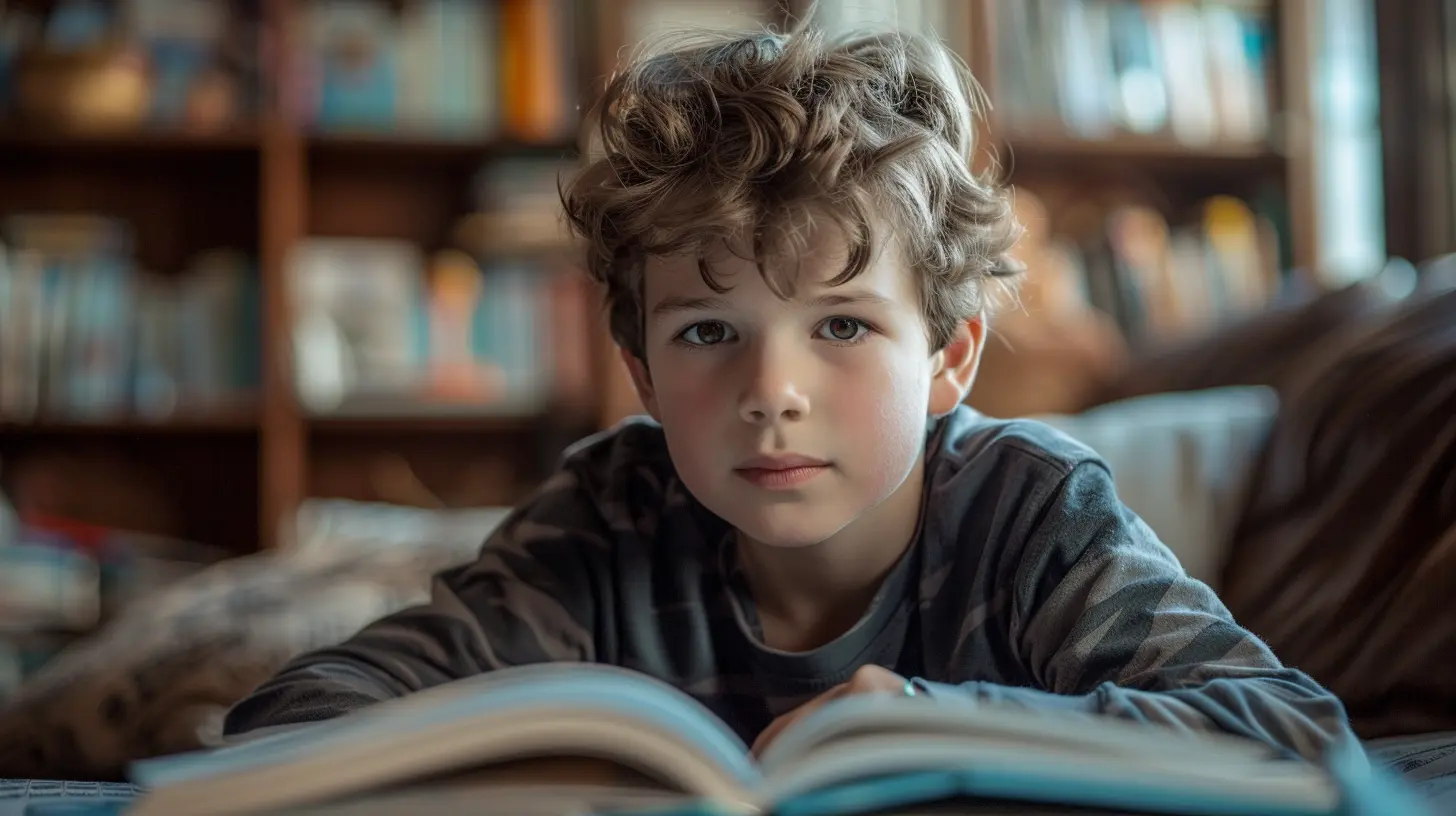
Play Is How Kids Learn Best
Here’s the big truth that we adults often forget: kids are wired to learn through play.Think about toddlers. They don’t sit down with a workbook to learn to talk or walk. They explore. They try, they fail, they try again. It's messy, unpredictable, and totally effective. So why, once formal education starts, do we pull the plug on the thing that actually works?
Spoiler alert: play doesn’t stop being effective just because a child turns six or seven. Research consistently shows that play helps with:
- Problem-solving
- Creativity
- Language development
- Emotional regulation
- Physical coordination
- Social skills
When children engage in playful activities, they’re building neural pathways. Their brains are literally lighting up with new connections. And the best part? They’re doing it with joy, not stress.
The Science Behind Play
Let’s geek out for a second, shall we?Play activates the brain’s prefrontal cortex—the area responsible for critical thinking, decision-making, and emotional control. When kids are “just playing,” they’re actually rehearsing real-world skills in a low-stakes environment.
Here’s another kicker: dopamine (that lovely feel-good chemical) is released during play. A happy brain is a receptive brain. So when kids are having fun, their brains are more likely to retain information. It’s like sneaking veggies into a brownie—they don’t even realize they’re learning.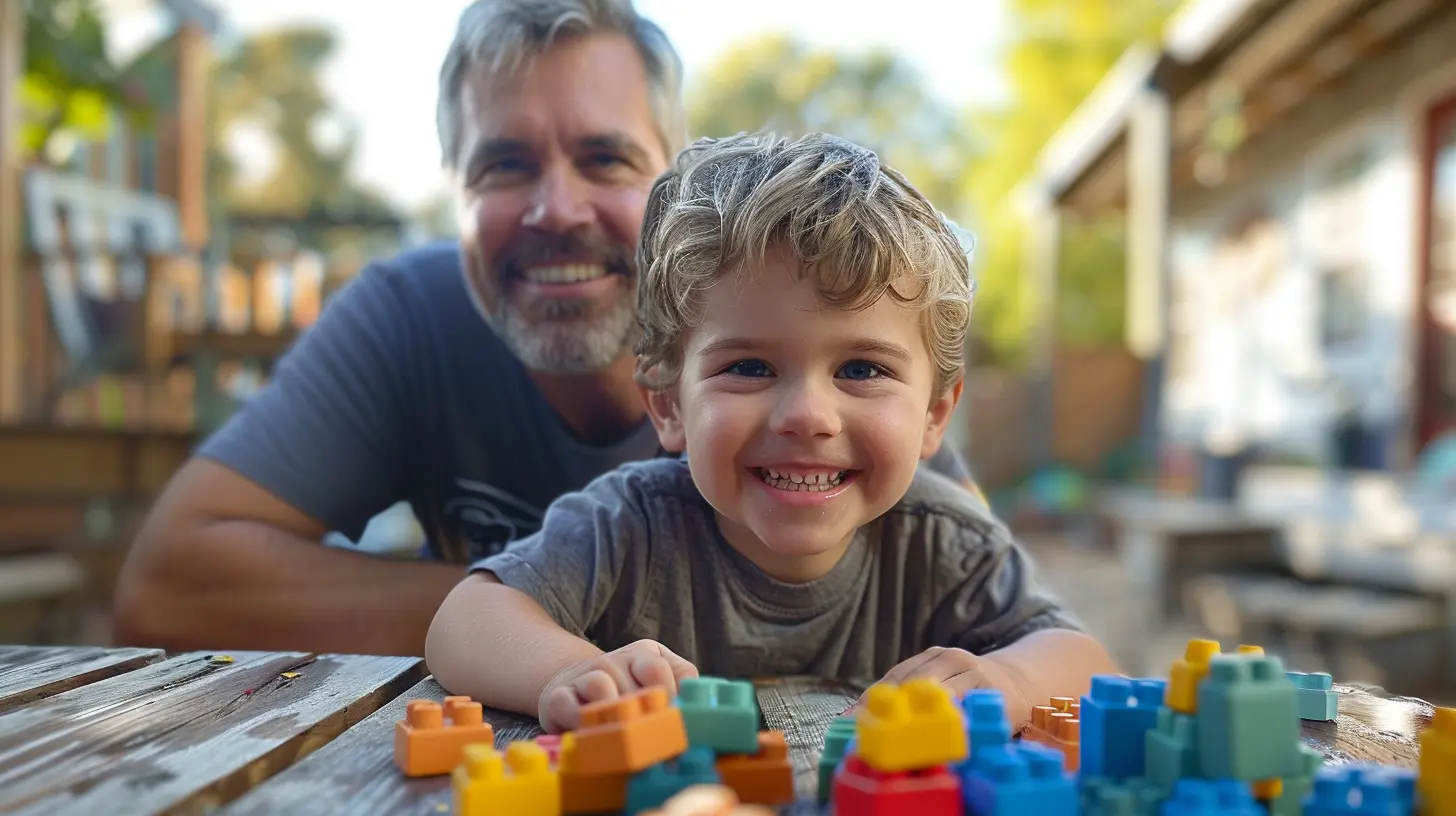
Breaking Down the Benefits of Play in Homeschooling
1. Play Enhances Retention and Understanding
Ever tried drilling multiplication tables and watched your kid’s eyes glaze over? Yeah, we’ve all been there. Now compare that to a math game with dice or cards. Suddenly, those same facts stick like glue.When learning is tied to emotion (like joy or excitement), it sticks better. That’s exactly what playful learning does—it puts memory on fast-forward.
2. It Bridges Gaps Between Subjects
The beauty of play is its fluidity. You can mix science, art, and storytelling into one wacky project. For example, building a cardboard rocket ship involves:- Physics (how does it fly?)
- Art (paint and decorate it)
- Language (write a story about your space mission)
You’re reinforcing multiple subjects at once, all while your kids think they’re just goofing off. Win-win.
3. Play Supports Emotional Health
Let’s be real—homeschooling can be emotionally exhausting for kids too. They’re learning to self-regulate, juggle expectations, and find their rhythm. Play offers an emotional release valve. It gives kids space to process their feelings, try on different roles, and unwind.Bonus? It gives you a breather, too.
4. It Encourages Independence
Because play is child-led, it nurtures decision-making and independence. Kids learn to solve problems on their own, imagine alternative outcomes, and make choices based on interest—not instruction. These are golden life skills.How to Add More Play into Your Homeschool Day (Without Chaos Taking Over)
Okay, so you’re sold—but how do you actually do this without turning your house into a 24/7 jungle gym?Good news: you don’t have to scrap structure. You just need to weave play into your routine intentionally. Here’s how:
1. Start the Day with Play
Instead of jumping right into books, let kids warm up with something playful. Morning play can set the tone for a relaxed, open-minded day.Try:
- Building something
- Listening to music and dancing
- Drawing or coloring
- A quick nature walk with a scavenger hunt
Think of it as stretching before a workout—it gets their brains (and yours!) ready to go.
2. Turn Lessons into Games
This is a game-changer (pun intended). Take any lesson and ask, “Can we turn this into a game?”- Spelling word scavenger hunts
- Math bingo
- History charades
- Science Pictionary
When kids laugh while learning, you’re golden. And no, it’s not cheating—it’s just smart homeschooling.
3. Make Time for Unstructured Play
Leave a chunk of your day open-ended. Let your kids lead the way. No agenda, no timeline. Just space to explore and be curious.It’s in these moments that some of the best learning happens—when kids are relaxed, confident, and in charge.
4. Use Play to Break Up Tough Days
Not every day is sunshine and butterflies. When your homeschool day hits a wall, shift gears. Drop the workbook and pull out the playdough. Go outside and kick a ball around. Grab a game you haven’t played in a while.It might feel like taking a break, but trust me—it’s just learning in a different (and usually more effective) disguise.
Homeschooling Isn’t Just School at Home
This might be the biggest mindset shift of all. Homeschooling shouldn’t be a copy-paste version of traditional school. It’s a lifestyle—a flexible, personalized, deeply connected journey. And play is an essential part of that.When you embrace play, you give your children permission to be kids. You show them that learning can be joyful, curious, and even a little silly. You also make your job as a homeschool parent way more fun.
So don’t feel guilty for letting them build forts or spend hours immersed in pretending. That’s not wasted time—it’s foundational learning in action.
Ideas to Get You Started: Playful Activities That Pack a Learning Punch
Need practical inspo? Here are some of our favorite play-based learning gems:- Create a DIY store – practice math, writing, and problem-solving
- Nature treasure hunts – engage all the senses and strengthen observation skills
- Board games with academic twists – try Scrabble, Sum Swamp, or Brain Quest
- Build a puppet theater – sparks storytelling and emotional development
- STEM challenges – build a bridge from marshmallows and toothpicks (bonus: snack time!)
- Homemade obstacle courses – work on gross motor skills and logical thinking
- Role-playing historical figures – dramatic AND educational? Yes please.
It’s Okay to Let Go of “Perfect”
If you’re worried about “falling behind” because you’re playing too much—stop it right there. The truth is, most public schools are packed with downtime, transitions, and filler activities. You’re already ahead in many ways.The beauty of homeschooling is that you get to do what’s best for your child. If that means swapping worksheets for sidewalk chalk multiplication? Do it. If your kid wants to create a pirate ship from cardboard boxes and spend the day speaking in an accent? That’s learning too.
The “perfect” homeschool routine doesn’t exist. But a joyful, authentic, and play-infused one? That’s absolutely within reach.
Final Thoughts: Make Play Your Secret Weapon
Play isn’t a break from learning—it is learning.It’s how kids make sense of the world, test boundaries, and build confidence. And in a homeschool setting, where flexibility is your superpower, there’s no better tool in your back pocket than good old-fashioned play.
So the next time you feel stuck, overwhelmed, or unsure if your kids are really “getting it,” ask yourself this: “Have we played today?”
Because odds are, a little play might be the exact thing your homeschool day needs.
all images in this post were generated using AI tools
Category:
HomeschoolingAuthor:

Zelda Gill
Discussion
rate this article
2 comments
Fable McIlwain
In the shadows of learning, play whispers secrets only the curious discover. Unlocking hidden realms of imagination, it transforms the mundane into magic, revealing truths about our children that textbooks can never teach. Dare to explore?
February 23, 2026 at 4:29 PM
Zelda Gill
Absolutely! Play is a powerful tool that ignites curiosity and creativity in our children, turning learning into an enchanting journey. Let’s embrace it in our homeschool routine!
Zinna Peterson
Love this! Play truly transforms learning at home. It’s amazing how much kids thrive when they can explore and create. Thanks for sharing these insights!
January 23, 2026 at 3:23 AM
Zelda Gill
Thank you! I'm glad you found it inspiring. Play truly is a powerful tool for enhancing learning at home!