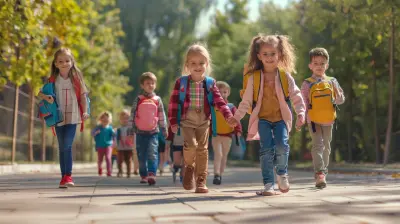
The Importance of Risk-Taking in Outdoor Play
6 July 2026
Let’s be honest—just hearing the word “risk” as a parent is enough to send a mini heart attack straight to your soul. You picture your child climbing a tree and suddenly you're visualizing an emergency room visit, starring you and your slightly overambitious mini Tarzan.
But here's the thing: risk-taking in outdoor play isn't just about scraped knees and muddy clothes (although, yes, those come standard). It’s actually one of the most vital parts of childhood development. No, really. Let’s take a deep breath, grab your cup of cold coffee (you know it’s cold), and unpack why your child rolling down hills and jumping off random things is a good—scratch that—great thing.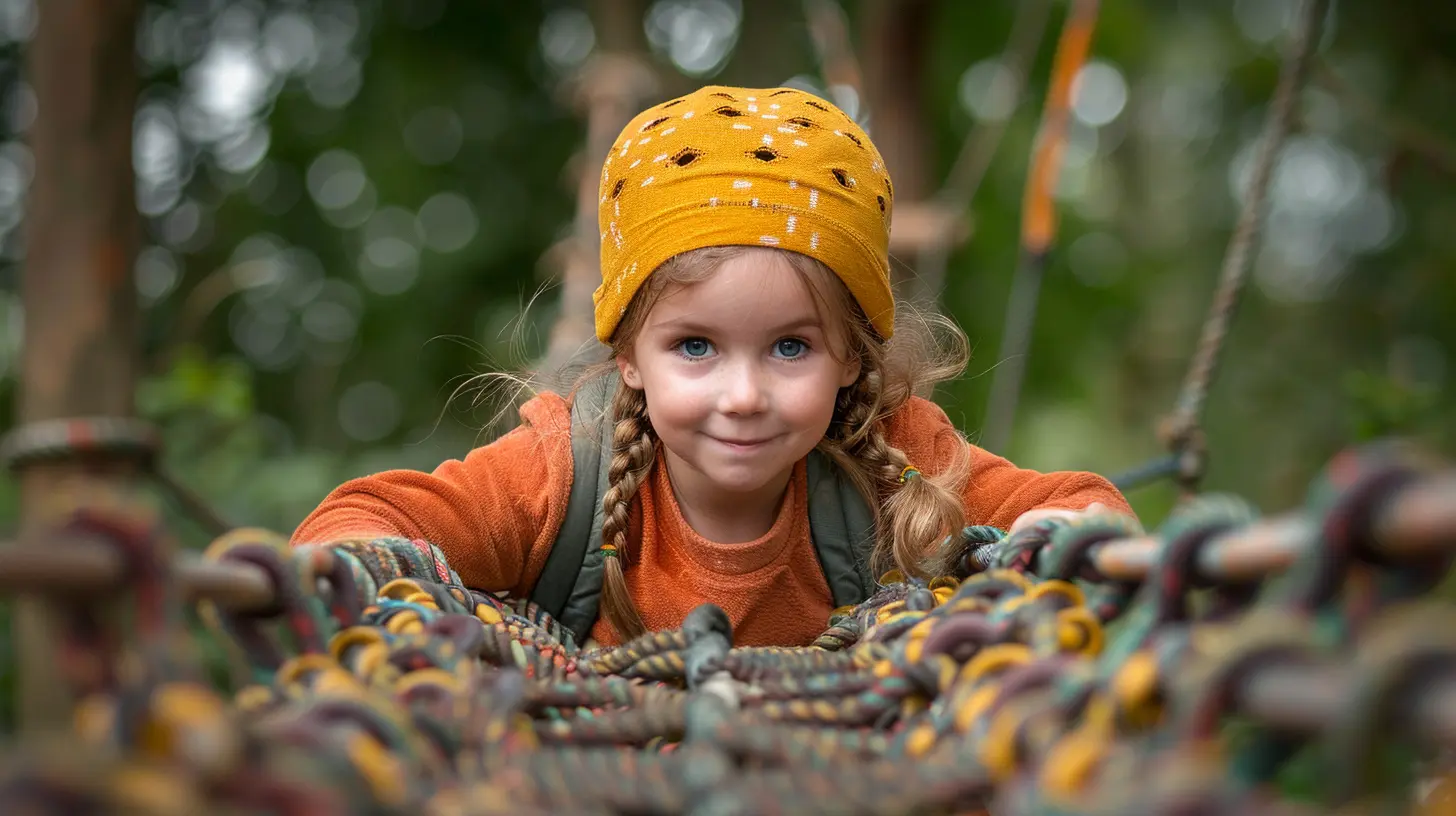
Wait, What? Risk is GOOD for Kids?
Yup. You read that right.We’re not talking about throwing kids into traffic or handing them fireworks. We’re talking about age-appropriate, manageable risks. Think climbing that tree at the park, balancing on a log, riding down a steep hill on a scooter with the confidence of Evel Knievel. These kinds of risks help children test boundaries, build confidence, and learn their limits.
Honestly, how else are they going to learn that sliding down a wet slide in shorts was a questionable life choice?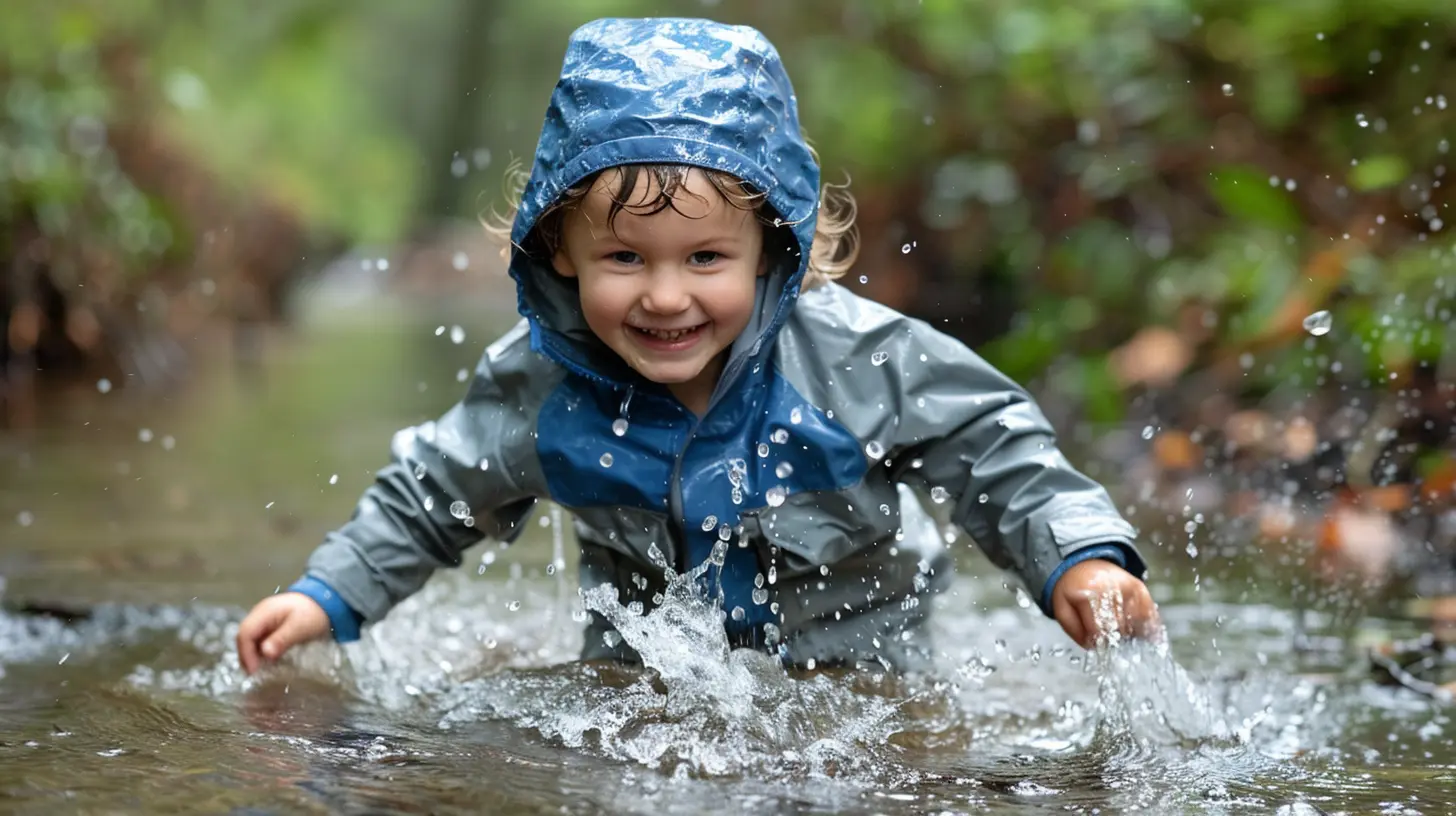
The Danger of Avoiding All Danger
You know what's actually risky? Avoiding risk altogether.In today’s bubble-wrapped, hyper-scheduled world, kids often miss the chance to figure stuff out on their own. We hover. We say “be careful” every 10 seconds. We pre-chew life so they don’t choke on it.
But here's the kicker—kids who don’t experience risk might struggle to cope with failure. They miss out on learning resilience. And when real life hits (spoiler alert: it eventually does), they’re less prepared.
It’s like trying to ride a bike without ever taking off the training wheels. At some point, they need a little wobble time to figure balance out for themselves.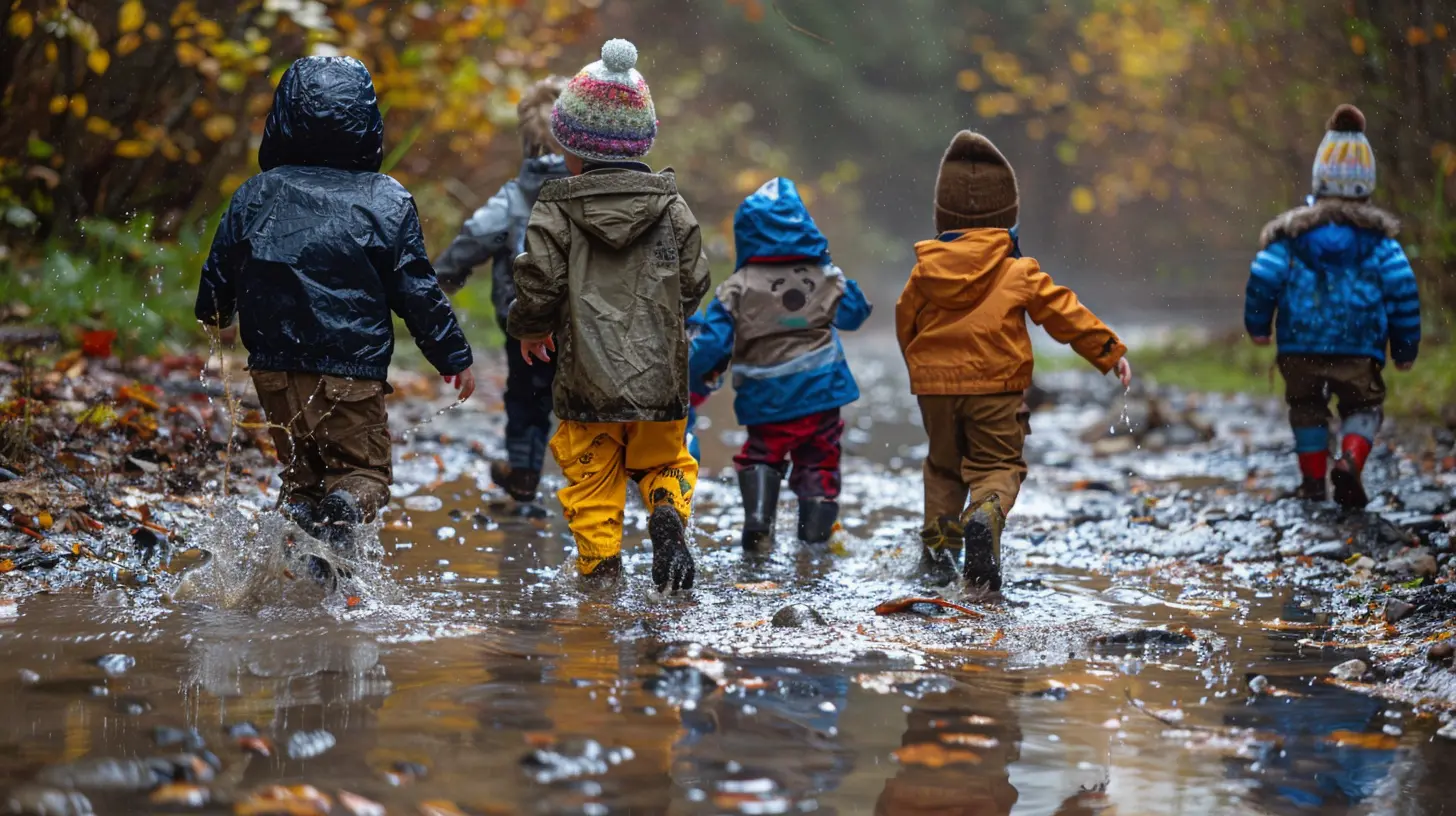
What Does Risk-Taking Outdoor Play Actually Look Like?
Let’s break this down. When we talk about risk in outdoor play, we’re not saying “go wild and good luck.” It’s structured chaos. Beautiful, messy, muddy chaos.Here are some real-world examples of healthy risk-taking:
- Climbing Trees: Balance, coordination, and decision-making. Plus, there's no WiFi up there.
- Roughhousing with Friends: Negotiation, trust-building, and seriously—how else do kids learn not to bite?
- Riding Bikes and Scooters: Speed control, focus, and band-aid application skills.
- Building Stuff (like forts): Problem-solving, creativity, and occasionally hammer-to-thumb experiences.
- Playing Near Water or on Uneven Terrain: Judgment, awareness, and maybe even a surprise biology lesson when they find frogs.
These aren’t just fun; they’re essential life lessons in disguise.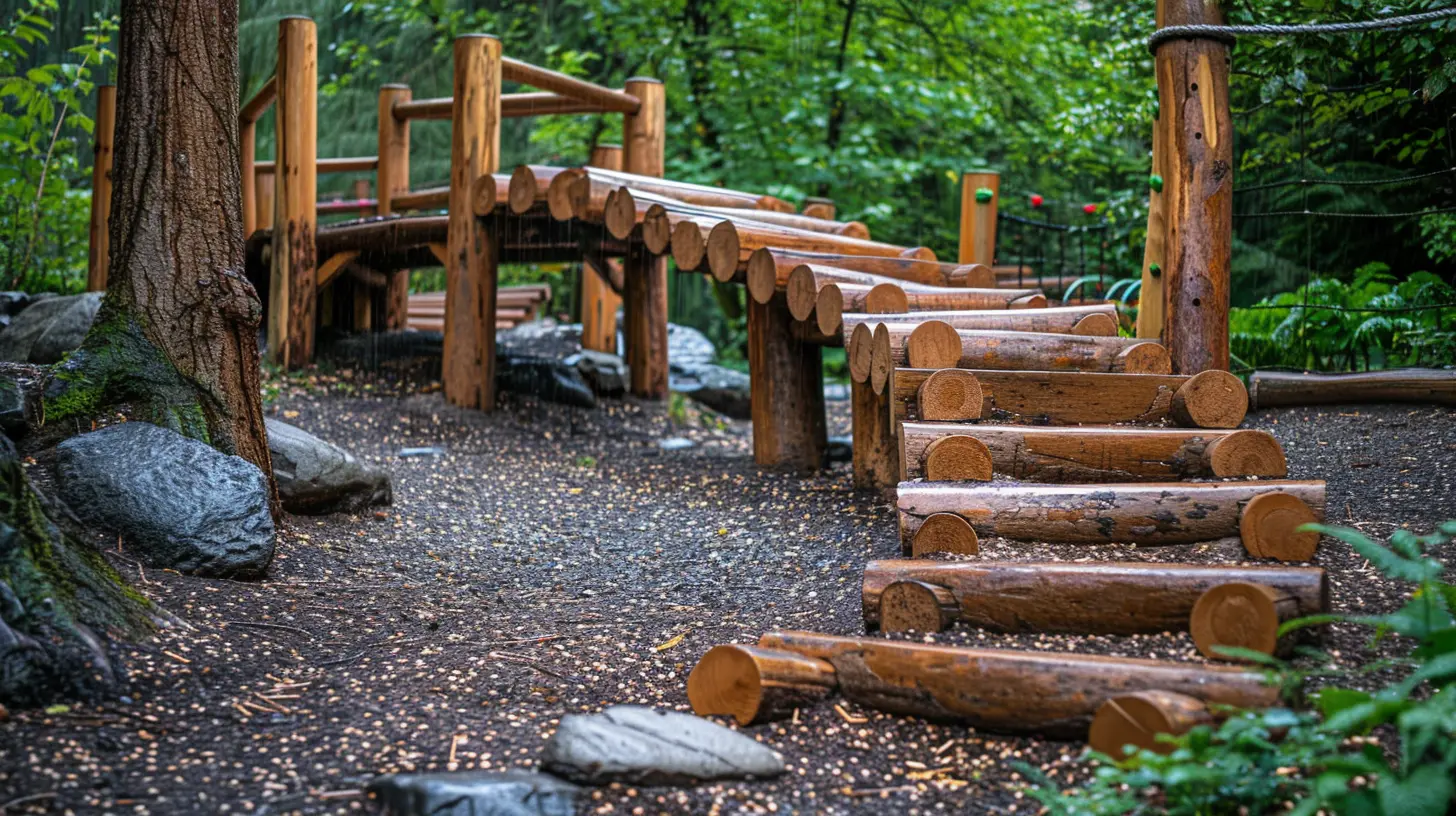
The Magic Behind the Mud
You know what happens when your kid takes a risk and—gasp—falls? Growth. I'm not saying you should cheer when they faceplant, but every scratch tells a story.A kid who climbs a tree knows exactly how high is too high next time. A kid who builds a stick fort learns that architecture has consequences (you know, when it collapses mid-snack time).
And that little voice in their head that says, “Hmm, maybe I shouldn’t jump from here”? That’s developing. That’s the internal risk-meter being calibrated. Not every kid gets it on the first go—some take a few dramatic tumbles—but it happens over time.
Risk: A Sneaky Life Skill Teacher
You want your kid to grow up to be a confident adult, right? Not someone who panics over spilled coffee or forgets how to human during tough times.Well, risk-taking in outdoor play teaches what the classroom (and screens) can’t:
- Confidence: Trying something outside their comfort zone and surviving it? Massive confidence boost.
- Resilience: Falling and getting back up matters more than just staying safe.
- Critical thinking: “If I do this, what might happen?” This skill translates to literally everything in life.
- Courage: Not all bravery looks like slaying dragons. Sometimes it’s just going down the big slide alone.
But What If They Get Hurt?
Oh friend, they will. I'm not going to sugarcoat it.Scrapes, bruises, and the occasional “what even is that on your shirt?” moment are all part of it. But that doesn’t mean it’s bad.
In fact, small injuries can teach kids how to manage pain, assess situations better next time, and understand that their choices have consequences. It’s like their own personal safety workshop—just with more dirt and fewer PowerPoints.
Besides, let’s be real: the world won’t always be padded. Better they learn to navigate it with you nearby than be thrown into it unprepared.
Nature: The Original Playground
Before there were apps, there were ants. And trees. And puddles to jump in.Outdoor play is the ultimate classroom. It changes, it challenges, and it doesn’t come with batteries. Kids learn how to read environments, navigate obstacles, and use their imagination (a muscle that’s seriously underused nowadays).
Risk-taking outdoors doesn’t just stimulate their bodies—it wakes up their brains.
How to Encourage Safe-but-Spicy Risk-Taking
Let’s say you’re on board, but your inner helicopter is refusing to land. Got it. Here’s how to find the sweet spot:1. Start Small
Let them test the waters—sometimes literally. Maybe they climb the low branch first, or cross the shallow creek. Build their confidence gradually.2. Ask Questions
Instead of “Be careful!”, try “How are you going to do that?” It gets them thinking and makes you look like a parental Yoda.3. Let them Fail (A Little)
Yes. Let them fall off the balance beam (softly). Let them realize rocks are slippery. It’s not neglect—it's nurturing independence.4. Be the Spotter, Not the Stopper
Watch. Be close. But don’t interfere unless it’s truly needed. You’re their safety net, not their full-body bubble wrap.5. Celebrate the Mess
Mud-stained clothes? That’s creativity. Twigs in the hair? That’s nature’s confetti. Don’t stress about the mess—it’s proof they played hard and lived fully.Screens vs. Scrapes: Who’s Winning?
Let’s have a real talk.These days, you practically have to pry kids off screens like they’re coated in glue. But risk-taking outdoor play is the exact opposite of passive scrolling. It’s active, unpredictable, and real.
And while Fortnite might offer some adventure, it’s nothing compared to the thrill of crossing a log over a stream like they’re Indiana Jones.
Sure, screens aren't evil. But they don’t teach the lessons a scraped knee and a proud smile can.
Stories for the Dinner Table
Let’s not overlook the storytelling goldmine you get from outdoor adventure. Your kid will come home like a muddy little warrior:“Dad, I fell in the pond but then I saw a turtle and he was just CHILLIN’.”
“I made a ramp out of sticks and my bike flew like a rocket except I kinda crashed but also it was AWESOME.”
These aren’t just funny stories—they’re memories. Confidence. Personality-shaping moments that no perfectly planned playdate could replicate.
FAQs About Risk and Outdoor Play
Q: But my kid is naturally cautious. Should I push them?A: Gently encourage. It’s not about forcing bungee jumping—it’s about helping them discover their own bravery, one stick fort at a time.
Q: What about urban areas with limited nature?
A: You don’t need a jungle. Anywhere with open space works: alleys with chalk, parks with uneven terrain, gravel paths, even your backyard with a bucket of water and imagination.
Q: How do I deal with judgmental looks from other parents when I let my kid “run wild”?
A: Smile and wave. You’re raising a future problem-solver, not auditioning for Instagram Perfect Parent™.
Final Thoughts: Let Them Roam (Safely)
Look, you’re not a bad parent for letting your kid take risks. Actually, you're kind of a rockstar. Because you're raising someone bold. Someone who knows how to fall, and more importantly, how to get back up.Risky play isn’t reckless—it’s responsible parenting. It’s giving your kid the space to learn who they are, what they can do, and how they fit into this big wild world.
So next time your child is halfway up a tree and your heart drops to your socks—take a breath. They're learning. They're growing. They're living.
And hey, worst case? You get a good story out of it.
all images in this post were generated using AI tools
Category:
Outdoor ActivitiesAuthor:

Zelda Gill
Discussion
rate this article
1 comments
Kalani McVicar
Encouraging kids to take risks during outdoor play nurtures their confidence and creativity. It helps them learn resilience, problem-solving, and independence. Embrace the adventure! Let them climb, jump, and explore. These experiences not only shape their character but also foster a deep appreciation for nature and life itself.
July 6, 2026 at 3:32 AM
Zelda Gill
Absolutely! Risk-taking in outdoor play is essential for developing essential life skills. It builds confidence and fosters a genuine connection with nature. Letting kids explore freely is key to their growth.