The Benefits of Unstructured Outdoor Play for Children
1 February 2026
When was the last time you saw kids running wild in the park, climbing trees, or just getting their hands dirty in the backyard? In today’s digital world, screens have taken over, and kids are spending more time indoors than ever. But here’s the truth—unstructured outdoor play isn’t just fun; it’s essential for a child’s development.
Sure, structured activities like soccer practice or piano lessons have their place, but there’s something magical about unstructured play. It fosters creativity, builds resilience, and promotes physical and emotional well-being in ways that scheduled activities simply can’t match. Let’s dive into why ditching the schedule (at least for a little while) and letting kids roam free outdoors is one of the best things you can do for them. 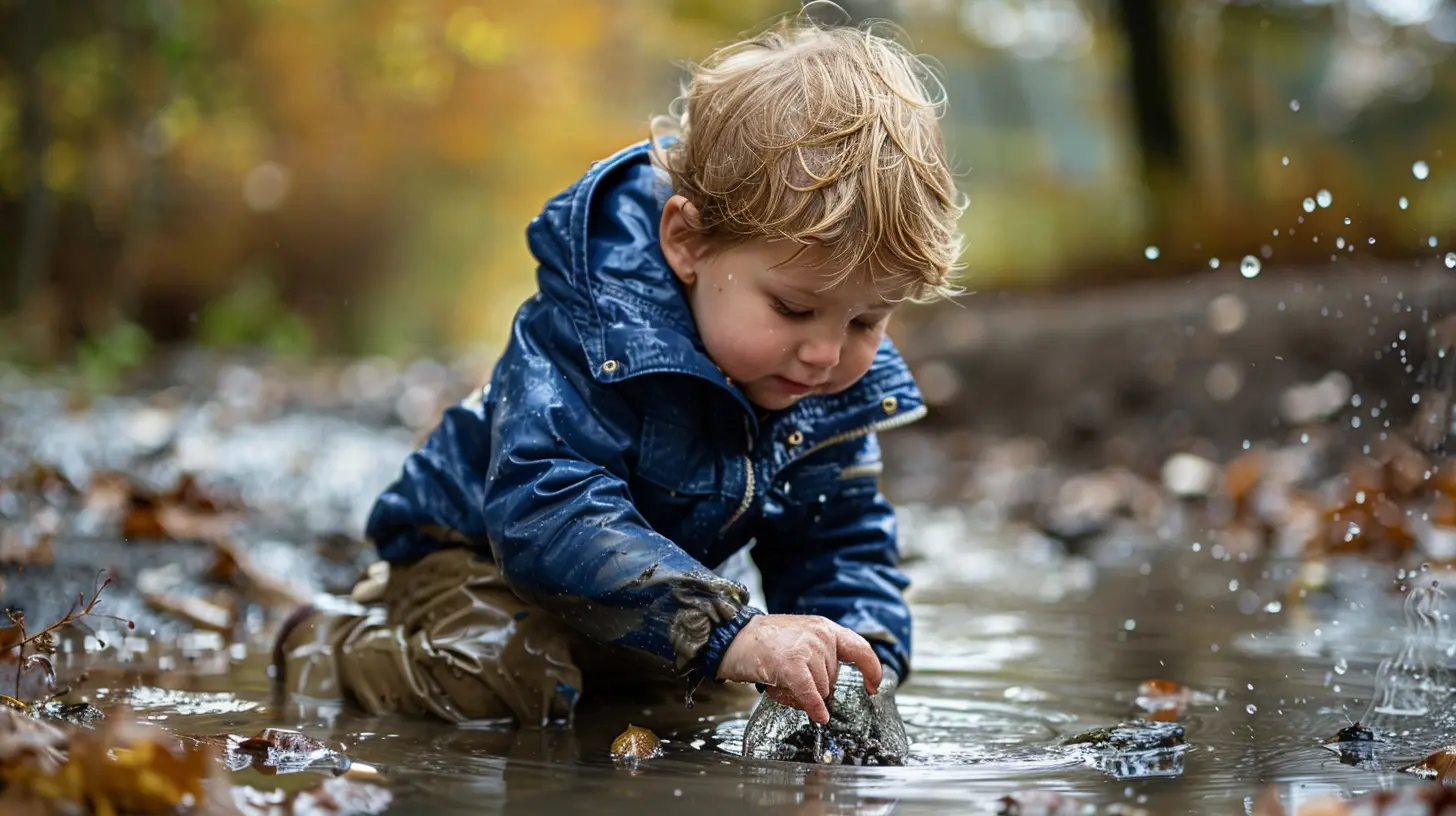
1. Boosts Physical Health
Let’s start with the obvious—kids need to move! And what better way to do that than running, jumping, climbing, and rolling around outside?- Encourages Movement: When kids are outside, they’re constantly in motion. Whether it’s chasing butterflies, kicking a ball, or balancing on a fallen log, they’re working their muscles, improving coordination, and increasing endurance.
- Stronger Immune System: Fresh air and exposure to natural elements help strengthen the immune system. Compared to kids who stay indoors glued to screens, those who play outside tend to get sick less often.
- Reduces Obesity Risks: Childhood obesity is a growing concern, but outdoor play can help. Running around burns calories, builds muscle, and keeps kids active instead of sedentary in front of screens. 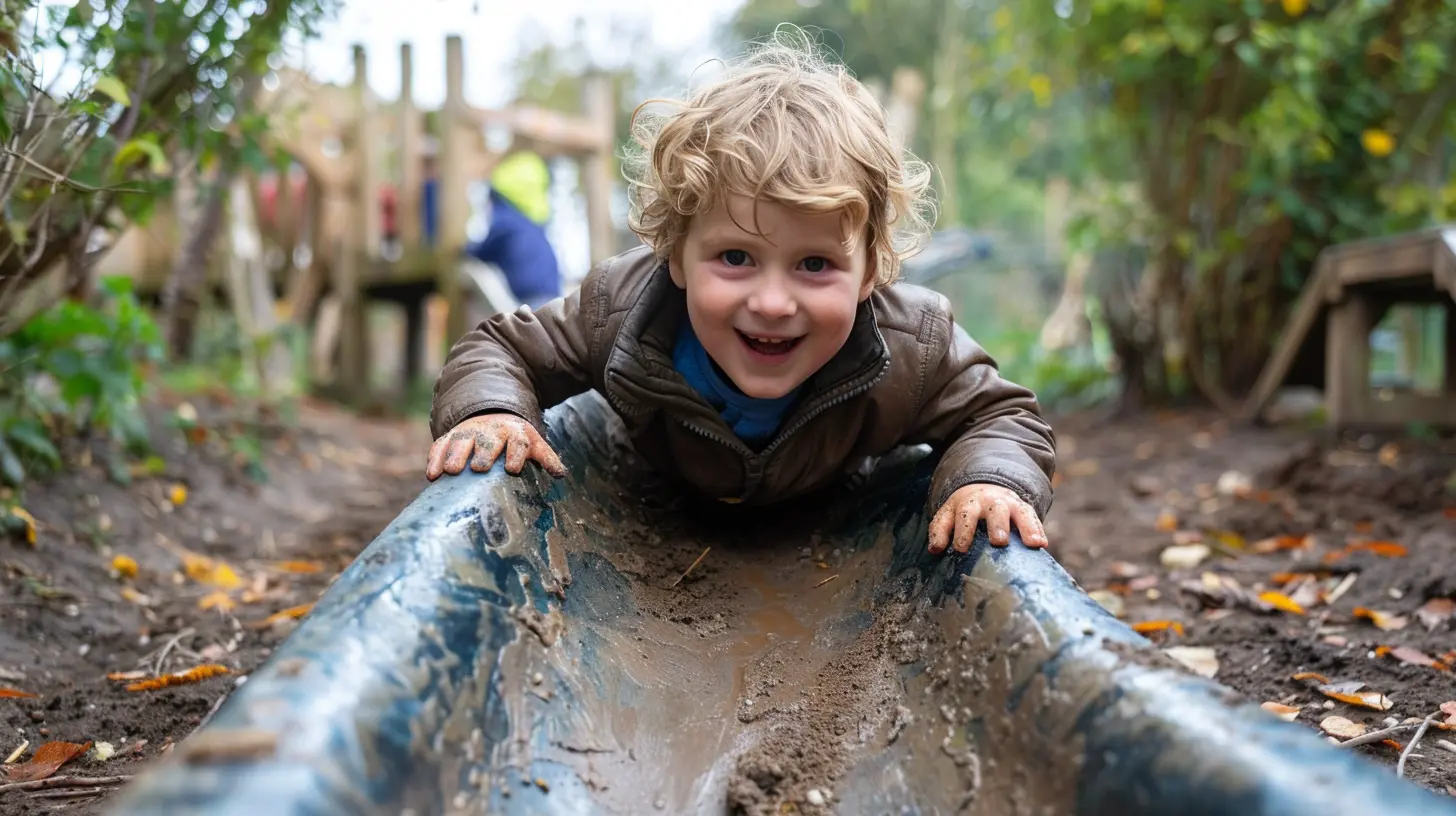
2. Encourages Creativity and Imagination
Ever watched kids turn a pile of sticks into a magical fort? That’s unstructured play at its finest. Without rules or guidelines, kids have the freedom to create their own games, stories, and adventures.- Open-Ended Play: Unlike structured sports or video games with specific goals, unstructured play has no limits. Kids use their imagination to invent new scenarios, from pretending to be pirates on a deserted island to building fairy houses in the backyard.
- Problem-Solving Skills: When kids play outside, they often encounter little challenges—figuring out how to climb a tree, build a makeshift bridge, or navigate a tricky patch of mud. These experiences teach them how to think critically and adapt in the moment.
- Encourages Innovation: Many of today’s greatest minds grew up playing outdoors, where they developed the creativity and curiosity that later fueled world-changing ideas. 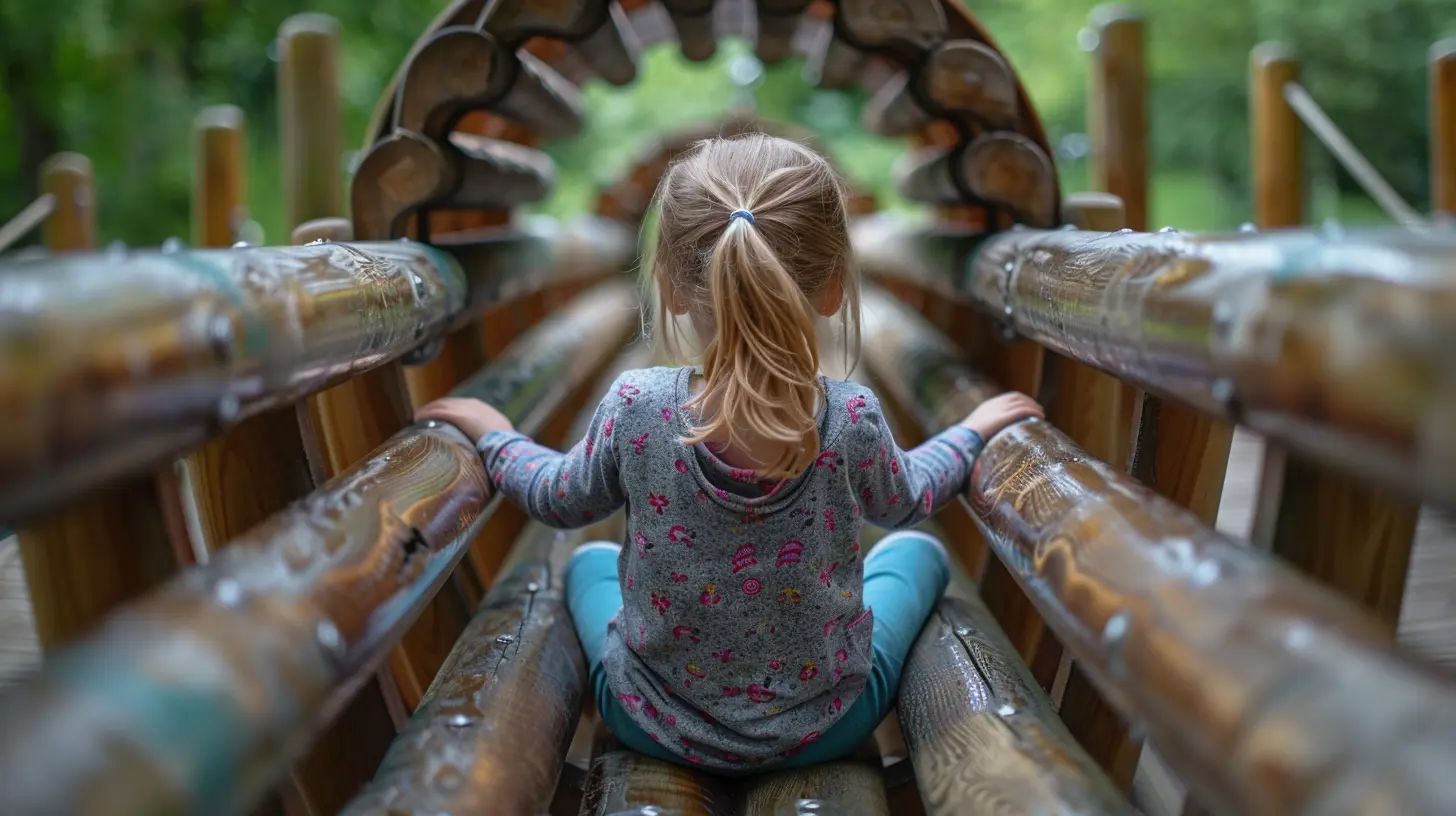
3. Supports Emotional and Mental Well-Being
Nature is one of the best stress relievers, and for kids, the great outdoors is like a built-in therapy session.- Reduces Anxiety and Stress: Studies show that kids who spend time in nature have lower stress levels. The soothing sights and sounds of the outdoors can have a calming effect, reducing anxiety and even symptoms of ADHD.
- Enhances Emotional Resilience: When kids play outside, they experience both successes and failures—falling off a log, losing a race, or mastering a new skill. These moments help them build resilience and learn to handle life’s ups and downs.
- Boosts Mood and Happiness: Ever noticed how kids seem happier after a long day at the park? That’s because physical activity releases endorphins, and being in nature has been linked to improved mood and overall well-being. 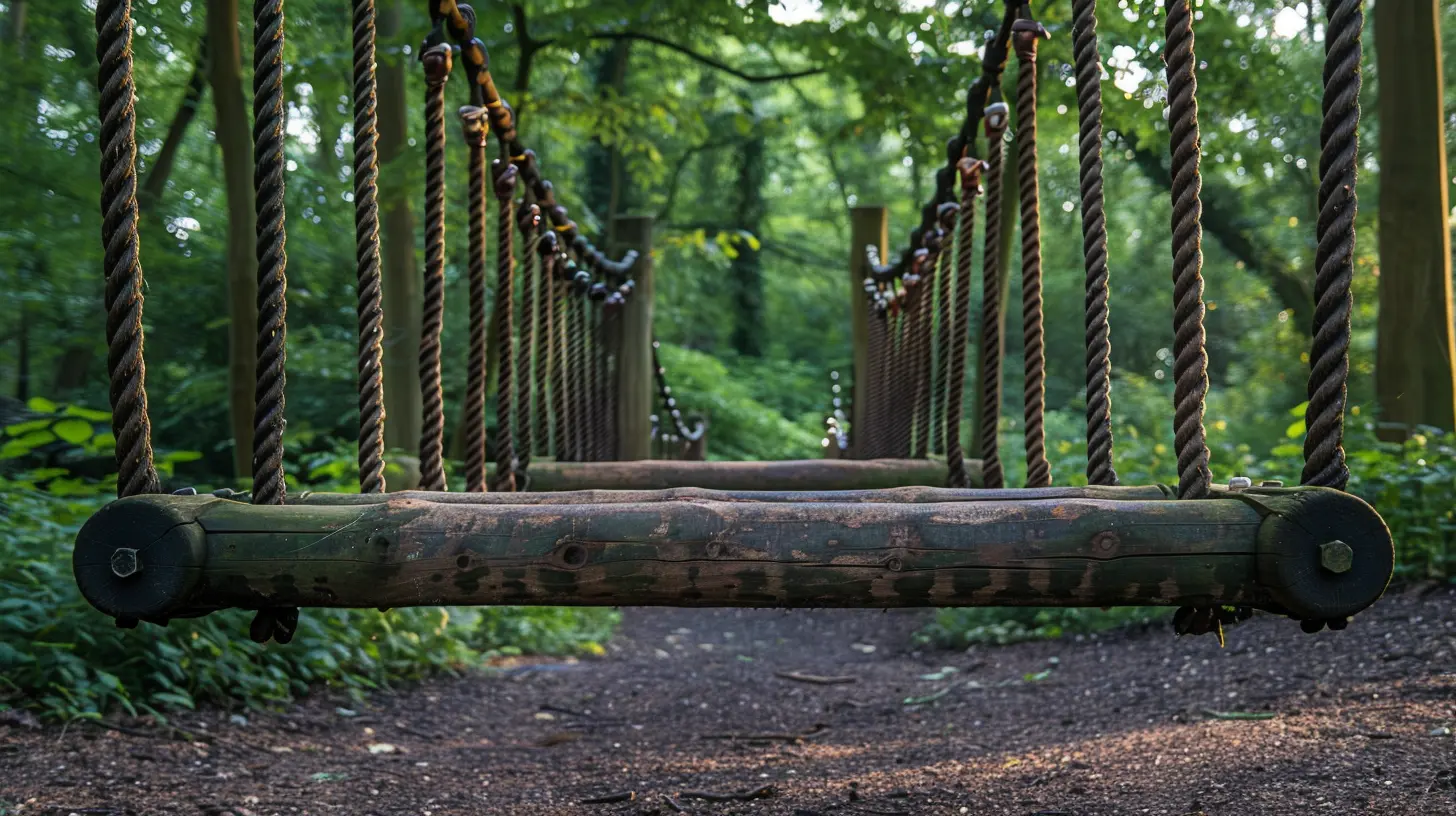
4. Improves Social Skills and Cooperation
Unstructured outdoor play isn’t just about solo adventures—it’s also a great chance for kids to develop social skills naturally.- Learning to Collaborate: Whether they’re building a fort, organizing a game, or working together to solve a problem, kids quickly learn how to compromise, take turns, and respect other perspectives.
- Better Conflict Resolution: Outdoor play often involves small conflicts—who gets the first turn on the swing? Who decides the rules of the game? Without adult interference, kids learn to negotiate and resolve disputes on their own.
- Sense of Community: Playing outside with other children fosters a sense of belonging. It teaches kids how to build friendships and develop a sense of teamwork in a natural, low-pressure setting.
5. Encourages Independence and Risk-Taking
Parents often feel the urge to hover, but letting kids experience a little risk is actually beneficial.- Building Confidence: Climbing a tree for the first time or figuring out how to jump across a creek isn’t just exciting—it’s empowering. Kids gain confidence by taking on small challenges and realizing what they’re capable of.
- Learning Risk Assessment: When children engage in outdoor play, they naturally develop an understanding of their limits. They learn to gauge what feels safe and what doesn’t, an important skill they’ll carry into adulthood.
- Encouraging Self-Reliance: In unstructured play, there are no coaches, no teachers, and no parents dictating what to do. Kids learn to make decisions on their own, boosting their problem-solving skills and independence.
6. Strengthens Connection with Nature
In an age where technology dominates, fostering a love for nature has never been more important.- Developing a Respect for the Environment: Kids who play outside often develop a deeper appreciation for nature. They learn about plants, animals, and ecosystems firsthand, which can lead to a lifelong respect for the planet.
- Understanding Natural Cycles: Watching the seasons change, finding worms in the dirt, or observing how rain affects the landscape helps kids understand the world around them in a way that no classroom lesson can replicate.
- Reduces “Nature-Deficit Disorder”: This term, coined by Richard Louv, describes the growing disconnect between children and nature. Unstructured outdoor play helps bridge that gap and reconnects kids with the natural world.
7. Provides a Break from Screens
Let’s be honest—screens are addictive. And while technology has its perks, kids need time away from digital distractions.- Breaks the Tech Obsession: With video games, YouTube, and social media competing for attention, outdoor play offers a necessary break from the digital world.
- Encourages Active Play: Unlike passive screen time, outdoor play involves movement, real-world problem-solving, and hands-on interaction.
- Promotes Better Sleep: Research shows that kids who spend time outdoors sleep better at night. Exposure to natural light helps regulate sleep cycles, leading to improved rest and overall health.
How to Encourage More Unstructured Outdoor Play
You don’t need a huge backyard or expensive playground equipment to encourage your child to play outside. Here are some simple ways to make outdoor play a daily habit:- Let Them Get Bored: Boredom is a gateway to creativity. Instead of planning every minute, let kids figure out their own outdoor fun.
- Limit Screen Time: Set clear boundaries for screen use and encourage outdoor play as an alternative.
- Create an Invitation to Play: Leave out simple materials like cardboard boxes, sticks, balls, or rope, and watch kids turn them into something magical.
- Make It a Family Affair: Spend time outdoors together—go for a walk, have a picnic, or explore a nearby nature trail.
- Say Yes to Mess: Muddy hands, grass-stained clothes, and scraped knees are all signs of a childhood well spent.
Final Thoughts
Unstructured outdoor play is more than just fun—it’s a fundamental part of growing up. It builds stronger, happier, more resilient kids who are creative, independent, and connected to the world around them. So, the next time you see your child staring at a screen, suggest a trip outside instead. You might just be giving them the best gift of all—freedom to play, explore, and be a kid.all images in this post were generated using AI tools
Category:
Outdoor ActivitiesAuthor:

Zelda Gill
Discussion
rate this article
2 comments
Flynn Ward
Amidst the chaos of structured schedules, there lies a hidden magic in unstructured outdoor play. What secrets do the trees whisper? What adventures await just beyond the backyard? Dive into the unknown and watch your child’s imagination soar.
March 3, 2026 at 5:00 AM
Zelda Gill
Thank you for capturing the essence of unstructured outdoor play! It's in those spontaneous moments that children's creativity truly flourishes. Let's encourage exploration and wonder!
Robert Riley
Unstructured outdoor play fosters creativity and independence in children, allowing them to explore their environment freely. It’s essential for developing problem-solving skills and building resilience in a natural setting.
February 7, 2026 at 3:41 AM
Zelda Gill
I completely agree! Unstructured outdoor play is vital for nurturing creativity, independence, and essential life skills in children. It’s a key aspect of healthy development.